


The Foundation of Family: Why Pre-Parenthood Discussions Matter
Deciding to bring a child into the world is arguably the biggest decision a person or a couple will ever make. It transcends career choices, relocation, or even marriage itself, as it permanently alters the landscape of your life, your priorities, and your relationship dynamics. Yet, surprisingly often, these life-altering decisions are approached with less planning than a major home renovation. The truth is, parenthood is not just about changing diapers and late-night feedings; it’s about shaping a human being, instilling values, navigating countless unforeseen challenges, and becoming the anchor for another individual’s entire existence. Engaging in deep, honest conversations before conception or adoption allows you to align your expectations, identify potential areas of disagreement, and develop strategies for navigating the inevitable complexities that lie ahead. It’s an act of profound love and respect for yourselves, your partnership, and most importantly, for the child you plan to bring into your lives. These discussions aren’t about eliminating every surprise – for parenthood is full of them – but about building a shared framework of understanding and a strong emotional infrastructure that can withstand the tests of time and tribulation. It’s about ensuring that when difficult moments arise, you face them as a united front, rather than being pulled apart by unaddressed assumptions or conflicting ideals. This proactive approach is a cornerstone of family advocacy, empowering you to build the family life you envision with intention and foresight.
Consider the myriad changes that will sweep through your life: your sleep patterns will be disrupted, your financial landscape will shift dramatically, your social life will transform, and your personal time will become a precious commodity. Without deliberate conversations about these impending changes, assumptions can fester, leading to resentment and conflict. Imagine one partner envisioning a stay-at-home parent while the other assumes both will return to work full-time immediately after parental leave. Or one expecting rigid discipline while the other believes in a more permissive approach. These fundamental differences, if left unspoken, can become significant cracks in the foundation of your family. Furthermore, these discussions are an opportunity to reflect on your own childhood experiences – both positive and negative – and decide what elements you wish to carry forward and which you aspire to change. It’s a chance to break cycles, to heal old wounds, and to consciously create a new legacy for your children. By engaging in these dialogues, you are not just preparing for a baby; you are preparing for a lifetime of partnership in raising that child, fostering a resilient and adaptable family unit ready for whatever the future holds.
Thing One: Building Your Financial Fortress for Parenthood

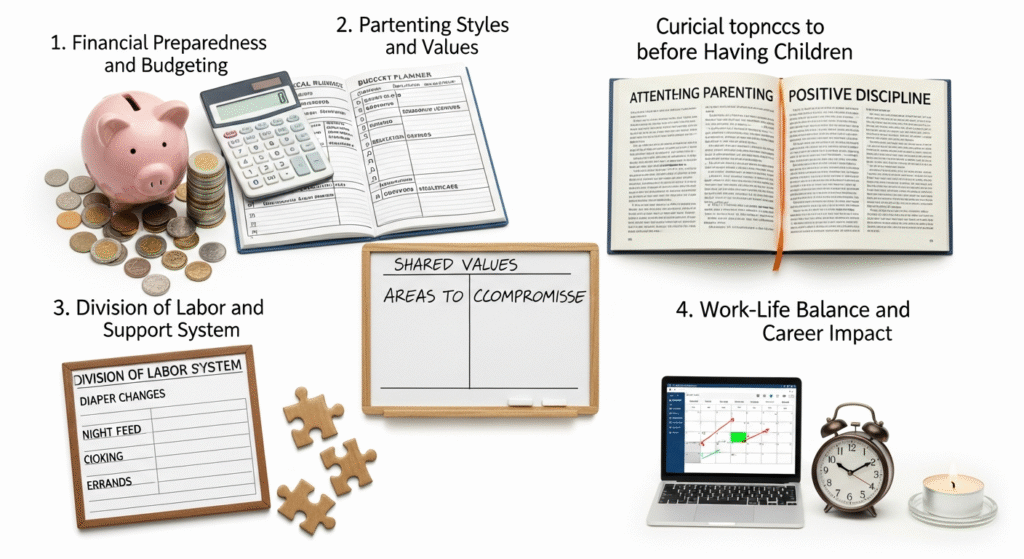
One of the most immediate and impactful shifts you’ll experience with children is financial. The costs associated with raising a child from birth to adulthood are staggering, often running into hundreds of thousands of dollars, not including college. Before you even think about nursery decor, it’s crucial to have an open, honest, and comprehensive discussion about your financial readiness and future security. This isn’t just about whether you have enough money now, but about how you will manage expenses, save for the future, and adapt to potential changes in income. Start by creating a detailed budget that accounts for current income and expenses, and then project how that budget will change with the addition of a child. Consider the immediate costs: prenatal care, hospital bills (even with insurance, there are often deductibles and co-pays), newborn essentials like diapers, formula (if not breastfeeding), clothing, and equipment. Beyond the initial outlay, think about ongoing expenses like childcare (which can be one of the largest budget items for working parents), food, healthcare, education, and extracurricular activities as your child grows.
These conversations should delve into specific practicalities. Will one parent take extended leave, and how will that impact income? What are your plans for childcare – daycare, a nanny, family help, or one parent staying home? Each option has vastly different financial implications. Discuss your current debt situation and how you plan to manage it. Do you have an emergency fund? If not, establishing one becomes even more critical with a child, as unexpected expenses, from medical emergencies to car repairs, can quickly derail a tight budget. Consider future financial goals: saving for college, retirement, and potentially purchasing a larger home. How will these goals be balanced with the immediate needs of a growing family? It’s also wise to review your insurance policies – health, life, and disability – to ensure your family is adequately protected in case of unforeseen circumstances. Life insurance, in particular, becomes a vital safety net once you have dependents. Additionally, exploring options for saving money on everyday essentials can make a significant difference. For instance, our article 4 tips to save money on health and wellness goods offers practical advice that can be applied to many child-related purchases, from vitamins to baby care products, helping you stretch your budget further without compromising quality. These detailed financial discussions, while potentially uncomfortable, are an empowering step toward ensuring your family’s stability and peace of mind for decades to come, setting a strong precedent for financial literacy and responsibility within your future household.
Thing Two: Harmonizing Parenting Philosophies and Core Values
Beyond discipline, explore your core values. What moral and ethical principles do you want to instill in your children? Honesty, kindness, empathy, resilience, respect, responsibility, curiosity – these are just a few examples. How will you teach these values through your actions, conversations, and the environment you create at home? Discuss your approaches to education: Will you prioritize academic achievement, creative expression, or a balance of both? What are your thoughts on public versus private schooling, homeschooling, or alternative educational models? These decisions will become more pressing as your child grows, but having an initial understanding can prevent future conflict. Consider cultural, religious, or spiritual traditions. If you come from different backgrounds, how will you integrate or honor both, or choose a new path for your family? These discussions are not about finding identical viewpoints on every single issue, which is often unrealistic. Instead, they are about understanding each other’s perspectives, identifying areas where compromise is needed, and building a unified front. It’s about agreeing on a general compass direction for your parenting journey, even if you occasionally take different paths to get there. This alignment ensures that your child receives consistent messages and experiences a secure, predictable, and value-driven upbringing, fostering a strong sense of identity and belonging within a cohesive family unit.
Thing Three: Dividing Labor, Cultivating Support, and Nurturing Your Partnership
Bringing a child into your lives will fundamentally alter the division of labor in your household and place new demands on your time, energy, and emotional resources. Before the baby arrives, it’s imperative to have explicit discussions about how you will share responsibilities, cultivate a strong support system, and, critically, nurture your partnership amidst the beautiful chaos. The “mental load” of parenting, which often falls disproportionately on one parent, encompasses everything from scheduling doctor’s appointments and playdates to remembering school deadlines and meal planning. These tasks, while invisible, are exhausting. Discuss how you will divide not just the physical tasks like feeding, changing, and bathing the baby, but also the mental and emotional labor. Will one partner take on more nighttime duties while the other handles morning routines? How will you manage household chores, grocery shopping, and meal preparation when sleep deprivation becomes the norm?
Beyond the internal division of labor, consider your external support system. Who can you rely on for help? Grandparents, aunts, uncles, friends, or even paid services like postpartum doulas or babysitters can be invaluable. Discuss boundaries with family members who might offer unsolicited advice or overstep their roles. How will you communicate your needs and establish healthy boundaries to protect your new family unit? Crucially, don’t forget your partnership. A baby often shifts the entire focus onto the child, leaving the couple’s relationship neglected. Discuss how you will prioritize “us time,” even if it’s just a short walk together, a shared meal after the baby is asleep, or regular date nights (when feasible). How will you continue to communicate effectively, express affection, and support each other through the inevitable stresses and joys of parenthood? These conversations should also touch upon self-care. It’s easy to lose yourself in the demands of a new baby, but remembering that you cannot pour from an empty cup is essential. How will each of you ensure you get adequate rest, pursue hobbies, or simply have moments of solitude? Agreeing on these aspects upfront creates a framework for sharing the load equitably, reducing potential resentment, and ensuring that both parents feel supported, valued, and empowered to thrive, not just survive, in their new roles. This intentional planning strengthens the bond between partners, creating a resilient foundation from which to raise your children.
Thing Four: Prioritizing Health, Wellness, and Preparing for Life’s Unexpected Turns
Parenthood is a journey filled with incredible highs, but also inevitable challenges and unforeseen events. A crucial discussion before having children involves prioritizing physical and mental health for all family members, and proactively planning for how you will navigate life’s unexpected turns, both minor and major. Start with personal health: Are both partners in optimal physical and mental health? Discuss any existing health conditions and how they might impact parenting. What are your plans for prenatal care, birth preferences, and postpartum recovery? For women, understanding your reproductive rights and choices is paramount, ensuring you have access to comprehensive healthcare and make informed decisions about your body and family planning. This includes discussions about future family size and contraception post-birth, aligning with the principles of Protect Families Protect Choices, which advocates for reproductive autonomy and access to care.
Mental wellness is equally vital. Parenthood, while joyful, can also be incredibly challenging, leading to stress, anxiety, and even postpartum depression or anxiety for either parent. Discuss how you will recognize the signs of mental health struggles in yourselves and each other, and what support systems you will put in place. This could involve therapy, support groups, or simply committing to open and honest communication about your emotional states. Proactively identifying resources and agreeing to seek help when needed is a sign of strength, not weakness. Beyond personal health, consider how you will prepare for life’s broader uncertainties. What are your plans for medical emergencies involving your child? Do you know basic first aid or CPR? Do you have a family emergency plan for natural disasters or other crises? While it’s impossible to foresee every challenge, discussing these possibilities helps build resilience and a sense of preparedness. It’s also crucial to consider how you will support your children through difficult times. Should your family experience a traumatic event, having a pre-discussed understanding of how you’ll approach healing and support can be invaluable. Our resource, Tips for helping children cope after a traumatic event, offers insights into fostering resilience and providing emotional support, and having these conversations beforehand can equip you with the tools to navigate such situations with greater empathy and effectiveness. These discussions, while sometimes uncomfortable, are an act of profound care, ensuring your family is as healthy, resilient, and prepared as possible for the entire spectrum of life experiences.
Beyond the Basics: Continuous Communication and Evolving Together
While the “four things” we’ve outlined provide a robust framework for pre-parenthood discussions, it’s essential to understand that these conversations are not a one-time event. Parenthood is a dynamic and ever-evolving journey, and what works one year may need adjustment the next. Your children will grow and change, presenting new challenges and joys at every stage, from toddlerhood to adolescence and beyond. Your own relationship will evolve, and your individual needs and priorities may shift over time. Therefore, the most crucial “fifth thing” you should discuss before having children is the commitment to continuous, open, and honest communication throughout your parenting journey. Think of your initial discussions as setting the foundation, but recognize that the structure will need ongoing maintenance, adaptation, and perhaps even redesign as your family grows and changes. This commitment means scheduling regular check-ins – whether monthly, quarterly, or annually – to revisit your shared goals, assess what’s working and what isn’t, and make adjustments as needed. It means being willing to admit when you’re struggling, to ask for help, and to offer support without judgment. It means acknowledging that both partners will grow and change, and allowing space for those individual evolutions within the context of your shared family vision.
Furthermore, these ongoing conversations should extend to your children as they mature. Involving them in age-appropriate discussions about family values, responsibilities, and challenges fosters a sense of belonging and teaches them valuable communication skills. By modeling open dialogue, you empower your children to express themselves, contribute to family decisions, and develop their own problem-solving abilities. The goal isn’t to achieve perfect harmony at all times, which is an unrealistic expectation for any family. Instead, it’s about building a culture of empathy, understanding, and mutual respect, where disagreements can be discussed constructively and solutions can be found collaboratively. This continuous dialogue strengthens the fabric of your family, allowing you to adapt to new circumstances, celebrate successes, and navigate difficulties as a unified and resilient team. By committing to ongoing communication, you’re not just preparing for the arrival of a child in 2026; you’re building a loving, adaptable, and enduring family legacy that will thrive for generations to come, embodying the core principles of protecting families and empowering choices at every step.
FAQ: Your Parenthood Journey
Q1: We’ve already started trying for a baby. Is it too late to have these discussions?
A1: It is absolutely never too late to have these crucial conversations! While ideal to discuss them before conception, the journey of parenthood is long and continuous. Starting these discussions now, even if you’re pregnant or already have a baby, is incredibly beneficial. It shows a commitment to your partnership and your future child’s well-being. These conversations are ongoing, so consider this your starting point for building a strong foundation of communication.
Q2: What if my partner and I disagree on a core parenting philosophy, like discipline?
A2: Disagreements are normal and expected, as you both bring unique experiences and perspectives. The goal isn’t necessarily to agree on everything, but to understand each other’s viewpoints, find common ground, and be willing to compromise. Discussing these differences proactively allows you to develop a unified approach, even if it’s a blend of both your styles. If an impasse is reached, consider seeking guidance from a trusted counselor or parenting expert to help facilitate the conversation and find solutions that work for both of you and your future child.
Q3: How detailed should our financial discussions be? Should we share everything?
A3: Financial discussions should be as detailed and transparent as possible. This includes sharing income, debts, savings, spending habits, and credit scores. Parenthood is a shared financial venture, and full transparency builds trust and allows for realistic planning. Create a joint budget, discuss long-term goals like college savings or retirement, and decide how you’ll manage day-to-day expenses. The more open you are now, the fewer surprises and conflicts you’ll face later.
Q4: We have different cultural backgrounds. How do we incorporate both into our parenting?
A4: Celebrating diverse cultural backgrounds enriches a child’s life! Discuss which traditions, languages, and values from each culture you wish to pass on. This might involve blending traditions, taking turns celebrating different holidays, or consciously teaching your child about both heritages. The key is mutual respect and intentionality. Decide together how you’ll honor both, ensuring your child develops a strong sense of identity rooted in both parents’ histories.
Q5: How can we ensure our relationship doesn’t get lost in the demands of parenthood?
A5: This is a common and valid concern. Proactively discuss and commit to prioritizing your relationship. This means scheduling regular “us time,” even if it’s just a short walk or a quiet meal after the baby is asleep. Communicate openly about your needs, offer each other grace and support, and remember the love that brought you together. It’s also important to seek and accept help from your support network so you can carve out time for each other and for individual self-care.
Q6: What if we’ve already had our first child, but never had these in-depth discussions?
A6: It’s never too late to start! Many parents find themselves learning on the job. Use this article as a guide to initiate these conversations now. You’ve gained valuable experience as parents, which can now inform your discussions. Schedule dedicated time to talk through finances, parenting styles, division of labor, and health plans. It’s an opportunity to strengthen your partnership and create an even more intentional and harmonious family environment for your existing children and any future additions.
Recommended Resources
You might also enjoy How To Network Effectively For Career Growth from Diaal News.
You might also enjoy Hydraulic Systems In Industry from Mitsubishi Manufacturing.