
Understanding Reproductive Health and Family Planning
Before diving into specific methods, it’s crucial to establish a foundational understanding of what reproductive health truly encompasses. What is reproductive health? It is a state of complete physical, mental, and social well-being, and not merely the absence of disease or infirmity, in all matters relating to the reproductive system and its functions and processes. This means that people are able to have a responsible, satisfying and safe sex life and that they have the capability to reproduce and the freedom to decide if, when, and how often to do so. This includes access to information and safe, effective, affordable, and acceptable methods of family planning of their choice, as well as access to appropriate health care services that enable women to go safely through pregnancy and childbirth and provide couples with the best chance of having a healthy infant.
Family planning is a vital component of reproductive health, empowering individuals and families to achieve their desired number of children and spacing of pregnancies. It offers numerous benefits, including improved maternal and child health outcomes, enhanced educational and economic opportunities for women, and greater stability for families. The ability to plan one’s family trajectory is a fundamental human right, allowing individuals to align their reproductive lives with their personal goals, values, and circumstances. Our commitment at Protect Families Protect Choices is to ensure that everyone has the resources and support necessary to exercise this right fully and without impediment.
Navigating Your Options: A Comprehensive Look at Birth Control Methods

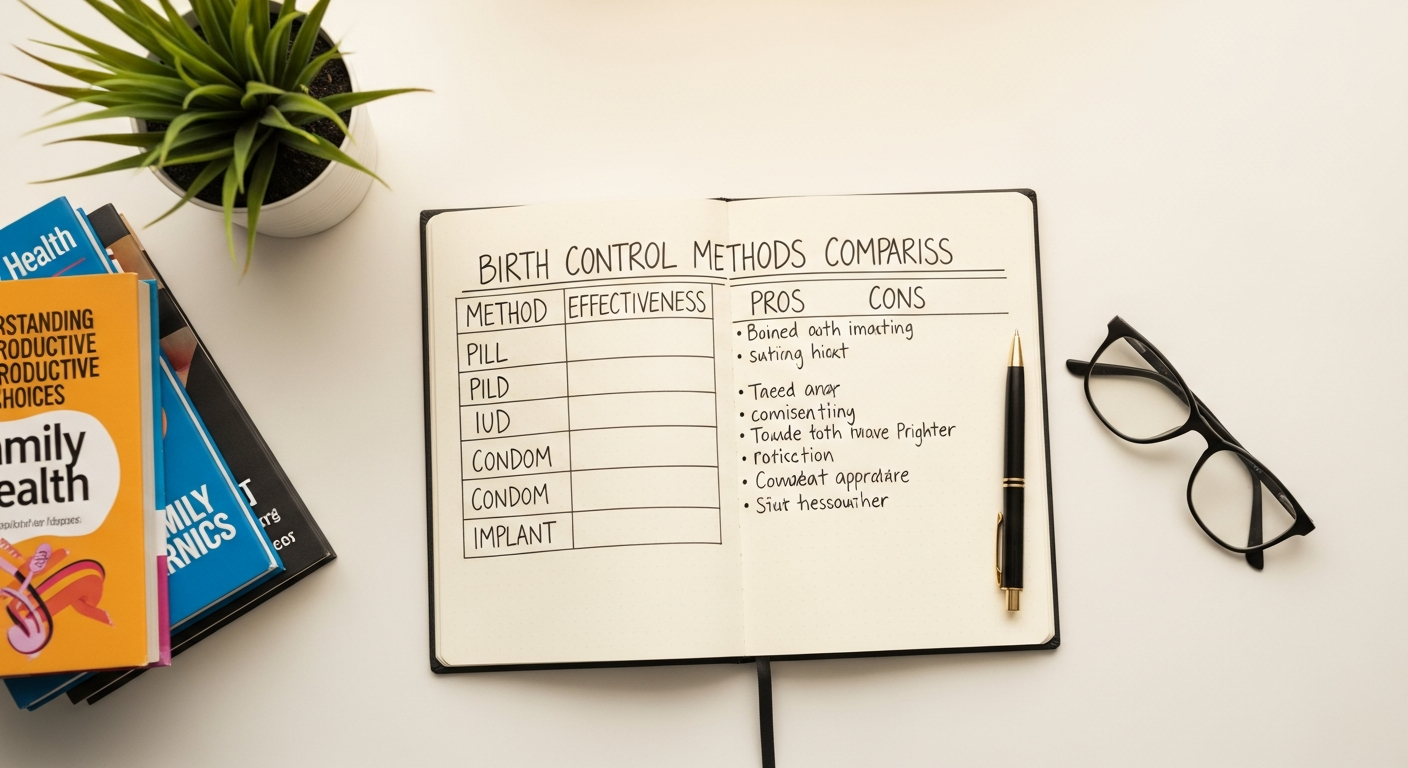
The array of birth control methods available today is more diverse and effective than ever before. Each method comes with its own set of mechanisms, benefits, and considerations. Understanding these differences is the first step toward making an informed choice that aligns with your lifestyle, health needs, and family planning goals. Here, we provide a detailed birth control methods comparison, categorized for clarity.
Birth Control Comparison Matrix
| Method Type | Hormones | Typical-use % | Duration | STI Protection | OTC/Prescription/Provider | Reversibility | Return to Fertility | Key Contraindications | Emergency-use Eligibility |
|---|---|---|---|---|---|---|---|---|---|
| LNG-IUD | Yes | 0.1–0.4% | 3-8 years | No | Provider | Yes | Immediate | None specific | No |
| Copper IUD | No | 0.8% | 10-12 years | No | Provider | Yes | Immediate | None specific | Yes |
| Implant | Yes | 0.1% | 3-5 years | No | Provider | Yes | Immediate | None specific | No |
| Shot | Yes | 4% | 3 months | No | Provider/Self | Yes | Delayed | Bone density concerns | No |
| Pill/Patch/Ring | Yes | 7% | Daily/Weekly/Monthly | No | Prescription | Yes | Immediate | Smoking >35, migraines | No |
| Diaphragm | No | 17% | Use-based | No | Prescription | Yes | Immediate | None specific | No |
| Cervical Cap | No | 22% | Use-based | No | Prescription | Yes | Immediate | None specific | No |
| Sponge | No | 17% | Use-based | No | OTC | Yes | Immediate | None specific | No |
| External Condom | No | 13% | Use-based | Yes | OTC | Yes | Immediate | None specific | No |
| Internal Condom | No | 21% | Use-based | Yes | OTC | Yes | Immediate | None specific | No |
| Spermicide/Vaginal pH Regulators | No | 21% | Use-based | No | OTC | Yes | Immediate | None specific | No |
| Tubal Surgery | No | 0.5% | Permanent | No | Provider | No | N/A | Surgical risks | No |
| Vasectomy | No | 0.15% | Permanent | No | Provider | No | N/A | Surgical risks | No |
Hormonal Methods
Hormonal birth control methods work by introducing synthetic hormones (estrogen and/or progestin) into the body, which primarily prevent ovulation, thicken cervical mucus to block sperm, and thin the uterine lining to prevent implantation. They are highly effective when used correctly.
- Combined Oral Contraceptives (The Pill): These pills contain both estrogen and progestin. They are taken daily and are highly effective at preventing pregnancy. Beyond contraception, many users experience lighter, more regular periods, reduced menstrual cramps, and improved acne. However, daily adherence is crucial for effectiveness, and side effects can include nausea, breast tenderness, or mood changes, which often subside after a few months.
- Progestin-Only Pills (Minipill): Ideal for individuals who cannot use estrogen, such as those breastfeeding or with certain medical conditions. They are also taken daily, but with a stricter adherence window. Their mechanism primarily involves thickening cervical mucus and thinning the uterine lining, though they can also suppress ovulation. Irregular bleeding is a common side effect.
- The Contraceptive Patch: A thin, beige patch worn on the skin (e.g., abdomen, buttock, back, upper arm). It releases estrogen and progestin transdermally and is replaced weekly for three weeks, followed by a patch-free week for menstruation. It offers convenience over daily pills but can cause skin irritation at the application site.
- The Vaginal Ring (e.g., NuvaRing, Annovera): A flexible, transparent ring inserted into the vagina, where it continuously releases estrogen and progestin. It is typically left in for three weeks, removed for one week to allow for a period, and then a new ring is inserted. Some versions can be used for up to a year. It’s discreet and requires less frequent attention than pills or patches.
- The Contraceptive Shot (Depo-Provera): An injection of progestin administered every three months by a healthcare provider. It’s highly effective and convenient, eliminating the need for daily or weekly action. Potential side effects include weight gain, irregular bleeding, and a temporary decrease in bone mineral density, which usually recovers after discontinuation. Fertility may take longer to return after stopping the shot.
- The Contraceptive Implant (e.g., Nexplanon): A small, flexible rod inserted under the skin of the upper arm by a healthcare provider. It releases progestin and is effective for up to three to five years, making it one of the most effective and convenient long-acting reversible contraceptives (LARCs). Irregular bleeding is the most common side effect, especially in the first year.
- Hormonal Intrauterine Devices (IUDs) (e.g., Mirena, Kyleena, Liletta, Skyla): T-shaped devices inserted into the uterus by a healthcare provider. They release a small amount of progestin directly into the uterus, thinning the uterine lining, thickening cervical mucus, and sometimes inhibiting sperm movement. Depending on the brand, they are effective for three to eight years. Many users experience lighter periods or no periods at all. They are highly effective and reversible, a popular choice among LARCs.
Non-Hormonal Methods
Non-hormonal methods offer effective contraception without the use of synthetic hormones, making them suitable for individuals who prefer to avoid hormones due to health concerns, side effects, or personal preference.
- Copper Intrauterine Device (IUD) (e.g., Paragard): A T-shaped device inserted into the uterus by a healthcare provider. It contains copper, which creates an inflammatory reaction in the uterus that is toxic to sperm and eggs, preventing fertilization. It is hormone-free and effective for up to ten to twelve years, making it the longest-lasting reversible contraceptive. Some users may experience heavier, longer periods and increased cramping, especially in the first few months.
- Barrier Methods: These methods physically block sperm from reaching the egg. They are user-dependent and offer varying degrees of effectiveness.
- External Condoms: Worn on the penis, they are the only method (besides internal condoms) that effectively prevent both pregnancy and the transmission of sexually transmitted infections (STIs). They are widely available, inexpensive, and used only at the time of intercourse.
- Internal Condoms (Female Condoms): Inserted into the vagina before intercourse, they also provide dual protection against pregnancy and STIs. They can be inserted up to eight hours before intercourse.
- Diaphragm/Cervical Cap: Dome-shaped devices inserted into the vagina before intercourse to cover the cervix. They must be used with spermicide and require a prescription and fitting by a healthcare provider. They are left in for several hours after intercourse.
- Contraceptive Sponge: A soft, disposable sponge containing spermicide, inserted into the vagina before intercourse. It blocks sperm, absorbs semen, and releases spermicide. It can be inserted up to 24 hours before intercourse and left in for at least six hours after.
- Spermicide: Chemical agents that kill or immobilize sperm. They are inserted into the vagina before intercourse and are typically used in conjunction with barrier methods for increased effectiveness. Used alone, spermicides are not highly effective.
- Fertility Awareness Methods (FAMs) / Natural Family Planning (NFP): These methods involve tracking a person’s menstrual cycle to identify fertile and infertile windows and avoiding intercourse or using barrier methods during fertile times. Techniques include tracking basal body temperature, cervical mucus changes, and cycle length. They require significant commitment, training, and consistent tracking, and their effectiveness is highly dependent on perfect use. They offer no protection against STIs.
Permanent Methods
For individuals or couples who are certain they do not wish to have biological children in the future, permanent contraception offers a highly effective and irreversible solution.
- Vasectomy (for males): A minor surgical procedure performed in a doctor’s office, where the vas deferens (tubes that carry sperm) are cut and sealed, preventing sperm from mixing with semen. It’s highly effective, less invasive than female sterilization, and recovery is typically quick. It does not affect sexual function or hormone production.
- Tubal Ligation (for females) / “Tubes Tied”: A surgical procedure that blocks or seals the fallopian tubes, preventing eggs from reaching the uterus and sperm from reaching the eggs. It is typically performed in a hospital or outpatient clinic under anesthesia. While highly effective, it is more invasive than a vasectomy.
Emergency Contraception
Emergency contraception (EC) is used to prevent pregnancy after unprotected sex or contraceptive failure. It is not meant to be a primary form of birth control but rather a backup option.
- Copper IUD Insertion: If inserted within five days of unprotected intercourse, the copper IUD is the most effective form of emergency contraception and can then serve as ongoing birth control.
- EC Pills: These pills work by delaying or preventing ovulation. Options include:
- Ulipristal Acetate (Ella): Requires a prescription and can be taken up to 120 hours after unprotected sex, maintaining consistent effectiveness throughout this window.
- Levonorgestrel (Plan B): Available over-the-counter and is most effective when taken as soon as possible, up to 72 hours (some effectiveness up to 120 hours) after unprotected sex.
- Combined Estrogen-Progestin (Yuzpe Regimen): Less commonly used, involves taking higher doses of regular birth control pills.
Choosing the Right Method: Factors to Consider
- Effectiveness: This is often a primary concern. Methods vary significantly in their typical use effectiveness rates. LARCs (IUDs and implants) are among the most effective, boasting over 99% efficacy, largely because they eliminate user error. Pills, patches, and rings are also highly effective with perfect use, but their typical use effectiveness decreases due to missed doses or incorrect application. Barrier methods and spermicides have lower effectiveness rates. Consider your comfort level with the risk of unintended pregnancy.
- Lifestyle and Routine: Your daily habits and lifestyle play a significant role. If you can remember to take a pill daily at the same time, oral contraceptives might be a good fit. If you prefer something that requires less frequent attention, an IUD, implant, or shot could be more suitable. For those with unpredictable schedules or who prefer on-demand methods, condoms might be preferred. Consider how a method integrates (or clashes) with your daily life.
- Health Concerns and Medical History: Certain medical conditions or medications can contraindicate specific birth control methods. For example, individuals with a history of blood clots, certain migraines, or uncontrolled high blood pressure may be advised against estrogen-containing methods. Your healthcare provider will review your medical history thoroughly to recommend safe options. Non-hormonal methods are often suitable for those with hormone sensitivities or specific health risks.
- Potential Side Effects: All medications and medical devices have potential side effects. Hormonal methods can cause changes in mood, weight, libido, or bleeding patterns. Non-hormonal methods might cause irritation or discomfort. Weigh the potential side effects against the benefits and your tolerance level. Remember that many side effects are temporary and subside after the first few months of use.
- Cost and Accessibility: The cost of birth control can vary widely depending on your insurance coverage, location, and the method chosen. Many methods are fully covered under the Affordable Care Act, but it’s important to check with your insurance provider. Some methods, like condoms, are inexpensive and readily available over-the-counter, while others, like IUDs or implants, require a clinic visit and procedure. Accessibility to healthcare providers for prescriptions, insertions, or injections is also a practical consideration.
- Reversibility and Future Fertility: If you plan to have children in the future, reversibility is key. Most birth control methods are fully reversible, and fertility typically returns quickly after discontinuation (with the exception of the contraceptive shot, where it may take several months). Permanent methods are chosen by those who are certain their family is complete.
- Protection Against STIs: It is crucial to remember that with the exception of condoms (both internal and external), no other birth control method protects against sexually transmitted infections. For individuals at risk of STIs, combining a highly effective contraceptive method with condom use is the recommended approach for dual protection.
Beyond Contraception: Additional Benefits and Considerations


While the primary purpose of birth control is to prevent pregnancy, many methods, particularly hormonal ones, offer significant additional health benefits that extend far beyond contraception. Understanding these broader impacts can further inform your decision-making process.
One of the most commonly cited benefits of hormonal birth control is the ability to regulate menstrual cycles. For individuals who experience heavy, painful, or irregular periods, hormonal pills, patches, rings, and hormonal IUDs can significantly alleviate symptoms. They can reduce menstrual flow and cramping, make periods more predictable, and even decrease the risk of anemia. Some hormonal methods are also prescribed specifically to manage conditions like endometriosis, polycystic ovary syndrome (PCOS), and uterine fibroids, offering therapeutic relief and improving quality of life.
Furthermore, certain hormonal contraceptives have been shown to reduce the risk of specific cancers, including ovarian and endometrial cancers. The continuous use of oral contraceptives, for example, can offer long-term protective effects against these gynecological cancers. They can also help manage acne and hirsutism (excessive hair growth) by reducing androgen levels in the body.
When discussing comprehensive reproductive health, it’s impossible to overlook the critical aspect of STI prevention. As highlighted earlier, only barrier methods like external and internal condoms offer protection against sexually transmitted infections. For individuals who are not in mutually monogamous relationships or who are unsure of their partner’s STI status, consistent and correct condom use is essential, even if another form of contraception is being used for pregnancy prevention. This concept of “dual protection” is a cornerstone of responsible sexual health practices.
Complementing STI prevention efforts is the vital role of vaccination. The Hpv Vaccine Importance Guide cannot be overstated in this context. The Human Papillomavirus (HPV) vaccine is a powerful tool in preventing certain types of cancer, including cervical, vaginal, vulvar, anal, and oropharyngeal cancers, as well as genital warts. HPV is a very common STI, and vaccination before sexual activity offers the best protection. Promoting and ensuring access to the HPV vaccine for eligible adolescents and young adults is a key component of a comprehensive reproductive health strategy, contributing significantly to long-term health and well-being in 2026 and beyond. It represents a proactive step in preventing future health complications and is a testament to modern preventative medicine.
Beyond individual health, the availability and accessibility of diverse birth control options contribute to broader societal benefits, including reduced rates of unintended pregnancies, improved maternal and infant health outcomes, and greater economic stability for families and communities. The ability to plan and space pregnancies allows individuals to pursue educational and career goals, contributing to gender equality and overall societal progress.
Empowering All Families: Inclusive Reproductive Choices
At Protect Families Protect Choices, our advocacy extends to ensuring that all individuals, regardless of their identity or family structure, have equitable access to comprehensive reproductive healthcare and family planning options. This includes a dedicated focus on the unique needs and considerations within the LGBTQ+ community.
LGBTQ Family Planning Options are diverse and multifaceted, encompassing a wide range of needs from contraception to assisted reproductive technologies. For lesbian, gay, bisexual, transgender, and queer individuals, family planning can involve navigating contraception for preventing pregnancy, accessing fertility services to build families, or managing reproductive health in alignment with gender affirmation goals. It is critical that healthcare providers offer culturally competent and inclusive care, recognizing that assumptions about sexual activity, gender identity, and family structures can create barriers to care.
- Contraception for LGBTQ+ Individuals:
- For transgender men who have not had a hysterectomy and are sexually active with partners who produce sperm, contraception is often a necessity. Hormone therapy (testosterone) can suppress ovulation, but it is not a reliable form of contraception, and unintended pregnancies can occur. Access to birth control methods, especially those that align with an individual’s gender identity and medical needs (e.g., non-estrogen methods), is crucial.
- For transgender women, contraception may be relevant if they are sexually active with partners who have a uterus and are capable of pregnancy, and they wish to prevent the transmission of sperm.
- For lesbian and bisexual women who may have sexual encounters with men, contraception remains a vital component of their reproductive health toolkit.
- It’s essential that discussions around birth control are inclusive and do not assume heteronormative sexual practices or gender identities.
- Family Building for LGBTQ+ Individuals: Many LGBTQ+ individuals and couples aspire to build families. This often involves:
- Assisted Reproductive Technologies (ART): Options like in vitro fertilization (IVF), intrauterine insemination (IUI), and reciprocal IVF (where one partner carries the pregnancy using the other partner’s eggs) are common.
- Surrogacy: For male same-sex couples or transgender women, gestational surrogacy is a pathway to parenthood.
- Adoption: A widely embraced option for LGBTQ+ families, providing loving homes for children in need.
- Sperm and Egg Donation: Essential for many LGBTQ+ individuals and couples to conceive.
- Gender-Affirming Care and Reproductive Health: Transgender and gender non-conforming individuals require healthcare that respects their gender identity while addressing their reproductive health needs. This includes discussions about fertility preservation before gender-affirming hormone therapy or surgeries, as well as ongoing contraceptive needs. Healthcare providers must be knowledgeable about the interplay between hormone therapy and reproductive function to provide appropriate guidance.
Ensuring equitable access means advocating for policies that prevent discrimination in healthcare, expand insurance coverage for diverse family planning and building options, and promote comprehensive, inclusive sex education. Our blog champions the right for every individual to define their family and control their reproductive destiny, fostering an environment where all families can thrive and make choices that reflect their authentic selves in 2026 and beyond.
Making an Informed Decision: Your Path to Reproductive Well-being
The journey to selecting the right birth control method is a significant step towards achieving reproductive well-being and overall health. As we’ve explored, there’s a vast spectrum of options, each with unique attributes, benefits, and considerations. The most effective choice is always one that is carefully considered, personally aligned, and professionally guided.
We strongly encourage you to engage in open and honest communication with a trusted healthcare provider. They are your most valuable resource in navigating this decision. During your consultation, be prepared to discuss:
- Your full medical history, including any current health conditions, medications, and allergies.
- Your lifestyle, daily routines, and how a particular method might fit into your life.
- Your family planning goals, including whether you desire children in the future and when.
- Your comfort level with various methods, including their administration, potential side effects, and effectiveness rates.
- Any personal preferences, such as a desire for non-hormonal options or methods that offer additional health benefits.
- Your concerns regarding cost, insurance coverage, and accessibility.
Remember that your reproductive health needs can evolve over time. What works for you today might not be the best option in a few years, as your life circumstances, relationships, and health status change. It is perfectly acceptable, and often advisable, to revisit your birth control choice periodically with your healthcare provider to ensure it continues to meet your needs. The goal is to find a method that you are comfortable with, that effectively meets your needs, and that supports your overall health and well-being.
At Protect Families Protect Choices, we advocate for universal access to comprehensive reproductive healthcare services, including contraception, counseling, and education. We believe that every individual deserves the autonomy to make informed decisions about their body and their future. By understanding the full range of birth control methods comparison and engaging with knowledgeable healthcare professionals, you empower yourself to make choices that protect your health, your family, and your freedom. Your path to reproductive well-being is unique, and we are here to support you every step of the way in 2026 and for years to come.
Frequently Asked Questions
Recommended Resources
Related reading: Vehicle Assembly Plant Operations (Mitsubishi Manufacturing).
For more on birth control methods, see How To Negotiate A Raise At Work on Diaal News.
From Our Network
- how to network effectively for career growth (en Diaalnews)
- lean manufacturing principles explained (en Mitsubishimanufacturing)