Protect Families Protect Choices is dedicated to ensuring every individual and family has the resources and support needed to make informed decisions about their reproductive health and future. We understand that navigating healthcare can be complex, and for those with limited financial means, accessing essential services often presents unique challenges. This comprehensive guide aims to illuminate the wealth of family planning resources for low-income individuals, empowering you with the knowledge and tools to secure the care you deserve, fostering healthier families and stronger communities in 2026 and beyond.
Understanding the Landscape: Why Affordable Family Planning Matters for Low-Income Families
Access to affordable family planning is not merely a matter of healthcare; it is a fundamental human right that underpins individual autonomy, public health, and economic stability. For low-income families and individuals, the ability to plan if and when to have children, space pregnancies, and access comprehensive reproductive health services can be transformative. Without these resources, individuals may face unintended pregnancies, exacerbated health issues, and increased financial strain, perpetuating cycles of poverty. When family planning resources for low-income communities are readily available and accessible, the positive ripple effects are profound. We see improvements in maternal and child health outcomes, increased educational attainment for women, enhanced workforce participation, and a reduction in the need for public assistance programs. It allows individuals to align their family size and timing with their life goals, fostering greater stability and well-being for themselves and their children. Furthermore, it ensures that preventative care, such as screenings for reproductive cancers and sexually transmitted infections (STIs), is not out of reach, catching potential health issues early and improving long-term health prospects. This foundational access to care is a cornerstone of public health, directly contributing to a healthier, more equitable society where every family has the opportunity to thrive.
Navigating the Core: What Is Reproductive Health and Its Pillars


Understanding
what is reproductive health
is the first crucial step in accessing comprehensive care. Reproductive health encompasses a state of complete physical, mental, and social well-being, and not merely the absence of disease or infirmity, in all matters relating to the reproductive system and its functions and processes. It means that people are able to have a responsible, satisfying, and safe sex life and that they have the capability to reproduce and the freedom to decide if, when, and how often to do so. This broad definition extends far beyond contraception, touching upon several vital pillars of care.
The first pillar is
contraception and birth control
. This includes a wide range of methods from pills, patches, and injections to IUDs and implants, all designed to prevent unintended pregnancies. Access to diverse, effective, and affordable contraceptive options is paramount for low-income individuals to control their reproductive futures.
The second pillar involves
preventive screenings and early detection
. This includes regular gynecological exams, Pap tests for cervical cancer screening, breast exams, and screenings for sexually transmitted infections (STIs). Early detection of these conditions is critical for effective treatment and preventing more serious health complications. For men, reproductive health also includes screenings for prostate health and STI testing.
Thirdly,
maternity care and preconception health
are integral components. This encompasses care before, during, and after pregnancy, ensuring healthy outcomes for both mother and child. Preconception counseling helps individuals optimize their health before pregnancy, addressing potential risks and promoting healthy lifestyle choices.
Fourth,
fertility services and family building options
are also part of comprehensive reproductive health. While often perceived as expensive, there are increasing resources for low-income individuals seeking assistance with infertility, adoption, or other family-building pathways. This includes diagnostic services and referrals to specialized care, recognizing that the ability to have children is as important as the ability to prevent them.
Finally,
sexual health education and counseling
form a vital fifth pillar, empowering individuals with knowledge about their bodies, safe sexual practices, consent, and healthy relationships. This education is crucial for preventing STIs, unintended pregnancies, and promoting overall well-being. By understanding these pillars, low-income individuals can better advocate for and access the full spectrum of care available through family planning resources.
Key Federal and State Programs Offering Family Planning Resources for Low-Income Individuals
The landscape of affordable family planning resources for low-income individuals is significantly shaped by a combination of federal and state programs. These initiatives are designed to bridge the gap in healthcare access, ensuring that financial constraints do not dictate one’s ability to make informed reproductive choices. Understanding these programs is crucial for anyone seeking support in 2026.
Medicaid and CHIP: Comprehensive Coverage
Medicaid
stands as the single largest payer for family planning services in the United States. It is a joint federal and state program that provides health coverage to millions of low-income adults, children, pregnant women, elderly adults, and people with disabilities. For eligible individuals, Medicaid typically covers a wide array of family planning services, including:
- Contraceptive methods (pills, IUDs, implants, injections, condoms, etc.)
- Family planning counseling and education
- STI testing and treatment
- Screenings for reproductive cancers (Pap tests, breast exams)
- Preconception care
- Sterilization procedures
Eligibility for Medicaid varies by state, often depending on income level relative to the Federal Poverty Level (FPL). Many states have expanded their Medicaid programs under the Affordable Care Act (ACA), extending coverage to more low-income adults, including those without children. It’s imperative for individuals to check their state’s specific eligibility requirements. The
Children’s Health Insurance Program (CHIP)
, another federal-state partnership, provides low-cost health coverage for children in families who earn too much to qualify for Medicaid but cannot afford private insurance. In some states, CHIP also extends coverage to pregnant women, which can include family planning services.
Title X Family Planning Program: A Lifeline for Uninsured and Underinsured
The
Title X Family Planning Program
is the only federal program dedicated solely to providing comprehensive family planning and related preventive health services to individuals with low incomes, particularly those who are uninsured or underinsured. Established in 1970, Title X clinics serve as a critical safety net, offering services on a sliding fee scale, meaning costs are adjusted based on an individual’s income and family size. For those at or below 100% of the FPL, services are often free.
Services typically offered at Title X-funded clinics include:
- Contraception and contraceptive counseling
- STI testing and treatment
- HIV testing and counseling
- Cancer screenings (Pap tests, breast exams)
- Pregnancy testing and counseling
- Basic infertility services and referrals
- Preconception health services
Title X clinics are mandated to provide services to all individuals regardless of age, race, religion, income, marital status, or immigration status. This makes them an invaluable resource for marginalized communities and those facing significant barriers to healthcare. Finding a Title X clinic is often as simple as searching online for “Title X clinics near me” or visiting the Office of Population Affairs website for a clinic locator.
State-Specific Family Planning Programs
Beyond federal programs, many states have implemented their own family planning programs or waivers to extend coverage to individuals who may not qualify for full Medicaid benefits but still need assistance. These programs often target specific populations, such as women of childbearing age, or offer a more limited scope of family planning services compared to full Medicaid. Examples include:
- Family Planning Waivers: Some states have received federal waivers to expand Medicaid eligibility specifically for family planning services, allowing individuals to access contraception and related care without qualifying for full Medicaid.
- State-Funded Programs: A number of states allocate their own funds to support family planning clinics and services, often mirroring the services provided by Title X.
These state-specific initiatives are vital as they can fill gaps left by federal programs and address the unique needs of a state’s population. Information on these programs can typically be found through your state’s Department of Health or Medicaid agency websites. It’s important to investigate what specific options are available in your particular state, as eligibility and covered services can vary significantly. By leveraging these federal and state programs, low-income individuals can access the critical family planning resources necessary for their health and well-being.
Community-Based Support: Local Clinics and Organizations Bridging the Gap

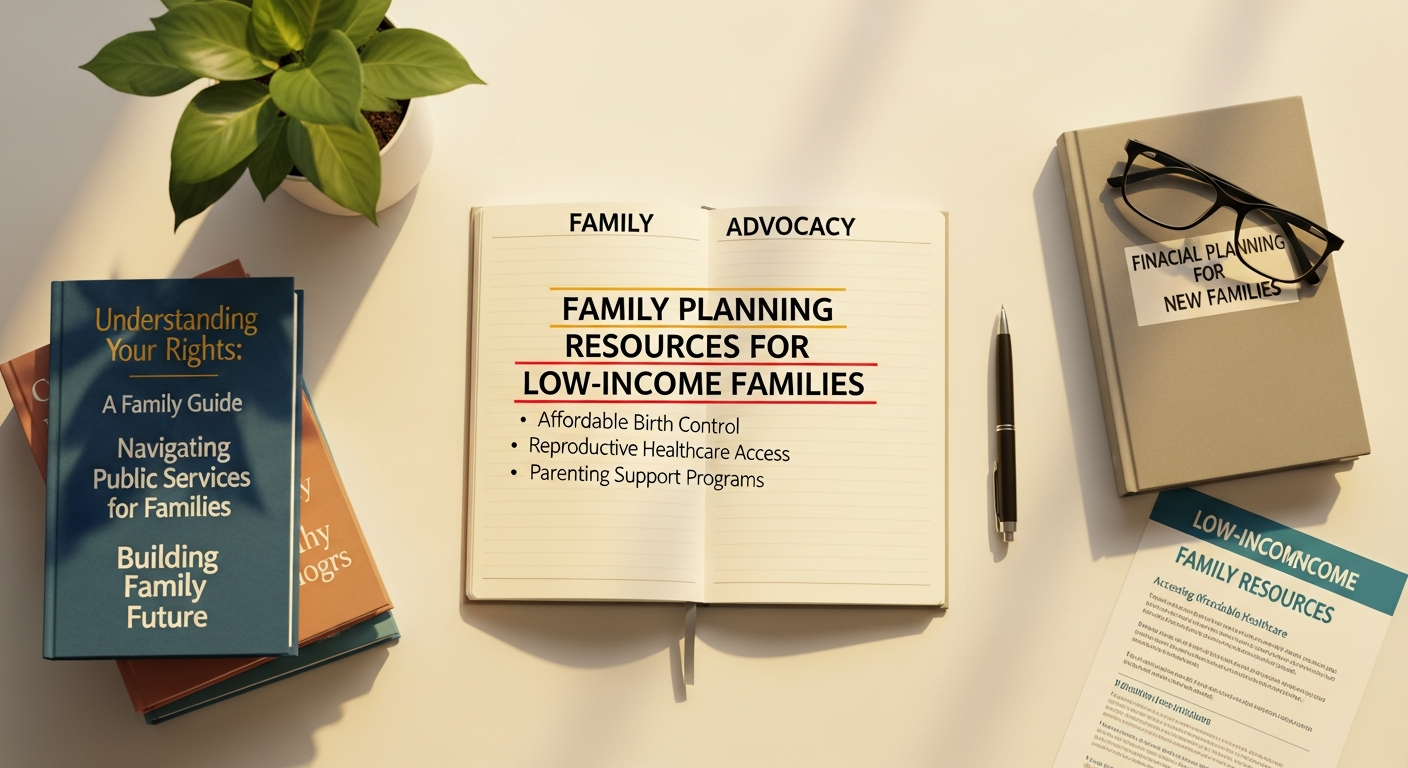
Beyond the major federal and state programs, a vast network of community-based clinics and non-profit organizations plays a pivotal role in delivering family planning resources for low-income individuals. These local entities are often the frontline providers, offering accessible, culturally competent care within the neighborhoods they serve. They are crucial for reaching those who might face additional barriers, such as lack of transportation, language differences, or a mistrust of larger healthcare systems.
Federally Qualified Health Centers (FQHCs)
Federally Qualified Health Centers (FQHCs)
are community-based healthcare providers that receive federal funds to provide primary care services in underserved areas. A core mission of FQHCs is to deliver comprehensive primary and preventive care, including extensive family planning services, regardless of a patient’s ability to pay. FQHCs operate on a sliding fee scale, meaning that fees for services are adjusted based on a patient’s income and family size. For those living significantly below the poverty line, services may be free or have a nominal charge.
The range of family planning services typically offered at FQHCs includes:
- All forms of contraception, including long-acting reversible contraceptives (LARCs)
- STI testing, treatment, and counseling
- Cervical cancer screenings (Pap tests) and breast exams
- Pregnancy testing and options counseling
- Preconception care and basic infertility services
- Health education and risk reduction counseling
Many FQHCs also offer integrated services, meaning you can access family planning alongside dental care, mental health services, and chronic disease management, providing a holistic approach to patient well-being. Their commitment to serving all individuals, including the uninsured and underinsured, makes them an indispensable resource.
Planned Parenthood Health Centers
Planned Parenthood
is one of the nation’s leading providers of high-quality, affordable healthcare, including family planning and reproductive health services. With hundreds of health centers across the country, Planned Parenthood is a critical access point for millions, especially those with low incomes. They offer a comprehensive range of services, often on a sliding fee scale or through state and federal programs like Medicaid and Title X, which many Planned Parenthood centers are funded by.
Their services include:
- Birth control methods and counseling
- STI testing and treatment, including HIV services
- Cancer screenings (Pap tests, clinical breast exams)
- Pregnancy testing, options counseling, and prenatal care referrals
- Abortion services (where legal and available)
- Gender-affirming hormone therapy (in some locations)
Planned Parenthood is known for its commitment to patient privacy, comprehensive education, and compassionate care, making it a trusted resource for many individuals seeking reproductive health services, regardless of their financial situation or background.
Local Health Departments and Non-Profit Organizations
Beyond FQHCs and Planned Parenthood, many
local health departments
and smaller, community-specific
non-profit organizations
also provide vital family planning resources. Local health departments often offer specific clinics for STI testing, immunization (including the HPV vaccine), and basic family planning services, sometimes at no cost or for a very low fee. These departments are funded by state and local taxes and are geared towards public health initiatives.
Numerous smaller non-profits often focus on particular demographics or specific needs within a community. For instance, some organizations might specialize in supporting teen parents, providing culturally sensitive care to immigrant populations, or offering specialized services for survivors of domestic violence. These organizations often rely on grants, donations, and volunteer efforts to provide free or low-cost services, including:
- Health education workshops
- Referrals to specialists
- Transportation assistance to appointments
- Interpretation services
- Access to free or low-cost contraceptives and reproductive health supplies
To find these local resources, individuals can:
- Contact their local or county health department.
- Search online for “low-cost clinics near me” or “free family planning services [your city/state].”
- Utilize online directories provided by organizations like the National Family Planning & Reproductive Health Association (NFPRHA) or the National Association of Community Health Centers (NACHC).
- Ask for referrals from trusted community leaders, social workers, or school nurses.
By tapping into this rich ecosystem of community-based support, low-income individuals can often find accessible, compassionate, and affordable family planning resources tailored to their specific needs.
Beyond Contraception: Comprehensive Services and Preventive Care, Including HPV Vaccine Importance Guide
While contraception is a cornerstone of family planning, the scope of reproductive health for low-income individuals extends far beyond preventing pregnancy. Comprehensive family planning resources encompass a wide array of preventive health services that are crucial for long-term well-being. These services are often available through the same federal, state, and community programs previously discussed, ensuring holistic care is accessible.
STI Testing and Treatment
Sexually transmitted infections (STIs) pose a significant public health challenge, with disproportionate impacts on low-income communities due to various systemic barriers to testing and treatment. Comprehensive family planning clinics offer confidential and affordable STI testing for common infections like chlamydia, gonorrhea, syphilis, herpes, and HIV. Early detection and prompt treatment are vital not only to cure the infection and alleviate symptoms but also to prevent long-term health complications, such as infertility, chronic pain, and increased susceptibility to other infections, including HIV. Counseling on safe sex practices and risk reduction is also a standard component of these services, empowering individuals to protect their sexual health proactively.
Cancer Screenings
Preventive screenings for reproductive cancers are a critical part of comprehensive care.
- Cervical Cancer Screening: Regular Pap tests (Papanicolaou tests) are essential for detecting abnormal cervical cells before they develop into cancer. For low-income individuals, these screenings are typically covered by Medicaid, Title X, FQHCs, and Planned Parenthood. Early detection significantly increases the chances of successful treatment.
- Breast Cancer Screening: Clinical breast exams are often part of a routine gynecological visit, and for women over a certain age or with specific risk factors, mammograms may be recommended. While mammograms are often covered by Medicaid, some clinics may offer referrals to low-cost or free screening programs.
- Other Screenings: Depending on individual risk factors, other screenings for ovarian or uterine cancers may be discussed or referred.
These screenings are lifesavers, catching potential cancers at their most treatable stages.
The HPV Vaccine Importance Guide: A Critical Preventative Measure
One of the most significant advancements in preventive reproductive health is the Human Papillomavirus (HPV) vaccine. Understanding the
HPV Vaccine Importance Guide
is paramount, especially for low-income families, as this vaccine can prevent several types of cancer.
- What is HPV? HPV is a very common virus that is passed through intimate skin-to-skin contact. Most people will get HPV at some point in their lives. While most HPV infections clear on their own, certain high-risk types can cause cancers of the cervix, vagina, vulva, penis, anus, and back of the throat (oropharynx).
- The Vaccine’s Role: The HPV vaccine protects against the types of HPV that most commonly cause these cancers and genital warts. It is most effective when given before exposure to the virus, ideally around ages 11 or 12, but it is recommended for everyone through age 26 if they haven’t been vaccinated already. Some adults aged 27 through 45 who were not adequately vaccinated might also decide to get the HPV vaccine after speaking with their clinician about their risk for new HPV infection and the potential benefits of vaccination.
- Access for Low-Income Individuals: The HPV vaccine is widely available through various programs designed to support low-income families.
- Vaccines for Children (VFC) Program: This federal program provides vaccines at no cost to children aged 18 and younger who are Medicaid-eligible, uninsured, underinsured, or American Indian/Alaska Native. This ensures that the primary target age group for HPV vaccination can receive it without financial burden.
- Medicaid and CHIP: For eligible individuals, Medicaid and CHIP typically cover the HPV vaccine.
- FQHCs and Local Health Departments: These community clinics often provide the HPV vaccine, sometimes on a sliding scale or at no cost, especially if they participate in the VFC program.
Encouraging vaccination against HPV is a crucial public health strategy to reduce the incidence of preventable cancers, and ensuring access for low-income families is a key component of equitable healthcare access.
Preconception Care and Family Building
Even if an individual is not currently planning a pregnancy, preconception care is a valuable component of reproductive health. This includes discussions about nutrition, chronic disease management, medication safety, and genetic counseling, all aimed at optimizing health for any future pregnancies. For those struggling with infertility, some family planning clinics offer basic diagnostic services and referrals to specialists, helping low-income individuals navigate potentially complex and expensive treatments. Some clinics might also offer guidance on adoption resources or other family-building pathways.
By offering these diverse services—from STI testing and cancer screenings to the vital HPV vaccine and preconception care—family planning resources for low-income individuals provide a robust safety net that promotes holistic health and empowers individuals to make informed decisions about their bodies and futures.
Inclusive Care: Addressing LGBTQ+ Family Planning Options for Low-Income Families
Family planning is a deeply personal journey, and for lesbian, gay, bisexual, transgender, queer, and other gender-diverse (LGBTQ+) individuals and families, this journey can present unique considerations and challenges. Ensuring access to inclusive, affirming, and affordable
LGBTQ+ family planning options
is a critical aspect of equitable healthcare, especially for low-income members of these communities who often face compounded barriers. In 2026, progressive healthcare systems and advocacy groups are increasingly recognizing and addressing these specific needs.
Understanding Diverse Family Planning Needs
For LGBTQ+ individuals, family planning extends beyond traditional notions of contraception and pregnancy prevention. It encompasses a spectrum of services tailored to their specific biological, social, and emotional realities:
- Fertility Services and Assisted Reproductive Technology (ART): Many LGBTQ+ individuals and couples seek to build families through ART, such as in vitro fertilization (IVF), intrauterine insemination (IUI), reciprocal IVF (for lesbian couples), and surrogacy. While these services can be incredibly expensive, some family planning clinics and FQHCs are beginning to offer basic infertility screenings, counseling, and referrals to more affordable options or programs designed to reduce costs for low-income individuals. Some states are also exploring mandates for insurance coverage of infertility treatments that are inclusive of LGBTQ+ families.
- Adoption and Foster Care Support: For many LGBTQ+ individuals, adoption or fostering is the primary path to parenthood. While not a direct medical service, comprehensive family planning resources should include referrals to LGBTQ+-inclusive adoption agencies and support networks that can guide low-income families through the often complex and costly process.
- Gender-Affirming Care and Reproductive Health: For transgender and gender-diverse individuals, reproductive health needs are often intertwined with gender-affirming care. Transgender men may still require gynecological screenings (Pap tests, pelvic exams) if they have a cervix, even if they are taking testosterone. Transgender women may need prostate health screenings. Family planning clinics that offer gender-affirming hormone therapy (GAHT) also need to counsel patients on its impact on fertility and offer options for fertility preservation, which can be a significant cost for low-income individuals.
- STI Prevention and Treatment: While STIs affect all populations, specific risks and prevention strategies may vary within LGBTQ+ communities. Inclusive clinics provide targeted education, testing, and treatment without judgment, recognizing diverse sexual practices.
- Contraception and Safer Sex: Contraceptive needs are also diverse. For example, lesbian and bisexual women may still require contraception to prevent unintended pregnancies if they have sex with men, and transgender men who have not had a hysterectomy may also need contraception. Comprehensive clinics offer non-judgmental counseling on all forms of contraception and safer sex practices relevant to all sexual orientations and gender identities.
Addressing Barriers and Ensuring Inclusive Access
Low-income LGBTQ+ individuals often face unique barriers to accessing family planning resources:
- Discrimination and Stigma: Fear of discrimination or judgment from healthcare providers can prevent LGBTQ+ individuals from seeking care. Clinics committed to inclusive care employ staff trained in LGBTQ+ competency, use gender-neutral language, and display visible signs of affirmation.
- Lack of Culturally Competent Providers: Finding providers who understand the specific health needs and social determinants of health for LGBTQ+ communities can be challenging. Advocacy groups like GLMA (Health Professionals Advancing LGBTQ Equality) often provide directories of affirming providers.
- Financial Strain: The costs associated with fertility treatments, legal processes for adoption, and gender-affirming care can be prohibitive for low-income LGBTQ+ families. Programs like Medicaid and Title X can help with basic family planning and preventive care, but specialized services often require additional financial navigation.
- Legal and Policy Challenges: In some areas, discriminatory laws or policies can complicate access to care or family recognition for LGBTQ+ individuals. Advocacy is ongoing to ensure legal protections and equitable access nationwide.
Finding Inclusive Family Planning Resources
To find affirming and affordable care, low-income LGBTQ+ individuals should:
- Seek Out LGBTQ+-Competent Clinics: Look for clinics that explicitly state their commitment to serving LGBTQ+ patients. Many FQHCs and Planned Parenthood centers have specific programs or trained staff for LGBTQ+ health.
- Utilize Online Directories: Websites from organizations like the Human Rights Campaign (HRC) Healthcare Equality Index, GLMA, and local LGBTQ+ community centers often list affirming providers and clinics.
- Ask for Referrals: Connect with local LGBTQ+ community centers, support groups, or trusted advocates for recommendations.
- Inquire About Sliding Scales and Financial Assistance: Even for specialized services, ask clinics about payment plans, sliding fee scales, or referrals to financial aid programs.
By prioritizing inclusive care and actively seeking out affirming resources, low-income LGBTQ+ individuals and families can overcome barriers and access the full spectrum of family planning options needed to build healthy, loving families and live authentically in 2026.
Empowering Your Journey: Steps to Accessing Family Planning Resources for Low-Income Families
Navigating the healthcare system, especially when facing financial constraints, can feel overwhelming. However, armed with the right information and a proactive approach, low-income individuals can successfully access the comprehensive family planning resources they need. Empowering your journey means understanding the steps to take, knowing what questions to ask, and persisting until you find the right support.
Step 1: Assess Your Eligibility for Programs
The first crucial step is to determine your eligibility for federal and state assistance programs.
- Medicaid and CHIP: Visit your state’s Medicaid website or HealthCare.gov to learn about current income requirements and application procedures. Eligibility rules for Medicaid vary by state, and some states have expanded Medicaid coverage under the Affordable Care Act, making more low-income adults eligible.
- Title X Program: Remember that Title X-funded clinics serve individuals regardless of income, but services are offered on a sliding fee scale. If your income is at or below 100% of the Federal Poverty Level, services are often free. You don’t need to formally apply for a program; you simply visit a Title X clinic.
- Vaccines for Children (VFC) Program: If you have children or are under 19, inquire about the VFC program for vaccinations, including the HPV vaccine, at your local health department or FQHC.
Gather necessary documents such as proof of income (pay stubs, tax returns), identification, and proof of residency, as these will be needed for applications or to establish a sliding fee scale.
Step 2: Locate Accessible Clinics and Providers
Once you have an idea of your eligibility, the next step is to find clinics that offer family planning resources for low-income individuals in your area.
- Online Search: Use search terms like “low-cost family planning clinic near me,” “Title X clinic [your city/state],” “FQHC [your city/state],” or “Planned Parenthood [your city/state].”
- Official Websites: Check the Office of Population Affairs (OPA) website for a Title X clinic locator. The National Association of Community Health Centers (NACHC) website can help you find FQHCs.
- Local Health Department: Your local or county health department is an excellent resource for information on local clinics, services, and community programs. They can often provide a list of providers who offer reduced-cost services.
- Community Organizations: Reach out to local non-profits, women’s health centers, LGBTQ+ centers, or immigrant rights organizations. They often have direct knowledge of accessible and culturally competent providers.
When you call, specifically ask if they accept Medicaid, offer a sliding fee scale, or participate in programs like Title X.
Step 3: Prepare for Your Appointment
Before your visit, gather important information and prepare questions.
- Health History: Be ready to discuss your medical history, current medications, allergies, and sexual health history.
- List Your Questions: Write down any questions you have about contraception options, STI testing, cancer screenings, fertility concerns, or other reproductive health needs. Don’t be afraid to ask about the HPV Vaccine Importance Guide if you or your children haven’t been vaccinated.
- Proof of Income: Bring documentation that can verify your income and family size if you plan to utilize a sliding fee scale.
- Insurance Information: If you have Medicaid or another form of insurance, bring your insurance card.
- Transportation and Childcare: Plan for transportation to and from your appointment. If childcare is a barrier, ask the clinic if they have resources or recommendations.
Step 4: Advocate for Your Needs
During your appointment, remember that you have the right to respectful, comprehensive care.
- Be Open and Honest: Share all relevant health information with your provider. This allows them to offer the best and most appropriate care.
- Ask for Clarification: If you don’t understand something, ask your provider to explain it in simpler terms.
- Discuss All Options: Explore all available family planning methods and services that align with your health goals and lifestyle. Don’t hesitate to ask about specific concerns, such as “What Is Reproductive Health” in a broader sense, or specific “LGBTQ+ Family Planning Options.”
- Inquire About Costs: Always confirm the cost of services and any follow-up appointments or prescriptions. Ask about financial assistance programs or payment plans if needed.
- Seek Referrals: If a clinic cannot provide a specific service (e.g., specialized fertility treatments or comprehensive gender-affirming care), ask for referrals to other low-cost providers or programs.
Step 5: Follow Through with Care
Your journey doesn’t end after one appointment.
- Adhere to Treatment Plans: Follow your provider’s recommendations for medication, follow-up appointments, and preventive screenings.
- Stay Informed: Continue to educate yourself about reproductive health and available resources. Protect Families Protect Choices will continue to provide updates and information in 2026 and beyond.
- Know Your Rights: Be aware of your patient rights and know where to report any instances of discrimination or substandard care.
By taking these proactive steps, low-income individuals can effectively navigate the system and access the vital family planning resources necessary for their health, empowerment, and the well-being of their families. Your reproductive health is a priority, and with these resources, you can take control of your future.
Frequently Asked Questions
Recommended Resources
Check out Benefits Of Reading Books Daily on Diaal News for a deeper dive.
You might also enjoy Metal Stamping Manufacturing Process from Mitsubishi Manufacturing.