Understanding the Foster Care System: A Foundation for Advocacy
The foster care system, at its core, is a temporary arrangement established by state and federal laws to ensure the safety and well-being of children who cannot remain in their homes due to abuse, neglect, or other significant family challenges. It is not intended to be a permanent solution, but rather a bridge to a stable, loving, and legally recognized permanent home. The overarching goal is always permanency, which can take several forms: safe reunification with biological parents, adoption by relatives or non-related individuals, or legal guardianship.
When we talk about the foster care system explained, it’s vital to recognize that it operates under a principle known as “the best interests of the child.” Every decision, from initial placement to long-term planning, is theoretically guided by what will provide the child with the most stable, nurturing, and developmentally appropriate environment. This involves a delicate balance of protecting children from harm while also respecting the fundamental rights of biological parents and striving for family preservation whenever safely possible. The system is managed primarily by state or local child welfare agencies, often in collaboration with private organizations and a network of dedicated foster families.
The legal framework supporting foster care is robust, involving court oversight to ensure due process and accountability. Children typically enter foster care through a court order, following an investigation by Child Protective Services (CPS) or a similar agency that determines a child is unsafe in their current home. Once a child is placed in foster care, a comprehensive case plan is developed. This plan outlines the steps necessary to achieve permanency, whether it’s providing services to biological parents for reunification or identifying alternative permanent placements. The system is designed to be dynamic, adapting to the evolving needs of children and families, and is constantly under scrutiny and reform efforts aimed at improving outcomes. For advocates, understanding these foundational aspects is critical to identifying areas where support, resources, and policy changes can make the most significant difference.
The Journey into Foster Care: Why Children Need Protection
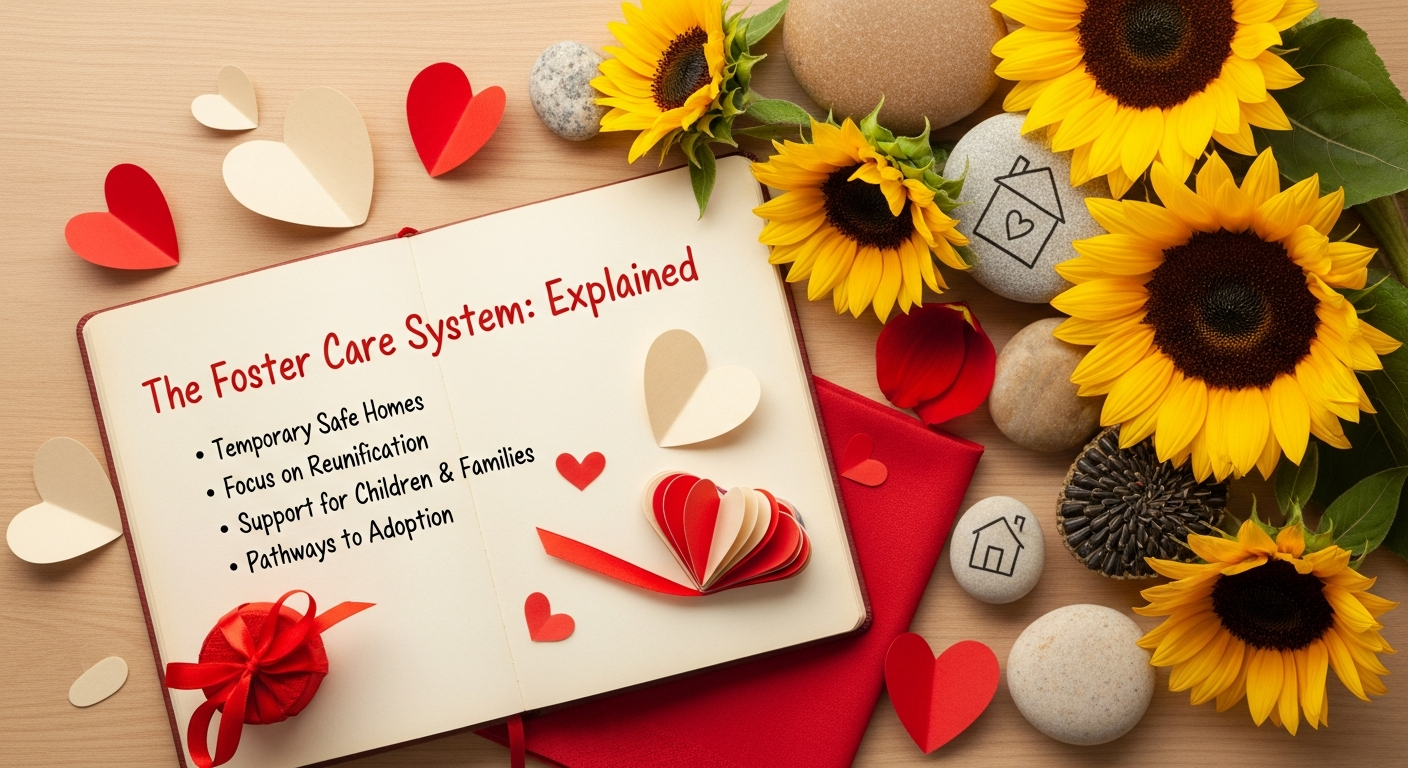

A child’s entry into the foster care system is almost always precipitated by difficult circumstances, signaling a breakdown in the protective environment that every child deserves. While the specific reasons vary, they generally fall into categories that indicate an inability of biological parents or guardians to provide adequate safety, supervision, or care. Understanding these underlying causes is essential for developing effective prevention strategies and compassionate intervention.
Abuse and Neglect: The Primary Drivers
The most common reasons children enter foster care are substantiated cases of abuse and neglect. These are not merely unfortunate events but often violations of a child’s fundamental rights to safety and well-being:
- Physical Abuse: Involves non-accidental harm to a child’s body, ranging from bruises and broken bones to more severe injuries.
- Emotional Abuse: Less visible but equally damaging, including chronic verbal assaults, terrorizing, isolating, or failing to provide psychological support.
- Sexual Abuse: Any sexual act involving a child, which can inflict profound and lasting trauma.
- Neglect: This is the most prevalent form of maltreatment leading to foster care. It involves a caregiver’s failure to provide for a child’s basic needs, which can include:
- Physical Neglect: Inadequate food, clothing, shelter, or supervision.
- Medical Neglect: Failure to provide necessary healthcare, dental care, or mental health services.
- Educational Neglect: Failure to enroll a child in school or ensure regular attendance.
- Emotional Neglect: Chronic inattention to a child’s emotional needs, leading to developmental delays and psychological distress.
These forms of maltreatment are often interconnected and can have devastating long-term consequences for a child’s development, mental health, and ability to form healthy attachments.
Parental Incapacity: When Caregivers Struggle
Beyond direct abuse or neglect, children may enter foster care when their biological parents are unable to provide adequate care due to their own significant challenges. These are often complex issues that require extensive support and intervention:
- Substance Abuse: Parental addiction to drugs or alcohol is a major factor, impairing judgment and the ability to consistently care for children. The chaotic environments created by substance abuse often lead to neglect or direct harm.
- Mental Health Challenges: Untreated or severe parental mental illness can make it difficult for caregivers to meet a child’s emotional, physical, and developmental needs consistently.
- Incarceration: When a parent is arrested or imprisoned, children may be left without a suitable caregiver.
- Homelessness or Extreme Poverty: While poverty alone is not a reason for foster care, the instability and lack of resources associated with it can exacerbate other risk factors, making it impossible for parents to provide a safe environment.
- Chronic Illness or Disability: In some cases, a parent’s severe health issues may render them physically or mentally unable to provide consistent care.
It’s crucial to understand that these circumstances are often cyclical and can be multigenerational, highlighting the need for comprehensive community support and early intervention programs to break these patterns and strengthen families before foster care becomes necessary.
Voluntary Placements and Other Circumstances
While less common, some children enter foster care through voluntary placements. In rare situations, parents may temporarily place their children with the child welfare system if they are facing an extreme crisis (e.g., severe medical emergency, homelessness, or imminent threat) and have no other safe options for their children. These placements are typically short-term and aimed at supporting family reunification once the crisis has passed.
Regardless of the specific reason, the moment a child enters foster care is a traumatic one, marked by separation from family, familiar surroundings, and often their entire support network. This underscores the critical need for trauma-informed care and immediate, compassionate support to help children navigate this profound life change, laying the groundwork for healing and stability within the foster care system explained by advocacy efforts like ours.
Types of Foster Care: Diverse Paths to Healing and Stability
Kinship Care: The Power of Family Connection
Kinship care involves placing a child with relatives or close family friends who have a pre-existing relationship with the child. This is often the preferred option because it allows children to maintain connections with their family, culture, and community, which can significantly reduce the trauma of removal. Research consistently shows that children in kinship care experience greater stability, better educational outcomes, and fewer behavioral problems compared to those placed with non-relatives. Kinship caregivers may receive financial assistance and support services similar to traditional foster parents, though policies vary by state. This model strongly aligns with the principle of family preservation and cultural continuity, which is paramount in child welfare.
Traditional Foster Care: A Nurturing Home
Traditional foster care refers to placement with licensed non-relative foster parents. These individuals or couples have gone through a rigorous screening and training process to ensure they can provide a safe, stable, and nurturing environment. Foster parents are critical to the system, offering daily care, emotional support, and a sense of normalcy during a child’s time in care. They work closely with social workers, biological parents (when reunification is the goal), and other professionals to ensure the child’s needs are met, including educational support, healthcare, and therapeutic services. This type of care requires immense dedication, patience, and a deep commitment to helping children heal and thrive.
Therapeutic Foster Care: Specialized Support for Complex Needs
For children who have experienced significant trauma, have complex medical conditions, or exhibit severe emotional and behavioral challenges, therapeutic foster care (also known as treatment foster care) provides a specialized level of support. Foster parents in this program receive extensive, ongoing training in trauma-informed care, behavioral management techniques, and often work as part of a clinical team. They are equipped to handle more intensive needs and provide a highly structured, therapeutic environment within a family setting. This model aims to help children process their trauma, develop coping skills, and achieve greater emotional stability, often preventing the need for more restrictive residential treatment.
Respite Care: A Vital Support System
Respite care offers short-term, temporary care for children in foster homes, providing primary foster parents with much-needed breaks. Respite caregivers are also licensed foster parents or certified individuals who step in for a few hours, a weekend, or sometimes longer, allowing primary caregivers to rest, attend to personal matters, or simply recharge. This type of care is crucial for preventing burnout among foster parents and ensuring their continued ability to provide high-quality care, thereby improving placement stability for children.
Foster-to-Adopt Placements: A Path to Permanency
When the permanency plan for a child shifts from reunification to adoption, and the child is already placed with foster parents who are willing and able to adopt, this is known as a foster-to-adopt placement. This pathway offers incredible stability and continuity for the child, as they avoid additional moves and maintain established relationships. It allows the child to transition from foster care to a permanent adoptive family with minimal disruption, often solidifying bonds that have already formed. This option is frequently pursued for children who have been in care for an extended period or for whom reunification is no longer a viable or safe option.
Each of these foster care types plays an indispensable role in the broader foster care system explained. They reflect a commitment to finding the right fit for every child, recognizing that one size does not fit all when it comes to healing and establishing a foundation for a brighter future. The diversity of these options also highlights the continuous need for a broad spectrum of caregivers willing to open their homes and hearts to children in need.
The Role of Key Players: A Collaborative Effort


The successful operation of the foster care system relies on a complex network of individuals and organizations, all working collaboratively, albeit sometimes with differing perspectives, to ensure the safety, well-being, and permanency of children. Understanding the roles of these key players is fundamental to appreciating the intricate dynamics of the system and identifying areas for improved coordination and support.
Child Welfare Agencies and Social Workers: The Case Managers
At the forefront are child welfare agencies (often state or county departments of child protective services or family and children’s services). These agencies are responsible for investigating reports of child abuse and neglect, determining if a child is unsafe, and initiating court proceedings if necessary. They oversee the entire foster care process, from initial placement to permanency planning.
Within these agencies, social workers are the primary case managers. They serve as the central point of contact for the child, foster parents, biological parents, and the court. Their responsibilities are extensive and include:
- Conducting assessments and investigations.
- Developing and implementing case plans for children and families.
- Facilitating visits between children and biological parents.
- Coordinating services such as therapy, education, and healthcare.
- Providing support and guidance to foster parents.
- Preparing court reports and testifying in court.
Social workers often carry heavy caseloads and operate under immense pressure, making their role both critical and challenging. Their dedication is vital to navigating the complexities of each child’s journey.
Foster Parents: The Heart of the System
Foster parents are arguably the most crucial component of the foster care system. They are the individuals or families who open their homes and hearts to children, providing day-to-day care, stability, emotional support, and a sense of belonging. Their role extends far beyond basic care; they are often responsible for:
- Meeting the child’s physical, emotional, and educational needs.
- Advocating for the child within schools and healthcare settings.
- Working cooperatively with social workers and other professionals.
- Supporting the child’s connections to their biological family when appropriate.
- Helping children process trauma and develop resilience.
Foster parenting is a demanding but profoundly rewarding commitment, requiring patience, empathy, and an unwavering belief in a child’s potential to heal and thrive. Without a robust network of foster families, the system cannot function effectively.
Biological Parents: The Path to Reunification
The role of biological parents in the foster care system is often complex and fraught with emotion. While their children are in foster care, parents typically have rights and responsibilities, and the child welfare system is legally mandated to work towards reunification unless it is deemed unsafe or not in the child’s best interest. Biological parents are often required to:
- Engage in services such as parenting classes, substance abuse treatment, mental health counseling, or domestic violence intervention.
- Attend regular supervised visits with their children.
- Demonstrate their ability to provide a safe and stable home.
The goal is to address the issues that led to the child’s removal, empowering parents to create a healthy environment for their children’s return. This focus on rehabilitation and support underscores the system’s commitment to family preservation whenever possible.
Guardians Ad Litem (GALs) and Attorneys: Championing the Child’s Best Interests
In court proceedings, children in foster care often have legal representation through a Guardian Ad Litem (GAL) or a court-appointed attorney. These individuals are independent advocates whose sole responsibility is to represent and protect the child’s best interests. They conduct independent investigations, interview all parties involved, and make recommendations to the court regarding placement, services, and permanency plans. Their role is vital in ensuring that the child’s voice is heard and that decisions are made with their long-term well-being at the forefront.
The Court System: Decision-Makers for Permanency
The juvenile or family court system plays a pivotal role in overseeing every stage of a child’s journey through foster care. Judges make critical decisions regarding initial placement, review case plans, determine the safety and appropriateness of reunification, and ultimately finalize permanency plans such as adoption or guardianship. The court ensures that legal protocols are followed and that the rights of all parties – children, biological parents, and foster parents – are upheld throughout the process. The legal oversight ensures accountability and provides a structured pathway toward achieving permanency for every child.
The success of the foster care system explained here hinges on these players working together effectively. Challenges often arise from communication breakdowns, resource limitations, or differing priorities, highlighting the continuous need for improved coordination, training, and support for everyone involved in this collaborative effort.
Supporting Children and Families: Beyond Basic Needs
While the immediate goal of foster care is to ensure a child’s safety and provide basic necessities, a truly effective system goes far beyond this. Comprehensive support for children and families involved in foster care must address a wide array of needs, focusing on healing, development, and long-term well-being. This holistic approach is crucial for breaking cycles of trauma and building resilient futures.
Holistic Healthcare and Well-being
Access to comprehensive healthcare is paramount for children in foster care, many of whom arrive with unmet medical, dental, and mental health needs. This includes regular physical examinations, immunizations, vision and hearing screenings, and specialized care for chronic conditions. Beyond immediate physical health, addressing mental and emotional well-being is critical. Children in foster care have often experienced significant trauma, necessitating access to trauma-informed therapy, counseling, and psychiatric services tailored to their individual needs. Early intervention and consistent access to mental health support can mitigate the long-term effects of trauma and foster healthy emotional development.
For older youth in care, understanding their bodies and choices is especially important. Comprehensive education on What Is Reproductive Health is vital, covering topics like puberty, healthy relationships, contraception, and the prevention of sexually transmitted infections. Providing accurate, age-appropriate information empowers them to make informed decisions about their bodies and futures. This education should be inclusive and supportive of all identities and choices. Furthermore, for foster parents and biological parents working towards reunification, access to preventative health screenings, such as those detailed in a Breast Health And Mammogram Guide, is essential. Healthy caregivers are better equipped to provide stable and nurturing environments, underscoring that the well-being of the entire family unit contributes to a child’s success.
Education and Developmental Support
Ensuring educational stability and success is a significant challenge and a primary focus. Children in foster care often experience frequent school changes, which can disrupt their learning and social development. The system strives to minimize these disruptions, ensure timely school enrollment, and advocate for educational support services, including tutoring, special education assessments, and individualized education programs (IEPs) when needed. Beyond formal schooling, access to extracurricular activities, mentorship programs, and opportunities for creative expression are vital for a child’s holistic development and building self-esteem.
Life Skills and Transitioning to Adulthood
For older youth approaching the age of emancipation (typically 18 or 21, depending on the state), developing essential life skills is critical for a successful transition to independent living. Programs often focus on financial literacy, job readiness, housing stability, healthy cooking, and navigating public services. These services aim to equip youth with the tools they need to thrive as adults, reducing the risk of homelessness, unemployment, and other challenges often faced by those aging out of care. This also includes providing information and resources on diverse family planning options, including those relevant to the LGBTQ Family Planning Options, ensuring that all youth, regardless of sexual orientation or gender identity, are aware of pathways to building their own families and futures, if they choose, in a safe and informed manner. This comprehensive support aligns with our blog’s commitment to protecting choices for all families.
Family Reunification and Preservation Services
When reunification is the goal, extensive services are offered to biological parents to address the issues that led to their child’s removal. These can include:
- Parenting classes to develop effective discipline and nurturing techniques.
- Substance abuse treatment and recovery programs.
- Mental health counseling and support for managing conditions.
- Housing assistance and employment support to establish stability.
- Domestic violence intervention and safety planning.
These services are designed to empower parents to create a safe, stable, and nurturing environment for their children’s return. The success of reunification often hinges on the availability and accessibility of these vital support systems, which prevent children from re-entering the system.
Ultimately, supporting children and families in foster care means recognizing their inherent dignity and providing the resources necessary for them to heal, grow, and build stable, fulfilling lives. It’s about more than just a roof over their heads; it’s about investing in their future and fostering resilience within all family structures involved in the foster care system explained with compassion and advocacy.
The Impact and Future of Foster Care: Challenges and Opportunities for 2026
The foster care system, while indispensable for child protection, faces ongoing challenges that significantly impact the lives of children and families. However, these challenges also present crucial opportunities for reform and innovation as we look toward 2026 and beyond, striving for a more effective and humane system.
Persistent Challenges within the System
One of the most profound challenges is the sheer volume of children entering the system, often coupled with an insufficient number of available foster homes, particularly for older youth, sibling groups, and children with complex needs. This shortage can lead to multiple placements for children, disrupting their education, relationships, and sense of stability, further exacerbating trauma.
Caseworker turnover is another significant issue. High caseloads, demanding work, and emotional stress contribute to burnout among social workers, leading to frequent changes in case managers for children. This lack of continuity can hinder trust-building, delay service provision, and impede progress toward permanency.
The overburdened court system and bureaucratic delays also contribute to children lingering in foster care for extended periods, rather than achieving timely permanency. Each delay means more time spent in limbo, prolonging the uncertainty for children and families.
Furthermore, the stigma associated with foster care affects both children and biological families. Children in care may face social isolation or discrimination, while biological parents often struggle with judgment, which can hinder their engagement in reunification services. This stigma also contributes to a lack of public understanding and support for the system.
Finally, insufficient funding and resources often limit the scope and quality of preventive services, family support programs, and post-reunification support. Investing in these areas upfront can significantly reduce the need for foster care placements and improve long-term outcomes for families.
Opportunities for Innovation and Reform in 2026
Despite these challenges, there are significant opportunities for positive change and reform. As we approach 2026, advocacy efforts are increasingly focused on several key areas:
- Prevention and Early Intervention: Shifting focus and resources towards community-based programs that support families before crises escalate. This includes mental health services, substance abuse treatment, parenting support, and housing assistance, aiming to keep families safely together.
- Trauma-Informed Care: Expanding the implementation of trauma-informed practices across all levels of the system, from initial contact with children and families to training for foster parents and social workers. This approach recognizes the widespread impact of trauma and integrates knowledge about it into policies, procedures, and practices.
- Recruiting Diverse Foster Families: Launching targeted campaigns to recruit a more diverse pool of foster parents, including LGBTQ+ individuals and couples, single parents, and families from various cultural and ethnic backgrounds. This ensures that children can be placed with families who reflect their own identities and experiences, providing culturally competent care and affirming environments.
- Enhanced Support for Kinship Care: Strengthening policies and financial support for kinship caregivers, recognizing their invaluable role in maintaining family connections and providing stability. This includes providing them with the same resources and training offered to non-relative foster parents.
- Technological Advancements: Utilizing technology to improve case management, data tracking, and communication among all stakeholders, leading to more efficient processes and better-informed decisions.
- Youth Voice and Empowerment: Actively involving youth who have lived experience in foster care in policy development, program design, and advocacy efforts. Their insights are invaluable for creating a system that truly meets their needs and promotes their well-being.
- Legislative Reforms: Advocating for state and federal legislative changes that prioritize timely permanency, increase funding for evidence-based programs, and support comprehensive services for youth aging out of care.
The future of the foster care system explained here is not just about managing crises but about proactively building stronger, healthier families and communities. By embracing innovation, investing in people, and prioritizing the well-being and choices of every child and family, we can transform the foster care landscape for 2026 and beyond, ensuring it truly lives up to its mandate of protecting vulnerable children.
How You Can Make a Difference: Advocacy and Action
Understanding the complexities of the foster care system is the first step; taking action is the next. At Protect Families Protect Choices, we believe that every individual has the power to contribute to a stronger, more supportive system for children and families. Your involvement, no matter how big or small, can create a ripple effect of positive change.
Become a Foster Parent
This is arguably the most direct and impactful way to help. There is a critical and ongoing need for loving, stable homes for children of all ages, backgrounds, and needs. If you have room in your heart and home, consider becoming a licensed foster parent. Agencies are actively seeking diverse families, including single individuals, couples, and members of the LGBTQ+ community. This commitment provides immediate safety, nurturing, and stability to a child in crisis.
Support Foster and Kinship Families
If becoming a foster parent isn’t feasible, there are many ways to support those who do:
- Volunteer: Offer to provide respite care, babysit, mentor a child, or help with transportation.
- Donate: Provide financial support to organizations that supply foster families with essential items like clothing, school supplies, or holiday gifts.
- Join a Support Group: Offer emotional support and practical help to foster parents in your community.
- Advocate for Kinship Care: Support policies and funding that provide kinship caregivers with the resources they need to care for their relatives.
Mentor Youth Aging Out of Care
Youth transitioning out of foster care often lack the natural support networks many young adults rely on. Becoming a mentor can provide invaluable guidance, friendship, and practical advice as they navigate independent living, education, and career paths. A consistent, caring adult presence can make a profound difference in their success and well-being.
Advocate for Policy Changes
Your voice matters in shaping the future of foster care. Engage in advocacy by:
- Contacting Legislators: Express your support for legislation that increases funding for child welfare, promotes family preservation, improves services for youth aging out, or recruits more foster families.
- Educating Your Community: Share accurate information about the foster care system, challenging misconceptions and reducing stigma.
- Supporting Organizations: Donate to or volunteer with advocacy groups working for systemic reform and better outcomes for children in foster care.
Spread Awareness and Challenge Stigma
Help foster a more informed and compassionate public discourse about foster care. Speak out against negative stereotypes, share success stories, and highlight the resilience of children and families involved in the system. Encourage empathy and understanding rather than judgment.
The foster care system explained here highlights both its vital role and its inherent challenges. By choosing to act, whether through direct care, support, or advocacy, you contribute to a future where every child has the opportunity to thrive in a safe, permanent, and loving home, and where families are empowered to make choices that lead to their greatest well-being. Your commitment helps Protect Families and Protect Choices for
Recommended Resources
Check out How To Lose Weight Without Dieting on Diaal News for a deeper dive.
Explore Just In Time Manufacturing Explained for additional insights.