The Urgency and Impact of Teen Pregnancy Prevention
The imperative to prevent teen pregnancy extends far beyond individual choices; it is a critical public health and social justice issue with wide-ranging consequences. While rates of teen pregnancy in many developed nations have seen significant declines over the past few decades, the challenge remains, particularly among certain demographic groups and in specific geographic regions. The impact of early childbearing on adolescent parents can be profound, often leading to interrupted education, limited economic opportunities, and increased health risks for both the young parent and their child. For society, unchecked rates of teen pregnancy can strain social services, contribute to cycles of poverty, and hinder overall community development. Therefore, robust and accessible teen pregnancy prevention programs are not just beneficial; they are essential for fostering resilient communities and ensuring equitable opportunities for all young people.
Understanding the full scope of this issue requires acknowledging the systemic factors that contribute to higher rates of teen pregnancy, including socioeconomic disparities, lack of access to comprehensive sexual health education, and limited healthcare services. Adolescents from low-income backgrounds, rural areas, and certain racial and ethnic minority groups often face disproportionately higher risks. These disparities underscore the need for prevention strategies that are not only effective but also equitable, culturally sensitive, and tailored to meet the diverse needs of all young people. Comprehensive approaches recognize that preventing teen pregnancy is intertwined with broader goals of youth development, educational attainment, and economic empowerment, creating a ripple effect of positive change throughout communities.
- Educational Disruption: Teen parents are less likely to complete high school and pursue higher education, impacting their future earning potential.
- Health Risks: Young mothers and their babies face higher risks of complications during pregnancy and childbirth, as well as poorer health outcomes in general.
- Economic Strain: Early parenthood often leads to financial instability, perpetuating cycles of poverty for young families.
- Social Determinants: Factors like poverty, lack of resources, and limited access to healthcare disproportionately affect vulnerable youth.
Understanding Comprehensive Teen Pregnancy Prevention Programs

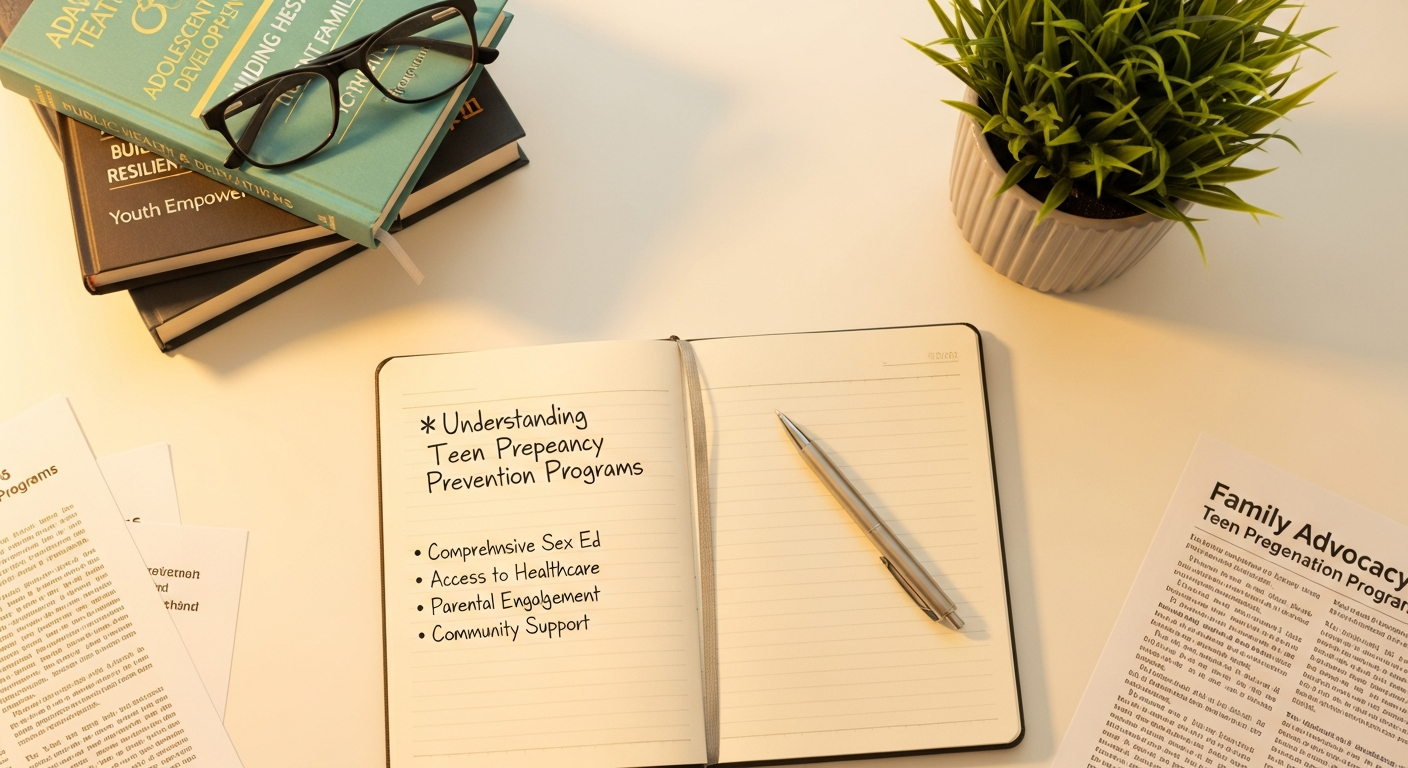
Effective teen pregnancy prevention programs are multifaceted and go far beyond simply providing information about contraception. They are built upon a foundation of comprehensive sexual health education, youth development principles, and community support. These programs recognize that adolescents are navigating a complex period of physical, emotional, and social development, and their decisions are influenced by a myriad of factors including peer pressure, media, family values, and cultural norms. A truly comprehensive program empowers young people with the knowledge, skills, and confidence to make responsible choices about their bodies and their futures.
Central to this understanding is the concept of What Is Reproductive Health. This encompasses not just the prevention of pregnancy and STIs, but a holistic view of well-being related to the reproductive system throughout a person’s life. For teens, understanding reproductive health means learning about puberty, anatomy, menstruation, contraception, consent, healthy relationships, and the prevention of sexually transmitted infections (STIs). It’s about fostering a positive and informed perspective on one’s own body and the ability to make autonomous decisions. Programs that only focus on abstinence, while a valid choice for some, have been shown to be less effective in reducing overall teen pregnancy rates compared to those that provide a full spectrum of information and options.
Furthermore, comprehensive programs often integrate elements of life skills training, including decision-making, communication, negotiation, and goal-setting. These skills are crucial for young people to navigate social pressures, establish healthy boundaries, and plan for their future, whether that involves education, career, or family formation. By addressing the broader context of adolescent development, these programs equip teens not just to avoid pregnancy, but to succeed in all aspects of their lives. They foster environments where young people feel supported, respected, and empowered to take control of their own health and well-being.
Key Components of Effective Programs
Education and Reproductive Health Literacy
At the core of any effective prevention strategy is comprehensive education. This is not limited to biology but extends to a nuanced understanding of What Is Reproductive Health. Such education should be age-appropriate, medically accurate, and inclusive, covering topics such as human anatomy and physiology, puberty, contraception methods (including their effectiveness, proper use, and accessibility), STI prevention, healthy relationships, consent, and responsible decision-making. Programs that integrate these elements help young people understand their bodies, respect others, and navigate intimate relationships safely and positively. Education also includes understanding the responsibilities and challenges associated with parenting, providing a realistic perspective on early childbearing. It moves beyond mere factual dissemination to foster critical thinking and communication skills essential for navigating complex situations.
Access to Contraceptive Services
Knowledge without access is insufficient. Therefore, effective programs ensure that adolescents have confidential and affordable access to a full range of contraceptive methods, including long-acting reversible contraceptives (LARCs) such as IUDs and implants, condoms, and other hormonal methods. This access must be coupled with clear, non-judgmental information from healthcare providers who are trained to work with young people. Removing barriers such as cost, parental consent requirements (where appropriate and legal), and transportation challenges is crucial. When young people have easy access to contraception, they are significantly more likely to use it consistently and correctly, thereby reducing unintended pregnancies. This component also involves educating teens about where to access these services and how to communicate effectively with healthcare providers about their needs.
Youth Development and Life Skills
Beyond sexual health specifics, robust programs focus on holistic youth development. This includes fostering critical life skills such as goal-setting, future planning, decision-making, problem-solving, and effective communication. Programs that build self-esteem, self-efficacy, and a sense of purpose empower young people to envision and pursue futures that may not include early childbearing. By helping teens develop strong coping mechanisms and resilience, these programs enable them to resist peer pressure, make autonomous choices, and navigate challenges without resorting to risky behaviors. Mentorship, academic support, and vocational training components can also be integrated to provide alternative pathways and demonstrate the tangible benefits of delaying parenthood.
Parental and Community Engagement
While youth-centered, the most impactful programs recognize the vital role of parents, families, and the broader community. Engaging parents in open, honest conversations about sexual health and providing them with resources to discuss these topics with their children can significantly reinforce prevention messages. Community involvement includes support from schools, faith-based organizations, local government, and healthcare systems to create an environment that champions adolescent health and well-being. This collaborative approach helps to destigmatize discussions around sexual health, build a network of support for young people, and ensure that prevention efforts are culturally appropriate and sustainable within the local context. Family advocacy, as championed by Protect Families Protect Choices, plays a crucial role in bridging these components, fostering dialogue and action.
Addressing Disparities and Inclusivity


For teen pregnancy prevention programs to be truly effective and equitable, they must intentionally address existing disparities and ensure inclusivity for all young people. Not all adolescents face the same challenges or have the same access to resources, and a one-size-fits-all approach will inevitably leave vulnerable populations behind. Understanding and responding to the unique needs of diverse youth populations is paramount to achieving widespread success.
Supporting LGBTQ+ Youth and Family Planning Options
One critical area of inclusivity involves supporting LGBTQ+ youth. While discussions around teen pregnancy often focus on heterosexual relationships, LGBTQ+ adolescents also engage in sexual activity and require comprehensive sexual health information and services. Prevention programs must be explicitly inclusive, using gender-neutral language and acknowledging diverse sexual orientations and gender identities. This means providing information on all forms of safer sex, including those relevant to same-sex relationships, and addressing the specific health disparities that LGBTQ+ youth often face, such as higher rates of STIs due to lack of targeted information and stigma in healthcare settings. Furthermore, when discussing Lgbtq Family Planning Options, it’s important to recognize that for these youth, family planning extends beyond contraception to encompass future family building through adoption, surrogacy, or assisted reproductive technologies, often later in life. Programs should foster an environment where LGBTQ+ youth feel safe, respected, and understood, ensuring they receive care that is affirming and competent. This also includes addressing mental health support, as LGBTQ+ youth often experience higher rates of depression and anxiety, which can indirectly impact their sexual health decisions.
Cultural Competency and Accessibility
Effective prevention programs must also demonstrate strong cultural competency and accessibility. This means developing materials and strategies that are relevant and respectful of various cultural backgrounds, languages, and belief systems. For instance, programs serving immigrant communities or specific ethnic groups may need to tailor their approach to align with cultural norms while still delivering medically accurate information. Accessibility also refers to ensuring that programs reach youth in rural areas, those with disabilities, and those experiencing homelessness or other forms of marginalization. This might involve mobile clinics, online resources, or partnerships with community organizations that already serve these populations. Addressing the social determinants of health, such as poverty, housing instability, and food insecurity, is also crucial, as these factors significantly impact a young person’s ability to prioritize and access sexual health services. By proactively working to dismantle barriers and tailor services, prevention programs can achieve broader reach and greater impact, ensuring that all young people, regardless of their background, have the opportunity to make informed and healthy choices.
The Broader Impact: Beyond Prevention
While the primary goal of teen pregnancy prevention programs is to reduce unintended pregnancies among adolescents, their impact reverberates much further, creating a cascade of positive outcomes that benefit individuals, families, and society at large. These programs are not merely about what they prevent; they are profoundly about what they promote: health, education, economic stability, and overall well-being for young people and future generations.
Maternal and Child Health Outcomes
Delaying pregnancy until adulthood significantly improves maternal and child health outcomes. Adolescent mothers face higher risks of complications such as preeclampsia, preterm birth, and low birth weight infants. Their children are also at higher risk for developmental delays, behavioral problems, and poorer academic performance. By preventing early pregnancies, these programs contribute directly to healthier pregnancies, safer deliveries, and stronger starts for babies. They allow young women to mature physically and emotionally, making them better equipped to handle the demands of motherhood when they choose to become parents. Furthermore, a focus on What Is Reproductive Health in prevention programs extends to encouraging young women to adopt healthy lifestyles early, which can have long-term benefits, even influencing future health screenings such as those discussed in a Breast Health And Mammogram Guide later in life. Fostering a proactive approach to health from adolescence lays a foundation for lifelong wellness and preventative care.
Economic and Social Benefits
The societal benefits of effective teen pregnancy prevention are substantial. When young people avoid early parenthood, they are more likely to complete their education, pursue higher education or vocational training, and enter the workforce with greater skills and stability. This leads to increased earning potential, reduced reliance on public assistance, and greater economic independence. For communities, this translates into a more educated workforce, increased tax revenue, and reduced healthcare and social service costs associated with early childbearing. From a social perspective, empowered young people who can plan their families are more likely to contribute positively to their communities, breaking cycles of poverty and fostering social mobility. These programs bolster the social fabric by promoting responsible decision-making, individual agency, and the pursuit of personal goals, ultimately creating more resilient and thriving societies.
- Increased educational attainment for young parents.
- Greater economic stability and independence for individuals and families.
- Reduced strain on public health and social welfare systems.
- Improved intergenerational health and well-being.
- Enhanced social mobility and community development.
Future Directions and Policy Recommendations
As we look towards 2026 and beyond
Recommended Resources
Explore How To Handle A Toxic Workplace for additional insights.
Related reading: Plc Programming Basics (Mitsubishi Manufacturing).