Understanding the Landscape of Adoption in the United States
The United States offers a multifaceted landscape for adoption, reflecting a commitment to finding permanent, nurturing homes for children in need. From welcoming newborns to providing stability for older children, the options are as varied as the families they create. As we look towards 2026, the trends continue to emphasize child welfare, ethical practices, and support for all parties involved.
Broadly, adoption in the U.S. can be categorized into three primary types, each with its own unique characteristics, requirements, and timelines:
- Domestic Private Adoption: This pathway typically involves adopting an infant or young child whose birth parents have made a voluntary plan for adoption. It often takes place through private agencies or attorneys and can involve varying degrees of openness between birth and adoptive families.
- Foster Care Adoption: This route involves adopting children who are in the care of the state child welfare system due to abuse, neglect, or abandonment. The primary goal of foster care is reunification with biological parents, but if that is not possible, adoption becomes the permanency plan. Children in foster care range from infants to teenagers, and often include sibling groups.
- International Adoption: This involves adopting a child from another country. The process is governed by the laws of both the child’s country of origin and the United States, often involving adherence to international treaties like the Hague Adoption Convention.
Each type of adoption serves a vital purpose, offering different avenues for family creation. The choice often depends on a family’s personal circumstances, desired age of the child, financial considerations, and emotional preparedness. Regardless of the chosen path, the overarching goal remains the same: to provide a safe, loving, and permanent home for a child.
The Initial Steps: Preparation and Education for Your Adoption Journey

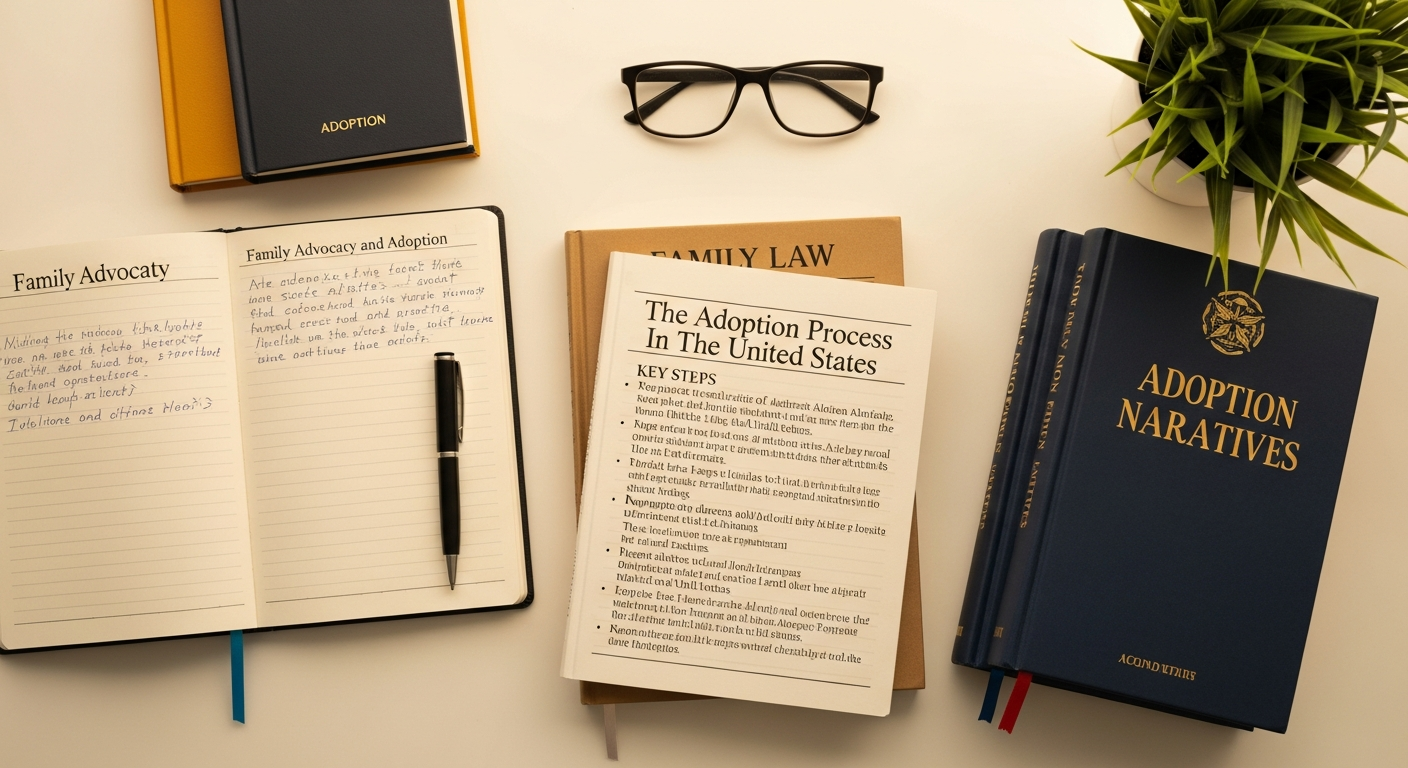
Embarking on the adoption process in the United States is a significant undertaking that requires careful preparation, extensive education, and deep self-reflection. Before any child is placed, prospective adoptive parents undergo a rigorous assessment designed to ensure they are well-equipped to provide a stable, loving, and supportive environment. This foundational phase is critical for both the prospective parents and, ultimately, the child.
Research and Self-Reflection
The initial steps involve thorough research into the different types of adoption, understanding the legal frameworks, and exploring the emotional and financial commitments. It’s essential for individuals and couples to engage in honest self-reflection about their motivations, expectations, and capacity for parenthood through adoption. Questions to consider include: What age range are we open to? How do we feel about open adoption? Are we prepared for potential challenges? How will adoption impact our existing family dynamics?
Choosing an Adoption Agency or Professional
Selecting the right adoption agency or professional is paramount. Agencies vary widely in their services, fees, and areas of specialization (e.g., domestic infant adoption, foster care adoption, international adoption). It’s crucial to research agencies thoroughly, check their licensing, read reviews, and interview several options. A reputable agency will provide comprehensive support, education, and guidance throughout the entire process, acting as a vital partner in your journey.
The Home Study Process: A Comprehensive Assessment
The home study is arguably the most intensive and fundamental part of the initial adoption process. It is a mandatory, in-depth evaluation of prospective adoptive parents and their home environment, conducted by a licensed social worker or agency. The purpose of the home study is multi-faceted:
- Ensuring Suitability: To assess the emotional, physical, and financial stability of the prospective parents.
- Child Safety: To ensure the home environment is safe, healthy, and conducive to a child’s development.
- Education: To prepare parents for the realities of adoption and parenting.
The home study typically involves several components:
- Interviews: Multiple interviews with all household members, individually and together, to discuss family history, marital stability, parenting philosophies, discipline methods, and expectations regarding adoption. These discussions often delve into personal health histories, understanding any conditions that might impact parenting.
- Background Checks: Comprehensive criminal background checks (local, state, and federal), child abuse and neglect clearances, and sometimes sex offender registry checks for all adults residing in the home.
- Financial Review: Documentation of income, assets, and liabilities to demonstrate financial stability and the ability to meet a child’s needs.
- Health Information: Medical reports from physicians for all household members, confirming good physical and mental health. This is a critical point where prospective parents’ overall well-being is assessed. The agency will want to ensure that parents are healthy enough to care for a child long-term. This can naturally touch upon the broader concept of What Is Reproductive Health, not just in terms of fertility but in understanding one’s complete health picture and how it relates to family planning and parenting capacity. For instance, discussions might include managing chronic conditions or ensuring preventative care is a priority, reflecting a holistic approach to readiness for parenthood.
- Home Inspection: A visit to the prospective family’s home to ensure it meets safety standards (e.g., smoke detectors, fire extinguishers, secure storage for medications and chemicals, adequate space).
- References: Personal references from friends, family, or colleagues who can speak to the prospective parents’ character and suitability for parenting.
- Autobiographical Statements: Written statements from the prospective parents detailing their life history, experiences, and reasons for adopting.
- Training and Education: Many agencies require prospective parents to complete a certain number of hours in adoption education and parenting skills training.
The home study process can feel intrusive, but it is a vital safeguard for children and a significant educational experience for prospective parents. It helps families clarify their expectations, address potential challenges, and prepare for the unique joys and complexities of adoptive parenthood. Completing a home study successfully signifies a significant milestone on the journey to welcoming a child.
Navigating Different Adoption Paths: Domestic, Foster Care, and International
Domestic Private Adoption
Domestic private adoption primarily focuses on placing infants or young children whose birth parents have chosen adoption. This path often involves working with private adoption agencies or attorneys. Key aspects include:
- Matching Process: Prospective adoptive parents create a profile (a “Dear Birthparent” letter, photo album, and sometimes a video) to be shared with expectant birth parents considering adoption. The matching process is highly personal, with birth parents often selecting the family they feel is the best fit for their child.
- Open vs. Closed Adoption: Modern domestic adoption increasingly favors open adoption, where there is ongoing contact (letters, photos, visits) between the birth family and the adoptive family. This is believed to benefit the child’s identity development and sense of belonging. Closed adoptions, with no identifying information exchanged, are less common but still occur. The degree of openness is determined by mutual agreement between birth and adoptive parents.
- Legal Considerations: Birth parents typically cannot legally consent to adoption until after the child’s birth. State laws dictate the specific waiting periods and revocation periods during which birth parents can change their minds. Legal counsel is essential to ensure all rights are protected and procedures are followed correctly. It’s important to acknowledge and respect the profound decision made by birth parents, often rooted in difficult circumstances. Protecting their Reproductive Health choices includes supporting their autonomy in making adoption plans and providing comprehensive counseling and resources throughout the process.
- Costs: Domestic private adoption can be financially significant, covering agency fees, legal fees, birth parent expenses (allowed by state law, such as medical care, housing, counseling), and travel. Costs can range from $25,000 to $60,000 or more.
Foster Care Adoption
Adopting from the U.S. foster care system provides a loving home for children who have experienced trauma and are awaiting permanency. This path is often less expensive than private adoption, with many states offering financial subsidies to adoptive parents. Key considerations include:
- Role of State Agencies: Adoptions from foster care are facilitated by state or county child welfare agencies, often working with private agencies under contract.
- Pathway from Foster Care to Adoption: Children enter foster care due to abuse, neglect, or abandonment. The primary goal is always reunification with biological parents. If reunification is not possible, and parental rights are terminated, the child becomes eligible for adoption. Prospective adoptive parents often foster the child first, establishing a bond before adoption finalization.
- Children’s Needs: Children in foster care adoption span all ages, from infants to teenagers, and frequently include sibling groups. Many have experienced trauma and may have special physical, emotional, or developmental needs. Adoptive parents receive training and support to address these challenges.
- Benefits and Challenges: While immensely rewarding, foster care adoption requires significant patience, resilience, and a commitment to therapeutic parenting. The process can be lengthy due to legal proceedings. However, it offers the profound joy of providing stability and a forever family to a child who desperately needs one.
International Adoption
International adoption involves adopting a child from another country and bringing them to the United States. This pathway has seen significant changes and declines in recent years due to stricter international regulations and increased domestic adoption efforts in many countries. Key aspects include:
- Hague Convention vs. Non-Hague: Countries that are signatories to the Hague Adoption Convention have standardized processes to prevent child trafficking and ensure ethical practices. Adopting from non-Hague countries may have different, sometimes less regulated, procedures.
- Country-Specific Requirements: Each country has its own eligibility criteria for adoptive parents (age, marital status, health, financial stability) and requirements for the children available for adoption. These requirements can change frequently.
- Visa Processes: Once an adoption is finalized in the child’s home country, the child must receive an immigration visa (IR-3 or IR-4) from the U.S. Department of State to enter the U.S. and become a lawful permanent resident.
- Challenges and Changes: International adoption is complex, with lengthy timelines, significant travel requirements, and often high costs. Political changes, evolving child welfare laws in other nations, and visa processing delays can impact the process. Prospective parents must work with a U.S. accredited or approved adoption service provider to navigate these complexities.
Each of these adoption paths offers a unique journey to parenthood. Understanding their distinctions is crucial for prospective parents to make an informed decision that aligns with their family-building goals and capacity to parent.
The Legal Framework and Finalization of Adoption

The journey to adoption culminates in a series of legal steps designed to ensure the child’s well-being and legally transfer parental rights and responsibilities. The legal framework surrounding adoption in the United States is complex, involving a delicate balance of state and federal laws, and requiring meticulous attention to detail to ensure a legally sound and permanent placement.
State vs. Federal Laws
Adoption is primarily governed by state law. Each of the 50 states has its own statutes regarding eligibility requirements for adoptive parents, procedures for terminating birth parent rights, consent laws, and finalization processes. This means the specific steps and timelines can vary significantly depending on where the adoptive parents reside and where the child is born or resides.
- Termination of Parental Rights (TPR): A critical legal step is the termination of birth parents’ rights. In voluntary domestic adoptions, birth parents sign legal documents consenting to the adoption after the child’s birth, often after a state-mandated waiting period. In foster care adoptions, TPR occurs through a court order if reunification efforts fail.
- Consent: Laws vary on who must consent to an adoption (e.g., birth mother, legal father, presumed father) and when consent can be given and revoked.
Interstate Compact on the Placement of Children (ICPC)
When an adoption involves prospective adoptive parents and a child across state lines, the Interstate Compact on the Placement of Children (ICPC) comes into play. ICPC is a statutory agreement between all 50 U.S. states, the District of Columbia, and the U.S. Virgin Islands. Its purpose is to ensure that children placed across state lines receive appropriate care and protection. ICPC approval is required before a child can be moved from one state to another for adoption, adding a layer of administrative and legal review that can extend the placement timeline.
Post-Placement Supervision
After a child is placed in the prospective adoptive home but before finalization, most states require a period of post-placement supervision. A social worker will conduct periodic visits to the home to assess the child’s adjustment, the adoptive parents’ ability to meet the child’s needs, and the overall family dynamics. This period ensures that the placement is stable and beneficial for the child before the adoption becomes legally permanent. The length and frequency of these visits vary by state and agency.
The Finalization Hearing
The culmination of the adoption process is the finalization hearing in court. This is a joyous occasion where a judge legally grants the adoption, making the adoptive parents the child’s legal parents with all the rights and responsibilities of biological parents. During the hearing, the judge reviews all documentation, ensures all legal requirements have been met, and formally issues the adoption decree. This typically occurs in the adoptive parents’ state of residence, often six to twelve months after placement, though timelines can vary significantly.
New Birth Certificates and Legal Identity
Upon finalization, a new birth certificate is usually issued, listing the adoptive parents as the child’s parents. This new document replaces the original birth certificate, establishing the child’s new legal identity within their adoptive family. In some cases, particularly with international adoptions, a Certificate of Citizenship may also be issued by U.S. Citizenship and Immigration Services (USCIS) to confirm the child’s U.S. citizenship.
Navigating these legal complexities requires experienced legal counsel and the guidance of a reputable adoption agency. Ensuring every step is correctly executed is paramount to creating a secure and permanent family bond.
Supporting Diverse Families Through Adoption
At Protect Families Protect Choices, we firmly believe that love makes a family, and every child deserves a safe, nurturing home. The modern landscape of adoption in the United States reflects this belief, becoming increasingly inclusive and supportive of diverse family structures. As we move towards 2026, the commitment to ensuring all qualified individuals and couples have the opportunity to adopt is stronger than ever.
Inclusivity in Adoption
Adoption agencies and child welfare systems are increasingly recognizing the importance of inclusivity. This means welcoming prospective parents from various backgrounds, including:
- Single Individuals: Many states and agencies permit single individuals to adopt, acknowledging that single-parent households can provide just as much love and stability as two-parent households.
- Older Parents: While some agencies or countries may have age preferences, age is generally not a barrier if prospective parents can demonstrate the energy, health, and resources to parent a child into adulthood.
- Families of Diverse Ethnic and Racial Backgrounds: Efforts are made to find culturally competent homes that can support a child’s identity, though transracial adoptions are also common and supported with appropriate cultural humility and education.
- Individuals with Disabilities: Prospective parents with disabilities are evaluated based on their ability to meet a child’s needs, not solely on their disability.
LGBTQ+ Family Planning Options and Adoption
One of the most significant advancements in family building in recent decades has been the widespread acceptance and legal recognition of adoption for LGBTQ+ individuals and couples. Adoption is a cornerstone of LGBTQ Family Planning Options, providing a direct and affirming path to parenthood. All 50 states now permit same-sex couples to jointly adopt, and single LGBTQ+ individuals can also adopt. This legal landscape has opened countless doors for children to find loving homes and for LGBTQ+ individuals and couples to fulfill their dreams of parenthood.
- Overcoming Historical Barriers: Historically, LGBTQ+ individuals faced significant discrimination in adoption. Advocacy, legal challenges, and a growing understanding of diverse family structures have dismantled many of these barriers.
- Types of Adoption: LGBTQ+ parents pursue all forms of adoption—domestic private, foster care, and international. Foster care adoption, in particular, has been a significant pathway, as child welfare agencies prioritize finding homes for children in need, regardless of the parents’ sexual orientation or gender identity.
- Second-Parent Adoption: For LGBTQ+ couples where one partner is a biological or legal parent, second-parent adoption (or co-parent adoption) is crucial. This legal process allows the non-biological or non-legal parent to adopt the child without terminating the parental rights of the existing parent, thereby ensuring both parents have full legal recognition and rights. This provides essential security and stability for the child and both parents.
Protect Families Protect Choices is dedicated to ensuring that all families, including those led by LGBTQ+ parents, receive equitable treatment and support throughout the adoption process. We advocate for policies that eliminate discrimination and champion the right of every child to a loving, secure home, irrespective of their parents’ identity.
Post-Adoption Support and Ongoing Well-being
The finalization of an adoption is a celebratory milestone, but it marks the beginning, not the end, of the adoption journey. Post-adoption support is crucial for ensuring the long-term well-being of the entire family—the child, adoptive parents, and, where applicable, birth parents. Navigating life as an adoptive family comes with unique joys and challenges that can benefit from ongoing resources and community.
Importance of Community and Resources
Adoptive families thrive when they are connected to a supportive community. Many agencies and independent organizations offer post-adoption services, including:
- Support Groups: Connecting with other adoptive parents who understand the unique dynamics of adoption can be invaluable for sharing experiences, advice, and emotional support.
- Therapeutic Services: Children who have experienced trauma, loss, or attachment challenges may benefit from adoption-competent therapy. Therapists specializing in adoption can help children process their past and strengthen family bonds.
- Educational Workshops: Ongoing education helps parents understand developmental stages, common adoption issues, and effective parenting strategies specific to adopted children.
- Mentorship Programs: New adoptive parents can benefit from being mentored by experienced adoptive parents.
Addressing Challenges: Identity, Attachment, and Loss
Children who are adopted often carry a complex history that includes loss, even if adopted as an infant. Issues of identity, belonging, and attachment can emerge at various stages of development. Adoptive parents need to be prepared to address these challenges with empathy, openness, and often professional guidance. Understanding and validating a child’s feelings about their adoption story, their birth family, and their place in the world is fundamental to their healthy development.
Nurturing Open Adoption Relationships
For families engaged in open adoptions, maintaining respectful and consistent relationships with birth families requires ongoing effort and communication. Openness can evolve over time, and regular check-ins and flexibility are key. These relationships, when healthy, can provide children with a deeper understanding of their origins and a sense of completeness, bridging their past and present. Support services often include mediation or counseling to help navigate these unique family relationships.
Prioritizing Holistic Family Health
The long-term well-being of adoptive families also encompasses comprehensive health considerations for all members. Adoptive parents, like all parents, need to prioritize their own health to be fully present and capable guardians. This includes regular preventative care, managing stress, and maintaining physical and mental health. For instance, understanding a Breast Health And Mammogram Guide is not just about individual health; it’s about ensuring the long-term health and presence of a parent for their child. Similarly, ensuring children receive regular medical check-ups, dental care, and mental health support as needed is paramount. Adoption agencies often provide resources for accessing healthcare and understanding any unique medical histories of adopted children.
Protect Families Protect Choices advocates for robust post-adoption services, recognizing that the journey doesn’t end at finalization. Comprehensive support ensures that adopted children thrive in their permanent homes and that adoptive families are empowered to navigate the beautiful complexities of their unique family structure for years to come.
Frequently Asked Questions
Recommended Resources
For more on adoption process in, see Digital Twin In Manufacturing on Mitsubishi Manufacturing.
For more on adoption process in, see Emergency Fund Guide How Much To Save on Diaal News.