


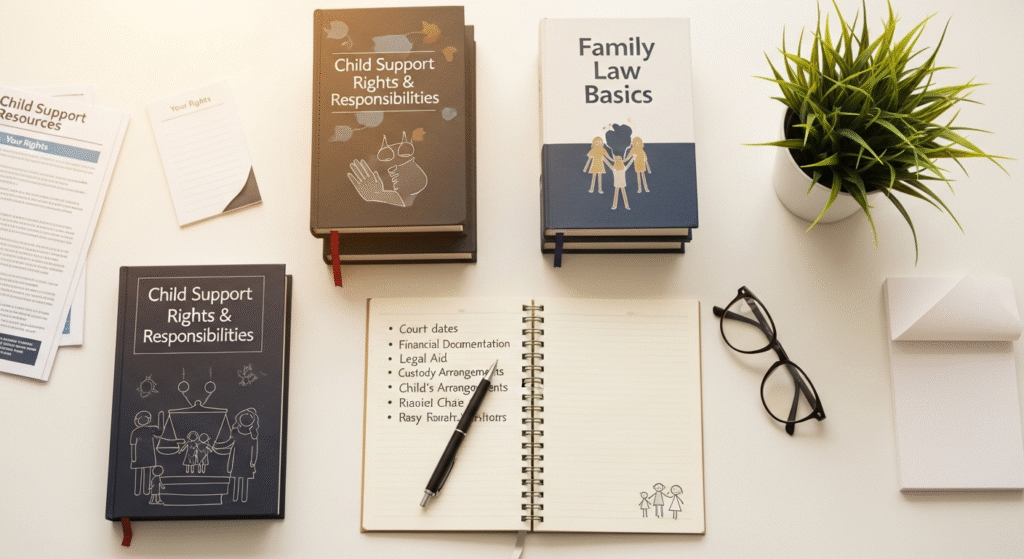
Understanding Child Support: A Pillar of Family Stability
Child support is a court-ordered financial contribution from one parent to the other, or to a guardian, for the care and upbringing of their child or children. Its fundamental purpose is to ensure that children continue to receive financial support from both parents, regardless of their parents’ marital status or living arrangements. This financial stability is not merely about covering basic needs; it’s about providing children with opportunities, maintaining their quality of life, and fostering an environment conducive to their healthy development. It recognizes the shared financial responsibility of parenthood and seeks to prevent one parent from bearing an disproportionate economic burden following a separation.
The concept of child support is deeply rooted in the legal and ethical obligation of parents to provide for their offspring. It covers a wide array of expenses that are essential for a child’s life, including but not limited to food, shelter, clothing, medical care, education, and childcare. Beyond these tangible costs, child support also contributes to a child’s ability to participate in extracurricular activities, social events, and other experiences that enrich their lives and contribute to their overall well-being and mental health.
In many jurisdictions, child support calculations are guided by specific formulas that take into account various factors such as the income of both parents, the number of children involved, the amount of time each parent spends with the children (custody arrangements), and specific expenses like health insurance premiums or special educational needs. These formulas are designed to ensure fairness and consistency, aiming to provide a standard of living for the children that is comparable to what they would have enjoyed if their parents had remained together. However, it’s crucial to understand that while formulas provide a baseline, courts often have the discretion to deviate from them based on unique circumstances, always with the child’s best interests as the primary consideration.
The importance of child support extends beyond individual families. It plays a significant role in reducing child poverty, promoting economic stability for single-parent households, and ensuring that children have access to the resources they need to become healthy, productive members of society. By providing a safety net, child support allows custodial parents to focus on nurturing their children and pursuing their own professional and personal development, knowing that essential financial support is in place. It’s a testament to the belief that children deserve every opportunity to thrive, and that both parents share an ongoing commitment to their future.
Understanding this foundational purpose is the first step in navigating the child support system effectively. It empowers parents to advocate for their children’s rights and to utilize the available resources to ensure that their children’s needs are met, laying a strong foundation for their future well-being and success.
Navigating Your Child Support Rights: Essential Knowledge for Parents
Understanding your rights as a parent, whether you are the custodial or non-custodial parent, is absolutely fundamental to effectively engaging with the child support system. These rights are designed to ensure fairness, protect the interests of the child, and uphold the legal obligations of both parents. Being informed empowers you to make sound decisions, advocate for your family, and navigate what can often be a complex legal landscape.
For the custodial parent (the parent who receives child support), your primary right is to receive consistent and adequate financial support for your child’s needs. This includes the right to:
- Establish a Child Support Order: You have the right to initiate the process to obtain a legally binding order for child support if one is not already in place. This often involves working with your state’s child support enforcement agency or a private attorney.
- Receive Payments: Once an order is established, you have the right to receive payments as specified by the court. These payments are typically made through a central disbursement unit, which tracks and records all transactions.
- Enforce the Order: If payments are not made on time or in full, you have the right to seek enforcement of the child support order through legal channels. This can involve various methods, such as wage garnishment, tax refund interception, or even suspension of licenses.
- Seek Modification: Should there be a significant change in circumstances (e.g., a substantial change in income for either parent, a change in custody, or the child’s needs), you have the right to request a review and potential modification of the existing child support order.
- Access Information: You have the right to access information regarding the status of your child support case, including payment history and enforcement actions taken.
For the non-custodial parent (the parent who pays child support), you also have crucial rights that protect your interests and ensure fair treatment:
- Fair Calculation: You have the right to have child support calculated fairly, based on established state guidelines that consider your income, the other parent’s income, and the custody arrangement. You can challenge calculations if you believe they are inaccurate.
- Due Process: You have the right to proper legal notice of all proceedings, the opportunity to be heard in court, and to present your case before any child support order is established or modified.
- Seek Modification: Like the custodial parent, if your financial circumstances significantly change (e.g., job loss, disability, substantial income reduction), you have the right to petition the court for a modification of your child support obligation. Ignoring financial difficulties can lead to arrears and more severe enforcement actions.
- Access to Your Child: While child support is separate from custody and visitation, generally, paying child support does not diminish your right to spend time with your child as outlined in your custody agreement. In some cases, adherence to visitation schedules can impact support calculations, but the two are legally distinct obligations.
- Review of Arrears: If arrears (unpaid child support) accumulate, you have the right to understand how these amounts are calculated and, in some cases, to negotiate payment plans or challenge errors.
It is essential for both parents to understand that child support is a legal obligation designed for the child’s benefit, not a bargaining chip in parental disputes. Attempts to withhold visitation due to non-payment of support, or to withhold support due to denied visitation, are generally not permitted by courts and can lead to further legal complications.
Staying informed about your rights and responsibilities is the best way to ensure compliance, maintain a positive co-parenting relationship where possible, and most importantly, provide for your child’s needs. If you are unsure about any aspect of your child support rights, seeking advice from legal professionals or state child support agencies is always recommended. Knowledge truly is power when navigating these critical family matters.
The Child Support Process: From Establishment to Enforcement
Establishing Paternity
Before a child support order can be established, legal paternity must often be confirmed, especially if the parents were not married at the time of the child’s birth. Paternity is the legal recognition of a man as the biological father of a child. Establishing paternity provides the child with legal rights, including the right to financial support from both parents, inheritance rights, access to medical history, and potentially Social Security or veterans’ benefits.
There are several ways to establish paternity:
- Voluntary Acknowledgment: If both parents agree on paternity, they can sign an Acknowledgement of Paternity (AOP) form, usually at the hospital when the child is born or later at a local health department or child support agency. This is often the simplest and most straightforward method.
- Administrative Paternity Order: State child support agencies can sometimes issue administrative orders establishing paternity if certain criteria are met and there is no dispute.
- Court Order: If paternity is disputed or cannot be established voluntarily, a court can order genetic testing (DNA testing) to determine biological fatherhood. If the test confirms paternity, the court will issue an order legally declaring the father.
Establishing paternity is a vital first step, as it forms the legal basis for all subsequent child support actions. It’s not just about financial support; it’s about giving the child a complete legal identity and access to all the rights and benefits associated with having two legal parents.
Calculating Child Support
Once paternity is established, the next critical step is to calculate the amount of child support. Each state has specific guidelines and formulas designed to determine an equitable amount based on various factors. While the exact methodology varies by state, common elements include:
- Parents’ Income: This is typically the primary factor. Most states consider both gross and net income from all sources (wages, salaries, bonuses, self-employment income, benefits, etc.).
- Number of Children: The more children for whom support is being sought, the higher the potential support amount.
- Custody and Visitation Schedule: The amount of time each parent spends with the children can significantly impact the calculation. In shared custody arrangements, support may be adjusted to reflect the financial contributions of both parents during their respective parenting times.
- Childcare Costs: Expenses for daycare or after-school care are often added to the basic support obligation and shared between parents.
- Health Insurance and Unreimbursed Medical Expenses: The cost of health insurance premiums for the children and their unreimbursed medical, dental, and vision expenses are usually factored into the calculation.
- Special Needs or Extraordinary Expenses: If a child has special educational, medical, or other needs that incur significant costs, these can be included in the support order.
States typically use one of three models for calculation:
- Income Shares Model: This model assumes that the child should receive the same proportion of parental income that they would have received if the parents lived together. The parents’ combined adjusted gross income is determined, and a basic support obligation is calculated from that. This obligation is then divided between the parents based on their proportionate shares of the combined income.
- Percentage of Obligor Income Model: This model calculates child support as a percentage of the non-custodial parent’s income only, with the percentage varying based on the number of children.
- Melson Formula: A more complex model that considers the self-sufficiency of both parents and the child’s needs, often resulting in a more individualized calculation.
It is highly recommended to use online calculators provided by state child support agencies or consult with a legal professional to get an accurate estimate based on your specific circumstances.
Modifying Child Support Orders
Life is dynamic, and circumstances can change significantly after a child support order has been established. For this reason, child support orders are not set in stone and can be modified. A modification is a legal change to an existing order, usually requiring a substantial and material change in circumstances. Common reasons for seeking a modification include:
- Significant Change in Income: A substantial increase or decrease in either parent’s income (e.g., job loss, promotion, disability).
- Change in Custody or Visitation: A court-ordered change in the amount of time each parent spends with the children.
- Change in Child’s Needs: New medical conditions, special education requirements, or other extraordinary expenses for the child.
- Incarceration of a Parent: While incarceration does not automatically eliminate support obligations, it can be grounds for modification.
- Emancipation of a Child: When a child reaches the age of majority or other state-defined emancipation criteria, support for that child may cease or be reduced if there are other children on the order.
To modify an order, a parent must typically file a petition with the court or apply through the state child support agency. The process usually involves demonstrating to the court that a significant change has occurred. It is crucial not to unilaterally stop or alter payments without a court-approved modification, as this can lead to arrears and enforcement actions.
Enforcing Child Support Orders
Unfortunately, not all child support orders are consistently followed. When a non-custodial parent fails to make payments as ordered, enforcement actions become necessary. State child support agencies and courts have a variety of tools at their disposal to enforce orders and collect arrears (unpaid support). These methods include:
- Wage Garnishment/Income Withholding: This is one of the most common and effective methods, where a portion of the non-custodial parent’s wages, salary, or other income (e.g., unemployment benefits, workers’ compensation) is directly deducted by their employer and sent to the child support agency.
- Tax Refund Interception: Federal and state income tax refunds can be intercepted to pay past-due child support.
- Bank Account Levy: Funds can be withdrawn directly from a parent’s bank accounts to satisfy unpaid support.
- Property Liens: A lien can be placed on real estate or personal property, preventing its sale or transfer until the child support arrears are paid.
- Credit Bureau Reporting: Past-due child support can be reported to credit bureaus, negatively impacting the non-custodial parent’s credit rating.
- License Suspension: Driver’s licenses, professional licenses, and recreational licenses (e.g., hunting, fishing) can be suspended or revoked for non-payment of support.
- Passport Denial: The U.S. Department of State can deny passports to individuals who owe significant amounts of child support.
- Contempt of Court: In severe cases of willful non-payment, a non-custodial parent can be found in contempt of court, which can result in fines, probation, or even jail time.
Enforcement mechanisms are vital to ensure that children receive the support they are legally entitled to. Custodial parents should not hesitate to contact their state child support agency if payments are not being made, as these agencies are specifically designed to assist with enforcement. The process of child support, while often complex, is designed with the child’s best interest at its core, ensuring their right to financial support from both parents.
Beyond Financials: Holistic Support for Families
While child support is undeniably crucial for a child’s financial well-being, true family advocacy extends far beyond monetary contributions. At Protect Families Protect Choices, we recognize that a child’s optimal development and a family’s resilience depend on a holistic ecosystem of support, encompassing physical health, emotional stability, educational opportunities, and access to vital information. When parents are healthy, informed, and supported, they are better equipped to provide nurturing environments for their children, regardless of their co-parenting arrangements.
One foundational aspect of family well-being is understanding and prioritizing health. For parents, particularly mothers, their health directly impacts their ability to care for and provide for their children. This includes a comprehensive understanding of What Is Reproductive Health. Reproductive health is a state of complete physical, mental, and social well-being in all matters relating to the reproductive system, at all stages of life. It implies that people are able to have a responsible, satisfying and safe sex life and that they have the capability to reproduce and the freedom to decide if, when and how often to do so. Access to quality reproductive healthcare, including family planning services, prenatal care, and postnatal support, ensures that parents can make informed decisions about their families and maintain their own health, which is critical for their children’s stability. When parents have control over their reproductive lives, they are better able to plan for their families’ financial and emotional needs, indirectly supporting the very goals of child support.
Another critical component of parental health is preventative care. A Breast Health And Mammogram Guide, for example, is an indispensable resource for women. Regular screenings and awareness of breast health are essential for early detection and treatment of breast cancer, which can have devastating impacts on a family. A parent battling serious illness faces immense challenges that can strain family resources and emotional capacity. By encouraging proactive health measures like mammograms, we ensure that parents can remain healthy and present for their children, fulfilling their roles as caregivers and providers for years to come. Resources that promote preventative care contribute significantly to the long-term stability and well-being of families, reducing the likelihood of unexpected health crises that could disrupt a child’s life and financial support.
Furthermore, investing in the future generations means equipping children with the knowledge and tools to make responsible choices. Teen Pregnancy Prevention Programs are vital for the health and economic stability of young people and their future families. These programs provide comprehensive sex education, access to contraception, and support services that empower teenagers to delay pregnancy until they are emotionally and financially ready for parenthood. Preventing unplanned teen pregnancies reduces the cycle of poverty, increases educational attainment for young parents, and lessens the demand for child support in future generations by ensuring that children are born into environments where parents are better prepared and resourced. By helping teens make informed decisions, we are building stronger families and communities for 2026 and beyond, reducing the systemic pressures that often lead to child support cases.
Protect Families Protect Choices advocates for a holistic approach to family well-being where child support is one piece of a larger puzzle. When we support parents’ health through reproductive health resources and preventative care like breast health guides, and empower youth through teen pregnancy prevention, we are creating more stable, healthier environments for children to thrive. This comprehensive support network ensures that children receive not only financial provision but also the love, care, and secure foundation they need to reach their full potential.
Leveraging Resources: Where to Find Help and Guidance
Navigating the child support system can be daunting, but parents are not alone. A wealth of resources exists to provide assistance, guidance, and legal support at every stage of the process. Knowing where to turn can make a significant difference in successfully establishing, modifying, or enforcing child support orders, ultimately benefiting the children involved.
Government Agencies and Programs
The most direct and comprehensive source of assistance for child support matters often comes from state and federal government agencies.
-
State Child Support Enforcement Agencies: Every state has a dedicated agency (often part of the Department of Health and Human Services or a similar department) responsible for establishing paternity, locating non-custodial parents, establishing child support orders, collecting payments, and enforcing orders. These agencies provide services at little to no cost, making them invaluable for parents who may not be able to afford private legal counsel. They can help with:
- Paternity establishment.
- Locating absent parents.
- Calculating and establishing child support orders.
- Collecting and disbursing payments.
- Enforcing existing orders through various mechanisms (wage garnishment, tax intercepts, license suspension, etc.).
- Reviewing and modifying existing orders.
You can typically find your state’s child support agency through a quick online search or by visiting the federal Office of Child Support Enforcement (OCSE) website, which provides links to all state programs.
- Federal Office of Child Support Enforcement (OCSE): Part of the Administration for Children and Families, OCSE oversees state child support programs, provides technical assistance, and facilitates interstate child support enforcement. Their website offers general information, statistics, and links to state resources.
- Social Security Administration (SSA): In cases where a non-custodial parent receives Social Security benefits (e.g., disability, retirement), child support payments may be able to be garnished directly from these benefits. Additionally, children may be eligible for benefits if a parent is disabled, retired, or deceased.
Legal Aid and Pro Bono Services
For parents who require legal representation but face financial constraints, legal aid organizations and pro bono programs offer critical support.
- Legal Aid Societies: These non-profit organizations provide free or low-cost legal services to individuals who meet certain income qualifications. Many legal aid societies specialize in family law and can offer assistance with child support establishment, modification, and enforcement. They can represent clients in court, offer legal advice, and help prepare necessary documentation.
- Pro Bono Programs: Bar associations and individual law firms often run pro bono programs, where attorneys volunteer their time to assist clients who cannot afford legal fees. These programs can be a lifeline for complex child support cases that require skilled legal representation.
- Law School Clinics: Many law schools operate clinics where students, under the supervision of experienced professors, provide legal services to the community. These clinics can be an excellent resource for family law matters, including child support, and are typically very affordable or free.
To find these services, search for “legal aid,” “pro bono family law,” or “law school clinics” in your city or state. Eligibility requirements often apply, so inquire about them when contacting these organizations.
Community and Non-Profit Organizations
Beyond government and legal services, various community and non-profit organizations offer support that can indirectly or directly assist families dealing with child support issues, often providing a more holistic approach to family well-being.
- Family Resource Centers: These centers often provide a range of services, including parenting classes, mediation services, and referrals to legal or social services. They can be particularly helpful in fostering cooperative co-parenting relationships, which can ease child support conflicts.
- Women’s and Men’s Support Groups: Groups focused on single parenting, divorce recovery, or co-parenting can provide emotional support, practical advice, and a network of individuals who understand the challenges of navigating child support.
- Domestic Violence Shelters and Advocacy Groups: For parents escaping domestic violence, these organizations offer safe housing, counseling, and legal advocacy, including assistance with obtaining protective orders and child support orders in conjunction with other legal protections.
- Financial Literacy Programs: Understanding budgeting, debt management, and financial planning can empower both custodial and non-custodial parents to better manage their finances, making child support payments more sustainable or ensuring received payments are used effectively.
Local government websites, community calendars, and online searches for “family support services” or “non-profit organizations for parents” in your area can help you discover these valuable community resources. Leveraging these diverse resources can provide the comprehensive support needed to ensure that child support effectively serves its purpose: securing a stable and prosperous future for children.
Looking Ahead: Child Support in 2026 and Beyond
As we look towards 2026 and the future, the landscape of child support is continually evolving, driven by technological advancements, societal shifts, and a deeper understanding of family dynamics. While the core principle of parental responsibility remains steadfast, the mechanisms and support systems around child support are adapting to better serve children and families in an increasingly complex world.
One significant area of evolution is the increasing emphasis on digital solutions and automation within child support agencies. Expect to see more streamlined online portals for applying for services, checking payment histories, and even initiating modification requests. Artificial intelligence and data analytics may play a larger role in identifying non-compliance patterns and optimizing enforcement strategies, making the system more efficient and responsive. These technological improvements aim to reduce administrative burdens, speed up processing times, and ultimately ensure that support reaches children more consistently and promptly.
Furthermore, there’s a growing recognition of the importance of holistic support for families, moving beyond mere financial transactions. Child support agencies and allied organizations are increasingly integrating services that address the root causes of non-payment or family instability. This includes programs focused on job training and placement for non-custodial parents, financial literacy workshops for both parents, and mediation services to foster better co-parenting relationships. The goal is to create a more supportive environment where parents are empowered to meet their obligations, rather than simply penalizing non-compliance.
The conversation around child support in 2026 will also likely continue to broaden to include a stronger focus on the overall well-being of the child. This means considering not just financial needs, but also access to quality education, mental health services, and enrichment activities. As mentioned earlier, topics like What Is Reproductive Health will remain critical, as informed reproductive choices directly impact family planning and stability. Similarly, encouraging preventative health measures, such as those found in a Breast Health And Mammogram Guide, ensures parents can remain healthy and present for their children, reducing the potential for health crises to disrupt financial stability and caregiving. The continued development and promotion of Teen Pregnancy Prevention Programs will also remain a cornerstone of future family advocacy, aiming to reduce the societal and individual burdens associated with early parenthood and ensure that young people are prepared for the responsibilities of family life when they choose to embark on it.
Legislatively, we might see ongoing efforts to refine child support guidelines to better reflect modern economic realities, such as the gig economy, fluctuating incomes, and the rising costs of living. There may also be increased interstate and international cooperation to address complex enforcement challenges across borders, ensuring that children are supported even when parents reside in different jurisdictions.
Ultimately, the future of child support in 2026 and beyond is centered on enhancing effectiveness, promoting parental engagement, and prioritizing the comprehensive well-being of children. By embracing innovation, fostering integrated support systems, and maintaining a steadfast commitment to the rights and needs of children, we can work towards a future where every child has the financial and holistic support necessary to thrive. Protect Families Protect Choices remains dedicated to advocating for these advancements, ensuring that families receive the resources and protections they need to build strong, stable futures.
Frequently Asked Questions
Q1: How is child support calculated in most states?▾
Q2: Can child support orders be modified?▾
Q3: What happens if a parent doesn’t pay child support?▾
Q4: Is child support automatically terminated when a child turns 18?▾
Q5: Does child support cover college expenses?▾
Q6: Can I get child support if the other parent lives in a different state?▾
Recommended Resources
For more on child support rights, see Automotive Lightweighting Materials on Mitsubishi Manufacturing.
Explore Side Hustle Ideas For 2026 for additional insights.