



The Indivisible Link: Reproductive Freedom as a Core Civil Right
The concept of reproductive freedom is not an isolated legal or medical issue; it is a fundamental civil right, deeply embedded in the principles of liberty, equality, and bodily autonomy that define a democratic society. To understand this connection, one must recognize that civil rights encompass the protection of an individual’s freedom from infringement by governments, social organizations, and private individuals. These rights guarantee equal social opportunities and protection under the law, regardless of race, religion, gender, sexual orientation, or economic status. When we apply this lens to reproductive freedom, it becomes clear that the ability to make decisions about one’s body, health, and family planning is essential for full participation in society and for achieving personal and economic stability.
Historically, the struggle for civil rights in the United States has always included elements of health justice and bodily integrity. From the fight against forced sterilization that disproportionately targeted women of color and individuals with disabilities, to the ongoing battle for equitable access to healthcare for all, the narrative of civil rights has consistently interwoven with the imperative of reproductive freedom. The right to privacy, affirmed in landmark civil rights cases, underpins the individual’s ability to make profoundly personal decisions about their reproductive life without governmental interference. Without this freedom, individuals, particularly women and gender-diverse people, cannot achieve true equality. Their educational and career opportunities can be curtailed, their economic stability undermined, and their overall well-being compromised.
Furthermore, the denial or restriction of reproductive freedom often exacerbates existing inequalities. Communities already facing systemic discrimination—such as low-income communities, rural populations, Indigenous peoples, and people of color—are disproportionately affected by barriers to reproductive healthcare. These barriers include lack of access to clinics, financial constraints, transportation issues, and discriminatory practices within healthcare systems. Therefore, advocating for reproductive freedom is inherently an act of civil rights advocacy, aiming to dismantle systemic barriers and ensure that every individual has the agency to control their own destiny. As we look towards 2026, the ongoing efforts to protect and expand reproductive freedom are vital components of the broader movement to secure justice and equality for all members of our society.
Understanding Reproductive Health: More Than Just Abortion Access

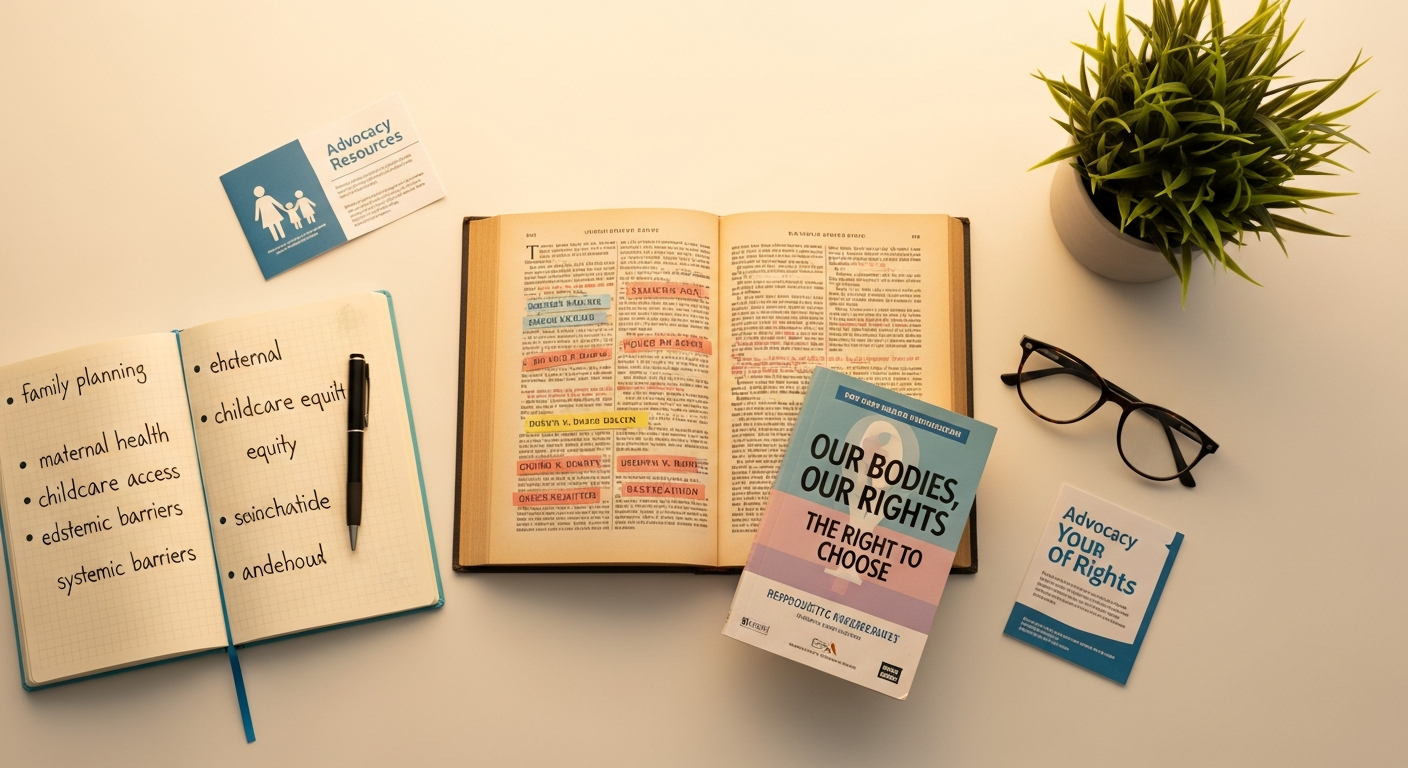
When we discuss What Is Reproductive Health, it’s crucial to adopt a comprehensive and inclusive definition that extends far beyond the singular issue of abortion access. Reproductive health is a holistic state of physical, mental, and social well-being in all matters relating to the reproductive system, not merely the absence of disease or infirmity. It implies that people are able to have a responsible, satisfying, and safe sex life, and that they have the capability to reproduce and the freedom to decide if, when, and how often to do so. This expansive view recognizes that reproductive healthcare is an essential component of overall health and well-being throughout a person’s life cycle.
A truly comprehensive approach to reproductive health encompasses a wide array of services and information. This includes, but is not limited to:
- Contraception and Family Planning: Access to a full range of birth control methods, counseling, and information to prevent unintended pregnancies and plan families according to individual desires and circumstances.
- Prenatal Care and Maternal Health: High-quality care throughout pregnancy, during childbirth, and in the postpartum period, ensuring healthy outcomes for both parent and child. This also includes support for individuals experiencing miscarriage or stillbirth.
- Fertility Services: Information, counseling, and treatment options for individuals and couples struggling with infertility, recognizing the diverse paths to parenthood.
- Prevention and Treatment of Sexually Transmitted Infections (STIs): Education, screening, diagnosis, and treatment for STIs, which are crucial for maintaining reproductive and overall health.
- Cancer Screenings and Prevention: Regular screenings for reproductive cancers, such as cervical cancer (e.g., Pap tests) and ovarian cancer, as well as education on risk factors and preventative measures.
- Comprehensive Sexuality Education: Age-appropriate, medically accurate information about sexual health, relationships, consent, and reproductive anatomy, empowering individuals to make informed decisions.
- Abortion Care: Safe, legal, and accessible abortion services as a critical component of reproductive healthcare for individuals who choose to end a pregnancy.
- Adoption Information and Support: Resources for individuals considering adoption, either as a birth parent or an adoptive parent.
This holistic understanding underscores that reproductive health is not a segmented issue but rather an interconnected web of services that supports an individual’s autonomy, dignity, and ability to thrive. When any of these components are restricted or denied, it creates significant health disparities and undermines the fundamental civil right to make personal decisions about one’s body and future. Ensuring access to this full spectrum of care is paramount for the health and empowerment of families and communities, now and in the years to come, including 2026 and beyond.
The Disproportionate Impact: How Restrictions Harm Vulnerable Communities
For individuals living in poverty or with limited financial resources, even small barriers to healthcare can become insurmountable. The cost of travel to a distant clinic, time off work (often unpaid), childcare expenses, and the procedure itself can be prohibitive. When clinics close due to restrictive laws, individuals in these situations are forced to travel hundreds of miles, if they can even manage it, leading to significant delays in care that can increase health risks and costs. This creates a two-tiered system where those with means can access care, while those without are left with few or no options, further entrenching cycles of poverty and disadvantage.
Women of color, particularly Black, Indigenous, and Latina women, face a compounding of systemic barriers. They often experience higher rates of chronic health conditions, less access to quality healthcare providers, and face discrimination within the healthcare system. Restrictions on reproductive freedom exacerbate these existing health disparities, leading to poorer maternal health outcomes, increased rates of unintended pregnancies, and greater difficulty in accessing preventative care. The legacy of medical racism and exploitation also means that these communities often have a deep-seated mistrust of healthcare institutions, which is further eroded when their reproductive autonomy is challenged. For instance, the fight for reproductive freedom for these communities is also a fight for recognition of their full humanity and their right to bodily self-determination, free from state control or discriminatory practices.
Rural communities also suffer disproportionately. Healthcare deserts, where there are few or no reproductive health providers, are becoming increasingly common due to legislative restrictions and funding cuts. Residents in these areas, who often have limited transportation options and lower incomes, find themselves isolated from essential services. This geographical barrier means that timely access to care, including preventative screenings, contraception, and abortion services, becomes nearly impossible, forcing individuals to either forgo care or undertake arduous and costly journeys.
Moreover, LGBTQ+ individuals, especially transgender men and non-binary people who can become pregnant, face unique challenges. They often encounter discrimination and lack of understanding in healthcare settings, which can be intensified by restrictions on reproductive healthcare. Policies that limit access to services based on gender identity, or that fail to acknowledge the diverse reproductive needs of this community, are a direct violation of their civil rights and their right to equitable healthcare.
Understanding these disproportionate impacts is essential for effective advocacy. Protecting reproductive freedom is not just about individual choice; it is about achieving social justice and dismantling the systemic barriers that perpetuate inequality and harm vulnerable communities. As we navigate the complex landscape of civil rights in 2026, recognizing and addressing these disparities remains a paramount concern for Protect Families Protect Choices.
Safeguarding Future Generations: Education and Prevention

Protecting reproductive freedom for future generations requires a proactive, comprehensive approach that prioritizes education, access to information, and preventative programs. Empowering young people with the knowledge and resources they need to make informed decisions about their sexual and reproductive health is not just beneficial; it is a fundamental aspect of their civil rights and their ability to shape their own lives. This strategy encompasses robust Teen Pregnancy Prevention Programs, alongside comprehensive sex education and accessible healthcare services for adolescents.
Effective Teen Pregnancy Prevention Programs are multifaceted, moving beyond abstinence-only rhetoric to provide young people with medically accurate, age-appropriate, and inclusive information. These programs recognize that teenagers, like all individuals, deserve the tools to understand their bodies, relationships, and reproductive options. Key components of successful programs include:
- Comprehensive Sexuality Education: This type of education covers a broad range of topics, including anatomy, puberty, contraception, STI prevention, healthy relationships, consent, communication skills, and personal values. It equips young people with the knowledge to make responsible choices and navigate complex situations.
- Access to Contraception: Ensuring that teenagers have confidential access to a full range of contraceptive methods, counseling, and healthcare providers is paramount. Studies consistently show that increased access to contraception leads to significant reductions in unintended pregnancies among adolescents.
- Youth-Friendly Healthcare Services: Creating environments where young people feel comfortable and respected when seeking reproductive health services is critical. This includes providers who are trained to work with adolescents, offer confidential care, and understand the unique needs and concerns of this age group.
- Parent and Community Engagement: Involving parents and the broader community in discussions about adolescent sexual health fosters a supportive environment where young people feel safe to ask questions and seek guidance.
- Addressing Social Determinants: Recognizing that factors like poverty, lack of educational opportunities, and unstable home environments contribute to higher rates of teen pregnancy. Effective prevention strategies must also address these underlying social determinants through broader community support and resource provision.
By investing in these programs, we are not only working to prevent unintended pregnancies but also promoting the overall health and well-being of young people. We are fostering a generation that is more informed, more empowered, and better equipped to make healthy decisions throughout their lives. This empowerment extends to reducing risks of STIs, fostering healthy relationships, and promoting positive body image and self-esteem. When young people have control over their reproductive futures, they are better positioned to pursue their educational goals, career aspirations, and personal dreams, contributing more fully to their communities.
In 2026, as society continues to evolve, the need for robust and evidence-based teen pregnancy prevention and comprehensive sex education is more critical than ever. It is an investment in human potential and a testament to our commitment to safeguarding the civil rights of every individual, ensuring that future generations have the freedom and resources to choose their own paths and build fulfilling lives.
Beyond Reproduction: Comprehensive Health and Wellness
The scope of reproductive freedom, while centered on decisions about one’s body and family, naturally expands to encompass a broader commitment to comprehensive health and wellness for all individuals. Reproductive health is not an isolated system within the body; it is deeply interconnected with overall physical and mental health. Therefore, advocating for reproductive freedom inherently means advocating for access to a full spectrum of preventative and ongoing healthcare services that support an individual’s well-being throughout their lifespan. This includes vital screenings and health maintenance, such as those detailed in a Breast Health And Mammogram Guide, which are crucial for early detection and treatment of serious conditions.
Consider the importance of breast health. For many individuals, regular breast cancer screenings, including mammograms, are a cornerstone of preventative care. Breast cancer is one of the most common cancers among women, and early detection significantly improves treatment outcomes and survival rates. Access to these screenings is not merely a medical recommendation; it is a component of equitable healthcare access, which is itself a civil right. When individuals face barriers to reproductive health services, they often face similar obstacles to other critical preventative care, including mammograms, Pap tests, and other cancer screenings. These barriers can include lack of health insurance, insufficient healthcare providers in their area, cultural or language barriers, and discriminatory practices within the healthcare system.
A comprehensive approach to health and wellness, therefore, must integrate reproductive healthcare with broader preventative services. This means:
- Integrated Care Models: Promoting healthcare facilities that offer a wide range of services under one roof, making it easier for individuals to access reproductive health, primary care, mental health services, and preventative screenings like mammograms during the same visits.
- Affordable and Accessible Insurance: Advocating for policies that ensure all individuals have access to affordable health insurance that covers preventative care, specialist visits, and necessary treatments, regardless of their income or employment status.
- Health Literacy and Education: Empowering individuals with information about the importance of preventative screenings, signs and symptoms to look for, and how to access care. This includes specific guidance found in a comprehensive Breast Health And Mammogram Guide.
- Addressing Health Disparities: Recognizing that certain communities, particularly women of color and low-income individuals, face higher rates of certain cancers and poorer outcomes due to systemic inequities. Efforts must specifically target these disparities to ensure equitable access to screenings and treatment.
- Support for Survivors: Providing comprehensive support for individuals diagnosed with cancer, including access to treatment, mental health services, and financial assistance, recognizing the profound impact of such diagnoses on an individual’s life and family.
By ensuring that individuals have comprehensive access to care, from reproductive health services to preventative screenings like mammograms, we reinforce the principle that every person has the right to control their own health destiny. This holistic perspective on health and wellness is vital for building resilient families and communities, where individuals are not only free to make choices about reproduction but are also supported in living long, healthy, and fulfilling lives. As Protect Families Protect Choices looks to 2026, our advocacy will continue to champion a vision of healthcare where all aspects of an individual’s well-being are valued and protected as fundamental civil rights.
Legal Landscape and Advocacy in 2026
The legal landscape surrounding civil rights and reproductive freedom remains dynamic and highly contested as we move into 2026. Following significant judicial shifts and legislative battles in recent years, the struggle to protect and expand reproductive rights is an ongoing, critical endeavor. State legislatures across the nation continue to be battlegrounds, with some states enacting increasingly restrictive measures that severely limit access to abortion and other reproductive healthcare services, while others work to codify and expand protections. This fractured legal environment underscores the urgent need for sustained advocacy and public engagement.
In states where reproductive freedom has been curtailed, legal challenges are ongoing, seeking to restore or expand access through various constitutional arguments. These cases often hinge on interpretations of privacy rights, equal protection, and due process clauses, reflecting the core civil rights principles at stake. Simultaneously, federal legislative efforts aim to either establish nationwide protections for reproductive healthcare or, conversely, to impose federal restrictions. The outcome of these legislative and judicial battles will significantly shape the future of reproductive freedom for millions of Americans in 2026 and beyond.
The role of advocacy organizations, like Protect Families Protect Choices, is more critical than ever in this environment. Our efforts encompass several key areas:
- Public Education and Awareness: Informing the public about the true scope of reproductive freedom, the impact of restrictive laws, and the importance of comprehensive reproductive healthcare as a civil right. This includes dispelling misinformation and fostering a deeper understanding of the issues.
- Legislative Advocacy: Working with lawmakers at both state and federal levels to champion legislation that protects and expands reproductive rights, and to oppose measures that would restrict them. This involves providing expert testimony, building coalitions, and mobilizing grassroots support.
- Litigation Support: Collaborating with legal organizations to support court cases that challenge unconstitutional restrictions on reproductive freedom and defend existing protections.
- Voter Engagement: Encouraging civic participation by educating voters on the positions of candidates regarding reproductive freedom and empowering them to elect representatives who align with the values of bodily autonomy and civil rights.
- Community Organizing: Building strong community networks to support individuals seeking reproductive healthcare, connect them with resources, and create a collective voice for change. This includes organizing protests, rallies, and local events to demonstrate widespread support for reproductive freedom.
Furthermore, advocacy in 2026 must also address the interconnectedness of reproductive freedom with other civil rights issues. This includes advocating for economic justice, racial equity, LGBTQ+ rights, and disability rights, recognizing that barriers to reproductive care often intersect with other forms of discrimination. For example, ensuring that insurance coverage is affordable and comprehensive for all, regardless of employment status or income, is a critical component of reproductive justice and economic civil rights. Similarly, fighting against voter suppression is essential for ensuring that all voices can be heard in the democratic process, particularly on issues as fundamental as reproductive freedom.
The path forward is challenging, but the resolve to protect civil rights and reproductive freedom remains strong. Through strategic advocacy, legal action, and unwavering community support, we aim to ensure that by 2026, the principle that every individual has the right to make decisions about their body and their future without interference is not just an ideal, but a lived reality for all.
Building a Future of Equity and Choice
As we navigate the complexities and challenges of the current landscape, Protect Families Protect Choices is deeply committed to building a future where equity and choice are not just aspirations but fundamental realities for every individual and family. The vision of a society where civil rights and reproductive freedom are universally protected is one where every person has the unhindered ability to make informed, personal decisions about their body, their health, and their family planning, free from governmental interference, economic barriers, or social stigma. This future is built on the pillars of respect, autonomy, and comprehensive support, ensuring that all individuals can thrive.
Achieving this future requires a steadfast commitment to several core principles:
- Universal Access to Comprehensive Healthcare: This means ensuring that everyone, regardless of their income, zip code, race, gender identity, or sexual orientation, has access to the full spectrum of reproductive health services, including contraception, prenatal care, STI prevention, cancer screenings (like those detailed in a Breast Health And Mammogram Guide), and abortion care. It also means advocating for integrated healthcare systems that address all aspects of an individual’s well-being.
- Empowering Education: Investing in comprehensive, medically accurate, and inclusive sexuality education from an early age, as highlighted in the importance of Teen Pregnancy Prevention Programs. This education empowers young people with the knowledge and critical thinking skills to make responsible decisions, understand consent, and navigate healthy relationships.
- Dismantling Systemic Barriers: Actively working to identify and eliminate the systemic inequalities that disproportionately affect marginalized communities. This includes advocating for policies that address poverty, racial injustice, and discrimination in healthcare, housing, and employment.
- Promoting Bodily Autonomy: Upholding the fundamental right of every individual to control their own body and make decisions about their reproductive life without coercion or undue influence. This principle is central to all civil rights and personal liberty.
- Fostering Supportive Communities: Creating environments where individuals feel supported in their reproductive choices, where families are valued in all their diverse forms, and where parenting is supported with adequate resources and social safety nets.
The journey towards this future requires ongoing vigilance, courageous advocacy, and collective action. It demands that we not only defend the rights currently under threat but also actively work to expand protections and create new opportunities for health and well-being. By continually emphasizing the indivisible link between civil rights and reproductive freedom, we reinforce the idea that true justice cannot exist without both.
As we look forward to 2026 and beyond, Protect Families Protect Choices invites you to join us in this vital work. Your engagement, whether through advocating for policies, supporting organizations, or simply educating yourself and others, contributes to a powerful movement. Together, we can build a future where every family is strong, every choice is respected, and every individual has the freedom and opportunity to live a life of dignity, health, and self-determination. The promise of civil rights—of equality and liberty for all—is incomplete without the full realization of reproductive freedom.
Frequently Asked Questions
Q1: What exactly does “reproductive freedom” mean in the context of civil rights?▾
Q2: How do restrictions on reproductive freedom disproportionately affect certain communities?▾
Q3: Is access to a mammogram part of reproductive health and civil rights?▾
Q4: How do Teen Pregnancy Prevention Programs relate to reproductive freedom?▾
Q5: What role does Protect Families Protect Choices play in safeguarding these rights in 2026?▾
Q6: Beyond abortion, what other aspects of reproductive health are considered civil rights?▾
Recommended Resources
Learn more about this topic in Automotive Lightweighting Materials at Mitsubishi Manufacturing.
Check out How To Budget Money On Low Income on Diaal News for a deeper dive.