


Comprehensive Guide to STI Prevention and Testing for Reproductive Health
By Dr. Jane Doe, Medical Expert at Protect Families Protect Choices
Last Updated: July 25, 2024
Every individual deserves access to clear, non-judgmental information about their sexual health. Ignoring the risks associated with STIs can have profound and lasting consequences, from infertility and chronic pain to increased vulnerability to other infections. By engaging with this guide, you are taking a powerful step towards personal empowerment, safeguarding your health, and contributing to a more informed and healthier community. We are committed to providing you with authoritative, practical advice that respects your autonomy and supports your journey toward optimal reproductive health and rights.
What are STIs and How Do They Threaten Reproductive Health?
Sexually Transmitted Infections (STIs), sometimes referred to as Sexually Transmitted Diseases (STDs), are infections that are passed from one person to another through sexual contact. This contact can include vaginal, anal, and oral sex, as well as skin-to-skin contact in some cases. While some STIs present with clear, immediate symptoms, many are asymptomatic, meaning they show no noticeable signs. This “silent” nature is precisely what makes them such a significant public health challenge and a profound threat to reproductive health, often leading to severe complications if left undiagnosed and untreated.
The Centers for Disease Control and Prevention (CDC) estimates that nearly 20% of the U.S. population—about one in five people—had an STI in 2018. Over half of all new STI diagnoses each year occur among young people aged 15-24. These statistics underscore the pervasive nature of STIs and the urgent need for widespread education and prevention efforts. The impact on reproductive health is particularly alarming:
- Chlamydia and Gonorrhea: These bacterial infections are among the most common and, if untreated, can lead to Pelvic Inflammatory Disease (PID) in women. PID can cause irreversible damage to the fallopian tubes, uterus, and surrounding tissues, resulting in chronic pelvic pain, ectopic pregnancy (a life-threatening condition where a fertilized egg implants outside the uterus), and infertility. In men, untreated gonorrhea can lead to epididymitis, affecting fertility.
- Syphilis: A bacterial infection that progresses through stages, syphilis can cause serious complications if not treated. In its later stages, it can damage the heart, brain, and other organs. For pregnant individuals, syphilis can be passed to the baby (congenital syphilis), leading to severe birth defects, stillbirth, or infant death.
- Human Papillomavirus (HPV): The most common STI, HPV can cause genital warts and certain types of cancer, including cervical cancer, anal, penile, vaginal, and oropharyngeal cancers. Cervical cancer, almost exclusively caused by HPV, remains a significant global health concern, though preventable with vaccination and regular screening.
- Herpes Simplex Virus (HSV): While not curable, genital herpes, caused by HSV, can cause painful sores. Though rarely life-threatening, it can be passed to a baby during childbirth, potentially causing severe complications for the newborn.
- Human Immunodeficiency Virus (HIV): HIV weakens the immune system, making the body vulnerable to opportunistic infections and certain cancers. If left untreated, HIV progresses to Acquired Immunodeficiency Syndrome (AIDS). Untreated HIV in pregnant individuals can be transmitted to the child, though advancements in prenatal care and antiretroviral therapy have significantly reduced this risk.
Understanding these potential consequences is not meant to instill fear but to highlight the critical importance of proactive measures. Recognizing that STIs are common, often asymptomatic, and can have profound long-term health implications, particularly for reproductive health, is the first step in protecting yourself and advocating for comprehensive sexual health services. This knowledge forms the bedrock of an effective prevention and testing strategy, empowering you to make informed decisions for your well-being.
What are the Pillars of STI Prevention? Comprehensive Strategies for Protection

Effective STI prevention is multifaceted, involving a combination of behavioral choices, medical interventions, and open communication. No single method offers absolute protection against all STIs, but by adopting a layered approach, individuals can significantly reduce their risk. This section outlines the essential strategies that form the core of any robust STI prevention and testing guide, empowering you to make informed decisions for your sexual and reproductive health.
1. Is Abstinence the Only 100% Effective Method for STI Prevention?
Abstinence, defined as refraining from any form of sexual activity that involves genital, anal, or oral contact, is the only method that offers 100% protection against all STIs. For some, this is a viable and chosen path. It’s important to recognize that abstinence is a personal choice and should always be respected, but it doesn’t preclude the need for comprehensive sexual health education for individuals who may become sexually active in the future.
2. How Do Barrier Methods Provide Protection Against STIs?
Barrier methods physically prevent the exchange of bodily fluids and skin-to-skin contact that can transmit STIs. They are highly effective when used consistently and correctly:
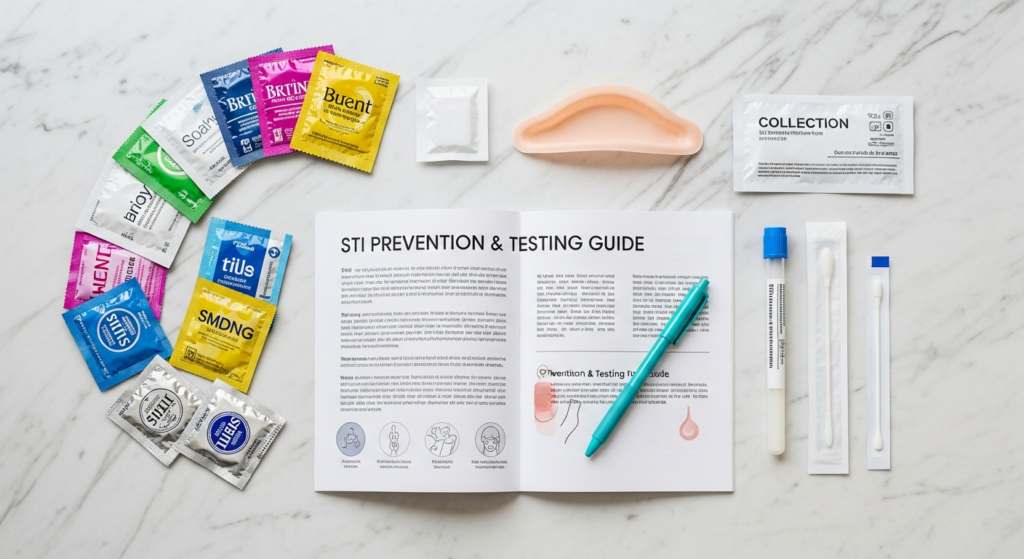
- Condoms (Male and Female): Latex condoms (or polyurethane for those with latex allergies) are highly effective at preventing the transmission of STIs like HIV, gonorrhea, chlamydia, and syphilis. They also offer significant protection against herpes and HPV transmission by covering affected areas.
-
Practical Tip: How to Use Condoms Correctly
Always use a new condom for each act of sex. Check the expiration date. Store condoms in a cool, dry place (not a wallet for extended periods, as heat can degrade them). Use only water- or silicone-based lubricants with latex condoms.
-
- Dental Dams: These thin, square sheets of latex or silicone are used as a barrier during oral-vaginal or oral-anal sex to prevent the spread of STIs.
-
Practical Tip: How to Use Dental Dams Effectively
Place the dental dam over the vulva or anus and hold it in place while engaging in oral sex. Use a new dam for each sexual act and avoid flipping it over.
-
It’s crucial to understand that barrier methods like condoms are primarily effective against STIs transmitted through fluids. For STIs transmitted via skin-to-skin contact in uncovered areas (e.g., herpes, HPV outside the condom-covered area), they offer reduced, but still significant, protection.
3. How Do Vaccinations Offer Powerful Medical Prevention Against STIs?
Vaccines offer a groundbreaking form of prevention against specific STIs:
- HPV Vaccine (Gardasil 9): This vaccine protects against nine types of human papillomavirus that cause most cervical cancers, anal cancers, and genital warts. The CDC recommends routine HPV vaccination for boys and girls at age 11 or 12, though it can be given as early as 9 and up to 26 years of age for those not previously vaccinated. Adults aged 27 through 45 who were not adequately vaccinated might also consider vaccination after discussion with their healthcare provider.
-
Practical Tip: Discussing HPV Vaccination with Your Doctor
Talk to your doctor about HPV vaccination for yourself or your children. It’s most effective when administered before any sexual activity begins.
-
- Hepatitis B Vaccine: The hepatitis B virus (HBV) can be transmitted sexually and can lead to serious liver disease. The HBV vaccine is routinely given to infants and is recommended for sexually active adults not previously vaccinated.
-
Practical Tip: Staying Up-to-Date on Hepatitis B Vaccination
Ensure you are up-to-date on your Hepatitis B vaccination, especially if you have multiple sexual partners or other risk factors.
-
4. How Can Behavioral Choices Reduce STI Risk Factors?
- Limiting the Number of Sexual Partners: The fewer sexual partners you have, the lower your risk of exposure to STIs. This is especially true if you and your partner have both been tested and are confirmed to be STI-negative.
- Mutual Monogamy: Being in a long-term, mutually monogamous relationship with a partner who has been tested and is STI-negative is a highly effective prevention strategy. Both partners must agree to only have sex with each other.
- Avoiding Alcohol and Drug Misuse: Substance use can impair judgment, leading to risky sexual behaviors that increase STI transmission likelihood.
5. Why is Open and Honest Communication Crucial for STI Prevention?
Discussing sexual health with partners can feel challenging, but it is an indispensable part of prevention. Before engaging in sexual activity, consider discussing:
- STI Status: Have both of you been tested recently? What were the results?
- Sexual History: While not a perfect indicator, understanding a partner’s past can help assess risk.
- Prevention Methods: Agree on which prevention methods you will use (e.g., condoms).
By integrating these pillars into your sexual health practices, you construct a formidable defense against STIs. This comprehensive approach is not about fear; it’s about empowerment, allowing you to enjoy healthy sexual relationships with confidence and peace of mind.
Why is Regular STI Testing Indispensable? Your Ultimate Prevention Guide
Even with diligent prevention efforts, regular STI testing remains an absolutely critical component of comprehensive sexual health. Many STIs are asymptomatic, meaning individuals can be infected and unknowingly transmit them to partners without ever experiencing symptoms. This silent spread is a primary reason why annual screening or more frequent testing for certain groups is not just recommended, but often essential. Ignoring the possibility of asymptomatic infection puts both your health and your partner’s health at significant risk, potentially leading to severe, long-term reproductive health complications.
Consider the CDC’s estimate that approximately 86% of the 1.7 million new chlamydia infections annually are asymptomatic. Similarly, a significant percentage of gonorrhea and early syphilis infections may present with no noticeable symptoms. This highlights the stark reality: you cannot know your STI status, or that of your partner, without getting tested. Testing transforms the unknown into actionable information, allowing for prompt treatment and breaking cycles of transmission.
Who Should Get Tested for STIs, and How Often?
Testing recommendations vary based on age, sexual activity, and risk factors. This part of our STI prevention and testing guide provides general guidelines, but individual situations may warrant different approaches, always best discussed with a healthcare provider.
- Sexually Active Women Under 25: The CDC recommends annual screening for chlamydia and gonorrhea due to higher prevalence and increased risk of reproductive complications like PID.
- Sexually Active Individuals with New or Multiple Partners:
If you have a new sexual partner or multiple partners, or if your partner has multiple partners, annual testing for chlamydia, gonorrhea, syphilis, and HIV is strongly recommended. More frequent testing (e.g., every 3-6 months) may be advisable depending on the number of partners and specific risk behaviors. - Pregnant Individuals: Screening for syphilis, HIV, and Hepatitis B is routinely recommended at the first prenatal visit. Chlamydia and gonorrhea screening may also be recommended, particularly for those under 25 or with risk factors. Early detection and treatment prevent serious health issues for both the pregnant individual and the baby.
- Individuals with Symptoms or Exposure: If you experience any symptoms of an STI (unusual discharge, sores, pain during urination, etc.) or have been notified that a partner has tested positive for an STI, seek testing and medical evaluation immediately.
- Men Who Have Sex with Men (MSM): MSM are at higher risk for certain STIs. Annual screening for HIV, syphilis, chlamydia (rectal and pharyngeal), and gonorrhea (rectal and pharyngeal) is recommended. More frequent testing (every 3-6 months) may be necessary for those with multiple or anonymous partners.
- Anyone Who Requests It: You have the right to request STI testing at any time, regardless of perceived risk factors. If you are sexually active and concerned about your health, testing is a responsible step.
What STIs Are Typically Screened For During Testing?
Standard STI panels often include tests for:
- Chlamydia
- Gonorrhea
- Syphilis
- HIV
- Hepatitis B and C
Tests for Herpes Simplex Virus (HSV) are typically only performed if symptoms are present, or if a partner has tested positive, as routine screening for asymptomatic individuals is not usually recommended. HPV is primarily screened for through cervical cancer screening (Pap tests) for women and can be managed with vaccination.
Regular testing isn’t just about identifying infection; it’s about peace of mind, responsible partnership, and proactive health management. It allows for early treatment, which often prevents severe complications, protects fertility, and stops further transmission. Embrace regular STI testing as an essential, empowering aspect of your reproductive health journey.
How to Navigate the STI Testing Process: What to Expect and How to Prepare

For many, the thought of getting tested for STIs can be daunting, associated with anxiety or embarrassment. However, understanding what to expect can significantly ease this apprehension. STI testing is a routine, confidential, and straightforward medical procedure designed to protect your health. Preparing effectively for your appointment and knowing the steps involved can make the experience much smoother and more empowering.
Where Can You Get Tested for STIs: Accessing Confidential Care
You have several options for STI testing, many of which prioritize confidentiality and affordability:
- Primary Care Provider (PCP): Your family doctor or internist can perform most routine STI tests during a regular check-up. This is often the most comfortable option as you already have an established relationship.
- Gynecologist or Urologist: Specialists in reproductive and urinary health are well-equipped to conduct comprehensive STI screenings.
- Public Health Clinics: Local health departments often offer low-cost or free STI testing services, prioritizing accessibility and anonymity. These clinics are excellent resources for those without insurance or who prefer a more anonymous setting.
- Planned Parenthood and Other Community Health Centers: Organizations like Planned Parenthood are leaders in sexual and reproductive healthcare, offering confidential testing, counseling, and treatment. They are often excellent resources for comprehensive care, including affordable options.
- Urgent Care Centers: Some urgent care clinics can provide STI testing, particularly if you have immediate symptoms or concerns.
What Types of Tests Are Used for STI Screening?
The type of test depends on the specific STI being screened for:
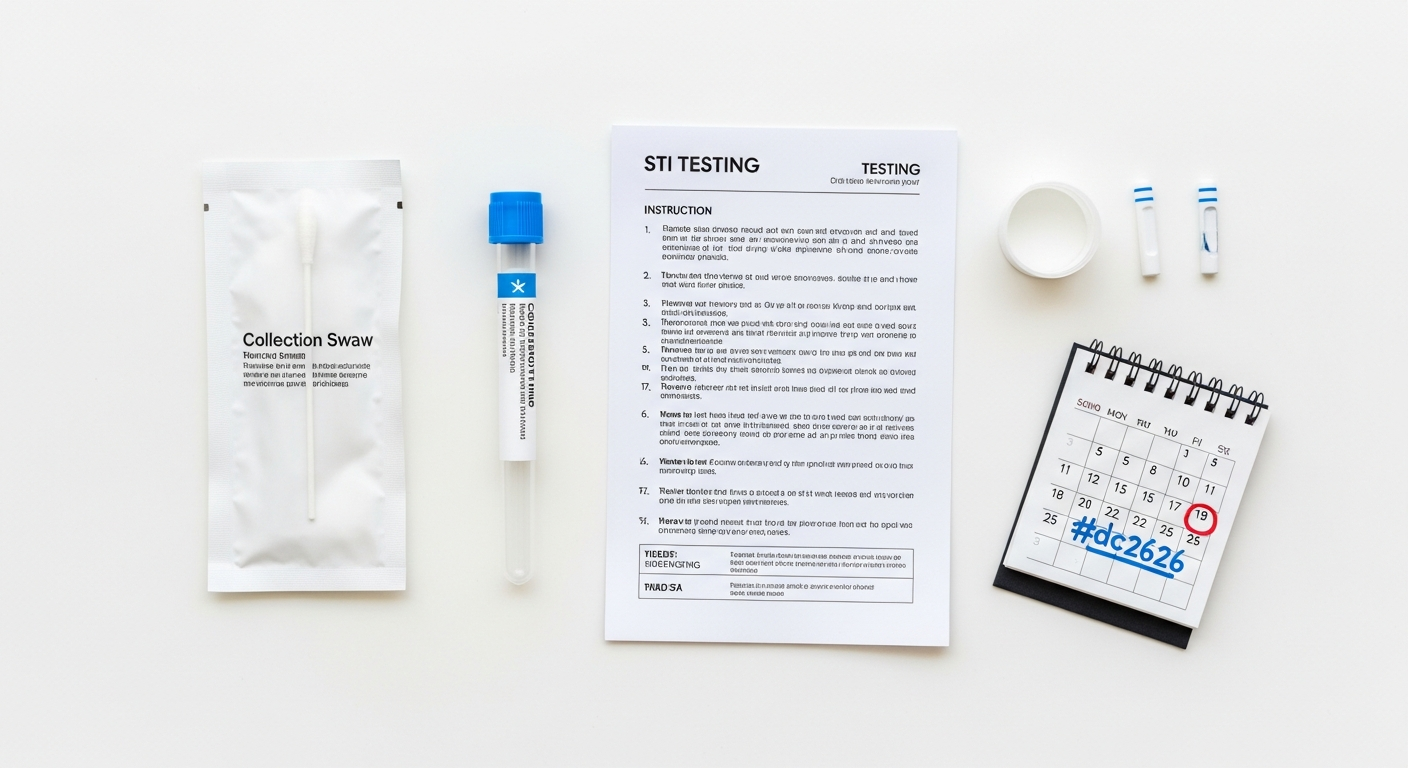
- Urine Test: Commonly used for chlamydia and gonorrhea. You simply provide a urine sample.
- Blood Test: Used to screen for HIV, syphilis, and hepatitis B/C. A small blood sample is drawn from a vein in your arm.
- Swab Tests:
- Genital Swabs: For women, a swab may be taken from the cervix during a pelvic exam to test for chlamydia and gonorrhea. For men, a urethral swab might be used if a urine sample isn’t sufficient or if there are specific symptoms.
- Oral/Rectal Swabs: If you engage in oral or anal sex, swabs may be taken from the throat and rectum to test for chlamydia and gonorrhea, as infections can occur in these sites and be asymptomatic.
- Lesion Swabs: If you have visible sores or lesions, a swab may be taken directly from the lesion to test for herpes or syphilis.
How to Prepare for Your STI Testing Appointment: Practical Steps
Taking a few simple steps can ensure your testing experience is efficient and accurate:
- Do Your Research: Before your appointment, consider what STIs you want to be tested for based on your sexual activity and risk factors.
- Be Honest with Your Provider: Your healthcare provider is there to help, not to judge. Be open about your sexual history and any concerns you have. This allows them to recommend the most appropriate tests. For example, if you engage in oral or anal sex, inform your provider so they can test those specific sites.
- Ask About Costs and Insurance: Before your visit, inquire about the cost of tests and whether your insurance covers them. Many clinics offer sliding scale fees or free testing for those who qualify.
- Avoid Urinating Before a Urine Test: If you are getting a urine test for chlamydia or gonorrhea, try to avoid urinating for at least one to two hours before your appointment. This ensures a higher concentration of bacteria, leading to more accurate results.
- Bring a List of Questions: Prepare a list of any questions or concerns you have about STIs, prevention, testing frequency, or partner notification.
How to Understand STI Test Results and Follow-Up Care?
Test results typically take a few days to a week. Your provider will discuss your results with you, whether positive or negative. If positive, they will outline the treatment plan and discuss partner notification strategies. It’s crucial to follow up with your provider as instructed and complete any prescribed treatment. Remember, a negative result means you were not infected at the time of testing, but it does not protect you from future infections. Continued prevention and periodic re-testing are essential.
Navigating STI testing is a proactive step towards taking control of your reproductive health. By understanding the process, you can approach it with confidence and clarity, ensuring you receive the best possible care.
How are STIs Effectively Managed and Treated?
Receiving an STI diagnosis can be an emotional experience, but it’s crucial to remember that it is not a judgment or a reflection of your worth. It is a health condition that requires attention and management. The good news is that most STIs are treatable, and even those that are not curable are often manageable with proper medical care. Prompt and effective treatment is paramount not only for resolving symptoms and preventing severe health complications but also for stopping the chain of transmission to others.
Why is Prompt Treatment for STIs Important?
Delaying treatment for an STI can have serious consequences, particularly for reproductive health:
- Preventing Complications: For bacterial STIs like chlamydia and gonorrhea, prompt antibiotic treatment can prevent progression to Pelvic Inflammatory Disease (PID) in women, which can lead to chronic pain, ectopic pregnancy, and infertility. In men, it can prevent epididymitis and urethral strictures. Syphilis, if treated early, can be cured before it causes long-term organ damage.
- Reducing Transmission: Treating an STI quickly reduces the period during which you are infectious, thereby lowering the risk of transmitting the infection to sexual partners.
- Improving Quality of Life: Treating symptoms like pain, discharge, or sores significantly improves comfort and overall well-being.
What are the Treatment Options for Common STIs?
- Curable STIs (Bacterial and Parasitic):
- Chlamydia, Gonorrhea, Syphilis, Trichomoniasis: These are typically treated with antibiotics, often a single dose or a course of medication lasting several days. It’s crucial to take all prescribed medication, even if symptoms improve, to ensure the infection is fully eradicated. For example, uncomplicated gonorrhea is often treated with an injectable antibiotic (ceftriaxone) plus an oral antibiotic (azithromycin), while chlamydia often requires a single dose of azithromycin or a 7-day course of doxycycline.
-
Practical Tip: Post-Treatment Guidelines for Curable STIs
After treatment for these STIs, you should abstain from sexual activity until both you and your partner(s) have completed treatment and any symptoms have resolved. A follow-up test (test of cure) may be recommended, particularly for gonorrhea, to ensure the infection is gone.
- Manageable STIs (Viral):
- Herpes Simplex Virus (HSV): There is no cure for herpes, but antiviral medications (like acyclovir, valacyclovir, or famciclovir) can suppress outbreaks, reduce the severity and duration of symptoms, and decrease the likelihood of transmission to partners.
- Human Papillomavirus (HPV): While there’s no cure for the virus itself, the symptoms of HPV (like genital warts or precancerous lesions) can be treated. Warts can be removed through various methods (cryotherapy, laser treatment, surgical excision, topical medications). Precancerous cervical changes are monitored and treated to prevent progression to cancer. The HPV vaccine prevents new infections.
- Human Immunodeficiency Virus (HIV): While currently no cure exists, advancements in antiretroviral therapy (ART) have transformed HIV into a manageable chronic condition. ART involves taking a combination of medications daily to suppress the virus, allowing individuals with HIV to live long, healthy lives and preventing transmission to others (Undetectable = Untransmittable or U=U).
-
Practical Tip: Managing an HIV Diagnosis and Prevention Tools
If you are diagnosed with HIV, immediately seek specialized care. Adherence to ART is critical for its effectiveness. Pre-Exposure Prophylaxis (PrEP) and Post-Exposure Prophylaxis (PEP) are also powerful tools for preventing HIV infection.
-
Why is Partner Notification and Treatment a Shared Responsibility?
An essential, yet often challenging, aspect of STI management is partner notification. If you test positive for an STI, it’s vital to inform recent sexual partners so they can also get tested and treated. This prevents reinfection for you and stops further spread in the community. Your healthcare provider can assist with strategies for partner notification, including anonymous options in some jurisdictions. Public health departments often offer confidential partner services to help facilitate this process, alleviating the burden on the individual.
What Does Living with an STI Entail Beyond Treatment?
Effective STI management is a testament to the power of medical science and personal responsibility. By adhering to treatment, ensuring partner notification, and committing to ongoing health practices, you contribute not only to your own well-being but also to the health of your community.
How Do Advocacy and Education Empower Reproductive Well-being?
Beyond individual prevention and testing strategies, the broader landscape of reproductive health is significantly shaped by advocacy and education. At Protect Families Protect Choices, we understand that true empowerment comes from systemic support that ensures everyone has equitable access to information, resources, and care. Addressing the societal factors that contribute to STI prevalence—such as stigma, lack of comprehensive sex education, and barriers to healthcare—is crucial for fostering a healthier future for all families and individuals.
How Can We Combat Stigma and Misinformation Around STIs?
One of the most insidious barriers to effective STI prevention and testing is the pervasive stigma surrounding sexual health. Shame and judgment often deter individuals from seeking testing, discussing their status with partners, or adhering to treatment. This creates a cycle of silence and continued transmission. Our role, and yours, is to challenge this stigma by:
- Normalizing Conversations: Speaking openly and factually about STIs, emphasizing that they are common health conditions, not moral failings.
- Using Respectful Language: Opting for “STI” (Sexually Transmitted Infection) over “STD” (Sexually Transmitted Disease) can help destigmatize, as many infections are treatable and not always disease-level.
- Sharing Accurate Information: Counteracting myths and misinformation with evidence-based facts, like those presented in this STI prevention and testing guide.
Why is Comprehensive Sex Education Imperative for STI Prevention?
Comprehensive sexuality education (CSE) is a cornerstone of effective STI prevention. It goes beyond mere biological facts, encompassing discussions on consent, healthy relationships, communication skills, contraception, and the full spectrum of STIs. Studies consistently show that CSE does not encourage promiscuity; instead, it equips young people with the knowledge and skills to make responsible decisions about their sexual health, reducing unintended pregnancies and STI rates. For instance, data from the Guttmacher Institute indicates that states with mandates for comprehensive sex education have lower teen birth rates and lower rates of specific STIs compared to states that emphasize abstinence-only education.
- Advocacy Tip: Support policies and initiatives that promote comprehensive, age-appropriate, and medically accurate sex education in schools and communities. Advocate for curricula that are inclusive of diverse identities and experiences.
How Can We Ensure Equitable Access to STI Healthcare?
Even with the best information, prevention and testing are impossible without access to affordable and accessible healthcare services. Many individuals face significant barriers, including:
- Cost: High co-pays, deductibles, or lack of insurance can make testing and treatment prohibitively expensive.
- Geographic Barriers: Rural areas often lack clinics or specialists, requiring long travel distances.
- Confidentiality Concerns: Adolescents and young adults may fear that their parents will be notified of their sexual health visits, deterring them from seeking care.
- Discriminatory Practices: LGBTQ+ individuals and other marginalized communities sometimes face bias or a lack of culturally competent care, leading to avoidance of healthcare settings.
Organizations like Protect Families Protect Choices actively work to dismantle these barriers by advocating for policies that expand healthcare access, protect patient confidentiality, and fund community health centers. Ensuring robust funding for public health initiatives and reproductive health services is paramount to reducing STI prevalence and improving overall public health.
How Can Individuals and Communities Empower Action for Reproductive Health?
Your individual actions, combined with collective advocacy, can drive significant change. By informing yourself, getting tested, and encouraging open dialogue, you become part of the solution. Support organizations that champion reproductive rights and access to sexual health services. Share this guide and other reliable resources with your friends and family. Your voice and your choices contribute to a healthier, more informed society where every individual can make empowered decisions about their body and their future.
Conclusion: Empowering Your Reproductive Health Journey
Navigating the landscape of sexual health can feel complex, but with the right knowledge and proactive steps, you can confidently safeguard your reproductive well-being. This comprehensive STI prevention and testing guide has underscored that understanding STIs, embracing diligent prevention strategies, and committing to regular testing are not merely medical recommendations; they are acts of self-care and responsible partnership. From the efficacy of barrier methods and the transformative power of vaccines to the life-saving potential of early diagnosis and treatment, every aspect of sexual health management plays a vital role in preventing severe, long-term complications such as infertility and chronic pain.
Remember that knowledge is your most powerful tool. Do not let stigma or misinformation deter you from seeking the care you deserve. Open communication with your partners and healthcare providers creates an environment of trust and safety, essential for a healthy sexual life. At Protect Families Protect Choices, we champion your right to comprehensive, non-judgmental information and accessible healthcare services. We encourage you to take this information and translate it into action, not just for your own benefit, but for the health of your community. Take control of your reproductive health journey today. Your next step could be life-changing.
Clear Next Step: If you are sexually active and haven’t been tested recently, or if you have any questions or concerns about your sexual health, schedule an appointment with your healthcare provider or visit a local community health clinic. Prioritize your well-being – it’s an investment in your future.
Frequently Asked Questions
How often should I get tested for STIs if I am sexually active?▾
Can I get an STI even if I use condoms every time?▾
What should I do if my partner tests positive for an STI?▾
Is STI testing confidential?▾
What are the long-term effects of untreated STIs on reproductive health?▾