Understanding Domestic Violence: More Than Physical Harm
When many people hear the term “domestic violence,” their minds often conjure images of physical assault. While physical abuse is undeniably a core component, it represents only one facet of a much broader and insidious problem. Domestic violence, also known as intimate partner violence (IPV), encompasses a pattern of abusive behaviors used by one partner to gain or maintain power and control over another in an intimate relationship. This control can manifest in various destructive ways, each leaving its own detrimental mark on the survivor and their family.
It’s crucial to recognize the diverse forms domestic violence can take:
- Physical Abuse: This includes hitting, slapping, pushing, kicking, biting, strangling, using weapons, or any action intended to cause bodily harm. Even seemingly minor physical acts, when part of a pattern, contribute to a climate of fear.
- Emotional/Psychological Abuse: Often the most difficult to identify and prove, this form of abuse involves behaviors that damage a person’s self-worth and mental health. Examples include constant criticism, humiliation, gaslighting (making someone doubt their own sanity), threats, intimidation, isolation from friends and family, and extreme jealousy.
- Sexual Abuse: Any non-consensual sexual act, forced sexual contact, or exploitation. This can occur within a marriage or committed relationship, as consent cannot be assumed simply because of the relationship status. It also includes coercing someone into unwanted sexual acts or withholding affection as punishment.
- Financial Abuse: This involves controlling a partner’s access to money, preventing them from working, sabotaging their employment, accumulating debt in their name, or withholding funds needed for basic necessities like food, housing, or healthcare. This form of abuse often creates significant barriers to leaving an abusive relationship.
- Stalking: A pattern of repeated, unwanted attention and harassment that causes fear for one’s safety or the safety of others. This can include unwanted calls, texts, emails, showing up unannounced, or tracking movements.
The impact of domestic violence reverberates far beyond the immediate target of abuse. Children who witness domestic violence, even if they are not physically harmed themselves, often suffer significant psychological trauma. They may develop anxiety, depression, behavioral problems, difficulty forming healthy relationships, or even perpetuate cycles of violence as adults. The constant stress and fear inherent in an abusive environment can impede a child’s development and disrupt their sense of security. Recognizing these varied forms of abuse is the first step toward understanding the profound need for comprehensive domestic violence resources for families.
Immediate Safety Planning and Emergency Domestic Violence Resources for Families
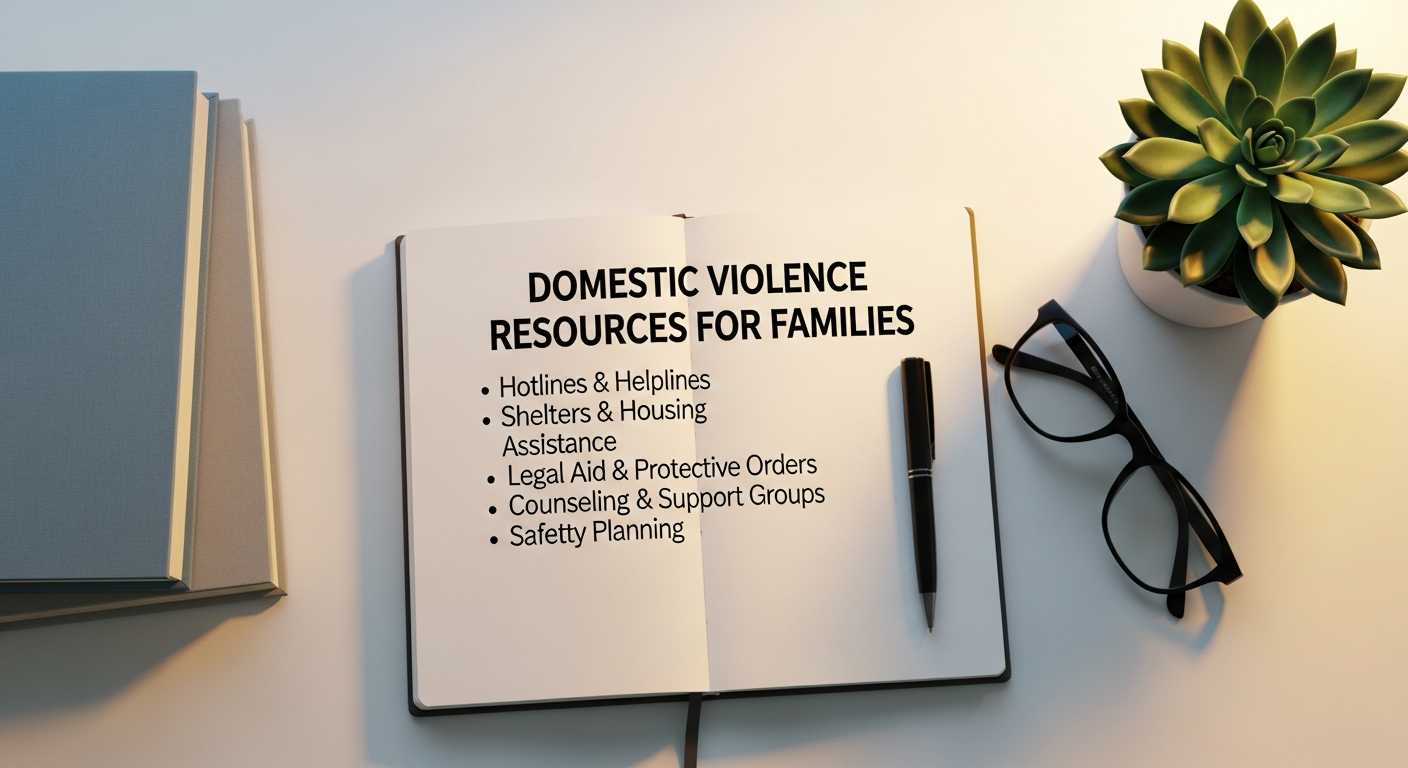
For individuals and families experiencing domestic violence, safety is the paramount concern. Developing an immediate safety plan and knowing where to access emergency resources can be life-saving. The decision to leave an abusive situation is often the most dangerous time for a survivor, making preparedness critical.
Developing a Safety Plan
A safety plan is a personalized, practical plan that helps someone prepare for and respond to abuse. It involves thinking through various scenarios and identifying steps to take to increase safety. Key elements of a safety plan include:
- Emergency Contacts: Keep a list of trusted friends, family members, or emergency services providers readily accessible.
- Escape Bag/Go Bag: Prepare a bag with essential items that can be quickly grabbed in an emergency. This should include important documents (birth certificates, IDs, social security cards, marriage licenses, medical records), cash, medications, a spare phone with emergency numbers, and a change of clothes. Store it in a discreet but accessible location.
- Communication Plan: Establish a code word or signal with trusted individuals that indicates you need help without alerting the abuser.
- Digital Safety: Abusers often monitor electronic devices. Consider using a separate, secure phone or computer for communication related to safety planning. Clear your browser history and be mindful of location services.
- Safe Places: Identify safe places to go in an emergency, such as a friend’s house, a family member’s home, or a domestic violence shelter.
- Children’s Safety Plan: If children are involved, discuss with them (in an age-appropriate way) what to do if an emergency arises, such as where to go or whom to call.
Emergency Resources
Access to immediate support is vital. These resources are designed to provide urgent assistance:
- National Domestic Violence Hotline: Available 24/7, this hotline provides confidential support, crisis intervention, and referrals to local resources. You can reach them at 1-800-799-SAFE (7233) or visit thehotline.org.
- Local Domestic Violence Shelters and Programs: These organizations offer safe temporary housing, often with counseling, legal advocacy, and other support services. Finding a local shelter is often best done through the National Hotline or local government social services.
- 911/Emergency Services: In immediate danger, always call 911. Police can intervene to stop violence and connect survivors with emergency resources.
- Legal Aid and Protective Orders: Many legal aid societies or domestic violence programs can assist with obtaining restraining orders (also known as protective orders or orders of protection), which legally prohibit an abuser from contacting or coming near the survivor and their children.
Taking steps towards safety, no matter how small, can be incredibly empowering. These emergency domestic violence resources for families are designed to offer immediate relief and a pathway to a safer future.
Long-Term Support and Healing: Comprehensive Domestic Violence Resources for Families
Counseling and Therapy
Therapy plays a critical role in processing trauma, developing coping mechanisms, and regaining a sense of self-worth and agency. Different types of counseling can be beneficial:
- Individual Therapy: A safe space to explore feelings, address trauma, reduce anxiety and depression, and develop healthy self-esteem. Therapists specializing in trauma-informed care are particularly helpful.
- Group Therapy/Support Groups: Connecting with other survivors can reduce feelings of isolation and validate experiences. Sharing stories and strategies in a supportive environment fosters a sense of community and collective healing. These groups often provide practical advice and emotional solidarity.
- Family Counseling: For families where children have witnessed abuse, family therapy can help process the trauma collectively, improve communication, and rebuild healthy family dynamics.
Advocacy Services
Navigating complex systems can be overwhelming for survivors. Advocates provide invaluable support:
- Legal Advocacy: Assisting with understanding legal rights, navigating court proceedings (custody battles, divorce, protective orders), and connecting with pro bono legal services.
- Housing Advocacy: Helping survivors find safe, affordable housing, which is often a significant barrier after leaving an abuser. This can include assistance with housing applications, understanding tenant rights, and accessing housing programs.
- Employment Advocacy: Supporting survivors in finding and maintaining employment, which is vital for financial independence. This might include resume building, job search assistance, and understanding workplace protections.
Financial Empowerment Programs
Financial abuse is a common tactic used by abusers to maintain control. Therefore, financial independence is a cornerstone of long-term stability and freedom from abuse.
- Financial Literacy Workshops: Education on budgeting, managing credit, saving, and understanding financial systems.
- Job Training and Placement: Programs designed to equip survivors with new skills and connect them with employment opportunities.
- Micro-loans or Grants: Some organizations offer small financial aid to help survivors establish new households or pursue education.
Community Resources and Education
A supportive community is essential for long-term healing. Many communities offer:
- Resource Centers: Centralized locations providing information and referrals for various services, from food assistance to childcare.
- Educational Workshops: Programs that raise awareness about domestic violence, teach healthy relationship skills, and empower individuals to prevent future abuse.
The path to healing is unique for everyone, but these comprehensive domestic violence resources for families provide the necessary tools and support to navigate recovery and build a life free from violence. It’s a testament to resilience and the unwavering commitment of advocates that such extensive support networks exist.
Protecting Vulnerable Family Members: Children and Teens
Children and teenagers are particularly vulnerable to the devastating effects of domestic violence, whether they are direct targets of abuse or witnesses to it. The trauma they experience can profoundly impact their development, mental health, and future relationships. Providing specialized domestic violence resources for families that specifically address the needs of children and teens is paramount for breaking intergenerational cycles of violence and fostering healthy development.
Impact on Child Development
Exposure to domestic violence can manifest in various ways in children, often depending on their age and individual resilience:
- Infants and Toddlers: May exhibit developmental delays, sleep disturbances, excessive crying, or clinginess.
- Preschoolers: Can show regressive behaviors (e.g., bedwetting), increased aggression or anxiety, difficulty separating from caregivers, or nightmares.
- School-Aged Children: May struggle with academic performance, have difficulty concentrating, exhibit behavioral problems (acting out or withdrawal), or experience anxiety, depression, and low self-esteem.
- Adolescents: Can display a wide range of issues including depression, anxiety, substance abuse, risky sexual behaviors, eating disorders, difficulties in peer relationships, and a propensity to either perpetuate or be victimized by violence in their own relationships.
The constant stress of living in an abusive environment can also have long-term effects on brain development and stress response systems, contributing to chronic health issues later in life.
Child-Focused Therapy and Support
Specialized interventions are crucial for helping children process and heal from trauma:
- Trauma-Focused Cognitive Behavioral Therapy (TF-CBT): An evidence-based therapy designed to help children and adolescents recover from traumatic experiences.
- Play Therapy: Particularly effective for younger children, allowing them to express their emotions and experiences through play in a safe environment.
- Art Therapy: Provides an alternative outlet for expression when verbal communication is difficult.
- Support Groups for Children: Facilitated groups where children can connect with peers who have similar experiences, reducing feelings of isolation.
Addressing Teen Experiences and Prevention
Teenagers face unique challenges when exposed to domestic violence. They are at a critical stage of identity formation and relationship development. Witnessing violence can distort their understanding of healthy relationships, making them more susceptible to unhealthy patterns themselves. It is vital to provide resources that address these specific vulnerabilities.
- Teen-Specific Support Groups: Spaces where teens can discuss their experiences, learn about healthy relationships, and develop coping strategies.
- School-Based Programs: Educational initiatives within schools that teach about consent, healthy boundaries, conflict resolution, and the dangers of dating violence.
- Mentorship Programs: Connecting teens with positive adult role models who can provide guidance and support.
Furthermore, the environment of domestic violence significantly impacts a teen’s overall well-being and decision-making capabilities, including choices related to their reproductive health. In households marked by instability and fear, teenagers may lack the guidance, safety, and autonomy needed to make informed decisions about their bodies and futures. This is where Teen Pregnancy Prevention Programs become especially critical. These programs not only educate teens about contraception and safe sex practices but also empower them with life skills, communication strategies, and the confidence to advocate for themselves in relationships. By fostering environments of respect and autonomy, these programs help teens avoid unintended pregnancies and sexually transmitted infections, promoting their long-term health and educational attainment. They are a crucial component of the broader domestic violence resources for families, as they address the cascading effects of unsafe home environments on adolescent health outcomes.
Protecting the youngest members of our families from the enduring trauma of domestic violence requires a concerted effort to provide specialized support, therapeutic interventions, and educational programs that empower them to heal and build healthier futures.
Empowering Health Choices: Beyond Immediate Safety
Survivors of domestic violence often face significant barriers to accessing healthcare and making autonomous health decisions. The control exerted by an abuser can extend to preventing access to medical care, sabotaging appointments, or even dictating reproductive choices. Therefore, a critical component of comprehensive domestic violence resources for families must include support for empowering health choices and ensuring access to vital healthcare services.
The Interconnectedness of Violence and Health
Domestic violence has profound and lasting effects on both physical and mental health. Survivors often experience a higher incidence of chronic pain, gastrointestinal issues, neurological symptoms, and cardiovascular problems due to chronic stress and physical injuries. Mentally, anxiety, depression, PTSD, and substance abuse are common. Addressing these health consequences is integral to healing.
- Primary Care Access: Encouraging regular check-ups and ensuring access to a trusted primary care physician who understands trauma-informed care. These providers can identify signs of abuse and connect survivors with appropriate support.
- Mental Health Services: Emphasizing the importance of therapy and counseling to address the psychological impacts of abuse.
- Substance Abuse Treatment: Providing resources for those who may have turned to drugs or alcohol as coping mechanisms.
Understanding Reproductive Health and Autonomy
A survivor’s ability to make independent choices about their body and reproductive life is often severely compromised by domestic violence. Abusers may control contraception, coerce pregnancy, or force abortions, stripping away fundamental autonomy. Therefore, providing education and access to reproductive health services is a cornerstone of empowerment.
What Is Reproductive Health? Reproductive health is a state of complete physical, mental, and social well-being, and not merely the absence of disease or infirmity, in all matters relating to the reproductive system and its functions and processes. It implies that people are able to have a responsible, satisfying, and safe sex life and that they have the capability to reproduce and the freedom to decide if, when, and how often to do so. This includes access to information, methods of family planning of their choice, and other safe, effective, affordable, and acceptable methods of fertility regulation, as well as access to appropriate healthcare services that enable women to have safe pregnancies and childbirth. For survivors of domestic violence, asserting control over their reproductive health is a powerful step towards regaining autonomy.
Key reproductive health resources include:
- Family Planning Services: Access to a full range of contraceptive methods, counseling, and information to prevent unintended pregnancies.
- Prenatal and Postnatal Care: Ensuring safe pregnancies and deliveries, with support for mothers and newborns.
- Sexual Health Screenings: Regular screenings for sexually transmitted infections (STIs), especially relevant if sexual abuse has occurred.
- Confidentiality and Privacy: Ensuring healthcare providers understand the need for strict confidentiality, especially when an abuser may attempt to access medical records or interfere with care.
Prioritizing Breast Health and Cancer Screenings
In the midst of crisis and survival, routine health screenings, such as those for breast health, can often be neglected. However, early detection is critical for successful treatment, and survivors of domestic violence deserve equitable access to these life-saving services.
A Breast Health And Mammogram Guide is an essential resource for all women, but particularly for those who may have experienced barriers to care. This guide typically outlines:
- Importance of Self-Exams: How to perform regular breast self-exams and what changes to look for.
- Clinical Breast Exams: The recommendation for regular clinical exams by a healthcare professional.
- Mammogram Guidelines: Information on when to start mammograms (typically beginning at age 40 or 50, depending on risk factors and guidelines), how often to get them, and what to expect during the procedure.
- Risk Factors: Understanding personal risk factors for breast cancer and discussing them with a doctor.
- Access to Screenings: Information on where to find low-cost or free mammogram screenings, which is vital for survivors who may face financial hardship.
By integrating comprehensive reproductive health and breast health resources into the broader framework of domestic violence resources for families, we ensure that survivors can regain control over their bodies, make informed choices, and prioritize their overall well-being as they rebuild their lives. This holistic approach is fundamental to fostering true empowerment and long-term health.
Legal Pathways and Advocacy: Navigating the System
The legal system can be a daunting and complex maze for survivors of domestic violence, yet it often provides critical avenues for protection, justice, and establishing independence. Legal aid and advocacy are indispensable domestic violence resources for families seeking to navigate these complexities and secure their rights.
Understanding Legal Options for Protection
One of the most immediate legal protections available is a protective order, also known as a restraining order or order of protection. These civil court orders are designed to prevent an abuser from contacting, harassing, or coming within a certain distance of the survivor and often their children. Violating a protective order can lead to serious legal consequences for the abuser, including arrest.
- Types of Protective Orders: Different jurisdictions may have various types of orders (e.g., emergency, temporary, permanent) with varying durations and conditions.
- How to Obtain One: Typically involves filing a petition with the court, providing evidence of abuse, and attending a hearing.
- Enforcement: Understanding how police can enforce these orders and what to do if an abuser violates them.
Family Law Matters: Custody and Divorce
When children are involved, custody and visitation arrangements become central concerns. Domestic violence is a significant factor in custody decisions, as courts prioritize the safety and best interests of the children.
- Custody Battles: Legal advocates can help survivors argue for sole custody or supervised visitation to ensure children’s safety.
- Divorce Proceedings: Navigating divorce while dealing with abuse requires specialized legal expertise to protect assets, secure financial support (alimony/spousal support), and ensure a fair division of property.
- Child Support: Establishing child support orders to ensure financial provision for children.
Access to Legal Aid Services
Financial barriers often prevent survivors from affording legal representation. Several resources are available to bridge this gap:
- Legal Aid Societies: Non-profit organizations that provide free or low-cost legal services to individuals who meet certain income requirements. Many specialize in family law and domestic violence cases.
- Pro Bono Programs: Bar associations and private law firms often offer pro bono (free) legal services to survivors through specific programs.
- Victim Advocates: Many domestic violence programs employ legal advocates who can assist survivors with understanding their rights, preparing court documents, and accompanying them to court, even if they cannot provide direct legal representation.
Victim Compensation Programs
Many states have victim compensation programs designed to help offset financial burdens incurred due to crime, including domestic violence. These programs can cover expenses such as medical bills, counseling costs, lost wages, and relocation expenses. Eligibility requirements vary by state, but advocates can assist with the application process.
Advocacy for Policy Changes
Beyond individual cases, legal advocates and organizations dedicated to ending domestic violence also work towards systemic change. This includes advocating for stronger laws, improved enforcement, and policies that better protect survivors and hold abusers accountable. Participating in these broader efforts, even through supporting organizations, contributes to creating a safer society for all families.
Navigating the legal system is a challenging but often necessary step towards securing safety and justice. The availability of robust legal domestic violence resources for families ensures that survivors have the support they need to assert their rights and build a legally protected future.
Community Involvement and Prevention: A Collective Responsibility
Ending domestic violence requires more than just providing resources for survivors; it demands a fundamental shift in societal attitudes and a collective commitment to prevention. Communities play a pivotal role in creating environments where domestic violence is not tolerated, where help is readily available, and where everyone feels empowered to act. Protect Families Protect Choices believes that prevention is intrinsically linked to protection, and active community involvement is the cornerstone of effective prevention strategies.
How Communities Can Support Survivors
A supportive community network can make a significant difference in a survivor’s journey toward healing and independence.
- Creating Safe Spaces: Local businesses, churches, and community centers can declare themselves safe spaces, visibly indicating that they are places where survivors can seek immediate help or information without fear.
- Resource Sharing: Ensuring that information about local domestic violence resources for families is widely disseminated and easily accessible in public places, libraries, and community organizations.
- Volunteering and Donations: Supporting local domestic violence shelters and programs through volunteering time, donating essential items, or financial contributions.
- Supporting Advocacy Organizations: Lending support to groups working to improve services and advocate for policy changes.
Recognizing the Signs of Abuse
Empowering community members to recognize the signs of abuse is a critical step in prevention. Abuse often happens behind closed doors, but subtle indicators can be present. These signs can include:
- Physical Signs: Visible injuries (bruises, cuts, burns), frequent “accidents,” or attempts to conceal injuries.
- Behavioral Changes: Withdrawal, isolation, anxiety, depression, sudden changes in personality, fear of a partner, or difficulty making decisions.
- Controlling Behaviors: A partner who is excessively jealous, constantly calls or texts, controls finances, monitors movements, or isolates the individual from friends and family.
- Verbal Cues: A person making excuses for a partner’s behavior, downplaying abuse, or expressing fear of their partner’s reactions.
It’s important to approach someone you suspect is experiencing abuse with care, compassion, and non-judgment. Offer support, listen without pressuring, and provide information about available resources.
Prevention Programs and Education
True prevention focuses on addressing the root causes of violence and fostering healthy norms. These programs often target different age groups and community sectors:
- Early Childhood Programs: Promoting healthy emotional development and conflict resolution skills in young children.
- School-Based Curricula: Educating children and teenagers about healthy relationships, consent, respect, and gender equality. These programs are vital in challenging harmful stereotypes and promoting positive relationship dynamics from an early age.
- Bystander Intervention Training: Empowering individuals to safely and effectively intervene when they witness potentially abusive behavior.
- Public Awareness Campaigns: Challenging societal norms that condone violence, promote gender inequality, or normalize controlling behaviors. These campaigns aim to shift cultural attitudes and promote a zero-tolerance approach to domestic violence.
- Programs for Perpetrators: While the focus is often on survivors, programs that hold abusers accountable and aim to change their behavior are also a component of community prevention efforts. These programs are typically court-mandated and focus on anger management, empathy, and non-violent communication.
The Role of Bystanders
Bystanders have a powerful role to play in preventing domestic violence. By speaking up, intervening safely, or simply offering support to someone at risk, bystanders can disrupt patterns of abuse and send a clear message that violence is unacceptable. This could involve direct intervention, creating a distraction, or delegating by calling for help from others or authorities.
Ultimately, creating a society free from domestic violence is a shared responsibility. By understanding the problem, recognizing the signs, and actively participating in prevention and support efforts, every community member contributes to the collective safety and well-being of families. The year 2026 can be a landmark year for progress if we collectively commit to strengthening these community-based domestic violence resources for families and fostering a culture of respect and non-violence.
Frequently Asked Questions
Recommended Resources
For more on domestic violence resources, see Anxiety Management Tips That Work on Diaal News.
Learn more about this topic in Injection Molding Process Guide at Mitsubishi Manufacturing.