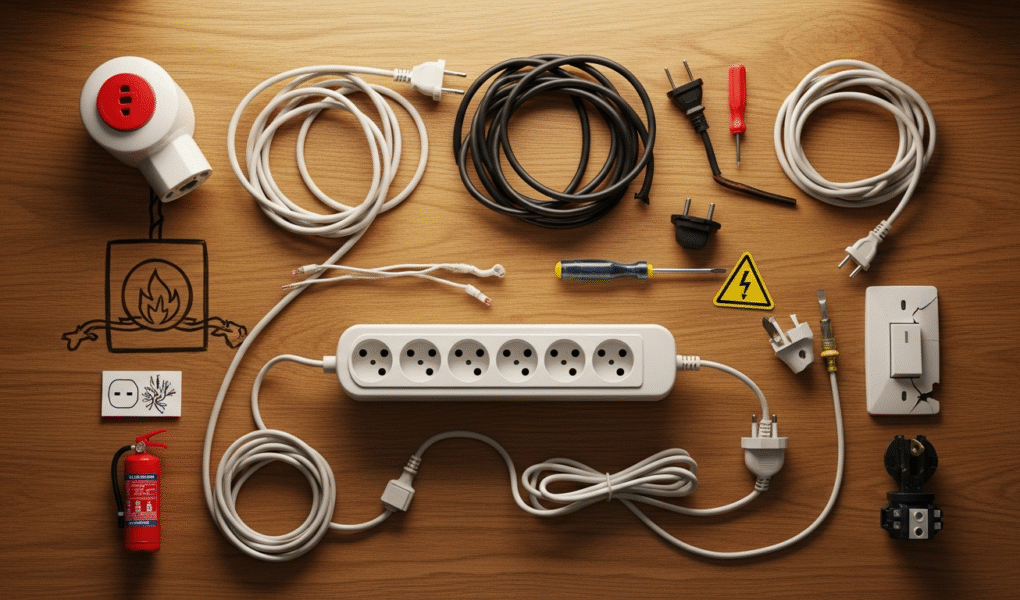
Understanding the Risks: Why Electrical Safety Matters for Every Family
In our modern world, electricity is an indispensable force, powering everything from our refrigerators to our beloved smart devices. Yet, with its convenience comes inherent risks that, if overlooked, can lead to serious consequences for our families. Electrical accidents are alarmingly common, ranging from minor shocks and burns to devastating house fires. For children, these risks are amplified due to their natural curiosity, smaller size, and developing understanding of danger. As parents and caregivers, it’s our inherent duty to be vigilant, proactive, and knowledgeable about these potential hazards.
Consider the silent dangers lurking in plain sight: frayed cords hidden behind furniture, overloaded outlets struggling to power multiple devices, or un-capped receptacles tempting tiny fingers. Each of these scenarios represents a potential pathway to harm. Electrical fires, often originating from faulty wiring, overloaded circuits, or improper appliance use, can spread rapidly, endangering lives and destroying homes. Non-fatal electrical shocks can cause severe burns, nerve damage, or internal injuries, while even a seemingly minor shock can trigger cardiac arrest, especially in children. These are not just statistics; they are real threats to the sanctity of our family spaces.
Beyond the immediate physical dangers, the emotional toll of an electrical accident can be profound and lasting. A fire, a serious injury, or even a close call can leave psychological scars that require significant time and care to heal. This is why a proactive approach to electrical safety is so vital. It aligns perfectly with broader home safety tips for every family, which emphasize prevention, preparedness, and continuous vigilance. By addressing electrical hazards head-on, we minimize the chances of a traumatic event, allowing our children to grow up in an environment where their physical and emotional well-being is consistently prioritized. This foundational safety enables families to focus on thriving, making choices, and advocating for their rights without the constant shadow of preventable accidents. Understanding these risks isn’t about fostering fear; it’s about empowering ourselves with the knowledge to create the safest possible haven for those we cherish most.
Essential Electrical Safety Practices for Parents and Caregivers
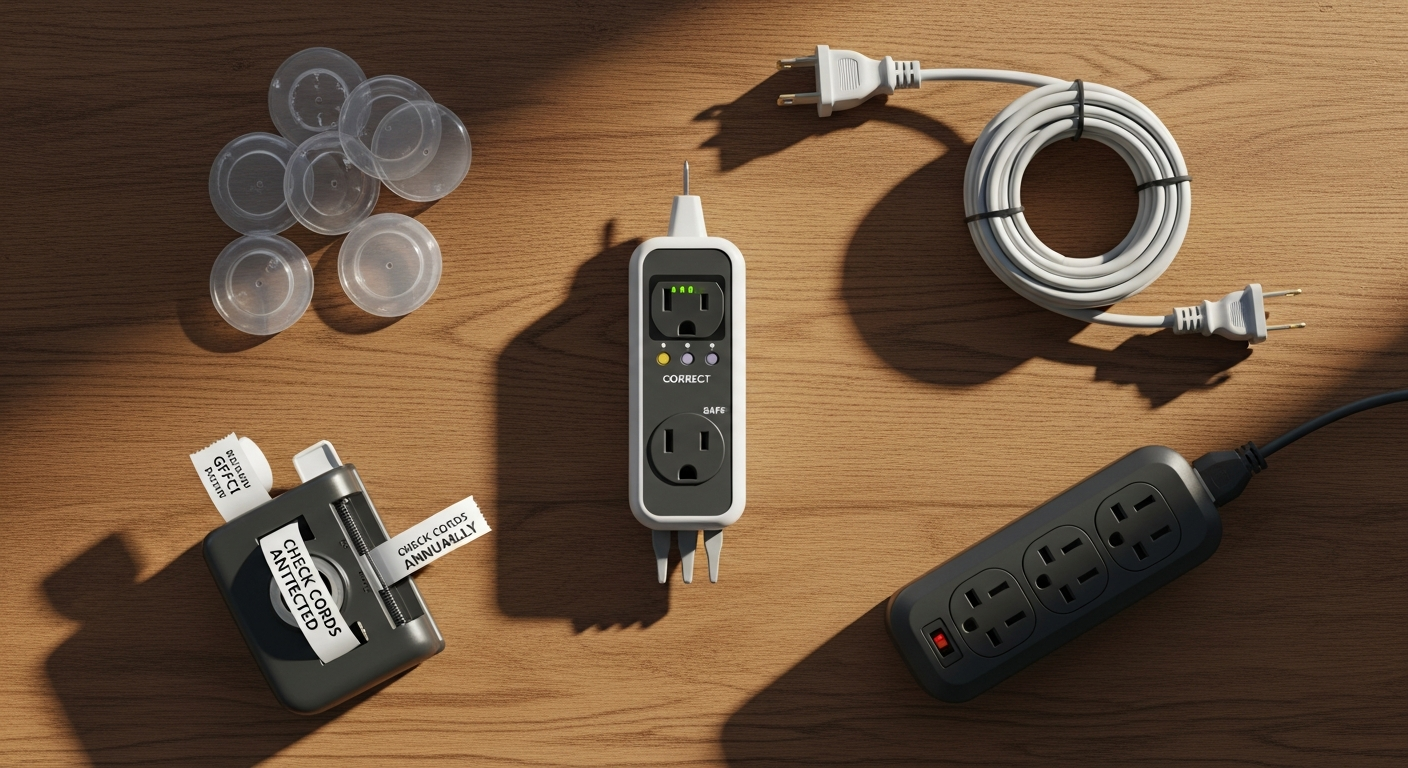
Empowering ourselves with knowledge is the first step; implementing practical, everyday electrical safety measures is the crucial next. For parents and caregivers, integrating these practices into daily routines ensures a continuously safe environment. It’s about more than just reacting to problems; it’s about establishing a culture of safety that protects every member of the household.
Outlet Safety: The First Line of Defense
One of the most common points of contact for electrical hazards, especially for young children, are electrical outlets. Investing in tamper-resistant receptacles (TRRs) is a smart, long-term solution. These outlets have spring-loaded shutters that only open when a two-pronged plug is inserted simultaneously, preventing single objects like paper clips or forks from entering. For older homes without TRRs, plastic outlet caps are a temporary but effective measure to block access to live contacts. Regularly check that these caps are securely in place and haven’t become loose or dislodged by curious hands.
Managing Cords and Plugs Safely
Loose, frayed, or improperly routed cords are both tripping hazards and electrical dangers. Inspect all cords regularly for signs of wear and tear, such as exposed wires, cracks, or kinks. Immediately replace any damaged cords. Never run cords under rugs or carpets, as this can cause them to overheat, become damaged, or create a fire hazard. Use cord covers or secure cords along baseboards to keep them tidy and out of reach, especially from pets who might chew on them. Teach children from an early age not to play with cords or pull plugs from outlets by the cord itself, which can damage the wiring and create a shock risk.
Appliance Awareness: Using Power Responsibly
Every appliance in your home uses electricity, and each comes with its own set of safety guidelines. Always read the manufacturer’s instructions for new appliances. Ensure that appliances are plugged directly into a wall outlet whenever possible, rather than into extension cords or power strips, especially those that generate heat like toasters, space heaters, or hair dryers. Never overload outlets or extension cords; if you need more outlets, consider installing additional wall receptacles rather than relying on multi-plug adapters. Unplug small appliances when not in use, particularly in the kitchen and bathroom, to prevent accidental activation or potential short circuits. Remember the rule of thumb: if an appliance feels hot to the touch, smells like burning plastic, or sparks, immediately unplug it and have it inspected by a qualified professional.
The Importance of GFCI Outlets
Ground Fault Circuit Interrupters (GFCIs) are indispensable safety devices designed to protect against severe electrical shocks. They rapidly detect imbalances in electrical current and shut off power almost instantly. GFCIs are typically required in areas where water is present, such as bathrooms, kitchens, laundry rooms, garages, and outdoors. If your home lacks GFCI protection in these areas, consider having them installed. They are a small investment that provides a monumental layer of protection against life-threatening shocks, particularly crucial for families with young children who might be drawn to water sources.
By integrating these practices into your family’s routine, you’re not just preventing accidents; you’re building a foundation of safety that empowers every family member to feel secure and protected. This proactive approach to electrical safety is a testament to our commitment to making informed choices that prioritize the well-being and freedom of our loved ones.
Protecting Your Little Explorers: Childproofing Electrical Hazards
Beyond the Outlet Caps: Comprehensive Childproofing
While plastic outlet caps are a starting point, they are not foolproof. As mentioned, tamper-resistant receptacles (TRRs) offer a more secure, permanent solution for outlets. However, childproofing extends far beyond just outlets. Think about all the electrical items within a child’s reach: lamps, charging cables, entertainment systems, and even small appliances left on countertops. The goal is to make these items inaccessible or safe to interact with.
- Cord Management: Long, dangling cords are irresistible to toddlers. Use cord shorteners, wraps, or ties to keep cords bundled and out of reach. Furniture anchors can also help secure TVs and other heavy electronics, preventing them from tipping over if a child pulls on a cord. Consider installing wall-mounted cord covers for cables that run along walls.
- Appliance Placement: Keep small, portable appliances like toasters, coffee makers, and hair dryers unplugged and stored away when not in use, especially if they are within a child’s grasp. Be mindful of appliances with heating elements, as even when off, they can retain residual heat.
- Water and Electricity: Reinforce the critical separation of water and electricity. Never leave electrical devices near sinks, bathtubs, or swimming pools. Educate older children about this fundamental safety rule.
- Supervision: While physical barriers are crucial, active supervision remains your most powerful tool. Always know where your child is and what they are doing, especially in areas with many electrical devices.
Teaching Electrical Safety: Age-Appropriate Education
As children grow, so does their capacity to understand and follow rules. Start early with simple, consistent messages: “Don’t touch outlets,” “Don’t play with cords,” “Water and electricity don’t mix.” For older children, explain the ‘why’ behind the rules – the potential for shocks, burns, or fires. Involve them in identifying potential hazards around the house. This empowers them to become active participants in their own safety, rather than just passive recipients of rules. For teenagers, who might be using more electronics, charging multiple devices, or experimenting with DIY projects, emphasize the importance of not overloading circuits, using the correct chargers, and never attempting electrical repairs without proper training.
Creating an electrically safe home environment provides an invaluable sense of security for the entire family. When parents are confident in their home’s safety, it reduces anxiety and stress, allowing them to focus on other crucial aspects of family well-being. This peace of mind is vital for addressing complex issues, such as providing tips for helping children cope after a traumatic event, should one ever occur. A safe home minimizes preventable traumas, allowing our focus to shift to emotional support and resilience. By diligently childproofing against electrical hazards, we uphold our commitment to protecting our children’s freedom to explore and grow in an environment that is both stimulating and secure, reinforcing the idea that every child deserves a safe place to call home.
Advanced Electrical Safety: When to Call a Professional and What to Look For
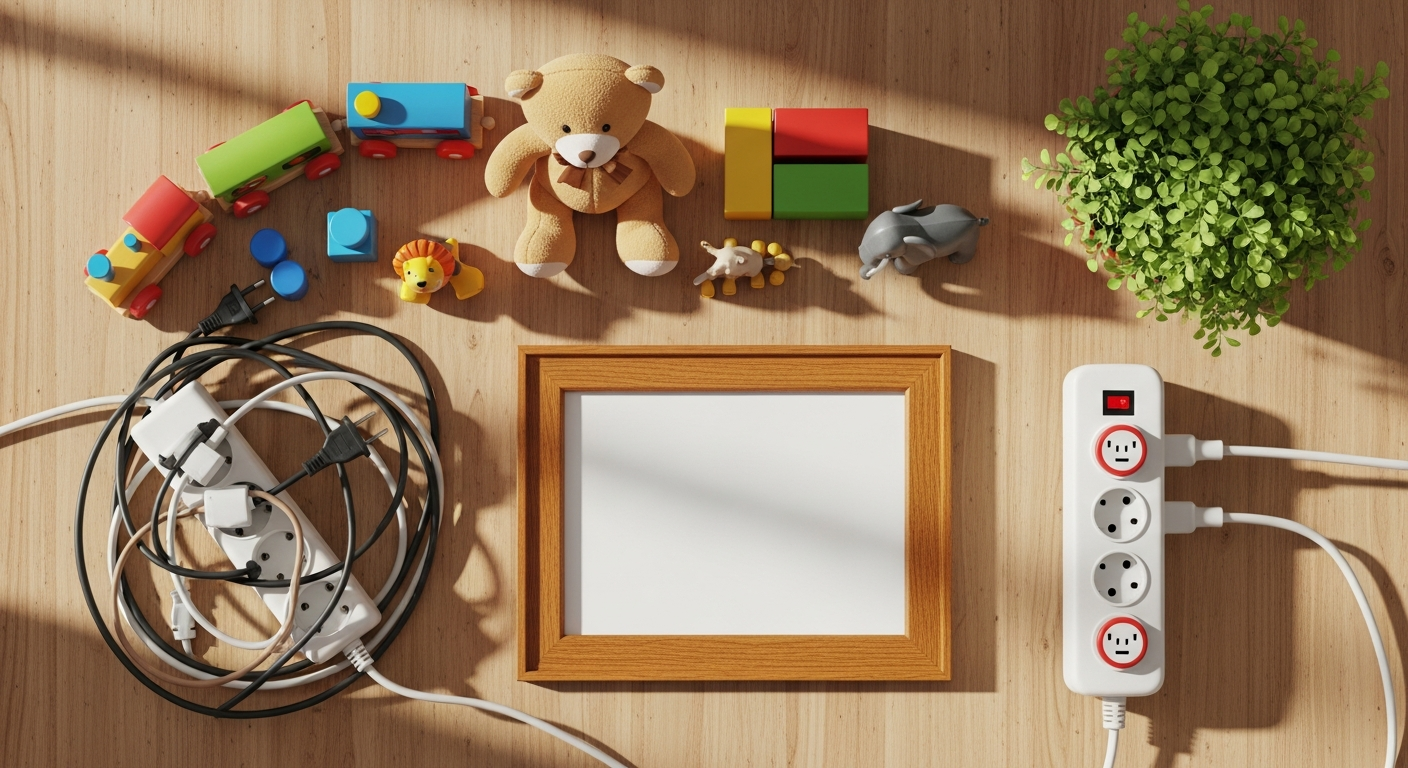
While daily vigilance and DIY solutions cover many basic electrical safety concerns, there are times when the expertise of a licensed electrician is not just recommended, but absolutely essential. Recognizing the signs of potential electrical system issues and knowing when to call a professional can prevent minor problems from escalating into major hazards, protecting your home and family from significant risks.
Recognizing Red Flags: Signs Your Electrical System Needs Attention
Your home’s electrical system often provides subtle clues when something is amiss. Learning to recognize these red flags can be the difference between a quick repair and a serious incident:
- Flickering or Dimming Lights: If lights flicker or dim frequently, especially when an appliance is turned on, it could indicate an overloaded circuit, loose wiring, or a problem with the main electrical service.
- Burning Smells or Scorched Outlets: A distinct burning odor emanating from an outlet, switch, or appliance, or visible scorch marks around an outlet, is a critical warning sign of overheating and potential fire risk. Immediately unplug anything connected and turn off the circuit breaker.
- Frequent Breaker Trips: Circuit breakers are designed to trip when a circuit is overloaded, preventing overheating and fires. If a breaker trips frequently, it’s not merely an inconvenience; it’s a sign that the circuit is consistently drawing too much power, or there’s a short circuit. Resetting it repeatedly without addressing the underlying cause is dangerous.
- Warm Outlets or Switches: Outlets or switch plates that feel warm to the touch indicate excessive heat, which can lead to melting wires or a fire.
- Buzzing or Sizzling Sounds: Any unusual sounds coming from outlets, switches, or your electrical panel are indicators of loose connections or arcing, which are serious fire hazards.
- Mild Shocks or Tingles: Experiencing a mild shock or tingle when touching an appliance or switch is a clear sign of improper grounding or faulty wiring, posing a serious electrocution risk.
- Outdated Wiring: If your home is older and has not had an electrical inspection or upgrade in decades, it might still have knob-and-tube wiring or aluminum wiring, both of which are considered less safe than modern copper wiring and may not be able to handle current electrical loads.
When to Call a Licensed Electrician
For any of the above red flags, or for significant electrical projects, always contact a qualified, licensed electrician. Attempting complex electrical work yourself without proper training can be extremely dangerous and may violate local building codes or void your homeowner’s insurance. Professional electricians have the expertise, tools, and knowledge to safely diagnose and repair electrical issues, ensuring your system meets current safety standards.
- Electrical Inspections: Consider a comprehensive electrical inspection for older homes, before buying a new home, or after a major renovation. An inspector can identify potential hazards, recommend upgrades, and ensure your system is up to code.
- Panel Upgrades: If your current electrical panel is old, consistently trips breakers, or cannot handle the power demands of your modern appliances, a panel upgrade is likely necessary.
- New Circuit Installations: Adding new dedicated circuits for heavy-duty appliances (like an electric vehicle charger, a new oven, or a hot tub) requires professional installation.
- Rewiring Projects: If your home needs partial or full rewiring due to outdated or unsafe wiring, this is a job exclusively for licensed professionals.
Understanding Surge Protectors vs. Power Strips
It’s important to distinguish between standard power strips and surge protectors. A basic power strip merely provides additional outlets; it does not protect against power surges. A surge protector, on the other hand, is designed to divert excess voltage away from connected devices during a power surge, protecting them from damage. Always use surge protectors for sensitive electronics like computers, televisions, and gaming consoles. Ensure they are UL-listed and have a joule rating appropriate for the devices you intend to protect. Never daisy-chain power strips or surge protectors (plugging one into another), as this can create an overload risk.
By understanding these advanced aspects of electrical safety and knowing when to defer to professional expertise, you are actively advocating for the ongoing well-being of your family. This proactive stance ensures that your home remains a bastion of safety, allowing your family the freedom to make choices and pursue their futures without preventable electrical dangers.
Empowering Your Family: Education and Emergency Preparedness
Creating a safe home environment isn’t solely about physical barriers and professional inspections; it’s also about empowering every member of your family with knowledge, skills, and confidence. Education and emergency preparedness are vital components of a comprehensive electrical safety strategy, ensuring that everyone knows how to react responsibly in an unforeseen situation and contributes to maintaining a safe home.
Teaching Electrical Safety to All Ages
Safety education should be an ongoing conversation, tailored to the age and understanding of each family member. For younger children, simple rules like “don’t touch” and “ask an adult” are effective. As they mature, introduce the ‘why’ behind the rules:
- Elementary Age: Explain that electricity can make things work but can also hurt if not respected. Show them safe ways to plug and unplug devices (holding the plug, not the cord). Teach them never to put anything into an outlet other than a proper plug.
- Pre-Teens and Teenagers: This age group often uses more personal electronics and might be tempted to experiment. Discuss the dangers of overloaded circuits, using damaged cords, and the importance of proper charger use. Explain the function of circuit breakers and GFCIs. Empower them to recognize warning signs like flickering lights or burning smells and to report them immediately. This period is also a good time to revisit broader home safety tips for every family, reinforcing the interconnectedness of all safety measures.
Encourage open dialogue about safety concerns without fear of reprimand. A home where children feel comfortable reporting potential hazards is a safer home. This proactive communication fosters an environment of trust, which is also critical when navigating sensitive family discussions, such as those related to common questions about teen adoption, where open communication about expectations and safety is paramount to integrating new family members successfully.
Developing an Electrical Emergency Plan
Despite all precautions, emergencies can happen. Having a clear, well-rehearsed emergency plan for electrical incidents is crucial:
- For Electrical Fires:
- Do NOT use water: Water conducts electricity and can spread the fire or cause electrocution.
- If safe to do so, unplug the device: If the fire is small and contained to an appliance, unplug it immediately.
- Use a fire extinguisher (Class C or ABC): Only if you have one readily available and know how to use it.
- Cut power at the main breaker: If the fire is larger, or if you can’t unplug the device, immediately go to your electrical panel and shut off the main power to the house.
- Evacuate and call 911: If the fire is growing or you are unsure, prioritize getting everyone out of the house safely and calling emergency services from a safe distance. Establish a family meeting point outside.
- For Power Outages:
- Keep flashlights and battery-powered lanterns accessible: Avoid using candles due to fire risk.
- Unplug sensitive electronics: This protects them from power surges when electricity is restored.
- Check your circuit breaker panel: Sometimes a localized outage is just a tripped breaker.
- Know how to report outages: Have your utility company’s contact information handy.
- For Electrical Shocks:
- Do NOT touch the person directly: You could also be shocked.
- Turn off the power source: If possible, switch off the circuit breaker or unplug the appliance using a non-conductive object (like a wooden broom handle).
- Call 911 immediately: Even if the person appears fine, internal damage can occur. Provide first aid (CPR if necessary) if you are trained and the power source has been safely disconnected.
Regularly review and practice your emergency plan with your family. Ensure everyone knows where the main electrical panel is and how to safely turn off the power. This collective preparedness fosters resilience and reinforces the family’s ability to act decisively, a critical aspect of advocating for and protecting their collective well-being and choices.
Maintaining a Safe Electrical Environment in 2026 and Beyond
Electrical safety isn’t a one-time task; it’s an ongoing commitment, a continuous effort that evolves with our homes, our technologies, and our families. As we look towards 2026 and the years beyond, maintaining a safe electrical environment means staying vigilant, adapting to new challenges, and continually prioritizing the well-being that stems from a secure home.
Regular Checks and Proactive Maintenance
Just like any other system in your home, your electrical infrastructure benefits from regular attention. Make it a routine to:
- Annual Visual Inspections: Walk through your home once a year, specifically looking for signs of electrical wear and tear: frayed cords, loose outlet covers, warm outlets, or strange smells.
- Test GFCIs and Smoke Detectors: Test GFCI outlets monthly using their test buttons. Test smoke detectors monthly and replace batteries annually. Carbon monoxide detectors should also be tested regularly.
- Review Appliance Usage: As new appliances enter your home, ensure they are used safely and that circuits aren’t being overloaded. Be mindful of space heaters and other high-wattage devices.
- Seasonal Adjustments: During holidays, be particularly mindful of decorative lighting and temporary electrical setups. Ensure outdoor lighting is rated for outdoor use.
Staying Updated on Safety Standards and Technology
Electrical codes and safety standards are constantly being updated to reflect new research, technologies, and best practices. While you don’t need to be an expert, being aware of major changes or new recommendations can be beneficial. Follow reputable safety organizations (like the Electrical Safety Foundation International – ESFI or the National Fire Protection Association – NFPA) for updates. Consider upgrading older homes with new safety features like arc-fault circuit interrupters (AFCIs), which detect dangerous electrical arcs that can lead to fires, even if your local code doesn’t yet mandate them for existing structures.
Future-Proofing Your Home’s Electrical System
As our reliance on technology grows, so does the demand on our home’s electrical system. Smart homes, electric vehicles, and increasingly powerful appliances all require robust and reliable electrical infrastructure. When planning renovations or considering significant purchases, think about how they will impact your electrical load. Investing in professional electrical assessments and potential upgrades now can prevent problems down the line. This might include:
- Panel Upgrades: Ensuring your main electrical panel can handle future power demands.
- Dedicated Circuits: Installing dedicated circuits for high-power appliances or EV charging stations.
- Smart Home Integration: Planning for the electrical needs of integrated smart home systems, ensuring proper wiring and surge protection.
- Energy Efficiency: While not directly safety-related, improving energy efficiency can reduce strain on your electrical system and lower utility bills, contributing to overall home well-being.
Maintaining a safe electrical environment is an investment in your family’s future. It’s about more than just avoiding accidents; it’s about creating a foundation of security that empowers your family to live freely, pursue their passions, and make choices for their lives without the constant worry of preventable hazards. At Protect Families Protect Choices, we believe that a safe home is a fundamental right, and by taking these proactive steps, you are actively advocating for that right for your loved ones, today, in 2026, and for generations to come.
Frequently Asked Questions About Electrical Safety
How often should I check my electrical outlets and cords?
It’s advisable to perform a quick visual check of accessible outlets and cords monthly for any signs of damage like fraying, discoloration, or warmth. A more thorough annual inspection, perhaps during your spring cleaning, where you move furniture to check less visible cords and outlets, is highly recommended. Test GFCI outlets monthly using their test button.
What’s the difference between a power strip and a surge protector?
A power strip simply provides multiple additional outlets from a single wall receptacle, without offering any protection against power fluctuations. A surge protector, however, includes circuitry designed to divert excess voltage away from connected devices during a power surge, protecting them from electrical damage. Always use surge protectors for sensitive electronics.
Are GFCI outlets really necessary everywhere?
GFCI (Ground Fault Circuit Interrupter) outlets are specifically designed to prevent severe electrical shocks in areas where water is present or where there’s a higher risk of ground faults. Building codes typically require them in bathrooms, kitchens, laundry rooms, garages, basements, and all outdoor outlets. While not necessary for every single outlet in the house, they are critical in these high-risk areas for protecting your family.
My child experienced a mild shock from an outlet, what should I do?
First and foremost, ensure the power source is disconnected (turn off the circuit breaker or unplug the device if safe). Do not touch the child if they are still in contact with the power source. Then, immediately seek medical attention by calling 911 or your local emergency number. Even a mild shock can cause internal damage not immediately visible. Afterward, address the source of the shock to prevent future incidents.
When should I consider an electrical inspection for my home?
It’s highly recommended to have an electrical inspection:
- If your home is over 40 years old and has never been updated.
- Before purchasing an older home.
- After any major renovation or addition.
- If you frequently experience flickering lights, tripping breakers, or burning smells.
- Before installing major new appliances that draw significant power.
How can I teach my teenager about electrical safety effectively?
Engage your teenager by explaining the “why” behind electrical safety rules, connecting it to their personal use of electronics. Discuss the dangers of overloaded circuits (especially with multiple charging devices), damaged phone chargers, and the risks of using electronics near water. Empower them to identify and report hazards, rather than just following rules blindly. Involve them in checking for frayed cords or learning where the circuit breaker panel is. Leading by example and having open, non-judgmental conversations will be most effective.
Recommended Resources
Check out How To Sleep Better At Night on Diaal News for a deeper dive.
Explore Industrial Safety Standards Osha for additional insights.