


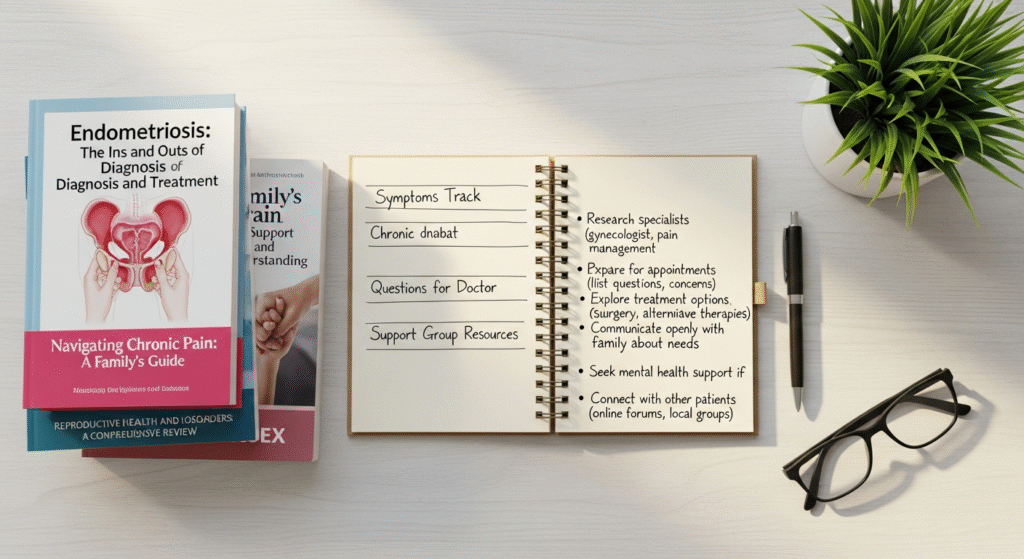
Understanding Endometriosis: A Silent Struggle
Endometriosis is more than just “bad periods”; it is a systemic inflammatory disease that can have profound effects throughout the body. Imagine tissue that behaves like the lining of your uterus, bleeding and causing inflammation each month, but trapped outside its normal confines. This is the reality for an estimated 1 in 10 individuals with uteruses globally, translating to approximately 190 million people worldwide. This chronic condition occurs when endometrial-like tissue implants and grows in areas outside the uterus, most commonly on the ovaries, fallopian tubes, and the outer surface of the uterus, but it can also be found on the bowel, bladder, diaphragm, and in rare cases, even in the lungs or brain.
The hallmark of endometriosis is chronic pain, which can manifest in various ways: excruciating menstrual cramps (dysmenorrhea), deep pain during or after sexual intercourse (dyspareunia), pelvic pain unrelated to menstruation, pain with bowel movements (dyschezia), and pain with urination (dysuria). However, the symptoms extend far beyond pain, often including severe fatigue, gastrointestinal issues such as bloating and nausea, heavy or irregular bleeding, and significant challenges with fertility. The severity of symptoms does not always correlate with the extent of the disease; some individuals with extensive endometriosis may experience minimal pain, while others with mild disease suffer debilitating discomfort.
Despite its prevalence, endometriosis remains a poorly understood condition, frequently misdiagnosed or dismissed as normal menstrual pain. This lack of awareness, both among the general public and within some medical communities, contributes to an average diagnostic delay of 7 to 10 years. During this prolonged period, individuals often endure escalating pain, emotional distress, and a significant impact on their education, career, and personal relationships. The exact cause of endometriosis is still unknown, but theories include retrograde menstruation (menstrual blood flowing backward into the pelvic cavity), genetic predisposition, immune system dysfunction, and environmental factors. It’s crucial to understand that endometriosis is not a sexually transmitted infection, nor is it caused by anything an individual did or did not do. It is a complex medical condition that requires specialized care and a compassionate approach.
The impact of endometriosis is not merely physical; it profoundly affects mental and emotional well-being. Living with chronic pain, facing diagnostic delays, and grappling with fertility challenges can lead to anxiety, depression, and a sense of isolation. Advocating for appropriate care, finding effective pain management strategies, and building a supportive community are essential components of living with and managing this condition. Recognizing endometriosis as a serious, systemic disease is the first step towards breaking the silence and ensuring that every individual receives the timely diagnosis and comprehensive care they deserve.
The Complex Journey to Endometriosis Diagnosis

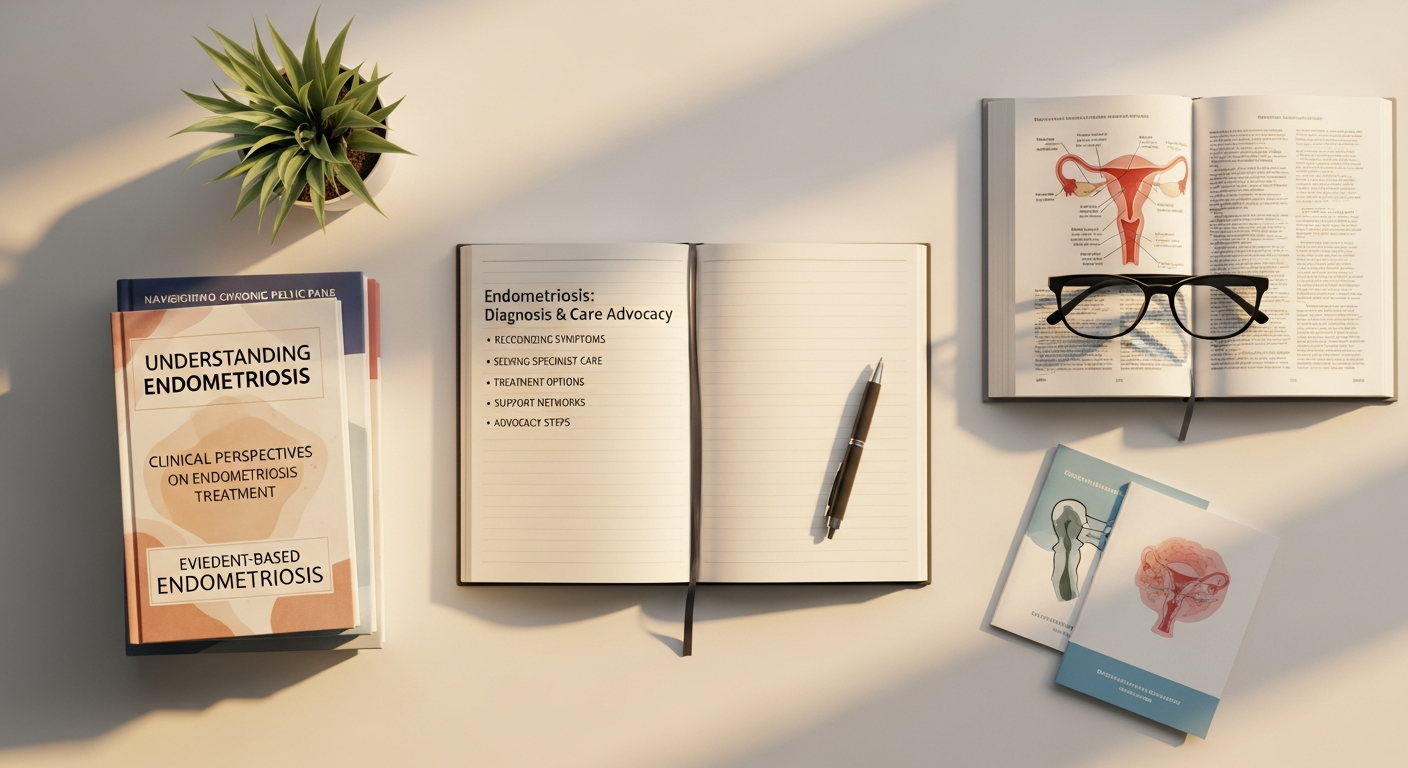
The path to an endometriosis diagnosis is often fraught with frustration, delays, and emotional toll. Given the non-specific nature of its symptoms, which can overlap with conditions like irritable bowel syndrome (IBS), pelvic inflammatory disease (PID), or interstitial cystitis, endometriosis is frequently misidentified. The average delay in diagnosis, spanning nearly a decade, highlights a critical gap in healthcare awareness and training regarding this pervasive condition. Many individuals are told their pain is normal, psychological, or simply part of being a person with a uterus, leading to prolonged suffering and disease progression.
Symptoms to Watch For
Recognizing the diverse array of symptoms is the first crucial step in seeking a diagnosis. While chronic pelvic pain is the most commonly cited symptom, endometriosis can manifest in many forms, making it a diagnostic chameleon. Key symptoms to be aware of include:
- Severe Dysmenorrhea: Painful periods that are debilitating, often worsening over time, and not relieved by over-the-counter pain medications.
- Chronic Pelvic Pain: Persistent pelvic pain that occurs outside of menstruation, which can be dull, aching, or sharp.
- Dyspareunia: Deep pain during or after sexual intercourse, often localized to specific positions.
- Dyschezia: Painful bowel movements, especially during menstruation, often accompanied by constipation, diarrhea, or bloating, mimicking IBS symptoms.
- Dysuria: Painful urination, particularly during menstruation, which may be mistaken for a urinary tract infection (UTI).
- Heavy or Irregular Bleeding: Abnormally heavy periods (menorrhagia), prolonged bleeding, or bleeding between periods.
- Fatigue: Profound and persistent tiredness that is not relieved by rest, often linked to chronic inflammation and pain.
- Infertility: Difficulty conceiving, affecting up to 30-50% of individuals with endometriosis.
- Other Symptoms: Nausea, vomiting, leg pain, lower back pain, brain fog, and in rare cases, symptoms related to specific organ involvement (e.g., chest pain with diaphragmatic endometriosis).
If you experience a combination of these symptoms, especially if they are severe and progressively worsening, it is imperative to seek specialized medical attention and advocate for a thorough investigation.
Diagnostic Methods: From Pelvic Exams to Laparoscopy
The diagnostic process typically begins with a detailed medical history and physical examination. Your doctor will inquire about your symptoms, menstrual cycle, pain patterns, and family history. A pelvic exam may reveal signs such as tenderness, fixed retroverted uterus, or palpable nodules, though a normal pelvic exam does not rule out endometriosis.
Imaging techniques play a supportive, but often not definitive, role in diagnosis:
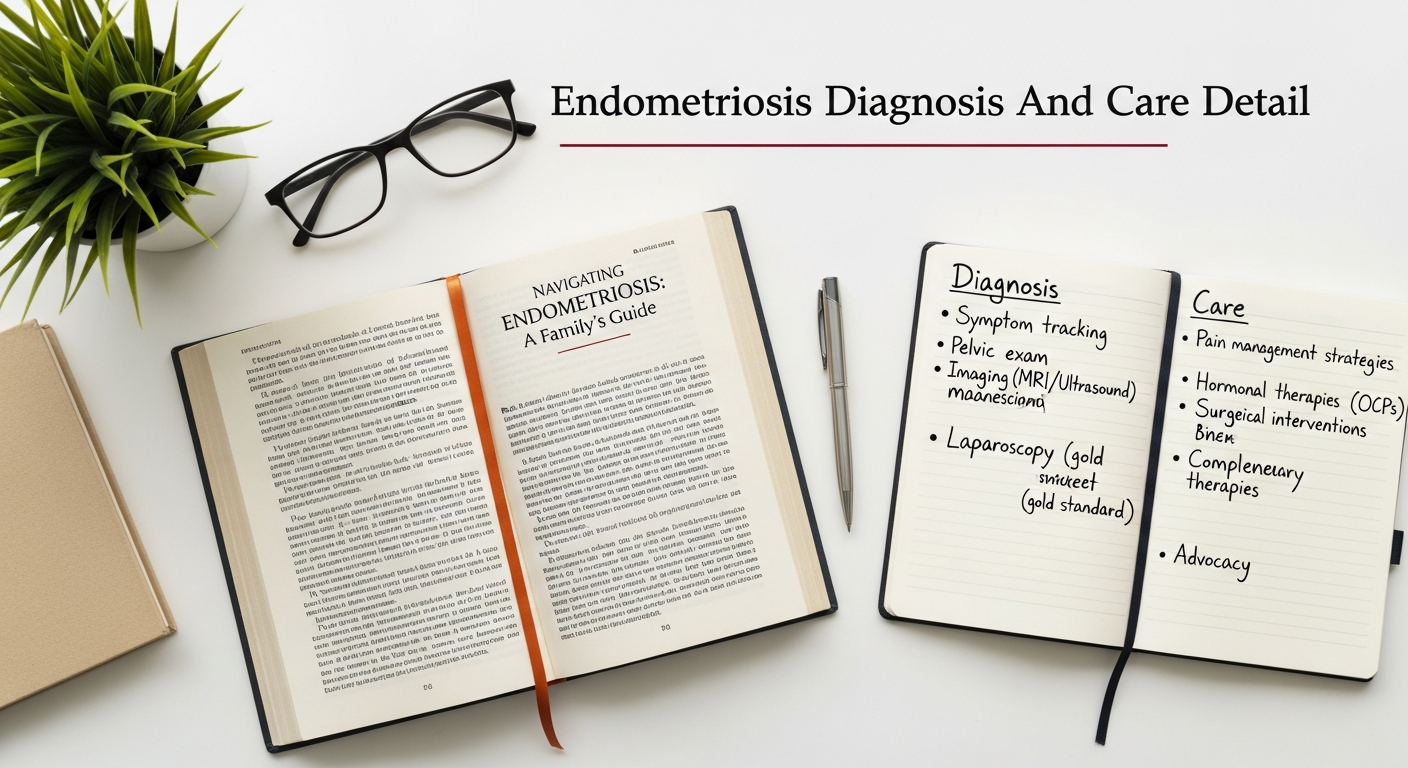
- Ultrasound: A transvaginal ultrasound can detect endometriomas (endometriosis cysts on the ovaries) and sometimes deep infiltrating endometriosis, but it cannot visualize superficial implants.
- Magnetic Resonance Imaging (MRI): MRI can provide more detailed images than ultrasound, particularly for identifying deep infiltrating endometriosis and assessing the extent of the disease in various pelvic organs. However, like ultrasound, it often misses superficial lesions.
While research into non-invasive biomarkers (such as blood tests) is ongoing, currently, there is no definitive blood test for endometriosis that is widely accepted or clinically reliable. For now, the gold standard for diagnosing endometriosis remains:
- Laparoscopic Surgery with Biopsy: This minimally invasive surgical procedure involves making a small incision, usually near the navel, and inserting a thin, lighted scope (laparoscope) to visualize the pelvic organs. The surgeon can directly identify endometrial implants, adhesions, and cysts. Crucially, tissue samples (biopsies) are taken from suspicious areas and sent to a pathologist for microscopic confirmation. This histological confirmation is essential for a definitive diagnosis.
It is paramount to seek out a healthcare provider with expertise in endometriosis. General gynecologists may not have the specialized training or experience required to recognize subtle signs of the disease or perform the intricate excisional surgery necessary for both diagnosis and effective treatment. An endometriosis specialist, often a minimally invasive gynecologic surgeon, is best equipped to navigate this complex diagnostic journey and provide comprehensive care. Choosing an experienced specialist can significantly shorten the diagnostic delay and lead to more effective treatment outcomes.
Navigating Endometriosis Care: Treatment Options and Management Strategies
Medical Management: Hormonal Therapies and Pain Relief
For many, the first line of defense against endometriosis symptoms involves medical therapies aimed at controlling hormonal fluctuations and alleviating pain. Since endometriosis tissue responds to hormonal signals, particularly estrogen, many treatments are designed to suppress ovarian function or counteract estrogen’s effects:
- Non-Steroidal Anti-Inflammatory Drugs (NSAIDs): Over-the-counter pain relievers like ibuprofen or naproxen can help manage mild to moderate pain by reducing inflammation.
- Hormonal Contraceptives: Birth control pills, patches, vaginal rings, and hormonal IUDs (intrauterine devices) are frequently prescribed. These therapies work by suppressing ovulation and menstrual flow, thereby reducing the growth and bleeding of endometrial implants. Continuous use of oral contraceptives, skipping the placebo week, can also be effective in minimizing periods and associated pain.
- GnRH Agonists and Antagonists: Gonadotropin-releasing hormone (GnRH) agonists (e.g., Lupron) and antagonists (e.g., Orilissa) induce a temporary, reversible menopause-like state by significantly reducing estrogen levels. While highly effective in shrinking implants and reducing pain, these medications can cause menopausal side effects such as hot flashes, bone density loss, and mood changes. Add-back therapy (small doses of estrogen and progestin) is often used concurrently to mitigate these side effects, allowing for longer treatment durations.
- Progestins: Various forms of progestin, such as oral progestins (e.g., Norethindrone acetate), progestin injections (e.g., Depo-Provera), or hormonal IUDs, can suppress the growth of endometrial tissue and reduce menstrual bleeding and pain.
It’s important to have an open dialogue with your healthcare provider about the potential benefits and side effects of each medical option to determine the most suitable approach for your specific situation.
Surgical Interventions: When and Why
When medical management is insufficient, or when fertility is a primary concern, surgical intervention often becomes a critical component of endometriosis care. The goal of surgery is to remove as much of the endometrial tissue as possible while preserving fertility and minimizing damage to surrounding healthy tissues. The preferred surgical approach is:
- Laparoscopic Excision Surgery: This minimally invasive procedure is considered the gold standard for surgically treating endometriosis. An experienced surgeon uses specialized instruments to carefully cut out and remove (excise) endometrial implants, adhesions, and endometriomas. Excision is superior to ablation (burning the surface of the lesions) because it removes the entire lesion, including its roots, which can lead to more thorough removal, better symptom relief, and a lower recurrence rate.
- Laparoscopic Ablation: While less invasive, ablation only burns the surface of the lesions, leaving the deeper parts intact. This can lead to faster recurrence of symptoms and may not be effective for deep infiltrating endometriosis.
Surgical intervention is often recommended for severe pain, large endometriomas, deeply infiltrating endometriosis affecting organs like the bowel or bladder, or when endometriosis is contributing to infertility. It is crucial to seek a surgeon with advanced training and extensive experience in endometriosis excision, as the complexity of the disease often requires highly specialized skills to ensure complete removal and minimize complications. For individuals who have completed their families or are facing severe, intractable symptoms, a hysterectomy (removal of the uterus) may be considered, sometimes in conjunction with oophorectomy (removal of the ovaries). However, it is vital to understand that hysterectomy alone is not a cure for endometriosis, as endometrial implants outside the uterus can persist or recur even after the uterus is removed.
Complementary and Alternative Approaches
While not standalone treatments, many individuals find complementary and alternative therapies helpful in managing symptoms and improving overall well-being alongside conventional medical and surgical care. These approaches often focus on reducing inflammation, managing pain, and supporting the body’s natural healing processes:
- Dietary Changes: An anti-inflammatory diet, rich in fruits, vegetables, whole grains, and lean proteins, and low in red meat, processed foods, and excessive sugar, can help reduce systemic inflammation. Some individuals also find relief by avoiding gluten or dairy.
- Pelvic Floor Physical Therapy: Endometriosis often causes pelvic floor muscle dysfunction due to chronic pain and tension. Specialized physical therapy can help release muscle tension, improve muscle coordination, and reduce pain.
- Acupuncture: This traditional Chinese medicine technique may help alleviate pain and improve general well-being by stimulating specific points on the body.
- Mindfulness and Stress Reduction: Techniques such as meditation, yoga, deep breathing exercises, and psychotherapy can help manage chronic pain, reduce stress, and improve coping mechanisms.
- Supplements: Some individuals report benefits from supplements like N-acetyl cysteine (NAC), magnesium, omega-3 fatty acids, and vitamin D, though evidence for their efficacy in endometriosis is still emerging. Always consult your doctor before starting new supplements.
Integrating these complementary therapies into a comprehensive care plan, under the guidance of healthcare professionals, can significantly enhance quality of life for individuals living with endometriosis. The key is to find a personalized combination of treatments that addresses the multifaceted nature of the disease effectively.
Endometriosis and Reproductive Health: Planning for the Future
The impact of endometriosis on reproductive health is one of its most profound and distressing aspects. For many, the diagnosis brings not only the burden of chronic pain but also concerns about their ability to conceive and build a family. At Protect Families Protect Choices, we understand that understanding what is reproductive health in the context of endometriosis is crucial for making informed decisions about one’s future, encompassing not just fertility but overall well-being and family planning options for all.
Impact on Fertility
Endometriosis is a leading cause of infertility, affecting an estimated 30-50% of individuals with the condition. The mechanisms through which endometriosis impairs fertility are complex and multifaceted:
- Adhesions and Scarring: The inflammatory process of endometriosis can lead to the formation of scar tissue and adhesions, which can distort the anatomy of the reproductive organs, blocking fallopian tubes and preventing the egg from reaching the sperm or the uterus.
- Inflammation: The chronic inflammation associated with endometriosis creates a hostile environment in the pelvic cavity, potentially affecting egg and sperm quality, fertilization, and embryo implantation.
- Endometriomas: Ovarian endometriomas (chocolate cysts) can damage healthy ovarian tissue, reducing ovarian reserve and egg quality.
- Altered Hormonal Environment: Endometriosis can disrupt the normal hormonal balance and signaling necessary for ovulation and embryo development.
For those struggling with fertility due to endometriosis, various options exist:
- Fertility-Sparing Surgery: Laparoscopic excision of endometriosis can improve natural conception rates, particularly for mild to moderate disease.
- Assisted Reproductive Technologies (ART): In vitro fertilization (IVF) is often a highly effective option for individuals with endometriosis-related infertility. While success rates can be influenced by the severity of the disease, IVF helps bypass many of the anatomical and environmental challenges posed by endometriosis.
- Fertility Preservation: For individuals diagnosed with endometriosis at a younger age or before they are ready to conceive, discussing fertility preservation options such as egg freezing can be an important proactive step to safeguard future family building choices.
Family Planning with Endometriosis
Family planning with endometriosis requires careful consideration and collaboration with a specialized healthcare team. Whether you are actively trying to conceive, hoping to delay pregnancy, or exploring other pathways to parenthood, understanding your options is paramount. Discussions with your doctor should cover:
- Timing of Pregnancy: For some, getting pregnant earlier might be advised, while for others, managing the disease first is crucial.
- Contraception Choices: After diagnosis or treatment, choosing appropriate contraception that also helps manage endometriosis symptoms (e.g., hormonal IUDs, continuous birth control pills) is often part of a long-term management plan.
- Alternative Family Building: For many individuals and couples, including those within the Lgbtq Family Planning Options community, building a family can involve diverse pathways. Endometriosis affects individuals of all sexual orientations and gender identities, and accessible, inclusive family planning options are paramount. Whether through assisted reproductive technologies, donor conception, adoption, or surrogacy, understanding all available avenues is a critical component of comprehensive reproductive health care for everyone. Protect Families Protect Choices advocates for equitable access to fertility services and family planning resources for all individuals, regardless of their sexual orientation, gender identity, or medical conditions like endometriosis.
The Broader Context of Reproductive Health
Understanding what is reproductive health extends far beyond the absence of disease; it encompasses physical, mental, and social well-being in all matters relating to the reproductive system, its functions and processes. For those with endometriosis, this means ensuring access to comprehensive care that addresses not only pain and fertility but also mental health support, sexual well-being, and overall quality of life. Reproductive health also involves the right to make informed decisions about one’s own body and future, free from discrimination and coercion. This holistic perspective recognizes that endometriosis impacts every facet of an individual’s life, and care must reflect this complexity, providing support for emotional distress, managing sexual pain, and ensuring access to psychological counseling. Embracing a comprehensive view of reproductive health empowers individuals with endometriosis to lead fulfilling lives and make choices that align with their personal values and family goals.
Advocating for Yourself: Resources and Support
Navigating the complexities of endometriosis diagnosis and care can be an overwhelming journey. Given the historical lack of understanding and frequent dismissal of symptoms, self-advocacy is not just important—it’s essential. Empowering yourself with knowledge, finding the right healthcare team, and connecting with supportive communities can significantly improve your experience and outcomes.
Finding the Right Healthcare Team
One of the most critical steps in managing endometriosis is assembling a knowledgeable and compassionate healthcare team. This often means looking beyond a general gynecologist to specialists who have extensive experience with endometriosis:
- Endometriosis Excision Specialists: Seek out gynecological surgeons who specialize in laparoscopic excision of endometriosis. These specialists have advanced training and experience in thoroughly removing endometrial implants, which is crucial for long-term symptom relief and preventing recurrence.
- Pain Management Specialists: Chronic pain is a hallmark of endometriosis. A pain specialist can offer a range of therapies, including nerve blocks, medication management, and interventional procedures, to help control persistent pain.
- Pelvic Floor Physical Therapists: Endometriosis often leads to pelvic floor muscle dysfunction. A specialized physical therapist can help release muscle tension, improve muscle function, and alleviate associated pain.
- Fertility Specialists: If fertility is a concern, a reproductive endocrinologist can provide expert guidance on fertility preservation, assisted reproductive technologies, and other family planning options.
- Mental Health Professionals: Living with chronic pain and a complex illness can take a significant toll on mental health. Therapists, counselors, or psychologists specializing in chronic illness can provide invaluable support for anxiety, depression, and coping strategies.
Don’t hesitate to seek second opinions if you feel your concerns are not being adequately addressed or if your treatment plan isn’t yielding results. Effective communication with your healthcare providers is key. Prepare for appointments by writing down your symptoms, questions, and concerns. Be persistent and assertive in advocating for the care you need and deserve.
The Role of Advocacy Groups
You are not alone in this journey. Connecting with endometriosis advocacy groups and support networks can provide a sense of community, shared understanding, and access to valuable resources. Organizations like the Endometriosis Foundation of America (EndoFound), Endometriosis UK, and local support groups play a vital role:
- Education and Awareness: These groups work tirelessly to raise public and medical awareness of endometriosis, advocating for earlier diagnosis and better treatment.
- Research Funding: Many organizations actively fund and promote research into the causes, diagnosis, and treatment of endometriosis, striving for breakthroughs that could revolutionize care by 2026 and beyond.
- Patient Support: Online forums, local meetings, and peer support programs offer a safe space for individuals to share experiences, exchange advice, and find emotional support, helping to combat the isolation that often accompanies chronic illness.
- Advocacy for Policy Change: Advocacy groups lobby for policy changes that improve access to specialized care, increase insurance coverage for treatments, and ensure fair treatment in education and employment for those affected by endometriosis.
Engaging with these communities can provide validation, practical tips, and a powerful sense of solidarity, transforming a solitary struggle into a collective movement for change.
Understanding Preventative Measures and Overall Wellness
While endometriosis itself isn’t ‘preventable’ in the traditional sense, maintaining overall reproductive and general health is crucial for managing symptoms and improving quality of life. A holistic approach to wellness can significantly support individuals living with endometriosis:
- Regular Gynecological Check-ups: Consistent visits to your gynecologist are essential for monitoring your reproductive health, even outside of specific endometriosis concerns.
- STI Screenings: Practicing safe sex and undergoing regular STI screenings are critical components of comprehensive reproductive health, preventing additional complications.
- Vaccinations: Beyond specific endometriosis management, maintaining overall reproductive health is vital. This includes understanding the importance of preventative measures like regular gynecological check-ups, STI screenings, and appropriate vaccinations. For instance, consulting an Hpv Vaccine Importance Guide and discussing vaccination with your healthcare provider is a crucial step in protecting against HPV-related cancers, which can affect individuals with uteruses regardless of their endometriosis status. Comprehensive wellness, encompassing both chronic condition management and preventative care, empowers individuals to lead healthier lives.
- Healthy Lifestyle: A balanced diet, regular exercise, adequate sleep, and stress management techniques contribute significantly to overall well-being and can help mitigate some endometriosis symptoms.
- Mental Health Support: Prioritizing mental health through therapy, mindfulness, and support networks is not merely an add-on but a fundamental aspect of living well with chronic pain.
By actively engaging in self-advocacy and embracing a comprehensive approach to wellness, individuals with endometriosis can reclaim control over their health, foster resilience, and work towards a future where their voices are heard and their needs are met.
The Future of Endometriosis Research and Care
The landscape of endometriosis research and care is continually evolving, offering a beacon of hope for individuals living with this challenging condition. Significant strides are being made, driven by increased awareness, dedicated advocacy, and advancing scientific understanding. The goal is to move beyond current limitations and usher in an era of earlier diagnosis, more effective treatments, and ultimately, a cure.
One of the most promising areas of research focuses on developing non-invasive diagnostic tests. Imagine a future, perhaps as early as 2026, where a simple blood test, saliva test, or advanced imaging technique could accurately diagnose endometriosis without the need for invasive laparoscopic surgery. Researchers are actively exploring various biomarkers, including genetic markers, specific proteins, and microRNAs, that could indicate the presence and severity of the disease. Advances in AI and machine learning are also being applied to analyze complex symptom patterns and imaging data, aiming to identify endometriosis with greater precision and speed, drastically reducing the current diagnostic delay.
In terms of treatment, pharmaceutical companies and academic institutions are investigating novel drug targets. Current medical therapies primarily focus on hormonal suppression, which can have significant side effects and may not be suitable for everyone. Future treatments are exploring pathways related to inflammation, nerve growth, angiogenesis (new blood vessel formation), and genetic factors specific to endometriosis tissue. These new drugs aim to offer more targeted symptom relief with fewer side effects, providing a wider array of personalized treatment options.
Furthermore, there is a growing recognition of endometriosis as a systemic disease, not just a pelvic condition. This broader understanding is leading to research into its connections with other chronic illnesses, such as autoimmune disorders, chronic fatigue syndrome, and certain cancers. By unraveling these complex interrelationships, scientists hope to gain a more comprehensive understanding of its etiology and develop holistic treatment strategies that address the full spectrum of its impact on the body.
Beyond scientific breakthroughs, the future of endometriosis care also hinges on increased public and medical awareness, improved education for healthcare providers, and greater funding for research. Advocacy groups are instrumental in pushing for these changes, aiming to ensure that endometriosis is recognized as a serious global health issue that warrants dedicated resources. By
Recommended Resources
Related reading: Engineering Project Management Guide (Mitsubishi Manufacturing).
You might also enjoy How To Sleep Better At Night from Diaal News.