Building a Resilient Nest: Your Family’s Comprehensive Emergency Preparedness Guide for 2026
Why Preparedness Isn’t Just for “The Others” – It’s for Every Family
It’s a common misconception that emergency preparedness is only for people living in specific high-risk areas or those with a “prepper” mindset. The truth is, every family, regardless of where they live, can benefit from a basic level of readiness. Emergencies come in many forms, and they don’t discriminate. They can be as localized as a prolonged power outage after a storm, a burst pipe causing immediate flooding, or a medical emergency requiring rapid response. They can also be broader, like a regional natural disaster (hurricanes, wildfires, earthquakes, blizzards, floods), a public health crisis, or a community-wide incident that impacts infrastructure and daily services.
The reality is that when an emergency strikes, first responders may be overwhelmed and unable to reach everyone immediately. Being prepared means your family can be self-sufficient for a critical period, allowing emergency services to focus on those with the most urgent needs. More than just practical survival, preparedness fosters a sense of control and reduces anxiety during stressful times. Knowing you have a plan, a kit, and that your family understands what to do can be incredibly reassuring. It transforms potential panic into purposeful action, strengthening family bonds and teaching children invaluable life skills in problem-solving and resilience. It’s about equipping your family to not just survive, but to thrive, even when circumstances are challenging.
The Foundation: Creating Your Family’s Emergency Plan
Every solid structure needs a blueprint, and your family’s emergency preparedness is no different. A well-thought-out plan is the cornerstone of effective readiness. It doesn’t need to be complex; it just needs to be clear, communicated, and practiced.
Communication is Key: Staying Connected When It Matters Most
In an emergency, cell towers can become overloaded, landlines might be down, and internet access could be disrupted. Having a communication strategy is paramount:
* Out-of-State Contact: Designate an out-of-state friend or relative as your family’s central contact person. In a widespread emergency, it’s often easier to make a long-distance call than a local one. Everyone in the family should know this person’s name and phone number (written down, not just in phones). If family members get separated, they can call this single contact to relay their status and location.
* Meeting Points: Establish clear meeting points:
* Immediate Local: A safe spot right outside your home in case of a fire or immediate evacuation (e.g., a specific tree, mailbox, or neighbor’s driveway).
* Neighborhood: A designated location a bit further away if you can’t return home (e.g., a park, school, or community center).
* Regional: A place outside your immediate area if you need to evacuate the entire community (e.g., a relative’s home in another town, a specific hotel).
* “Text First” Rule: During an emergency, text messages often go through when calls can’t. Teach everyone capable of texting to “text first” to check in. Keep messages brief and to the point.
* Emergency Contact Cards: Create laminated cards for each family member to carry in their wallet, backpack, or purse. Include names, emergency contact numbers (out-of-state, local), medical information, and allergies.
* Practice Makes Perfect: Regularly review your communication plan, especially with children. Quiz them on the out-of-state contact number and meeting points. Make it a game, not a lecture.
Evacuation & Shelter-in-Place Scenarios: Knowing When and Where to Go (or Stay)
Different emergencies call for different responses. Your plan should cover both sheltering in place and evacuating:
* Shelter-in-Place: This means staying put in your home or another safe location. This is often appropriate for severe weather (tornadoes, blizzards), hazardous material spills, or civil unrest.
* Identify a Safe Room: Choose an interior room with no windows, or a basement, as your designated safe room. Ensure it’s stocked with some emergency supplies.
* Utility Shut-Offs: Know how and when to turn off your home’s main water, gas, and electricity. This is crucial for preventing further damage or hazards in certain emergencies. Ensure the adults in the household know where the shut-off valves/breakers are and how to operate them.
* Evacuation: This means leaving your home immediately. This is necessary for fires, floods, hurricanes, or when authorities issue an evacuation order.
* Know Your Routes: Plan at least two evacuation routes out of your neighborhood and town. Practice driving them. Road conditions can change rapidly, so alternatives are vital.
* Local Shelter Information: Research official evacuation shelters in your area. Many communities have online resources or use local news to announce shelter openings. Understand their policies, especially regarding pets.
* Pet Plans: Your furry family members need a plan too! Identify pet-friendly hotels or shelters along your evacuation routes, or arrange for them to stay with friends/relatives outside the evacuation zone. Always have a pet carrier, food, water, and vaccination records ready.
Assembling Your Emergency Kits: More Than Just Water Bottles
Once your plan is in place, the next crucial step is gathering your supplies. Think of emergency kits as your family’s insurance policy – you hope you never need them, but you’ll be incredibly grateful if you do. You’ll want a few different types of kits to cover various scenarios.
The “Go-Bag” (72-Hour Kit): Your Grab-and-Go Lifeline
This kit is designed to sustain your family for at least 72 hours if you need to evacuate quickly. Keep it in an easily accessible location, like a closet near an exit, or in the trunk of your car. Use sturdy backpacks or duffel bags, one for each family member if possible, or one large one with smaller individual bags inside.
* Water: One gallon per person per day for drinking and sanitation. (3 days = 3 gallons/person).
* Food: Non-perishable, easy-to-prepare items (canned goods with a manual opener, energy bars, dried fruit, nuts, MREs). Choose foods your family will actually eat.
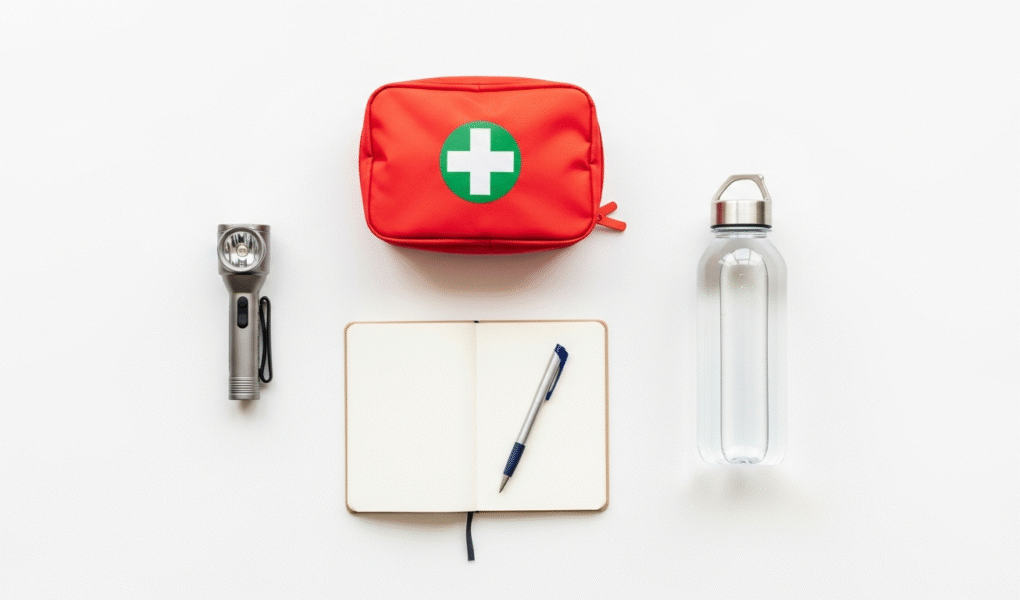
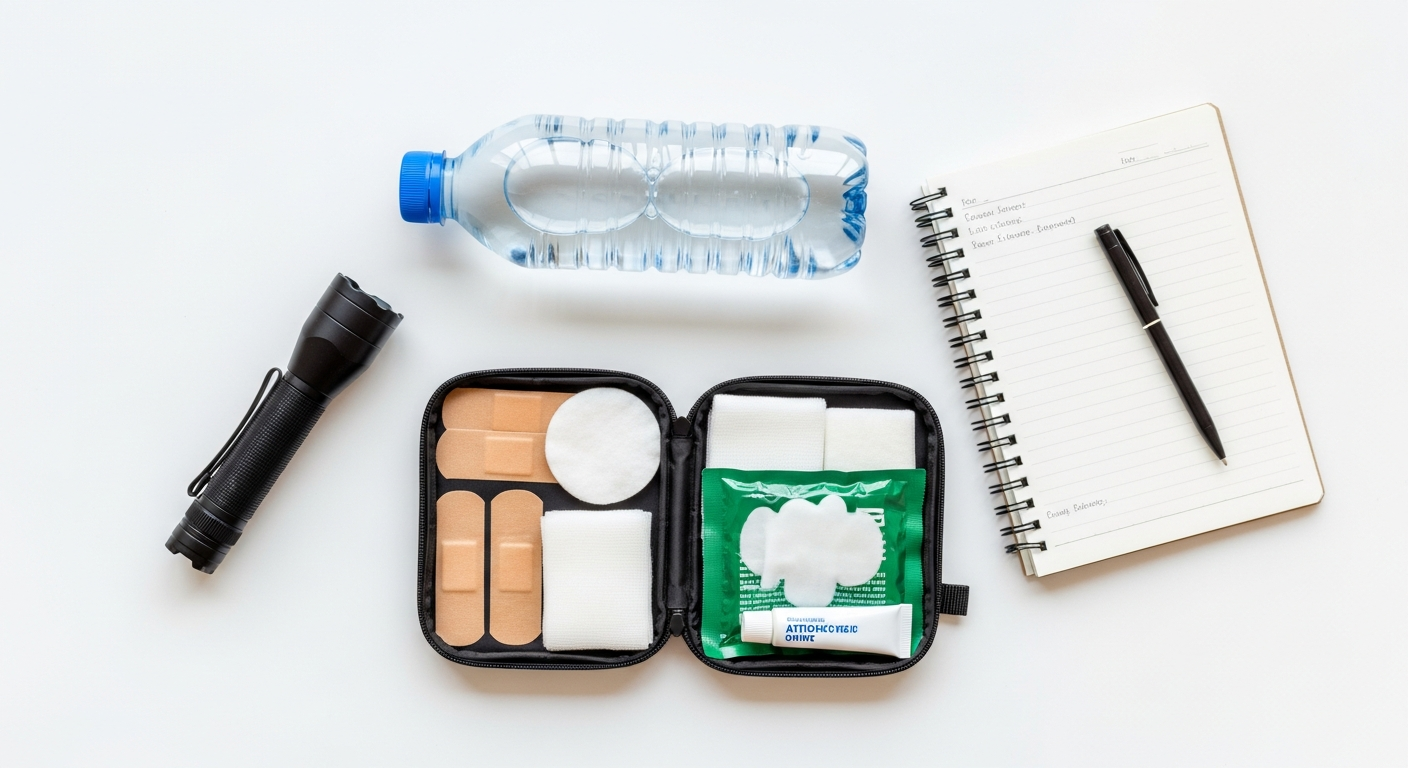
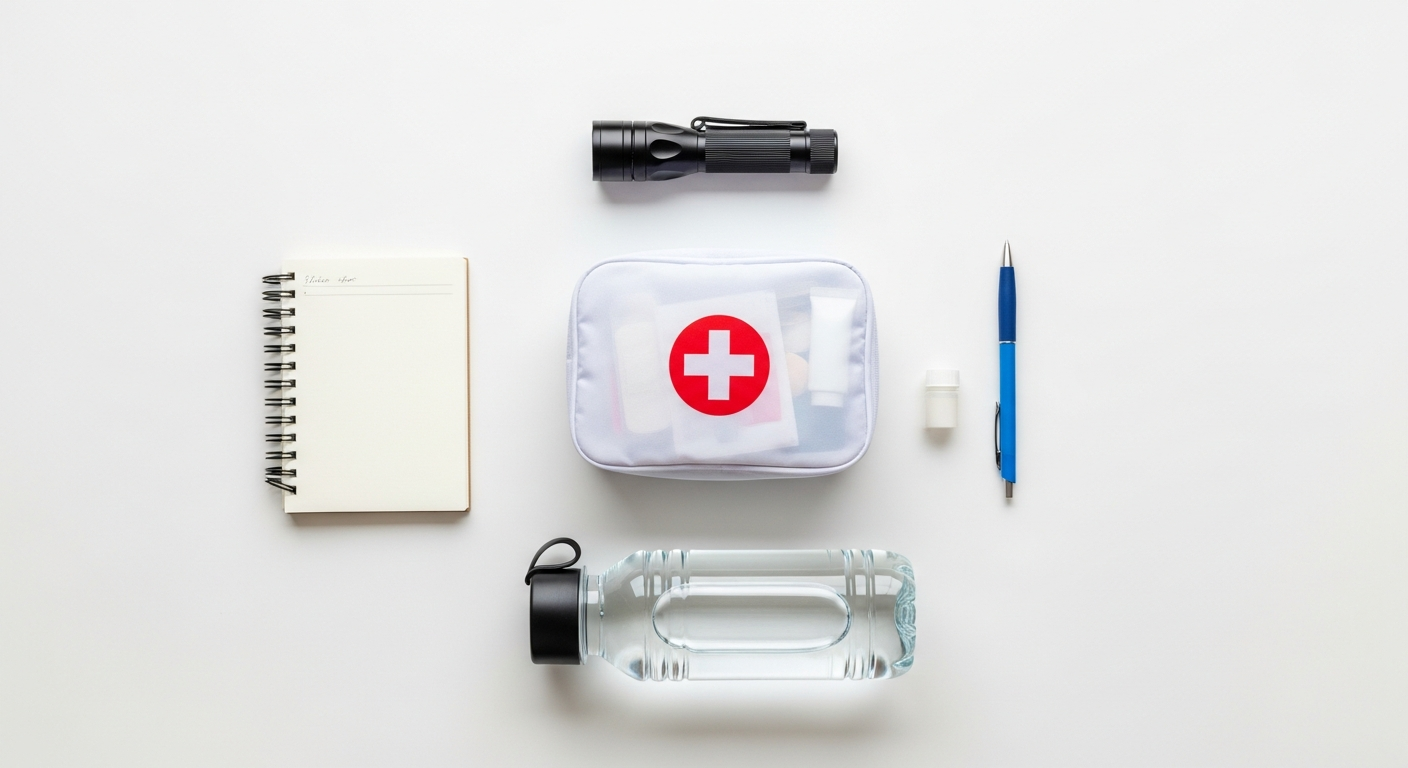
* First-Aid Kit: Comprehensive kit including bandages, antiseptic wipes, pain relievers, allergy medication, any prescription medications (with a copy of the prescription), and any specific medical supplies your family needs (e.g., inhalers, epi-pens).
* Lighting & Communication: Flashlight (LED is best), extra batteries, hand-crank or battery-powered radio (NOAA weather radio), fully charged power bank for cell phones.
* Tools & Utilities: Whistle (to signal for help), multi-tool, duct tape, manual can opener.
* Personal Hygiene: Toilet paper, wet wipes, hand sanitizer, soap, toothbrushes, toothpaste, feminine hygiene products.
* Documents: Waterproof bag containing copies of important documents: IDs, birth certificates, insurance policies, medical records, property deeds, bank account numbers. Also include a list of emergency contacts.
* Cash: Small bills, as ATMs and credit card machines may not work during power outages.
* Warmth & Shelter: Emergency blankets, sleeping bags, a small tent or tarp (if space allows).
* Comfort Items: For kids, include a favorite small toy, book, or stuffed animal to provide comfort and distraction.
* Pet Supplies: Food, water, bowls, leash, carrier, waste bags, a current photo of your pet, and vaccination records.
The “Stay-at-Home” Kit (2-Week Supply): For Extended Home Isolation
This kit is an extension of your go-bag, designed to support your family for up to two weeks if you need to shelter in place. Store these items in an accessible, cool, dry place like a pantry, basement, or garage.
* Bulk Water: More significant supply of bottled water, or a water purification method (filters, purification tablets).
* Bulk Food: Larger quantities of non-perishable foods. Think about pantry staples like pasta, rice, beans, canned vegetables, fruits, and meats. Don’t forget comfort foods that require no cooking.
* Cooking: Small camping stove with fuel, or a grill and charcoal (for outdoor use only, with extreme caution).
* Sanitation: Large trash bags, buckets with lids (for makeshift toilets), chlorine bleach (unscented, for disinfection), heavy-duty gloves.
* Power: Additional batteries, solar chargers, or a generator (with proper safety precautions and ventilation).
* Entertainment: Books, board games, cards, craft supplies – especially for kids to combat boredom and stress.
Car Kit: On-the-Go Readiness
Keep a smaller, basic emergency kit in each vehicle.
* Jumper cables
* First-aid kit
* Flashlight and batteries
* Blanket or emergency poncho
* Non-perishable snacks and water bottles
* Basic tools (screwdriver, wrench)
* Phone charger/power bank
* Reflective triangles or flares
* Sand or cat litter (for tire traction in snow/ice)
Age-Appropriate Kit Additions: Tailoring to Your Family’s Needs
* Infants/Toddlers: Formula, baby food, diapers, wipes, diaper rash cream, pacifiers, infant pain reliever, a favorite small blanket or toy.
* School-Aged Children: Small books, coloring books and crayons, card games, a familiar comfort item.
* Teens: Age-appropriate books, a journal, headphones, chargers for personal devices (understanding power may be limited).
Involving Your Children: Empowering Them, Not Frightening Them
Talking to kids about emergencies can feel daunting, but it’s one of the most empowering things you can do. The goal is to inform and prepare, not to instill fear. Frame it as learning how to be safe and strong as a family.
Age-Specific Approaches:
* Young Children (Toddlers-Preschool):
* Simple Concepts: Use simple, reassuring language. Instead of “disaster,” say “when we need to be extra safe” or “when the lights go out.”
* “Safety Games”: Turn preparedness into play. Practice “fire drills” by walking to your outside meeting point. Play “hide and seek” in your safe room.
* Identify Safe Places: Point out safe spots in your home (e.g., “This is where we go if there’s a loud storm”).
* Comfort Items: Let them choose a special “comfort item” for their go-bag.
* School-Aged Children (5-12):
* Explain “Why”: They’re old enough to understand basic reasons for preparedness. Explain that knowing what to do helps everyone stay calm and safe.
* Assign Simple Tasks: Involve them in packing their own go-bag with their comfort items, water, and snacks. Let them help check battery dates.
* Practice Drills: Conduct regular fire drills and discuss what to do if you’re separated at school or in a public place.
* Know the Plan Basics: Ensure they know the out-of-state contact, main meeting points, and how to call 911 (and when it’s appropriate).
* “What If” Scenarios: Discuss hypothetical situations in a calm, matter-of-fact way: “What if the power goes out for a long time?” “What if we have to leave the house quickly?”
* Teens (13+):
* Involve in Planning: Treat them as valuable members of the team. Ask for their input on kit contents, communication strategies, and roles.
* Assign Responsibilities: Give them specific tasks, like managing the car kit, learning basic first aid, or being responsible for pet care in an emergency.
* First Aid & CPR: Encourage them to take a basic first aid or CPR course.
* Digital Preparedness: Discuss the importance of keeping phones charged, knowing how to conserve battery life, and understanding safe communication practices online during an emergency.
* Leadership Role: Empower them to be a resource for younger siblings.
Always maintain a calm, reassuring tone. Emphasize that you are preparing together as a family to be strong and ready for anything.
Beyond the Basics: Important Considerations & Maintenance
Preparedness isn’t a one-and-done task; it’s an ongoing commitment. Just like you maintain your car or your home, your emergency plan and kits need regular attention.
Document Digitization & Storage: Safeguarding Your Records
Beyond physical copies in your go-bag, consider digital backups for critical documents:
* Cloud Storage: Use secure, encrypted cloud services (like Google Drive, Dropbox, iCloud) to store scanned copies of birth certificates, passports, insurance policies, medical records, and photos.
* External Hard Drive/USB: Keep an encrypted external drive with scanned documents in a fireproof, waterproof safe at home, or with your out-of-state contact.
* Password Manager: Use a secure password manager to keep track of important login credentials.
Utility Shut-Offs: Knowing How and When
It’s vital for adults in the household to know:
* Main Water Shut-Off: Where it is and how to turn it off to prevent flooding in case of a burst pipe or damaged water line.
* Main Gas Shut-Off: Where it is and how to turn it off. Only turn off the gas if you smell gas, hear a leak, or are instructed to by authorities. If you turn it off, a professional will need to turn it back on.
* Main Electrical Breaker/Fuse Box: Where it is and how to turn off the main power, or individual circuits, in case of an electrical fire or flooding.
Practice these actions periodically to ensure you can do them quickly and safely.
First Aid & CPR Training: Empowering Lifesaving Skills
This is one of the most valuable investments you can make:
* Adults: Enroll in a certified first aid and CPR/AED course. Knowing how to respond to choking, severe bleeding, or a cardiac event can save a life.
* Older Teens: Encourage older teenagers to take these courses as well, making them more capable and confident in emergencies.
Pet Preparedness: Don’t Forget Your Furry Friends
* Microchip and ID Tags: Ensure your pets are microchipped and wear current ID tags with your contact information.
* “Go-Bag” for Pets: Include food, water, bowls, medications, leash, collar, waste bags, a favorite toy, and current vaccination records.
* Carrier: Have a sturdy pet carrier readily accessible for each pet.
* Emergency Contact: Include your vet’s contact information and an emergency contact who can care for your pet if you’re unable to.
* “Pet Inside” Sticker: Place a sticker on your front door or window indicating the number and type of pets in your home, for first responders.
Regular Review & Practice: Keeping Your Plan Fresh
* Quarterly Kit Check: Every three months, check your emergency kits.
* Rotate food and water supplies (use items nearing expiration and replace).
* Check battery expiration dates and replace as needed.
* Replenish any used first-aid supplies.
* Update prescription medications.
* Check clothing sizes for growing children.
* Annual Plan Review: Once a year, sit down as a family to review your entire emergency plan.
* Discuss meeting points.
* Practice communication methods.
* Conduct a full family drill (e.g., a “power outage” drill where you use flashlights and emergency cooking methods).
* Update contact information and documents.
* Discuss any new potential risks or changes in your community.
Mental & Emotional Preparedness: Nurturing Resilience
Beyond the physical preparations, fostering emotional resilience within your family is equally vital. The emotional toll of an emergency can be significant, especially on children.
* Open Communication: After an event, encourage children to talk about their feelings. Validate their fears and anxieties without dismissing them.
* Maintain Routine: As much as possible, re-establish routines quickly. Predictability provides comfort and a sense of normalcy for children.
* Limit Media Exposure: Shield young children from overwhelming news coverage of disasters, which can heighten anxiety.
* Focus on Strengths: Highlight how your family worked together and overcame challenges. Emphasize their resilience and problem-solving skills.
* Self-Care for Parents: Remember that you can’t pour from an empty cup. Prioritize your own mental well-being, seek support if needed, and practice stress-reducing techniques. Your calm presence is the greatest comfort for your children.
* Community Connection: Connect with neighbors and community groups. A strong community network can be a vital support system during and after an emergency.
Remember, preparedness is an ongoing journey, not a destination. It’s about cultivating a mindset of readiness and resilience that benefits your family every single day.
Taking the first step, no matter how small, is the most important part. You’ve got this!