


Your Ultimate Family Travel Guide for 2026: Making Memories with Kids of All Ages
As we look ahead to 2026 and beyond, the opportunities for adventure are boundless. Whether you’re dreaming of a cross-country road trip, an international escapade, or a serene local getaway, this comprehensive guide is designed to be your supportive companion. We’ll share practical, judgment-free advice from one parent to another, offering strategies for navigating everything from toddler tantrums on a plane to teenage ennui in a museum. Our goal is to help you build not just an itinerary, but a framework for joyful, less-stressed family journeys that foster happy, healthy kids and unforgettable family bonds.
Planning is Your Superpower: Laying the Groundwork for Smooth Journeys
The secret to a successful family trip often lies not in the destination itself, but in the preparation. Think of planning as your family’s superhero cape – it doesn’t eliminate all challenges, but it certainly equips you to soar above them with greater ease. Starting early and involving the whole family can transform pre-trip anxiety into exciting anticipation.
Involve Your Children from the Start
Even young children can participate in the planning process. For preschoolers, let them choose a small toy to bring or pick out a snack. School-aged kids can research fun facts about your destination or help select activities. Teens can take ownership of a day’s itinerary or be responsible for finding interesting local eateries. This involvement fosters a sense of ownership and excitement, making them more invested in the trip’s success.
Researching Your Destination: Family-Friendly Focus
- Accommodations: Look for places that cater to families – connecting rooms, kids’ clubs, kitchenettes, or even vacation rentals that offer more space and amenities like laundry. Read reviews specifically from families.
- Activities: Identify age-appropriate attractions. Balance educational sites with playgrounds, natural parks, or kid-centric museums. Factor in downtime; children, especially, need unstructured play and rest.
- Logistics: Investigate local transportation, proximity to hospitals, and grocery stores. Understanding the lay of the land before you arrive reduces stress significantly.
Budgeting and Smart Saving
Travel doesn’t have to break the bank. Start a dedicated travel fund well in advance. Look for off-peak travel times, consider package deals, or explore destinations that offer excellent value. Dining out can be a major expense, so plan for some meals to be picnics or simple self-catered options, especially if your accommodation has a kitchen. Remember, the most valuable memories often come from simple, shared experiences, not necessarily the most expensive ones.
Packing Smart: The Art of Essentials
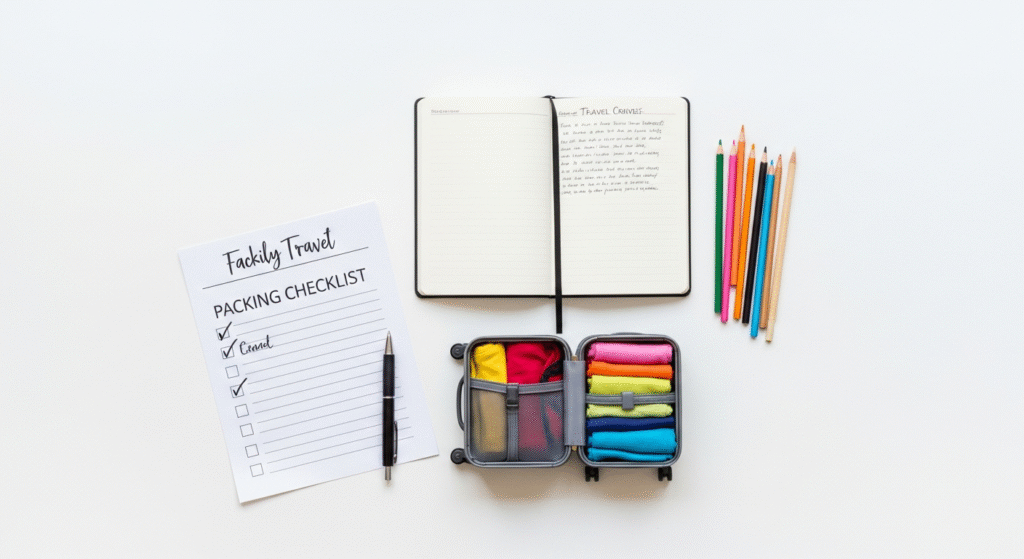
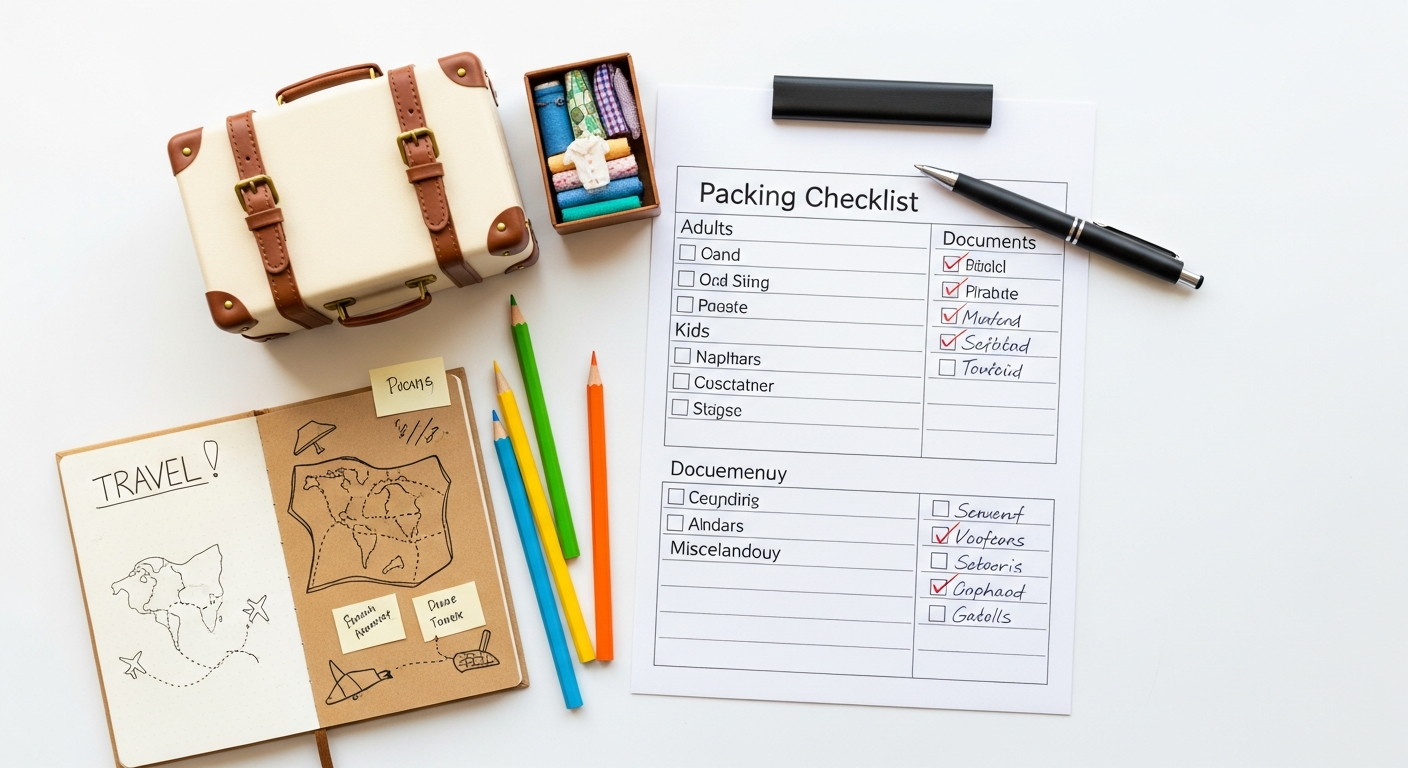
Overpacking is a common pitfall. Create a master packing list and then ruthlessly edit it. Prioritize essentials: comfortable clothing, necessary medications, toiletries, and a few beloved comfort items for each child. Consider packing cubes to organize outfits and save space. A “travel day” bag should contain immediate necessities: snacks, water bottles, a change of clothes for younger kids (and potentially adults!), chargers, and entertainment.
- Emergency Kit: Beyond clothes, always pack a small emergency kit with basic first aid (band-aids, antiseptic wipes, pain reliever, allergy medication), any prescription drugs, and a copy of important documents.
- Health and Safety: Before you go, ensure everyone’s immunizations are up to date. Pack hand sanitizer and wipes. If traveling internationally, research local health advisories and consider travel insurance that includes medical coverage. Keep a list of emergency contacts and your children’s medical information handy.
Booking Strategies: Timing and Flexibility
For flights, aim to book direct if possible to minimize transitions and potential delays. If connecting flights are unavoidable, choose layovers that are long enough to decompress but not so long that kids get restless. Early morning flights can sometimes mean fewer delays and children might sleep through part of the journey. For accommodations, booking with free cancellation policies offers valuable flexibility in case plans change.
Navigating the Journey: Making the Travel Itself Part of the Adventure

The journey itself, whether by car, plane, or train, can be the most challenging part of family travel. However, with the right strategies, it can also become an integral, fun part of the adventure. The key is to manage expectations – yours and your children’s – and come prepared for anything.
Car Travel Tips: The Open Road with Little Ones
- Strategic Stops: Plan frequent stops at playgrounds, parks, or even just scenic rest areas where kids can burn off energy. Don’t underestimate the power of a good stretch and a breath of fresh air.
- Snack Central: Pack a cooler with easy-to-eat, non-messy snacks and plenty of water. Avoid sugary treats that lead to energy crashes.
- Entertainment Hub: Beyond screens, think about audiobooks, travel games (I-Spy, license plate game), singalongs, and lap trays for drawing or puzzles. A “busy bag” for each child filled with new-ish small toys or craft supplies can work wonders.
- Car Sickness: If a child is prone to car sickness, position them to look forward, use anti-nausea remedies if appropriate (consult your pediatrician), and ensure good ventilation.
Air Travel Tips: Soaring with Smiles
- Airport Navigation: Arrive early to avoid rushing. Assign roles to older kids (e.g., “baggage checker,” “boarding pass holder”). Explain the security process simply.
- Boarding Smart: Utilize family boarding if offered. Have a dedicated “carry-on” for each child with their essentials and entertainment.
- In-Flight Entertainment: Load tablets with movies, shows, and games. Pack headphones. Don’t forget non-screen activities like sticker books, small LEGO sets, or a deck of cards. A new, small toy or book can be a great reveal mid-flight.
- Snacks and Hydration: Airport food can be pricey and limited. Bring your own snacks and empty water bottles to fill past security.
- Managing Pressure: For infants and toddlers, feeding or offering a pacifier during takeoff and landing can help with ear pressure.
- Jet Lag: Try to adjust to the new time zone immediately upon arrival. Hydrate well, expose yourselves to natural light during the day, and keep naps short if needed.
Train and Bus Travel: A Different Pace
These modes of transport often offer more space to move around than planes or cars, making them excellent choices for families. Take advantage of observation cars on trains or simply enjoy the changing scenery. Pack similar to car travel, focusing on snacks and a variety of entertainment options.
Managing Meltdowns and Boredom
This is where realistic expectations come in. Meltdowns are inevitable, especially with younger children whose routines are disrupted. Acknowledge their feelings, offer comfort, and try to address the underlying need (hunger, tiredness, overstimulation). For boredom, prevention is key: rotate activities, engage them in conversation, and point out interesting sights. Sometimes, a simple change of scenery – even just walking to the back of the plane or bus – can reset the mood.
As Dr. Becky Kennedy, clinical psychologist and author, often emphasizes, children thrive when they feel connected and understood, even amidst big feelings. Acknowledging their “big feelings” during travel, rather than trying to shut them down, can help them regulate and move past the discomfort more quickly.
Thriving at Your Destination: Embracing the Experience
You’ve made it! Now it’s time to enjoy your destination. But even here, a thoughtful approach can make all the difference between a frantic dash and a truly memorable experience.
Pacing Yourself: Less is Often More
It’s tempting to try and see everything, but over-scheduling is a fast track to exhaustion and frustration for everyone. Build in downtime each day – whether it’s a quiet hour in the hotel room, a leisurely swim, or simply letting the kids play at a local park. Prioritize a few key experiences rather than trying to cram too much in. Remember, the goal is connection and enjoyment, not checking off every item on a list.
Maintaining Routines (Where Possible)
While travel inherently disrupts routines, try to maintain a semblance of normalcy, especially for sleep and mealtimes. Stick to bedtimes as much as you can, even if it means missing a late-night activity. Familiar sleep associations (a special blanket, a white noise app) can be incredibly helpful. Consistent mealtimes help regulate blood sugar and moods, reducing the likelihood of “hangry” outbursts.
Hydration and Smart Snacking
Keep water bottles filled and readily accessible. Dehydration can lead to headaches, fatigue, and irritability. Continue to pack nutritious, familiar snacks, especially when exploring new places where food options might be limited or unfamiliar. This helps bridge gaps between meals and provides a sense of comfort.
Safety at the Destination
- Buddy System: Establish a “buddy system” for older children.
- Meeting Point: Teach children a designated meeting point if you get separated in a crowded area.
- Identification: Consider ID bracelets for younger children with your contact information.
- Local Customs: Briefly research local customs and safety precautions. For instance, if traveling near water, be extra vigilant about water safety rules.
- Strangers: Reiterate stranger safety rules, even when on vacation.
Embracing Local Experiences
While tourist attractions are fun, don’t shy away from local experiences. Visit a local market, try a regional dish (even if it’s just a dessert!), or spend time at a neighborhood park. These moments often provide the most authentic insights into a culture and can be surprisingly engaging for children. Be open to spontaneity; sometimes the best discoveries are unplanned.
Meal Times: Flexibility and Adventure
Children can be notoriously picky eaters, and travel can exacerbate this. Be flexible. If they eat plain pasta for three nights, that’s okay. Encourage them to try new foods, but don’t force it. Pack familiar snacks as a backup. Dining out might mean earlier dinner times or choosing restaurants with kid-friendly options or outdoor seating. Picnics are often a fantastic, low-stress alternative.
Age-Specific Wisdom: Tailoring Your Approach
What works for a toddler won’t work for a teenager. Tailoring your travel strategies to your children’s developmental stage is crucial for a harmonious trip.
Infants (0-12 months): Simplicity and Comfort
- Keep it Simple: Shorter trips, familiar environments, and maintaining routines are key.
- Baby Gear: Decide what to bring (stroller, carrier, portable crib) versus what to rent or buy at your destination. A good baby carrier is invaluable for navigating airports and busy streets.
- Feeding on the Go: Pack enough formula/breast milk, bottles, and baby food. Be mindful of regulations for liquids if flying.
- Comfort Items: Don’t forget their favorite blanket, pacifier, or lovey.
- Flexibility: Be prepared for delays and disruptions to their sleep and feeding schedules.
Toddlers (1-3 years): Safety, Play, and Patience
- Safety First: Toddlers are curious and fast! Childproof your accommodation as much as possible. Keep a close eye on them, especially in new environments.
- Active Play: Schedule plenty of time for running, jumping, and exploring. Parks, playgrounds, and open spaces are your friends.
- Managing Big Emotions: Tantrums are common. Acknowledge their feelings, offer comfort, and try to identify the underlying need (tiredness, hunger, overstimulation).
- Familiar Items: Bring a few favorite toys, books, or a comfort object to provide a sense of security.
- Car Seats/Strollers: Ensure you have appropriate and safe seating for all modes of transport.
Preschoolers (3-5 years): Independence and Imagination
- Involve Them: Let them help with small decisions, like choosing an activity or what snack to eat.
- Imaginative Play: Pack small figures, puppets, or art supplies. Encourage storytelling about your adventures.
- Potty Breaks: Plan frequent bathroom stops.
- Clear Expectations: Explain what’s happening next and what behavior is expected. Use visual schedules if that helps your child.
School-Aged Kids (6-12 years): Learning and Responsibility
- Learning Opportunities: Frame travel as an educational experience. Visit museums, historical sites, or learn a few phrases in a new language.
- Responsibility: Give them age-appropriate tasks, like carrying their own backpack, helping with directions, or managing their spending money.
- Balancing Activities: Mix educational and cultural experiences with fun, active ones.
- Screen Time: Negotiate screen time limits before the trip, but be prepared to be flexible during long travel days.
Teens (13+ years): Autonomy and Connection
- Give Them Input: Involve them heavily in itinerary planning. Let them pick some activities or restaurants.
- Alone Time: Teens often need some independence. Allow for some downtime or even a bit of solo exploration (within safe limits).
- Tech Access: Ensure they have access to their phones for communication and entertainment, but encourage them to disconnect and engage with the family and surroundings.
- Manage Expectations: They might not be as enthusiastic about every activity. Focus on creating shared memories, even if it means a bit of gentle persuasion.
The Mindset Shift: Embracing Imperfection and Creating Lasting Memories
Perhaps the most crucial “tip” for family travel is a shift in mindset. It won’t be perfect. There will be spills, delays, meltdowns, and moments of utter chaos. And that’s perfectly okay. The goal isn’t a flawless vacation, but a rich, authentic family experience.
Focus on Connection, Not Perfection
Let go of the idealized version of your trip. Instead, focus on being present with your children. Laugh at the mishaps, find humor in the unexpected, and reassure yourselves that these are the stories you’ll tell for years to come. The beauty of family travel lies in these shared moments – the good, the challenging, and the hilariously imperfect.
Be Present
Put down your phone when you can. Engage in conversation, play a game, or simply watch the world go by with your children. These unhurried moments of connection are often the most treasured.
Documenting Memories
Take photos and videos, but don’t let it overshadow the experience itself. Consider a travel journal where kids can draw pictures or write about their favorite parts. These tangible memories become precious keepsakes, reminding you of the adventures you shared long after the suitcases are unpacked.
As Dr. Gail Saltz, clinical associate professor of psychiatry at the New York Presbyterian Hospital Weill-Cornell School of Medicine, highlights, “Shared positive experiences, like family vacations, build strong bonds and resilience in children. They learn adaptability, problem-solving, and gain a broader perspective of the world, all while feeling secure in their family unit.”