



Creating Your Safe Haven: A Foundation for Family Flourishing
Our homes are dynamic spaces, constantly evolving with our families. As parents and advocates, we understand that safety extends beyond physical barriers; it encompasses emotional well-being, digital security, and the peace of mind that comes from being prepared. Building a truly safe haven means addressing every facet of home life, ensuring that every corner of our living space contributes to a sense of security and belonging. This holistic approach to safety is paramount, especially as we strive to create environments where all family members, regardless of age or background, feel valued and protected.
A crucial first step in creating this comprehensive safe haven is a thorough assessment of your home. Walk through each room with fresh eyes, imagining potential risks from the perspective of a curious toddler, an adventurous child, or even an elderly relative. This exercise helps identify overlooked hazards and allows you to prioritize safety upgrades effectively. Remember, a safe home is a proactive home, one where potential issues are addressed before they become problems.
- Regular Safety Audits: Make it a habit to conduct a home safety check at least twice a year, perhaps when you change your clocks for daylight saving time. This ensures that safety devices are working and that new hazards haven’t emerged.
- Involve the Family: Depending on their age, involve children in safety discussions and checks. Empowering them with knowledge helps them understand the importance of safety rules and fosters a sense of shared responsibility.
- Education is Key: Teach children about fire safety, stranger danger, and how to react in emergencies. Knowledge is a powerful tool in prevention and response.
- Secure Entrances and Exits: Ensure all doors and windows have secure locks. Consider deadbolts for exterior doors and window locks or alarms, especially on ground floors. Reinforce sliding glass doors with security bars or pins.
- Emergency Contact Information: Post a list of emergency numbers (police, fire, poison control, doctor) in a visible, easily accessible location, like on the refrigerator. Ensure everyone, including older children, knows how to access and use this information.
By establishing these foundational practices, we not only protect our families physically but also cultivate an atmosphere of mindful care. This mindful approach is especially vital in fostering an environment where children feel secure enough to openly communicate, a cornerstone for their emotional development and resilience.
Essential Safety Measures for Every Room

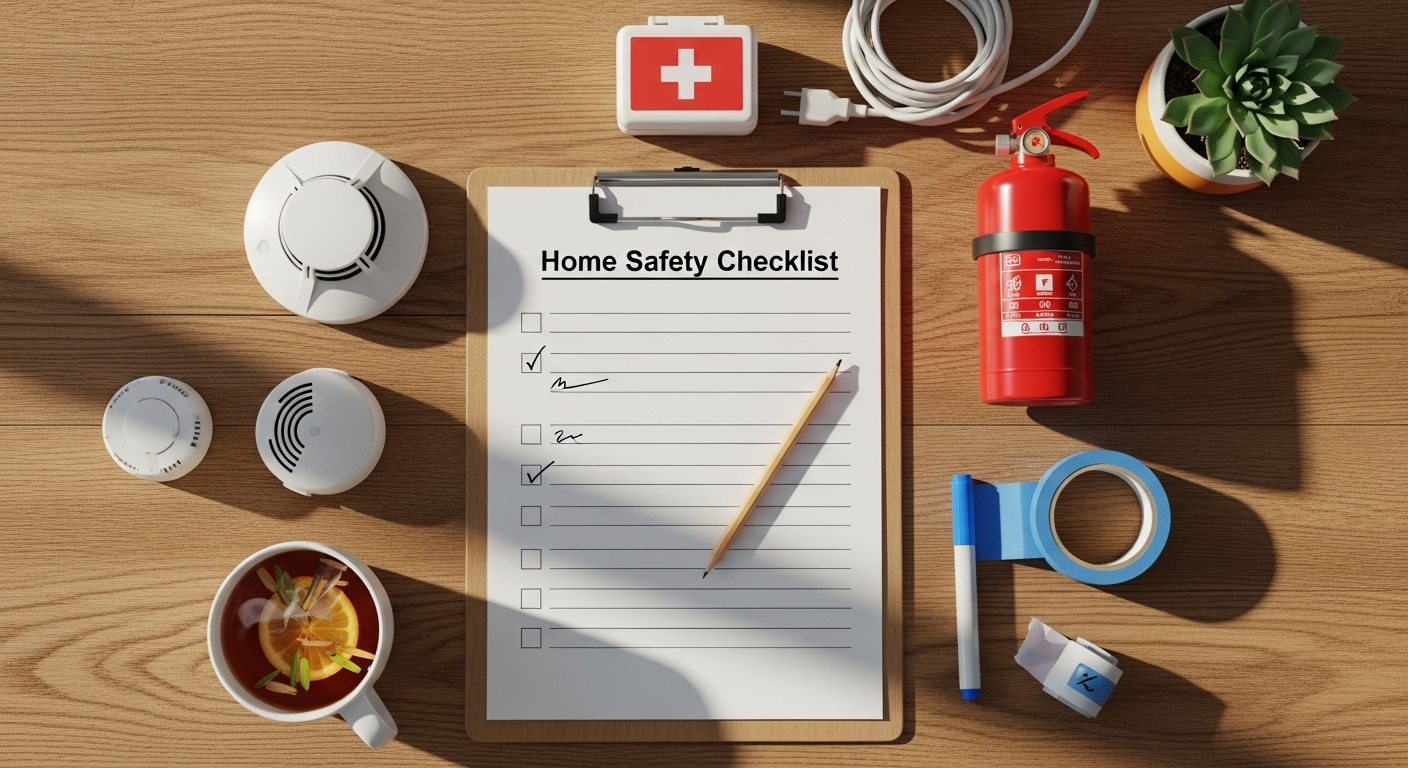
While some safety concerns are universal, others are specific to certain areas of your home. Let’s delve into the specifics, room by room, ensuring no stone is left unturned in our quest for ultimate family protection. These measures are not just about preventing accidents; they’re about creating a worry-free environment where memories can be made without unnecessary stress.
Fire Safety and Carbon Monoxide Prevention
Fire and carbon monoxide are silent threats that require constant vigilance. Proactive measures are the best defense.
- Smoke Detectors: Install smoke detectors on every level of your home, inside and outside sleeping areas. Test them monthly and replace batteries annually, or follow manufacturer guidelines for newer sealed units. Replace detectors every 10 years.
- Carbon Monoxide (CO) Detectors: Install CO detectors on every level of your home, especially near sleeping areas. CO is odorless and invisible, making detectors absolutely essential. Test them regularly.
- Fire Extinguishers: Keep a multi-purpose fire extinguisher (Class ABC) in the kitchen and on each floor. Ensure all adults know how to use it properly.
- Escape Plan: Develop and practice a family fire escape plan at least twice a year. Designate a safe meeting point outside your home. Ensure everyone knows two ways out of each room.
- Electrical Safety: Overloaded outlets and damaged cords are common fire hazards. Avoid “daisy-chaining” power strips. Replace frayed cords immediately. Use outlet covers for unused outlets, especially if you have young children.
- Heating Safety: Keep anything flammable at least three feet away from space heaters. Never leave candles unattended. Ensure your fireplace and chimney are cleaned and inspected annually.
Kitchen Safety: The Heart of the Home, Safely Managed
The kitchen is often the busiest room, full of potential hazards from sharp objects to hot surfaces and cleaning chemicals. A safe kitchen is an organized kitchen.
- Secure Cabinets and Drawers: Install childproof locks on cabinets and drawers containing knives, sharp utensils, hazardous cleaners, and breakable items.
- Store Poisons Safely: Keep all cleaning supplies, detergents, pest control products, and medicines locked away or stored on high shelves, completely out of reach and sight of children. Remember, colorful packaging can be enticing.
- Stove and Oven Safety: Use back burners whenever possible. Turn pot handles inward to prevent accidental knocking. Install stove knob covers or remove knobs when not in use. Teach older children about the dangers of hot surfaces.
- Appliance Safety: Unplug small appliances when not in use. Keep cords tucked away to prevent tripping or pulling down appliances.
- Trash Can Security: Use a trash can with a secure lid to prevent children or pets from accessing discarded food or hazardous items.
- Choking Hazards: Be mindful of small food items (grapes, hot dogs, nuts) that can pose choking risks for young children. Cut food into small, manageable pieces.
Bathroom Safety: A Splash of Caution
The bathroom, with its water, hard surfaces, and medicines, demands careful attention.
- Water Temperature: Set your water heater to 120°F (49°C) to prevent scalding. Always test bathwater temperature before placing a child in the tub.
- Non-Slip Surfaces: Place non-slip mats or decals in bathtubs and showers to prevent falls.
- Medication Storage: Keep all medications, both prescription and over-the-counter, locked away in their original child-resistant containers, out of sight and reach. Dispose of expired medications properly.
- Electrical Appliances: Keep hair dryers, curling irons, and other electrical appliances unplugged and stored away from water sources. Never use electrical appliances while in the tub or shower.
- Toilet Locks: Consider toilet lid locks for young children to prevent drowning hazards.
Childproofing Your Home: Nurturing Growth in a Secure Environment
Infants and Toddlers: The World Through New Eyes
This stage is all about exploration. Children learn by touching, tasting, and climbing, so our safety measures must anticipate their every move.
- Outlet Covers: Install safety caps or sliding outlet covers on all unused electrical outlets.
- Furniture Anchors: Anchor all heavy furniture (dressers, bookshelves, TVs) to the wall with anti-tip kits to prevent tip-overs. This is a critical step that can save lives.
- Stair Gates: Install sturdy safety gates at the top and bottom of stairs. Use hardware-mounted gates for the top of stairs and pressure-mounted gates for doorways where a fall wouldn’t be as dangerous.
- Blind Cords: Eliminate the danger of strangulation by using cordless blinds or securing cords with safety clips or cleats, keeping them well out of reach.
- Window Guards: Install window guards or stops on windows above the ground floor to prevent falls, ensuring they can be easily opened by adults in an emergency.
- Small Objects: Regularly scan floors for small objects that could be choking hazards (coins, buttons, batteries, small toy parts).
- Poison Control: Always have the Poison Control Center number (1-800-222-1222) easily accessible.
Preschoolers and Young Children: Expanding Horizons
As children gain more mobility and problem-solving skills, they can reach new heights and open more doors. Safety measures need to adapt.
- Teach Safety Rules: Begin teaching age-appropriate safety rules, such as “don’t touch the stove” or “always ask an adult before eating something you find.”
- Secure Poisons and Medications: Reiterate the importance of never touching medicines or cleaning products. Keep them locked away, even as children get older and smarter.
- Tool and Garden Shed Safety: Ensure that tools, lawnmowers, and hazardous chemicals in garages or sheds are locked and inaccessible.
- Water Safety: Teach children about water safety, especially if you have a pool or live near natural bodies of water. Constant supervision is paramount around water.
- Emergency Drills: Continue practicing fire drills and other emergency procedures. Ensure they know their address and how to call 911.
Creating a child-safe home environment is a continuous labor of love. It allows children to grow with a sense of freedom and security, knowing their home is a place designed for their protection and well-being. This foundation of safety and security is also incredibly important in helping children develop resilience, particularly if they ever face challenging situations. Should a traumatic event occur, having a secure home base helps immensely, and we have shared Tips for helping children cope after a traumatic event which you might find a valuable resource.
Beyond the Walls: Outdoor and Digital Safety for Modern Families
Our commitment to safety extends beyond the four walls of our home, encompassing our outdoor spaces and the increasingly pervasive digital realm. In today’s interconnected world, safeguarding our families means being vigilant in all environments.
Outdoor and Yard Safety
Your yard and surrounding areas should be extensions of your safe haven, not sources of new hazards.
- Fencing and Gates: If you have a pool, pond, or busy road nearby, ensure your yard is securely fenced with self-latching gates that open outward. Regularly check fences for damage.
- Playground Equipment: Inspect swings, slides, and other play equipment regularly for rust, loose bolts, sharp edges, or weak spots. Ensure there is adequate shock-absorbing material (mulch, sand, rubber mats) under all play structures.
- Garden Tools and Chemicals: Store all sharp garden tools, lawnmowers, pesticides, and fertilizers in a locked shed or garage, out of children’s reach.
- Pet Safety: Teach children how to interact safely and respectfully with pets. Ensure pets are properly vaccinated and microchipped. Secure pet food and litter boxes from curious toddlers.
- Driveway and Garage Safety: Teach children to look both ways before entering or exiting driveways. Use motion-sensor lights. Ensure garage door openers have an auto-reverse feature and test it regularly. Keep car keys out of reach.
- Water Safety (Pools & Ponds): Never leave children unsupervised near water. Consider alarms for pool gates and covers for hot tubs when not in use. Enroll children in swimming lessons early.
Navigating the Digital Landscape: Online Safety and Cyber Wellness
As our lives increasingly move online, digital safety becomes as crucial as physical safety. For families, this means protecting children from online predators, cyberbullying, and inappropriate content, while also fostering responsible digital citizenship.
- Parental Controls: Utilize parental control settings on all devices, internet routers, and streaming services. These tools can filter content, limit screen time, and block inappropriate websites.
- Open Communication: Foster an environment where children feel comfortable discussing their online experiences, both good and bad. Emphasize that they can come to you without fear of judgment if they encounter something upsetting or dangerous.
- Privacy Settings: Teach children the importance of strong passwords and never sharing personal information (address, phone number, school) online with strangers.
- Cyberbullying Awareness: Discuss cyberbullying openly. Teach children what to do if they or a friend are targeted – block, report, and tell a trusted adult. Understanding the impact of online words is crucial.
- Screen Time Management: Establish clear rules and limits for screen time. Encourage a balance between online and offline activities, including physical play and face-to-face interactions.
- Digital Footprint: Help children understand that anything posted online can be permanent. Encourage them to think before they post.
- Age-Appropriate Content: Monitor the apps, games, and websites your children access to ensure they are age-appropriate and safe.
Protecting our children in the digital world is an ongoing conversation, not a one-time lecture. It requires continuous engagement, education, and adaptation as technology evolves. Should your child experience cyberbullying or another distressing online event, remember that our resources on Tips for helping children cope after a traumatic event can provide valuable guidance in supporting their emotional recovery and building resilience.
Emergency Preparedness: Building Resilience Together
No matter how diligent we are, emergencies can happen. Being prepared isn’t about living in fear; it’s about empowering our families with the knowledge and resources to act calmly and effectively when faced with unexpected challenges. This preparation builds resilience and strengthens family bonds.
Developing a Family Emergency Plan
A well-thought-out plan is your family’s roadmap during an emergency.
- Communication Plan: Establish how your family will communicate if separated. Designate an out-of-state contact person whom everyone can call or text if local lines are down.
- Meeting Points: Have two designated meeting points: one just outside your home for sudden emergencies like a fire, and another outside your neighborhood in case you can’t return home.
- Evacuation Routes: Know your local evacuation routes and have alternative routes planned. Practice driving them.
- Shelter-in-Place Procedures: Understand when and how to shelter in place for events like severe weather or hazardous material spills.
- Medical Information: Keep a readily accessible list of family medical information, including allergies, medications, and doctors’ contact information.
Assembling an Emergency Kit
Your emergency kit should contain essentials for at least 72 hours, ideally longer.
- Water: One gallon per person per day for drinking and sanitation.
- Food: Non-perishable, easy-to-prepare items (canned goods, energy bars, dried fruit).
- First Aid Kit: Stocked with bandages, antiseptic wipes, pain relievers, prescription medications, and any specialized medical supplies.
- Flashlight and Batteries: Multiple flashlights and extra batteries.
- Whistle: To signal for help.
- Dust Mask: To filter contaminated air.
- Manual Can Opener: For canned food.
- Wrench or Pliers: To turn off utilities.
- Local Maps: In case GPS is unavailable.
- Battery-Powered or Hand-Crank Radio: To receive emergency broadcasts.
- Personal Hygiene Items: Toilet paper, wet wipes, hand sanitizer.
- Important Documents: Copies of insurance policies, birth certificates, and other vital records in a waterproof, portable container.
- Cash: Small bills, as ATMs and credit card machines may not work.
- Comfort Items: Books, games, or small toys for children to help them cope.
Regularly check and update your emergency kit, ensuring food and water supplies are fresh and medications haven’t expired. Involving children in the preparation process can help alleviate anxiety and make them feel more secure. Should you ever face an emergency that impacts your family’s sense of security, please revisit our article on Tips for helping children cope after a traumatic event. It offers practical strategies for supporting your children through challenging times and fostering their emotional recovery.
Financial Wellness and Safety: Smart Choices for a Secure Future
True family advocacy extends to financial well-being, recognizing that economic stability is a cornerstone of a safe and thriving home. Smart financial planning allows families to invest in safety measures, absorb unexpected costs, and provide for their health and wellness without undue stress. In an ever-changing world, empowering our families with financial literacy and savvy consumer habits is an act of profound care.
Budgeting for Safety and Wellness
Integrating safety needs into your family budget ensures that crucial protective measures aren’t overlooked. This mindful approach to finances supports a more secure living environment.
- Allocate for Safety Upgrades: Budget for items like smoke detectors, CO alarms, fire extinguishers, childproofing supplies, and first aid kit replenishment. These are non-negotiable investments in family safety.
- Insurance Review: Regularly review your home and health insurance policies. Ensure you have adequate coverage for your home’s value and your family’s health needs, protecting against unforeseen events.
- Emergency Fund: Build and maintain an emergency fund to cover unexpected expenses like home repairs, medical emergencies, or job loss. This financial cushion provides immense peace of mind.
- Energy Efficiency: Investing in energy-efficient appliances or sealing drafts can reduce utility bills, freeing up funds for other safety or wellness initiatives.
Saving on Health and Wellness Essentials
Maintaining a healthy lifestyle and having access to wellness goods can sometimes feel expensive, but smart choices can lead to significant savings without compromising quality. This directly contributes to a safer, healthier home environment.
- Shop Smart for Health Products: Look for generic or store-brand options for over-the-counter medications, vitamins, and personal care items. They often contain the same active ingredients at a fraction of the cost.
- Preventive Care: Prioritize regular check-ups and preventive screenings. Addressing health issues early can prevent more serious (and costly) problems down the line.
- DIY Cleaning Solutions: Many effective and non-toxic cleaning solutions can be made with common household ingredients like vinegar, baking soda, and lemon juice, saving money and reducing exposure to harsh chemicals.
- Community Resources: Explore community health programs, free clinics, or discounted wellness services. Many communities offer resources for families seeking affordable health and wellness support.
As we advocate for our families’ rights and choices, we also empower them with the tools to navigate financial landscapes responsibly. For more detailed strategies on making your budget work for you, especially when it comes to health, be sure to check out our article, 4 tips to save money on health and wellness goods. Because a financially stable family is a more resilient and secure family, ready to face whatever 2026 brings.
Empowering Teens and Fostering an Inclusive Home
As children grow into adolescence, their needs for safety and security evolve. Empowering teens means respecting their growing independence while still providing a framework of safety and support. For families, this also means creating an inclusive environment where every member, regardless of their path to joining the family, feels valued, respected, and profoundly safe.
Balancing Independence with Safety for Teens
Adolescence is a time of exploration and identity formation. Our role shifts from direct supervision to guidance and trust-building.
- Driving Safety: If your teen is learning to drive, emphasize safe driving practices, the dangers of distracted driving, and never driving under the influence. Set clear rules and consequences.
- Home Alone Rules: Establish clear guidelines for when teens are home alone, including who they can invite over, rules about cooking, and how to handle unexpected visitors.
- Personal Space and Privacy: Respect their need for personal space and privacy within the home, while still maintaining open lines of communication about safety. Encourage them to secure their personal belongings.
- Internet and Social Media Responsibility: Continue discussions about online safety, cyberbullying, and responsible digital citizenship. Reinforce the concept of a permanent digital footprint.
- Substance Abuse Prevention: Have ongoing, open conversations about the dangers of alcohol, drugs, and vaping. Create an environment where they feel comfortable coming to you with questions or concerns.
- Mental Health Awareness: Encourage open dialogue about mental health. Teach them coping mechanisms for stress and anxiety, and let them know that seeking help is a sign of strength.
Creating an Inclusive and Welcoming Environment for All Family Members
A truly safe home is one where every individual feels psychologically and emotionally secure, celebrated for who they are, and confident in their place within the family unit. This is especially pertinent for families formed through diverse paths.
- Openness and Acceptance: Foster an atmosphere of unconditional acceptance, celebrating each family member’s unique qualities, experiences, and perspectives.
- Respect for Privacy: Teach all family members, including younger children, to respect each other’s personal space and belongings, reinforcing boundaries.
- Conflict Resolution: Equip your family with healthy conflict resolution skills. Teach active listening and empathetic communication to address disagreements constructively and peacefully.
- Celebrating Diversity: Actively celebrate the diverse backgrounds, cultures, and identities within your family and community. This builds empathy and a broader understanding of the world.
- Support Systems: Ensure everyone knows they have a strong support system within the family and external resources if needed.
For families that have welcomed teens through adoption, creating this sense of belonging and security is particularly vital. The transition involves unique considerations, and fostering an environment of open communication, empathy, and tailored support is key. If your family is navigating this wonderful journey, you might find our article on Common questions about teen adoption to be an invaluable resource, offering insights into building a strong, loving, and safe relationship. Empowering every family member, especially teens, with a strong sense of belonging and safety is a continuous act of love and advocacy, ensuring our homes truly are havens for all.
Frequently Asked Questions
What are the most common home safety hazards for young children?▾
How often should I test my smoke and carbon monoxide detectors?▾
What should be included in a basic family emergency kit?▾
How can I talk to my children about online safety without scaring them?▾
Is it really necessary to anchor furniture to the wall?▾
How can I encourage my teen to be more responsible with home safety, like locking doors?▾
Recommended Resources
Related reading: Cnc Machining Explained (Mitsubishi Manufacturing).
Explore How To Reduce Monthly Expenses for additional insights.