Understanding Your Family’s Needs: More Than Just a View
Before you even begin to browse catalogs or visit showrooms, the most crucial step in choosing replacement windows is to deeply understand your family’s unique needs and priorities. This isn’t just about picking a style; it’s about making a thoughtful investment in your home’s future, much like the foundational discussions families have when preparing for significant life changes, such as welcoming a child. Just as you would carefully consider 4 things you should discuss before having children—like financial readiness, shared parenting philosophies, and long-term goals—you should approach window selection with a similar level of foresight and planning.
Consider first the functionality. Do you need windows that are easy to clean, especially if you have young children or pets? Are noise reduction capabilities paramount, perhaps if you live near a busy street or in a bustling neighborhood? For families with infants or toddlers, controlling natural light and temperature fluctuations in nurseries is vital for restful sleep. Think about accessibility: will everyone in your family be able to operate the windows easily and safely? These practical considerations often outweigh purely aesthetic ones in the long run.
Next, reflect on comfort and energy efficiency. Are certain rooms in your home always too hot in the summer or too cold in the winter? Drafty windows can lead to uncomfortable living spaces and unnecessarily high energy bills. Investing in energy-efficient windows can provide a significant return, not just in financial savings but in creating a more stable and pleasant indoor climate for your family year-round. This financial prudence aligns perfectly with discussions around family budgeting and responsible resource management.
Safety and security are always at the forefront of every parent’s mind. We want to ensure our children are safe inside and that our home is protected from external threats. Modern windows offer advanced locking mechanisms, tempered glass options, and even integrated sensors that can enhance your home’s security perimeter. This links directly to our broader commitment to home safety tips for every family, ensuring every entry point is as secure as possible.
Finally, consider the aesthetic and emotional impact. Windows frame the world your family sees and experiences from within your home. Do you desire more natural light, a better view, or a style that complements your home’s architecture and your personal taste? The right windows can enhance your home’s curb appeal and contribute to a feeling of warmth and openness. By thoughtfully evaluating these multifaceted needs, you empower yourself to make a choice that truly serves your family’s well-being and enriches your home environment for many years to come.
Decoding Window Materials: What’s Best for Your Home and Budget?

Once you have a clear understanding of your family’s functional, aesthetic, and safety needs, the next step is to explore the various materials available for replacement windows. Each material comes with its own set of benefits, drawbacks, and price points, making this choice a significant factor in your overall satisfaction and long-term investment. Understanding these differences will help you align your practical requirements with your financial planning, much like budgeting for essential family needs.
- Vinyl Windows: Vinyl is a popular choice for many families, and for good reason. It’s incredibly durable, low-maintenance, and relatively affordable. Made from PVC (polyvinyl chloride), vinyl windows are resistant to moisture, rot, and pests, meaning you won’t need to worry about painting or extensive upkeep. They offer good insulation properties, contributing to energy efficiency. However, vinyl frames typically come in a limited range of colors, and while durable, they can sometimes expand and contract with extreme temperature changes, which can, over many years, potentially affect seals. For a family on a budget looking for a reliable, fuss-free option, vinyl often presents an excellent value.
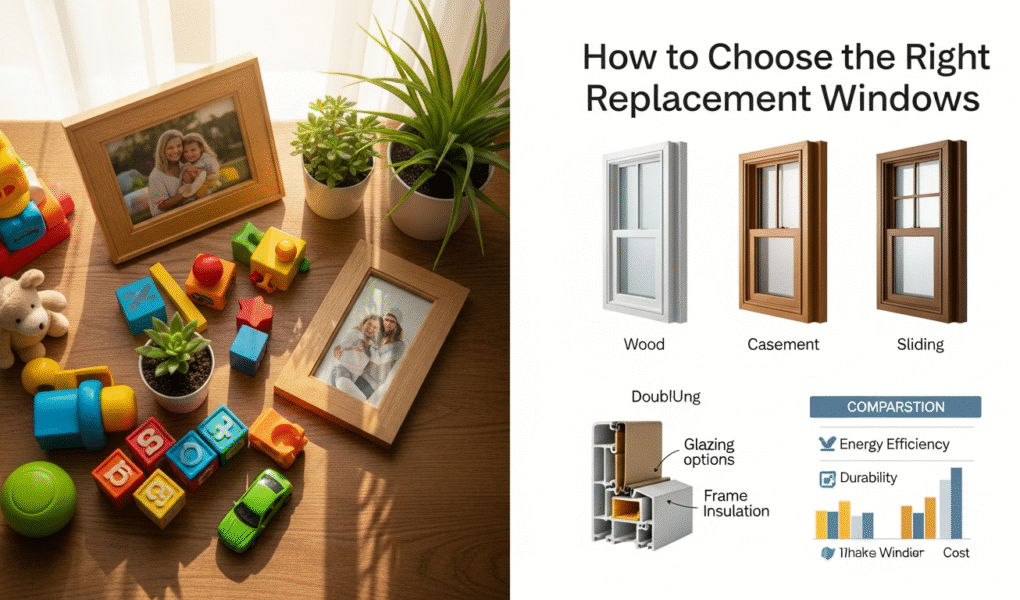
- Wood Windows: For those who cherish classic aesthetics and natural warmth, wood windows are an unparalleled choice. They offer superior insulation and can be painted or stained to match any interior or exterior design, providing immense versatility. Wood windows exude a timeless charm and can significantly enhance your home’s character. The primary considerations for wood are maintenance and cost. They require regular painting, staining, or sealing to protect them from moisture and pests, and they are generally the most expensive option upfront. However, with proper care, wood windows can last for decades, becoming a beautiful, enduring part of your home’s legacy. Many parents find the natural material comforting and aligning with a desire for organic elements in their children’s environment.
- Fiberglass Windows: Fiberglass is quickly gaining traction as a premium option, often considered a blend of the best qualities of vinyl and wood. Made from woven glass fibers and resin, fiberglass frames are exceptionally strong and stable, resisting warping, expanding, and contracting even in harsh climates. This stability means they maintain their seals better over time, leading to excellent long-term energy performance. They can be painted, offering more design flexibility than vinyl, and are highly durable and low-maintenance. While more expensive than vinyl, fiberglass windows offer a robust, long-lasting solution that requires minimal upkeep, making them a fantastic investment for families seeking superior performance and durability without the maintenance demands of wood.
- Aluminum Windows: Aluminum windows are known for their strength, durability, and sleek, modern profiles. Because aluminum is so strong, frames can be thinner, allowing for larger glass areas and maximizing views—a lovely feature for capturing glimpses of children playing in the yard. They are resistant to rust and corrosion and require very little maintenance. However, aluminum is a highly conductive material, meaning it’s not as energy-efficient as other options unless it includes thermal breaks designed to reduce heat transfer. While great for mild climates or specific architectural styles, they might not be the best choice for homes in regions with extreme temperature fluctuations if energy efficiency is a top priority.
- Composite Windows: These windows combine different materials, such as a wood interior for warmth and an exterior clad in vinyl, fiberglass, or aluminum for weather resistance and low maintenance. Composite windows offer the best of both worlds, allowing you to enjoy the aesthetic appeal of wood indoors while benefiting from the durability and reduced upkeep of modern materials outside. They are typically on the higher end of the price spectrum but offer exceptional performance and design flexibility, providing a comprehensive solution for families who refuse to compromise on either beauty or practicality.
When making this choice, consider your local climate, your home’s architectural style, your desired level of maintenance, and, of course, your budget. A thorough discussion with your partner about these factors, similar to how couples discuss financial goals and spending habits before having children, will ensure you choose a material that perfectly aligns with your family’s lifestyle and long-term home vision for 2026 and beyond.
Energy Efficiency & Comfort: Keeping Your Family Snug and Bills Low
Understanding the key metrics of energy efficiency will empower you to make informed decisions:
- U-Factor: This measures how well a window prevents heat from escaping your home. A lower U-factor indicates better insulation and less heat loss. For families living in colder climates, a low U-factor is crucial for keeping your home warm and cozy during winter months.
- Solar Heat Gain Coefficient (SHGC): SHGC measures how much solar radiation (heat from the sun) passes through a window. A lower SHGC means less heat gain, which is vital for homes in warmer climates or windows that receive a lot of direct sunlight. By reducing solar heat gain, you can keep your home cooler in the summer, reducing the strain on your air conditioning system.
- R-Value: While U-factor measures heat transfer, R-value measures resistance to heat flow. A higher R-value indicates better insulation. You’ll often see this term in relation to insulation materials, but it applies to windows too.
- Visible Transmittance (VT): This measures how much visible light passes through a window. A higher VT means more natural light, which is wonderful for brightening your home and lifting spirits. However, you might want a slightly lower VT in rooms where glare control or privacy is a priority.
- Air Leakage (AL): This measures how much air passes through the cracks in a window assembly. A lower AL value indicates a tighter seal and less draftiness, directly contributing to comfort and energy savings.
Beyond these metrics, several features contribute to a window’s energy performance:
- Low-Emissivity (Low-E) Coatings: These microscopic, transparent coatings are applied to window glass to reflect infrared light, which is responsible for heat. In winter, Low-E coatings reflect heat back into the room, keeping it warmer. In summer, they reflect heat away from the home, keeping it cooler. This dual action significantly improves energy efficiency without noticeably impacting the amount of visible light entering your home.
- Insulated Glass Units (IGUs) with Gas Fills: Most modern energy-efficient windows feature double or even triple panes of glass, creating sealed spaces between them. These spaces are often filled with inert gases like argon or krypton, which are denser than air and provide superior insulation. These gas fills further reduce heat transfer, enhancing both thermal performance and soundproofing.
- Warm-Edge Spacers: In IGUs, spacers separate the panes of glass. Traditional aluminum spacers can conduct heat, creating a “cold edge” effect. Warm-edge spacers, made from less conductive materials, minimize heat transfer at the edge of the glass, reducing condensation and further improving the window’s overall U-factor.
Choosing windows with these features can lead to significant savings on your heating and cooling bills, freeing up resources for other family priorities. More importantly, it creates a consistently comfortable environment where your children can play, learn, and sleep without being bothered by drafts or extreme temperatures. It’s a proactive step in building a sustainable and comfortable home, ensuring your family’s sanctuary remains a haven of warmth and peace, regardless of what the weather outside brings.
Safety, Security, and Peace of Mind: Protecting Your Loved Ones

For parents, the safety and security of our home are non-negotiable. Every decision we make, from childproofing cabinets to establishing home safety tips for every family, is rooted in the desire to protect our loved ones. Replacement windows play a critical role in this, offering both a barrier against external threats and a safe means of exit in emergencies. When choosing new windows, prioritize features that provide peace of mind and enhance your family’s well-being.
First and foremost, consider the locking mechanisms. Modern windows come equipped with robust and easy-to-operate locks. Look for multi-point locking systems, especially on casement or awning windows, which secure the sash at multiple points along the frame, making them significantly harder to force open. For double-hung and sliding windows, ensure the locks are sturdy and designed to withstand tampering. Some windows also offer integrated sash locks that are less visible but highly effective. It’s also wise to consider additional security measures like window alarms or sensors that can integrate with your home’s smart security system, providing an extra layer of protection.
Glass type is another crucial safety consideration. Tempered glass, also known as safety glass, is significantly stronger than standard annealed glass. If it does break, it shatters into small, blunt granular pieces rather than sharp shards, drastically reducing the risk of injury. This is especially important for windows in high-traffic areas, near doors, or in children’s playrooms. Laminated glass, which features a layer of plastic sandwiched between two panes of glass, offers even greater security. It holds together when shattered, preventing intruders from easily gaining access and providing excellent sound insulation. While these options may cost more, the added safety for your family is an invaluable investment.
Egress requirements are vital for fire safety. Building codes mandate that certain windows, particularly in bedrooms, must meet specific size requirements to serve as an emergency exit. Ensure that any replacement windows in these areas comply with local egress codes, allowing family members to safely escape in the event of a fire. It’s also important that windows are easy to open from the inside, even for children or older family members, without requiring special tools or excessive force.
For homes with young children, child safety features are paramount. Consider windows with restrictors or limit locks that allow them to open only a few inches for ventilation, preventing falls. Cordless blinds or integrated shades within the window panes can eliminate the strangulation hazard posed by dangling cords. Screens are also important, but remember that standard window screens are designed to keep insects out, not to prevent a child from falling through. Always supervise children around open windows.
Finally, think about smart home integration. While discussing Internet safety rules what not to do online is essential for all families, smart window sensors can offer peace of mind by notifying you if a window is left open or unlocked. If you opt for smart features, remember to choose reputable brands with strong data privacy policies, use robust, unique passwords for any associated apps, and be mindful of the information you share online to ensure your smart home remains secure and your family’s privacy is protected.
By thoughtfully considering these safety and security features, you can select windows that not only look beautiful but also act as vigilant protectors, reinforcing your home as a fortress of safety and comfort for your cherished family.
Style, Functionality, and Aesthetics: Enhancing Your Home’s Heart
While safety and efficiency are foundational, the aesthetic appeal and functionality of your windows contribute significantly to your home’s character and your family’s daily enjoyment. Windows are the “eyes” of your home, framing your views, inviting natural light, and reflecting your personal style. Choosing the right style and operational type can enhance your home’s heart, making it a more joyful and inspiring place for everyone.
Let’s explore common window styles and their unique benefits:
- Double-Hung Windows: These are a classic and highly versatile choice, featuring two sashes that slide vertically past each other. Both sashes can typically tilt inward for easy cleaning from inside the home—a huge plus for busy parents! They offer good ventilation, as you can open both the top and bottom simultaneously, creating an airflow current. Double-hung windows are a timeless option that suits almost any architectural style.
- Casement Windows: Hinged at the side and opening outward with a crank, casement windows offer excellent energy efficiency due to their tight seal when closed. They provide maximum ventilation, as the entire window sash opens, directing breezes into your home. Their unobstructed glass area offers expansive views, perfect for admiring your garden or keeping an eye on children playing outside.
- Awning Windows: Hinged at the top and opening outward, awning windows are often placed higher on walls or in conjunction with other window types. They are ideal for ventilation even during light rain, as the outward-opening sash acts as a protective “awning.” Their tight seal makes them energy-efficient, and they are excellent for bathrooms or basements where privacy and moisture control are important.
- Slider Windows: Featuring one or two sashes that slide horizontally, slider windows are a contemporary choice, often found in modern homes. They are easy to operate and provide ample natural light and ventilation. Their simplicity of design makes them a good fit for wider openings and areas where a projecting window (like a casement) might be impractical.
- Picture Windows: These are fixed, non-opening windows designed solely to maximize views and natural light. They are incredibly energy-efficient because they have no moving parts or seals that can fail. Picture windows are perfect for showcasing a beautiful landscape, bringing the outdoors in, and creating a bright, open feel in a living room or dining area. They are often combined with operable windows for ventilation.
- Bay and Bow Windows: These stunning architectural features extend outward from your home, creating extra space and a dramatic focal point. Bay windows typically consist of three windows, with a large central picture window and two smaller operable windows on the sides. Bow windows consist of three to six identical windows arranged in a gentle curve. Both offer panoramic views, flood a room with light, and create a cozy nook for reading or displaying decor, adding significant charm and value to your home.
Beyond the operational style, consider the grille patterns (the decorative bars that divide the glass), hardware finishes, and frame colors. These details allow you to personalize your windows to match your home’s existing aesthetic or to create a fresh new look. Think about how much natural light each room receives and how different window types can optimize that. For instance, large picture windows or casements can dramatically brighten a dimly lit space, fostering a more positive and energetic environment for your family.
The right windows can truly elevate your home’s atmosphere, making it a more inviting, comfortable, and beautiful place to raise a family. They are an investment in the daily joy and long-term value of your most cherished space.
The Installation Process and Beyond: Ensuring a Seamless Transition
Choosing the perfect replacement windows is a significant accomplishment, but the journey doesn’t end there. The quality of the installation is just as critical as the quality of the windows themselves. Even the most energy-efficient, secure, and beautiful windows will underperform if not installed correctly. A seamless transition from old to new requires careful planning, selecting the right installer, and understanding what to expect during and after the process. This final stage is about ensuring your thoughtful choices translate into lasting benefits for your family.
Finding a Reputable Installer: Your Partner in Home Improvement
This is arguably the most crucial step after selecting your windows. A reputable installer will ensure your windows are properly sealed, level, and function as intended, maximizing their efficiency and lifespan. Here’s how to find the right partner:
- Seek Recommendations: Ask friends, family, and neighbors for referrals. Personal experiences are often the most reliable indicators of quality service.
- Check Credentials and Licensing: Verify that the company is licensed, insured, and bonded. This protects you in case of accidents or damage during the installation.
- Read Reviews and Testimonials: Online reviews (Google, Yelp, BBB) can provide insights into a company’s reputation, customer service, and problem-solving abilities. Be mindful of overly negative or positive reviews, aiming for a balanced perspective. This research is similar to the care you’d take when looking up information for your family online, always discerning what is credible, much like following Internet safety rules what not to do online to avoid misinformation or scams.
- Get Multiple Quotes: Obtain at least three detailed bids from different companies. Compare not just the price, but also the scope of work, warranty details, and estimated timelines. A lowest bid isn’t always the best value if it cuts corners on quality.
- Ask About Experience: Inquire about their experience with the specific type of windows you’ve chosen and homes similar to yours.
- Review the Contract Thoroughly: Ensure all details are clearly spelled out: window specifications, installation methods, payment schedule, cleanup procedures, and warranty information.
What to Expect During Installation: Preparing Your Home and Family
The installation process can be disruptive, so preparing your family and home will help minimize stress:
- Clear the Area: Remove furniture, decor, and anything valuable from around the windows. This provides installers with clear access and protects your belongings.
- Protect Belongings: Cover remaining furniture and flooring with drop cloths to protect against dust and debris.
- Discuss the Schedule: Confirm the timeline with your installer. Knowing when they will arrive, take breaks, and finish for the day helps you plan your family’s routine.
- Pet and Child Safety: Keep pets and young children away from the work areas. This is a crucial home safety tip for every family during renovations, ensuring no one gets hurt amidst tools and open window frames.
- Ask Questions: Don’t hesitate to ask installers questions during the process if you have concerns or need clarification.
- Post-Installation Walkthrough: Once the work is complete, do a thorough walkthrough with the lead installer. Check that all windows open, close, and lock properly. Inspect for any damage, drafts, or unfinished work. Address any issues before final payment.
Beyond Installation: Warranties and Maintenance for Lasting Value
The investment in new windows is a long-term one, and understanding warranties and ongoing maintenance is key to protecting that investment:
- Manufacturer’s Warranty: This covers the windows themselves, often including the frame, sashes, and insulated glass unit (IGU) against defects. Warranties typically range from 10 years to lifetime, with varying coverage for different components (e.g., glass seal failure vs. frame defects). Understand what voids the warranty.
- Installation Warranty: A reputable installer will offer a separate warranty on their workmanship, typically for 1-5 years. This covers issues arising from improper installation, such as drafts due to poor sealing or operational problems.
-
Regular Maintenance: While modern windows are low-maintenance, a little care goes a long way.
- Cleaning: Clean glass regularly with a mild cleaner and soft cloth. Clean frames with soap and water to prevent buildup.
- Lubrication: Periodically lubricate moving parts (hinges, locks, tracks) with a silicone-based lubricant to ensure smooth operation.
- Inspections: Annually inspect seals, caulking, and weatherstripping. Look for cracks, gaps, or signs of wear. Re-caulk as needed to maintain energy efficiency.
- Drainage Holes: Ensure weep holes (small holes at the bottom of the window frame designed to drain water) are clear of debris.
By carefully navigating the installation process and committing to simple maintenance, you can ensure your new windows provide maximum comfort, security, and beauty for your family for many fulfilling years to come in 2026 and beyond. This proactive approach mirrors the continuous care and attention we give to nurturing our families and homes.
Frequently Asked Questions
Recommended Resources
You might also enjoy Servo Motors In Industrial Automation from Mitsubishi Manufacturing.
Check out Benefits Of Meditation For Stress on Diaal News for a deeper dive.