


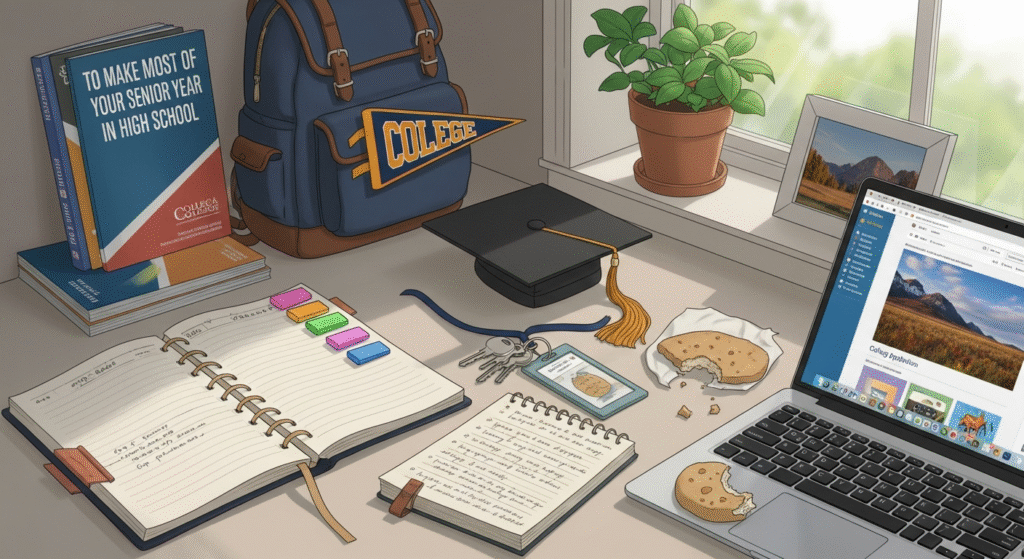
Navigating the College Application & Post-Graduation Planning Maze
Senior year often feels synonymous with college applications, and for many, it is indeed a major focus. However, it’s crucial to remember that “post-graduation planning” encompasses a much broader spectrum of possibilities. This year is about making informed decisions about the next chapter, whether that involves higher education, vocational training, entering the workforce, or a gap year filled with purpose.
- Demystifying the Application Process: For those pursuing higher education, the college application process can seem daunting. It involves researching institutions, crafting compelling essays, securing strong letters of recommendation, and meeting strict deadlines. Encourage your senior to start early, organize their materials, and seek help from school counselors. Don’t underestimate the importance of campus visits, virtual tours, and connecting with current students or alumni to get a real feel for a school’s culture. Remember, it’s not just about getting in; it’s about finding the right fit – academically, socially, and financially.
- Exploring Financial Aid and Scholarships: The cost of higher education is a significant concern for many families. Senior year is the prime time to dive deep into financial aid options, including FAFSA (Free Application for Federal Student Aid), CSS Profile, and countless scholarship opportunities. Encourage your senior to actively search for scholarships based on academic merit, extracurricular involvement, community service, specific talents, or even unique demographic criteria. This takes dedication and persistence, but every dollar secured can significantly ease the financial burden. Families should openly discuss their financial capabilities and expectations to ensure a realistic approach to college choices.
- Considering Alternative Paths: College isn’t the only route to a successful future, and it’s vital to support your senior in exploring all viable options. Vocational schools and trade programs offer hands-on training for high-demand careers, often with shorter completion times and lower costs. Some students might benefit from entering the workforce directly, gaining valuable experience and building a professional network. A carefully planned gap year can also be incredibly beneficial, allowing students to mature, travel, volunteer, or work, often providing clarity about their future goals before committing to a post-secondary path.
- Family Discussions for Future Foundations: As your senior contemplates their future beyond high school, this period presents an excellent opportunity for meaningful family conversations. Just as we advocate for 4 things you should discuss before having children to lay a strong foundation for a family, similar principles apply to preparing a young adult for their independent journey. Discuss core values: What does success mean to your family? What kind of impact do you want to make on the world? Talk about future aspirations, financial literacy, and the importance of responsible decision-making. These discussions aren’t about dictating choices but about empowering your senior with a clear understanding of their family’s support system and shared principles, helping them to articulate their own goals and values as they step into independence.
Prioritizing Academics and Skill Development
While the allure of future plans can be strong, it’s imperative that senior year doesn’t become a period of “senioritis” where academic focus wanes. This year is critical for solidifying academic achievements and developing essential skills that will serve them well, regardless of their post-graduation path.
- Maintaining Academic Excellence: Colleges and employers pay close attention to senior year grades. A dip in performance can sometimes jeopardize admissions or scholarship offers. Encourage your senior to continue challenging themselves in their coursework, even if they’ve already been accepted somewhere. This demonstrates resilience, commitment, and a strong work ethic – qualities highly valued in any future endeavor. Advanced Placement (AP) courses, International Baccalaureate (IB) programs, or dual enrollment options can also provide a head start on college credits or offer a more rigorous academic experience.
- Honing Essential Life Skills: Beyond textbooks and exams, senior year is an ideal time to intentionally cultivate practical life skills. These are the competencies that often aren’t taught in traditional classrooms but are crucial for independent living and professional success.
- Time Management: Juggling schoolwork, applications, extracurriculars, and a social life requires excellent organizational skills. Help your senior develop effective scheduling, prioritization, and task management techniques.
- Critical Thinking and Problem-Solving: Encourage them to analyze information, evaluate different perspectives, and develop creative solutions to challenges. These skills are invaluable for academic success and navigating real-world complexities.
- Communication Skills: Whether it’s writing a persuasive essay, delivering a presentation, or engaging in respectful debate, strong verbal and written communication is paramount. Encourage active listening and articulate expression.
- Financial Literacy: Start teaching them about budgeting, saving, understanding basic banking, and the responsible use of credit. These foundational financial skills are non-negotiable for future independence.
- Building a Growth Mindset: Senior year will inevitably present challenges, from rejection letters to academic hurdles. Foster a growth mindset in your senior, encouraging them to view setbacks as opportunities for learning and improvement rather than failures. Emphasize the importance of perseverance and adaptability, qualities that will serve them throughout their lives.
- Leveraging School Resources: Remind your senior about the wealth of resources available within their high school. This includes academic advisors, college counselors, subject-specific tutors, and career readiness programs. Proactively utilizing these resources can provide invaluable support and guidance as they navigate academic demands and future planning.
Embracing Extracurriculars and Community Engagement
- Deepening Involvement in Passions: Senior year is a chance to take on leadership roles within clubs, sports teams, or artistic groups that your student has been involved with for years. Whether it’s captaining the debate team, leading the school newspaper, or directing a theatrical production, these positions teach invaluable lessons in responsibility, delegation, conflict resolution, and motivating others. This sustained commitment demonstrates passion and dedication, qualities highly valued by colleges and employers.
- Exploring New Interests (Thoughtfully): While deepening existing commitments is key, senior year can also be a time to explore a new interest that genuinely sparks curiosity, provided it doesn’t overextend your student. Perhaps they’ve always wanted to try robotics, learn a new instrument, or join a specific advocacy group. These new ventures can broaden horizons and introduce them to diverse perspectives and skill sets. The key is balance – ensuring new activities complement rather than detract from existing responsibilities.
- Making a Difference Through Service: Community service and volunteering offer profound opportunities for empathy, civic responsibility, and understanding the needs of others. Encourage your senior to engage with causes they care about, whether it’s tutoring younger students, working at an animal shelter, participating in environmental clean-ups, or advocating for social justice issues. These experiences not only benefit the community but also foster a sense of purpose and connection, helping students see themselves as active, contributing members of society. For families advocating for reproductive rights and family choices, this is a prime opportunity to show how individual action can contribute to broader societal change, reinforcing the values of empowerment and advocacy that define Protect Families Protect Choices.
- Networking and Mentorship: Participation in extracurriculars often provides opportunities to connect with mentors – teachers, coaches, community leaders, or older students. These relationships can offer invaluable guidance, support, and even future recommendations. Encourage your senior to cultivate these connections respectfully and professionally. They are building their network, which will be crucial in their adult life.
- Documenting Achievements and Reflections: Encourage your senior to keep a record of their involvement, responsibilities, and achievements in extracurriculars and community service. More importantly, prompt them to reflect on what they’ve learned, how they’ve grown, and the impact they’ve made. These reflections are crucial for crafting compelling essays and articulating their experiences during interviews.
Fostering Meaningful Relationships and Personal Growth
Amidst the academic pressures and future planning, senior year is also a deeply personal journey of self-discovery and strengthening key relationships. It’s a time to savor connections and prepare for new ones.
- Nurturing Friendships: High school friendships are often some of the most formative. Senior year can bring a mix of emotions as friends prepare to go their separate ways. Encourage your senior to cherish these bonds, make time for shared experiences, and create lasting memories. Help them understand that while paths may diverge, true friendships can endure distance and change. It’s also a time to practice healthy communication and conflict resolution within these relationships, skills essential for all future connections.
- Strengthening Family Bonds: As children prepare to leave the nest, the family dynamic shifts. Senior year is an invaluable time to deepen relationships with parents, siblings, and extended family. Engage in family activities, share meals, and have open conversations about expectations, fears, and excitements regarding the transition. This period allows families to reinforce their support system, share wisdom, and create a strong foundation of love and understanding that will sustain your senior as they venture out. Remember, the family unit is the primary advocate for a child’s choices and well-being, and this bond needs to be celebrated and reinforced.
- Connecting with Mentors and Teachers: Beyond friends and family, teachers, coaches, and other adult mentors play a crucial role in a senior’s development. Encourage your senior to seek advice, ask for letters of recommendation, and express gratitude to those who have guided them. These relationships can provide different perspectives, professional networking opportunities, and a sense of broader community support.
- Self-Discovery and Identity Formation: Senior year is a period of significant introspection. Your senior is actively figuring out who they are, what they believe in, and what they want for their future. Encourage self-reflection through journaling, thoughtful conversations, and exposure to new ideas. This process of identity formation is vital for building confidence, resilience, and a strong sense of purpose as they transition into adulthood. It’s about empowering them to make choices that align with their authentic self.
- Developing Emotional Intelligence: The emotional rollercoaster of senior year – from stress over applications to excitement about graduation – provides rich opportunities to develop emotional intelligence. Help your senior identify and manage their emotions, understand the feelings of others, and navigate social situations with empathy and grace. These skills are fundamental for successful relationships, academic collaboration, and professional interactions in any future setting.
Prioritizing Well-being and Safety in a Pivotal Year
The intense pressures of senior year can take a toll on mental and physical health. It’s paramount to prioritize well-being and safety, equipping your senior with the strategies and knowledge to protect themselves as they gain more independence.
- Mental Health Awareness and Stress Management: Senior year is often accompanied by high levels of stress, anxiety, and sometimes even depression. Encourage open conversations about mental health and remove any stigma associated with seeking help. Teach your senior healthy coping mechanisms such as mindfulness, exercise, adequate sleep, and spending time in nature. Help them recognize the signs of burnout and stress, and ensure they know it’s okay to ask for support from family, school counselors, or mental health professionals. Prioritizing mental well-being is not a luxury; it’s a necessity for thriving.
- Physical Health and Healthy Habits: Maintaining physical health is intrinsically linked to mental well-being and academic performance. Encourage a balanced diet, regular physical activity, and consistent sleep patterns. These habits, once established, will serve them well in college and beyond. Discuss the importance of preventative care and making responsible choices regarding their body.
- Digital Citizenship and Online Safety: As seniors spend increasing amounts of time online for applications, research, and social connections, reinforcing Internet safety rules what not to do online is more critical than ever.
- Privacy Settings: Ensure they understand how to manage privacy settings on all social media platforms and recognize the permanence of online content.
- Information Sharing: Discuss the dangers of sharing personal information, financial details, or sensitive photos online, especially with strangers or unverified sources.
- Cyberbullying and Harassment: Emphasize respectful online interactions and teach them how to report and block cyberbullying.
- Phishing and Scams: Educate them about identifying phishing attempts and online scams, particularly those related to scholarships, financial aid, or job offers.
- Digital Footprint: Remind them that their online presence is a reflection of their character and can be viewed by colleges, employers, and future connections. Encourage them to curate a positive and professional digital footprint.
- Personal Safety and Awareness: As seniors gain more independence, discussions about personal safety become vital. This includes responsible driving practices, understanding peer pressure, and making safe choices in social settings. If they are considering moving away for college, discussions about home safety tips for every family can be extended to dorm room or apartment safety – locking doors, being aware of surroundings, and understanding emergency procedures. Empower them with self-defense knowledge and the confidence to set boundaries and say “no” when necessary.
- Substance Use and Responsible Choices: Open and honest conversations about alcohol, drugs, and other risky behaviors are essential. Rather than simply issuing prohibitions, discuss the consequences, legal ramifications, and health risks in an age-appropriate and non-judgmental way. Emphasize the importance of making responsible choices and understanding peer pressure’s influence.
Preparing for the Transition: Life Skills Beyond Academics
While academic readiness is crucial, preparing for independent living involves a myriad of practical life skills that extend far beyond the classroom. Senior year is the perfect time to intentionally cultivate these competencies, ensuring your student is truly ready for what comes next.
- Mastering Basic Household Management: If your senior is heading off to college or moving into their own apartment, they’ll need to know the basics of running a household. This includes laundry (sorting, washing, drying, folding), basic cooking (simple, nutritious meals, food safety, grocery shopping), and general tidiness. Involve them in these tasks at home now, gradually increasing their responsibility. Turn it into a shared learning experience, emphasizing that these skills are foundational for healthy independent living.
- Budgeting and Financial Independence: Financial literacy is a cornerstone of adulting. Senior year should involve practical lessons in budgeting, tracking expenses, and saving money. Help your senior set up their own bank account, understand how to use a debit card responsibly, and begin to grasp the concept of credit scores (even if they’re not getting a credit card yet). Discuss the cost of living, student loan repayment (if applicable), and the importance of financial planning for long-term stability. These conversations reinforce the values of responsible choice and future planning.
- Navigating Healthcare and Personal Administration: As young adults, seniors will need to take charge of their own healthcare. This means understanding their health insurance, knowing how to schedule appointments, refilling prescriptions, and advocating for their health needs. Teach them how to keep important documents organized (birth certificate, social security card, insurance cards) and understand basic legal documents they may encounter.
- Effective Communication and Advocacy: Moving into a new environment, whether it’s a college campus or a workplace, requires strong communication skills. Encourage your senior to practice advocating for themselves – asking questions, seeking clarification, expressing concerns respectfully, and negotiating when appropriate. This includes communicating effectively with professors, roommates, supervisors, and landlords. These skills are vital for ensuring their needs are met and their voice is heard, mirroring the advocacy principles we champion at Protect Families Protect Choices.
- Time Management and Self-Discipline: Without the structured environment of high school and parental oversight, self-discipline becomes paramount. Help your senior develop strategies for managing their time effectively, prioritizing tasks, meeting deadlines, and balancing responsibilities with social activities. This might involve using planners, setting personal goals, and creating routines that support productivity and well-being.
Celebrating Milestones and Creating Lasting Memories
Amidst all the planning and preparing, it’s vital to remember that senior year is also a time for celebration, joy, and creating unforgettable memories. These moments are the emotional anchors that will be cherished for years to come.
- Embracing Senior Traditions: High schools often have unique traditions for their senior class – spirit weeks, senior trips, specific events, or fundraisers. Encourage your senior to participate fully in these activities. They are opportunities to bond with classmates, celebrate shared experiences, and create a sense of camaraderie that will last a lifetime. These moments are the “lasts” that often become the most fondly remembered.
- Documenting the Journey: Encourage your senior to document their final year. This could be through photos, videos, journaling, or even creating a scrapbook. These tangible reminders will be invaluable in the future, allowing them to look back on this significant period of their lives. Consider creating a family “memory jar” where everyone contributes notes about special moments throughout the year.
- Celebrating Achievements Big and Small: From academic awards to athletic victories, artistic showcases to community service milestones, senior year is filled with accomplishments. Take the time to acknowledge and celebrate these achievements, no matter how big or small. Public recognition, a special family dinner, or a heartfelt card can go a long way in boosting your senior’s confidence and making them feel valued.
- Graduation and Beyond: Graduation is the pinnacle of senior year, a momentous occasion marking the transition from childhood to young adulthood. Plan for this celebration with joy and reflection. Afterward, create new family traditions for this next chapter. Perhaps a special trip, a meaningful gift, or a “launch party” that acknowledges their readiness for the world.
- Cultivating Gratitude: Throughout the year, encourage your senior to express gratitude – to their teachers, coaches, friends, and family. Recognizing the support system that helped them reach this point fosters humility and appreciation, vital qualities for navigating the future with grace and connection. This cultivates a positive outlook and strengthens the bonds that will continue to support them.
FAQ: Making the Most of Senior Year
How can parents best support their senior without adding extra pressure?
The key is active listening and offering support without taking over. Be a sounding board for their ideas, fears, and excitements. Help them organize tasks, but allow them ownership of the process. Provide resources (e.g., help with FAFSA, connecting with counselors) but let them drive the application process. Focus on open communication about expectations and future plans, reinforcing that your love and support are unconditional, regardless of their choices or outcomes.
What if my senior doesn’t want to go to college?
It’s crucial to respect and explore their interests. College isn’t the only path to success. Encourage them to research vocational schools, trade programs, military service, entrepreneurship, or gap year opportunities. Help them identify their passions and skills, and then research pathways that align with those. The goal is to support them in making an informed choice that leads to a fulfilling future, not to force a specific path.
How can we manage “senioritis” and keep them engaged academically?
Combat “senioritis” by reminding your senior of the importance of maintaining strong grades for college acceptances and scholarships, but also by connecting academics to real-world skills. Help them find relevance in their studies. Encourage them to take challenging courses that genuinely interest them. Break down large tasks into smaller, manageable ones, and celebrate small academic victories to maintain motivation. Sometimes, a well-deserved break or fun activity can also help them recharge and refocus.
What are some practical life skills seniors should master before leaving home?
Essential life skills include basic cooking and meal planning, grocery shopping, laundry, creating and sticking to a budget, understanding personal finance (banking, saving), managing appointments, basic car maintenance (if applicable), and navigating public transportation. Teach them how to advocate for themselves, manage their time effectively, and handle basic administrative tasks like filling out forms or understanding a lease agreement.
How can we ensure our senior is safe online and offline as they gain independence?
Open, ongoing conversations are vital. Reinforce Internet safety rules what not to do online regarding privacy, sharing personal information, and identifying scams. Discuss personal safety strategies for social situations, driving, and being aware of their surroundings. Extend home safety tips for every family to their future living situations. Empower them with the confidence to say no, set boundaries, and trust their instincts, ensuring they know they can always come to you for help without judgment.
How can senior year discussions prepare them for future family planning decisions?
Senior year is a crucial time to discuss values, future aspirations, and responsible decision-making, which lays the groundwork for all future life choices, including family planning. Conversations about 4 things you should discuss before having children can be framed in terms of understanding their own values, goals, financial stability, and emotional readiness for major life commitments. These discussions aren’t about immediate family planning but about fostering thoughtful consideration and intentionality in all their future relationships and life paths.
Recommended Resources
Check out Automotive Manufacturing Process Explained on Mitsubishi Manufacturing for a deeper dive.
For more on how to make, see How To Start Freelancing With No Experience on Diaal News.