



Learn Your Reproductive Rights Today: Comprehensive Guide to Legal Protections and Family Health Resources
Understanding your reproductive rights is essential for making informed decisions about your health and family planning. This comprehensive guide aims to clarify the legal protections available to individuals regarding reproductive health, as well as the resources that can assist in navigating these rights. With the evolving landscape of reproductive laws, it is crucial to stay informed about your rights and the services available to you. Many individuals face challenges in accessing reproductive health services, often due to a lack of information or fear of privacy breaches. This article will explore your legal rights, how to access confidential reproductive health services, and the family health resources that support informed reproductive decisions.
What Are Your Legal Rights in Reproductive Health?
Reproductive rights encompass the legal entitlements individuals have regarding their reproductive health and family planning choices. These rights are protected by various laws that ensure access to necessary healthcare services, including contraception and abortion. Understanding these rights is vital for individuals to make informed decisions about their reproductive health. Recent legislative changes have significantly impacted these rights, particularly in the context of family planning and healthcare access.
Indeed, the foundational aspect of these rights is often framed within the broader context of human rights, underscoring their importance for individual autonomy and equality.
Reproductive Rights as Human Rights: Legal Protections for Women’s Health
that reproductive rights, health, and justice are human rights—and that the legal rights of pregnant women to reproductive health care are fundamental to their autonomy and equality.
The moral imperative of reproductive rights, health, and justice, 2020
Which laws protect reproductive rights from 2024 to 2026?


From 2024 to 2026, several key laws are expected to shape reproductive rights significantly. These include the expansion of access to contraceptive services and the protection of abortion rights in various states. Legislative measures are being introduced to ensure that individuals can make autonomous decisions regarding their reproductive health without facing undue barriers. The implications of these laws are profound, as they directly affect individuals’ ability to access necessary healthcare services and make informed choices about their reproductive futures.
How do legal protections impact family planning choices?
Legal protections play a crucial role in shaping family planning choices by ensuring that individuals have the autonomy to make decisions about their reproductive health. These protections facilitate access to healthcare services, allowing individuals to choose the best options for their families. For instance, when individuals have access to comprehensive reproductive health services, they can make informed decisions that align with their personal and financial circumstances, ultimately leading to greater economic stability and improved health outcomes.
Historical analysis further demonstrates the profound and long-lasting effects of policies that expand access to contraception and family planning services.
Impact of US Family Planning Policies & Contraceptive Access
This paper assembles new evidence on some of the longer-term consequences of U.S. family planning policies, defined in this paper as those increasing legal or financial access to modern contraceptives. The analysis leverages two large policy changes that occurred during the 1960s and 1970s: first, the interaction of the birth control pill’s introduction with Comstock-era restrictions on the sale of contraceptives and the repeal of these laws after Griswold v. Connecticut in 1965; and second, the expansion of federal funding for local family planning programs from 1964 to 1973.
Fifty years of family planning: new evidence on the long-run effects of increasing access to contraception, MJ Bailey, 2013
How Can You Access Confidential Reproductive Health Services?
Accessing confidential reproductive health services is essential for individuals seeking to make informed choices about their reproductive health. Confidentiality ensures that individuals can seek the necessary care without fear of judgment or exposure. Understanding the types of services available and how to access them is crucial for maintaining privacy and receiving appropriate care.
What confidential services are available for reproductive health?
Confidential reproductive health services include a range of options such as contraceptive services, maternal healthcare, and STI prevention and treatment. These services are designed to provide individuals with the necessary support while ensuring their privacy is respected. Many healthcare providers offer confidential consultations, allowing individuals to discuss their needs and receive tailored advice without compromising their personal information.
How to ensure privacy when seeking reproductive advice?
Ensuring privacy when seeking reproductive advice involves understanding your rights and the legal protections in place. Individuals have the right to confidentiality in their healthcare interactions, which is supported by various laws. It is essential to choose healthcare providers who prioritize patient privacy and are transparent about their confidentiality policies. Additionally, individuals can inquire about the measures in place to protect their information when accessing reproductive health services.
However, despite these protections, challenges related to privacy and provider bias can still create significant barriers for individuals seeking reproductive health services.
Overcoming Privacy Barriers in Reproductive Health Access
privacy and confidentiality practices and provider bias impose barriers on young people seeking sexual and reproductive health services
Exploring and monitoring privacy, confidentiality, and provider bias in sexual and reproductive health service provision to young people: a narrative review, AG Corley, 2022
What Family Health Resources Support Informed Reproductive Decisions?
Numerous family health resources are available to support informed reproductive decisions. These resources provide individuals with the information and tools necessary to navigate their reproductive health options effectively. Accessing these resources can empower individuals to make choices that align with their values and circumstances.
How Can You Make Informed Decisions About Reproductive Choices?
Making informed decisions about reproductive choices involves considering various factors, including health, financial implications, and emotional readiness. Understanding these factors can help individuals navigate their options and choose the best path for their families.
What factors should parents consider in reproductive planning?
When planning for reproductive health, parents should consider several key factors, including health considerations, financial implications, and emotional readiness. Health considerations involve understanding any medical conditions that may affect pregnancy or family planning. Financial implications include assessing the costs associated with raising a child and accessing healthcare services. Emotional readiness is also crucial, as it impacts the ability to provide a supportive environment for a child.
Which tools assist personalized reproductive health decisions?
Several tools can assist individuals in making personalized reproductive health decisions. Online resources, consultation services, and support groups provide valuable information and guidance. These tools can help individuals assess their options and make informed choices that align with their personal circumstances and values.
Where Can Families Find Support Services for Reproductive Rights?
Families can find various support services for reproductive rights through local and national organizations. These organizations offer resources, advocacy, and assistance to individuals navigating their reproductive health options.
What local and national organizations provide reproductive rights support?
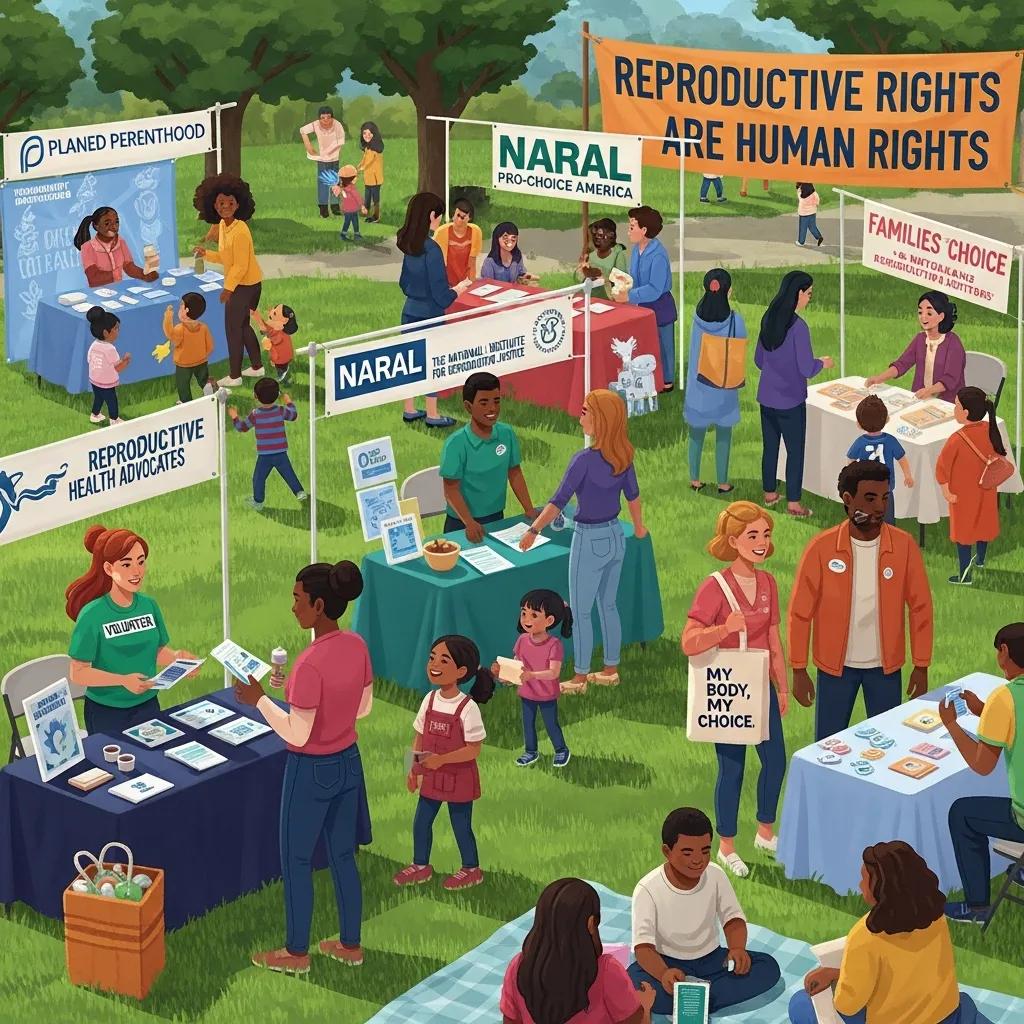
Numerous organizations provide support for reproductive rights, including local health clinics, national advocacy groups, and legal aid organizations. These entities work to ensure that individuals have access to the resources they need to make informed decisions about their reproductive health. They often provide educational materials, legal assistance, and direct healthcare services to support individuals in exercising their rights.
How to connect with legal and health advocacy groups?
Connecting with legal and health advocacy groups can be achieved through various methods, including online searches, community outreach, and referrals from healthcare providers. Many organizations have websites that offer information about their services and how to access them. Additionally, individuals can attend community events or workshops to learn more about available resources and connect with advocates who can provide guidance and support.
This table highlights the various types of resources available to support individuals in understanding and exercising their reproductive rights. Accessing these resources can empower individuals to make informed decisions about their reproductive health and family planning.