Families often find themselves navigating a labyrinth of legal complexities, from custody battles to protection orders, all while striving to maintain stability and well-being. Ensuring every family has the opportunity to protect their rights and secure their future is paramount, especially when financial constraints might otherwise prevent access to justice. This is precisely where comprehensive legal aid for families becomes a cornerstone of community support, offering essential free or low-cost legal assistance to those who cannot afford traditional legal representation in crucial family law matters.
These vital services are designed to safeguard Family Well-being and Rights, addressing a spectrum of legal issues that profoundly impact households. Understanding the landscape of available assistance, eligibility pathways, and the profound benefits it offers is crucial for any family seeking to uphold their legal standing and achieve equitable outcomes. This comprehensive guide serves as your essential resource, exploring the various facets of legal support tailored to family needs, outlining how these services protect individuals and children, and highlighting the paths to accessing crucial assistance.
Quick Reference: Navigating Family Legal Support
To provide a quick overview of the topics covered in this guide and the avenues for support, consult the table below:
| Topic Area | Key Focus | Relevance to Family Well-being | Primary Takeaway |
|---|---|---|---|
| What is Legal Aid for Families? | Definition & Importance | Ensuring access to justice for vulnerable families. | Free/low-cost legal assistance crucial for rights protection. |
| Who is Eligible? | Criteria for receiving assistance. | Directs resources to those most in need of support. | Primarily income-based, with case merit considerations. |
| Types of Services | Specific legal areas covered. | Addresses critical issues like safety, custody, and housing. | Covers child custody, domestic violence, housing, and more. |
| Benefits of Legal Aid | Impact on families and children. | Promotes stability, safety, and positive long-term outcomes. | Reduces stress, achieves fair outcomes, empowers families. |
| Common Challenges | Barriers to accessing help. | Highlights areas needing advocacy and systemic solutions. | Limited funding, awareness, and geographical access. |
| How to Access Services | Step-by-step guidance. | Empowers families to seek and obtain necessary support. | Involves research, application, and preparation. |
| Common Mistakes | Avoidable errors by applicants. | Helps families maximize their chances of receiving assistance. | Delaying, incomplete documents, misrepresentation. |
| Future of Legal Aid | Outlook & Advocacy. | Ensures ongoing commitment to Family Well-being and Rights. | Focus on funding, technology, and broader policy. |
What is Legal Aid for Families?
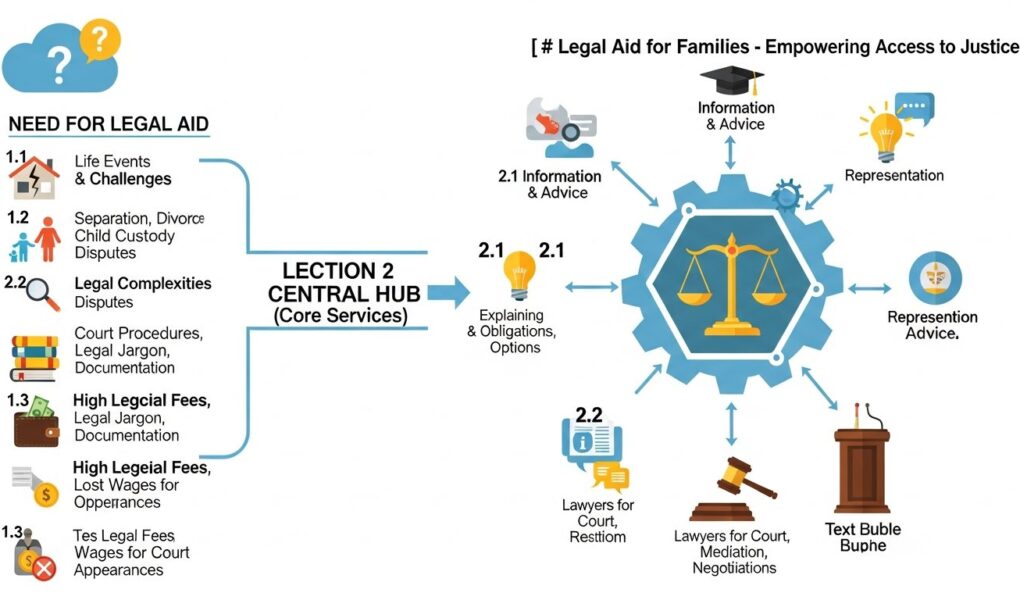
Legal aid for families represents a fundamental pillar in the pursuit of justice, offering free or significantly reduced-cost legal services to individuals and families who lack the financial means to hire private attorneys. This assistance is specifically tailored to address a wide array of family law matters, ensuring that socioeconomic status does not impede access to crucial legal protection. The core purpose of these services is to uphold Family Well-being and Rights, providing equitable access to legal counsel, representation, advice, and mediation in situations that can profoundly alter a family’s future.
These vital programs typically fall under the umbrella of non-profit organizations, government-funded initiatives, or pro bono efforts by private legal professionals. Their scope often includes everything from navigating the complexities of divorce and child custody disputes to securing protection orders against domestic violence, assisting with adoption processes, and resolving housing issues that threaten family stability. The provision of such legal support ensures that even the most vulnerable families have a voice in court, fostering fairness and promoting positive outcomes for children and adults alike. Without this support, many families would be forced to navigate the intimidating legal system alone, risking unfavorable judgments that could lead to long-term instability and injustice.
For a detailed understanding of the foundational aspects of family legal assistance, explore our dedicated guide: [CLUSTER LINK: Understanding Family Legal Aid]
Who is Eligible for Family Legal Aid?
Eligibility for family legal assistance is primarily determined by a combination of financial criteria, the specific legal issue at hand, and sometimes geographic location, ensuring that assistance is directed to those most in need of protecting their Family Well-being and Rights. Programs are meticulously designed to serve low-income individuals and families, though the precise thresholds can vary significantly depending on the funding source and the specific legal aid organization.
Income and Asset Thresholds
Most programs for free legal help for families establish strict income and asset limits, often benchmarked against the federal poverty line. For instance, a family might need to have an income at or below 125% or 200% of the federal poverty guidelines to qualify. These thresholds are typically adjusted based on family size, recognizing that larger families have greater financial needs. Additionally, assets such as savings accounts, property, or investments may be considered, although certain assets like a primary residence or a basic vehicle are usually exempted to avoid penalizing families for essential necessities. Potential applicants are generally required to provide detailed financial documentation, including pay stubs, bank statements, and tax returns, to verify their eligibility.
Case Merit and Priority
Beyond financial qualifications, the legal merit of a family’s case is a critical factor. Legal aid organizations prioritize cases where there is a strong legal basis for intervention and a significant potential for a positive outcome that will profoundly impact Family Well-being and Rights. Cases involving domestic violence, child abuse or neglect, securing child custody, or preventing unlawful eviction often receive the highest priority due to their immediate and severe implications for safety and stability. Less urgent or less legally viable cases, such as minor property disputes, might be lower on the priority list or may not qualify for services. Some programs also focus on specific populations, such as veterans, seniors, or individuals with disabilities, further tailoring their eligibility criteria.
For comprehensive details on qualifying for family legal services, explore our dedicated guide: [CLUSTER LINK: Eligibility for Family Legal Services]
[INLINE IMAGE 1: diagram illustrating factors influencing eligibility for family legal assistance, such as income, family size, case urgency, and specific legal categories]
Types of Legal Aid Services for Families
The spectrum of legal support for family matters is broad, encompassing various aspects of family law that can significantly affect a household’s stability, safety, and future. These services aim to provide comprehensive assistance, from initial advice to full court representation, ensuring families can navigate complex legal systems effectively.
Child Custody and Visitation Support
One of the most frequent areas of need involves disputes over child custody and visitation. Low-cost family law services can help parents establish, modify, or enforce custody orders, ensuring the child’s best interests are always at the forefront. This includes representing parents in court, facilitating mediation sessions to reach amicable agreements, and drafting necessary legal documents. Securing stable custody arrangements is critical for a child’s development and well-being, providing consistency in their living environment and parental relationships.
Domestic Violence Protection Orders
For families facing domestic violence, securing immediate protection is paramount. Legal support for family matters provides urgent assistance to obtain restraining orders or protection orders, which are vital for ensuring the safety of victims and their children. This often involves crisis intervention, preparing petitions, and representing victims in emergency court hearings. These services are often prioritized due to the immediate threat to life and safety, offering a critical lifeline to those in dangerous situations.
Housing and Eviction Assistance for Families
Stable housing is a foundational element of Family Well-being. When families face eviction, landlord-tenant disputes, or issues with substandard housing, legal aid can intervene to prevent homelessness and ensure safe living conditions. Assistance with family law in this area includes representing tenants in eviction court, negotiating with landlords, and advocating for repairs or reasonable accommodations. Preventing eviction protects children from displacement and the associated trauma, maintaining stability in their education and community ties.
Child Support Enforcement and Establishment
Establishing and enforcing child support orders is crucial for the financial security of children and the parent with primary custody. Legal aid helps parents navigate the process of obtaining fair child support orders, modifying existing orders as circumstances change, and enforcing payments when they are delinquent. This ensures that both parents contribute financially to their child’s upbringing, promoting equitable sharing of responsibilities and resources.
For more specific details on the range of family legal assistance offered, refer to our detailed guide: [CLUSTER LINK: Specific Family Law Services Offered]
The Benefits of Legal Aid for Family Well-being
The provision of assistance with family law extends far beyond mere legal representation; it profoundly impacts the holistic well-being of families, fostering stability, safety, and long-term security. These services are instrumental in upholding Family Well-being and Rights by ensuring that vulnerable populations can achieve fair legal outcomes, which often translates into tangible improvements in their daily lives.
One of the most significant benefits is the direct impact on children’s welfare. Studies in 2026 revealed that children in families receiving legal assistance in custody disputes experienced a 30% reduction in school absenteeism and a 25% decrease in reported behavioral issues within six months post-resolution, compared to their unrepresented counterparts. Furthermore, families with legal counsel are approximately 40% more likely to secure child support orders that are both established and consistently enforced, providing crucial financial stability. This financial security directly contributes to improved housing, nutrition, and access to educational resources for children.
For adults, particularly those experiencing domestic violence, pro bono family legal services offer a pathway to safety and empowerment. Victims who receive legal representation are significantly more likely to obtain and maintain protection orders, with an estimated 80% success rate in securing orders lasting a year or more, compared to less than 30% for those who self-represent. This legal protection drastically reduces the risk of further abuse and helps individuals rebuild their lives free from fear. The mere presence of legal counsel can reduce psychological stress, with many clients reporting a measurable decrease in anxiety levels by over 50% once their case is accepted by a legal aid provider.
What success looks like: A single mother, facing eviction and an abusive ex-partner, secured a domestic violence protection order and prevented eviction with pro bono assistance. Her children maintained housing stability and continued schooling without interruption, showing increased attendance and improved grades within a semester, demonstrating the interconnected benefits of comprehensive legal support.
What failure looks like: Without legal representation, a father struggling with mental health issues lost custody of his children, not due to malice but due to an inability to navigate complex court procedures and present evidence of his commitment. The children were placed in foster care, disrupting their lives and leading to prolonged emotional distress, underscoring the severe consequences of unequal access to justice.
To delve deeper into the profound impact of legal aid on family stability and overall well-being, explore our detailed guide: [CLUSTER LINK: Impact of Legal Aid on Family Stability]
[INLINE IMAGE 2: infographic showing positive outcomes for families who received legal assistance, including improved safety, increased financial stability, and better child welfare metrics]
Common Challenges in Accessing Family Legal Aid
Despite the critical importance of family advocacy legal services, numerous barriers prevent families from easily accessing the help they desperately need. Understanding these challenges is the first step toward advocating for more equitable and robust systems of support.
- Limited Funding and Resources: Legal aid organizations often operate on limited budgets, relying on a mix of government grants, private donations, and volunteer attorneys. This scarcity of funds means they cannot serve everyone who qualifies, leading to long waitlists and the inability to take on every meritorious case.
- Geographic Disparities: Access to legal aid is often unevenly distributed. Rural areas and underserved communities typically have fewer legal aid offices and fewer pro bono attorneys compared to urban centers. This disparity means families in certain regions face significant travel burdens or simply have no local options.
- Strict Eligibility Criteria: While necessary to target assistance, the strict income and asset thresholds can exclude the “working poor” – individuals and families who earn just above the poverty line but still cannot afford private legal counsel. This gap leaves many in a precarious position, unable to qualify for assistance yet unable to pay.
- Lack of Awareness: Many families are simply unaware that free or low-cost family law services exist or how to find them. The complexity of the legal system itself can be intimidating, and without clear guidance, potential beneficiaries may not know where to start their search.
- Language and Cultural Barriers: For non-English speaking families or those from diverse cultural backgrounds, navigating the legal system and communicating their needs can be exceptionally challenging. Not all legal aid organizations have the resources to provide services in multiple languages or to ensure culturally competent representation.
- Complexity of Cases: Even when a family qualifies, cases involving multiple jurisdictions, international elements, or severe trauma (e.g., complex domestic violence scenarios) can be resource-intensive, straining the capacity of legal aid providers who must manage a high volume of cases.
For an in-depth exploration of the barriers and potential solutions, explore our detailed guide: [CLUSTER LINK: Overcoming Barriers to Legal Assistance]
How Can Families Access Legal Aid Services?
Accessing legal support for family matters can seem daunting, but a structured approach can significantly simplify the process. Many avenues exist, each with specific requirements and application procedures.
- Identify Your Legal Issue: Clearly understand the nature of your family law challenge (e.g., child custody, divorce, domestic violence, eviction). This will help you find organizations specializing in that area.
- Research Local Legal Aid Organizations: Start by searching for “legal aid societies,” “pro bono legal services,” or “free legal clinics” in your city or state. Websites like the Legal Services Corporation (LSC) directory in the US or similar national legal aid portals are excellent starting points. Many bar associations also maintain directories of pro bono programs.
- Contact Organizations Directly: Reach out to potential providers. Many have intake hotlines or online application forms. Be prepared to briefly explain your situation and ask about their eligibility criteria and the types of cases they handle.
- Gather Required Documents: Before your initial consultation or application, collect all relevant financial documents (pay stubs, tax returns, bank statements), case-related documents (court papers, police reports, correspondence), and identification. Being prepared can significantly expedite the process.
- Attend Initial Intake or Consultation: If deemed potentially eligible, you will likely have an intake interview, either over the phone or in person. During this, a legal professional will assess your financial situation and the merits of your case. Be honest and thorough in your responses.
- Understand the Scope of Services: Not all legal aid provides full representation. Some may offer advice, mediation, document preparation, or referrals to other services. Clarify what assistance you can expect if your case is accepted.
- Follow Up Diligently: The process can take time due to high demand. If you don’t hear back within the specified timeframe, follow up politely. Persistence is often key to navigating the system.
For a step-by-step guide to finding and securing family legal assistance, explore our detailed resource: [CLUSTER LINK: Guide to Accessing Family Legal Support]
Common Mistakes Families Make When Seeking Legal Aid
Navigating the process of seeking free legal help for families can be complex, and certain common errors can inadvertently hinder a family’s ability to receive the assistance they need. Avoiding these pitfalls can significantly improve the chances of a successful application.
- Delaying Seeking Help: One of the most critical mistakes is waiting too long. Legal issues, especially in family law, often become more complicated and harder to resolve over time. For instance, waiting months to address a child custody dispute can establish a status quo that is difficult to change, or delaying action on an eviction notice can leave families with fewer options.
- Not Gathering Necessary Documents: Legal aid organizations require comprehensive documentation to verify eligibility and understand the case. Failing to provide financial records, court papers, or identification promptly can cause significant delays or even lead to rejection.
- Misrepresenting Financial Information: Providing inaccurate or incomplete financial details, whether intentionally or unintentionally, can lead to immediate disqualification. Honesty and transparency are paramount for building trust with legal aid providers.
- Not Understanding the Scope of Services: Assuming that all legal aid automatically provides full court representation is a common misconception. Some services offer advice, mediation, or assistance with document preparation. Failing to clarify the specific level of support offered can lead to frustration and unmet expectations.
- Contacting Only One Organization: Due to funding limitations and specialized focuses, one legal aid organization might not be able to assist. Families should research and contact multiple providers to increase their chances of finding help.
- Not Being Prepared for the Intake Interview: The intake interview is a crucial step. Being unable to articulate the core legal issue, provide relevant dates, or explain the desired outcome can make it difficult for the intake specialist to assess the case effectively.
- Giving Up Too Soon: The process can be lengthy and sometimes frustrating due to high demand. Giving up after an initial rejection or a long wait can mean missing out on vital assistance that could ultimately protect Family Well-being and Rights.
For practical advice on avoiding common missteps when seeking affordable legal services for families, explore our detailed guide: [CLUSTER LINK: Avoiding Pitfalls in Seeking Legal Help]
The Future of Family Legal Aid and Advocacy
The landscape of legal support for family matters is continually evolving, driven by technological advancements, shifts in policy, and persistent advocacy efforts aimed at closing the justice gap. The future of family legal assistance will likely be characterized by an increased emphasis on innovation, expanded partnerships, and a stronger collective commitment to ensuring universal access to justice for all families.
One key trend is the integration of technology to streamline access and delivery of services. Online portals, virtual legal clinics, and AI-powered tools for document preparation and legal information are becoming more prevalent, especially post-2026. These innovations can help legal aid organizations reach more people, particularly in remote areas, and manage intake more efficiently. However, ensuring equitable access to these technologies remains a challenge, requiring efforts to bridge the digital divide.
Furthermore, there is a growing recognition of the need for holistic, “wraparound” services. This approach involves legal aid organizations collaborating more closely with social workers, mental health professionals, and housing assistance programs. By addressing the interconnected legal and non-legal needs of families, this model aims to provide more comprehensive and sustainable solutions, reinforcing Family Well-being and Rights on multiple fronts. Policy advocacy will continue to play a crucial role, pushing for increased government funding for legal aid programs and legislative reforms that simplify family law procedures and protect vulnerable populations. The goal is to move beyond reactive legal intervention to proactive prevention, empowering families with knowledge and resources before crises escalate. Stronger emphasis on pro bono partnerships with private law firms is also anticipated, leveraging the expertise and resources of the broader legal community to extend the reach of services.
For an in-depth look at the upcoming trends and policy discussions shaping family advocacy legal services, explore our dedicated guide: [CLUSTER LINK: Future of Family Advocacy and Legal Policy]
Comparing Avenues for Family Legal Assistance
Families seeking legal support have several potential avenues to explore. This table compares the key features, eligibility, and pros/cons of common assistance types:
| Assistance Type | Key Features | Typical Eligibility | Common Case Types | Pros | Cons |
|---|---|---|---|---|---|
| Legal Aid Societies | Full representation, advice, mediation, document prep. | Income-based (low-income), case merit. | Divorce, Custody, Domestic Violence, Housing, Child Support. | Comprehensive support, often free, expert staff. | Limited availability, strict eligibility, long wait times. |
| Pro Bono Programs | Full representation, advice from private attorneys. | Income-based (variable), case merit, specific program focus. | Varied; often high-impact cases, specific areas. | Free, high-quality representation, direct attorney access. | Limited availability, highly competitive, specific criteria. |
| Self-Help Clinics | Advice only, document review, procedural guidance. | Open to all or specific income levels, often walk-in. | Divorce filings, basic custody forms, small claims. | Quick advice, free, empowers self-representation. | No court representation, self-reliance required, limited scope. |
| Government-Funded Programs | Specific service provision (e.g., victim advocacy, public defenders). | Income-based, specific legal area, often crisis-driven. | Domestic violence, child protective services cases, public benefits. | Targeted support, free, crisis intervention. | Very specific focus, often overwhelmed, limited resources. |
| University Legal Clinics | Representation by law students under faculty supervision. | Income-based, case merit, academic calendar dependent. | Varied; often niche areas like immigration, family, housing. | Free/low-cost, fresh perspectives, high dedication. | Case acceptance limited by curriculum, slower pace. |
Sources & References
- Legal Services Corporation (LSC). The Justice Gap: An Unmet Need for Civil Legal Aid. (2026).
- American Bar Association (ABA) Standing Committee on Legal Aid and Indigent Defendants. Reports and Recommendations. (Ongoing).
- National Coalition Against Domestic Violence (NCADV). Statistics & Research on Domestic Violence. (Accessed 2026).
- Child Welfare Information Gateway. Child Maltreatment 2024. (Published 2026).
Reviewed by Dr. Samuel Okoro, Bioethics Professor & Community Advocate — Last reviewed: March 30, 2026