


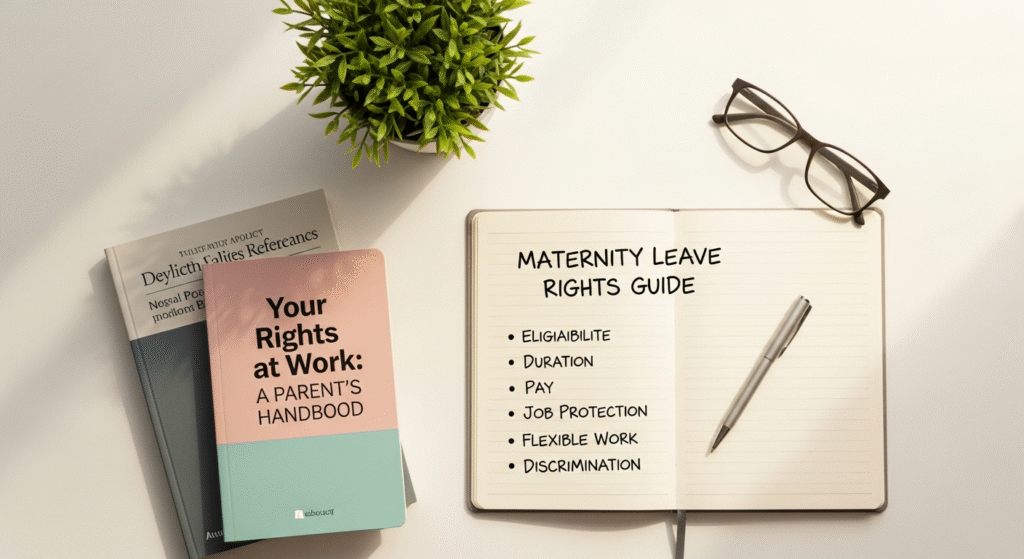
Understanding Your Fundamental Maternity Leave Rights
Maternity leave is a period of absence from work granted to a mother before and after the birth of her child. While often used interchangeably with “parental leave” or “family leave,” maternity leave specifically refers to the time a birthing parent takes for pregnancy, childbirth, and recovery, as well as bonding with the new baby. These rights are crucial for physical recovery, mental well-being, and establishing vital early-life bonds.
The concept of maternity leave is rooted in the broader understanding of what is reproductive health. Reproductive health encompasses the physical, mental, and social well-being in all matters relating to the reproductive system, its functions, and processes. This includes the ability to have a safe and satisfying sex life, the capability to reproduce, and the freedom to decide if, when, and how often to do so. Pregnancy and childbirth are central aspects of reproductive health, and adequate maternity leave is a fundamental support mechanism. It ensures that individuals can make informed choices about their reproductive lives without fear of economic penalty or job loss, allowing for proper prenatal care, a safe delivery, and a healthy postpartum period.
Unfortunately, unlike many other developed nations, the United States does not mandate universal paid maternity leave. This absence of a federal paid leave policy means that rights and benefits can vary significantly based on the employer, the state, and specific federal laws. This guide aims to demystify these variations, providing a clear roadmap to understanding your entitlements and advocating for your needs. It’s about ensuring that your reproductive health journey, from conception through postpartum, is supported by policies that protect your family and your choices.
- The Importance of Preparation: Knowing your rights well in advance allows for strategic planning, both financially and professionally.
- Employer Policies: Many employers offer benefits beyond federal or state mandates. It’s essential to thoroughly review your company’s specific policies.
- Advocacy: Understanding your rights empowers you to advocate for yourself and contribute to broader movements for stronger family leave policies.
Key Federal Laws Protecting Parental Leave
While a universal paid maternity leave policy remains an aspiration in the U.S., several federal laws provide critical protections for pregnant workers and new parents. These laws form the bedrock of maternity leave rights, ensuring job protection, non-discrimination, and certain accommodations. Understanding these federal statutes is the first step in asserting your rights.
The Family and Medical Leave Act (FMLA)
The FMLA is perhaps the most significant federal law protecting parental leave. Enacted in 1993, it provides eligible employees with up to 12 weeks of unpaid, job-protected leave per year for specific family and medical reasons, including the birth of a child and to care for the newborn child within one year of birth. While FMLA leave is unpaid, it guarantees that your job, or an equivalent position, will be waiting for you upon your return, and your health benefits will be maintained.
To be eligible for FMLA leave, an employee must meet several criteria:
- They must work for a covered employer (private-sector employers with 50 or more employees in 20 or more workweeks in the current or preceding calendar year, and all public agencies).
- They must have worked for the employer for at least 12 months (not necessarily consecutively).
- They must have worked at least 1,250 hours during the 12 months immediately before the leave.
- They must work at a location where the employer has 50 or more employees within 75 miles.
FMLA leave can be taken continuously, intermittently, or on a reduced schedule, depending on the circumstances and employer agreement. For birth and bonding, leave can be taken intermittently only with the employer’s agreement. It’s important to note that FMLA is gender-neutral, meaning both mothers and fathers, including adoptive and foster parents, are eligible for parental leave under its provisions. This inclusivity is vital for all families, including LGBTQ family planning options, ensuring that all parents have the opportunity to bond with a new child regardless of their gender identity or marital status.
The FMLA also protects employees taking leave for their own serious health condition, which can include pregnancy-related incapacitation, prenatal care, and recovery from childbirth. This aspect of the FMLA directly supports the physical recovery and health needs associated with the reproductive process.
The Pregnancy Discrimination Act (PDA)
The Pregnancy Discrimination Act of 1978 (PDA) is an amendment to Title VII of the Civil Rights Act of 1964. It prohibits discrimination on the basis of pregnancy, childbirth, or related medical conditions. This means that employers cannot discriminate against pregnant employees in any aspect of employment, including hiring, firing, pay, job assignments, promotions, layoffs, training, fringe benefits (such as health insurance and sick leave), and any other term or condition of employment.
Key provisions of the PDA include:
- Equal Treatment: Pregnant employees must be treated the same as other temporarily disabled employees with similar abilities or inabilities. This means if an employer offers light duty, alternative assignments, disability leave, or unpaid leave to temporarily disabled employees, they must offer the same to pregnant employees.
- Leave for Pregnancy and Childbirth: If an employer provides leave for other temporary disabilities, they must provide leave for pregnancy and childbirth on the same terms.
- Health Insurance: Pregnancy-related conditions must be covered under an employer’s health insurance plan in the same way as other medical conditions.
The PDA ensures that pregnancy is not a barrier to employment equality, allowing individuals to continue their careers while expanding their families. It directly supports the economic stability aspect of reproductive choices, ensuring individuals are not penalized for choosing to become parents.
The PUMP for Nursing Mothers Act (PUMP Act)
The Providing Urgent Maternal Protections for Nursing Mothers Act (PUMP Act), signed into law in December 2022, significantly expanded protections for nursing parents. Effective as of late 2022 and fully enforceable for remedies in 2023, the PUMP Act requires nearly all employers to provide reasonable break time and a private place for employees to pump breast milk for one year after the child’s birth. This place must be shielded from view and free from intrusion from coworkers and the public and cannot be a bathroom.
Prior to the PUMP Act, only hourly employees were guaranteed these protections. The PUMP Act extends these rights to most salaried employees as well. This legislation is a critical advancement for new mothers returning to work, directly supporting their ability to continue breastfeeding, which has significant health benefits for both mother and child. It recognizes the ongoing physical and health needs of new mothers beyond immediate childbirth recovery.
The PUMP Act is instrumental in helping new parents balance work responsibilities with the realities of postpartum care and infant feeding. It acknowledges that the journey of motherhood extends beyond the initial leave period and requires ongoing support within the workplace. This legislation aligns with the broader goals of family advocacy, recognizing the vital role employers play in supporting the health and well-being of new families.
State-Specific Maternity Leave Protections and Paid Leave Initiatives
The Landscape of State-Mandated Paid Family Leave
A growing number of states and localities have implemented paid family and medical leave (PFML) programs. These programs typically provide partial wage replacement for employees taking time off for their own serious health condition (including pregnancy and childbirth), to care for a seriously ill family member, or to bond with a new child. The specifics of these programs vary widely, including:
- Duration of Leave: The maximum number of weeks of paid leave can range from a few weeks to over 20 weeks.
- Wage Replacement Rate: The percentage of an employee’s typical wages that are replaced during leave also varies, often with higher replacement rates for lower-income workers.
- Eligibility Requirements: State programs may have different requirements for eligibility compared to FMLA, sometimes covering more employees or having shorter tenure requirements.
- Funding Mechanisms: Most state PFML programs are funded through employee payroll deductions, sometimes with employer contributions as well.
As of 2026, states such as California, New Jersey, New York, Rhode Island, Massachusetts, Washington, Oregon, Colorado, Connecticut, Maryland, and Delaware have operational or soon-to-be-operational paid family leave programs. Other states may also have legislation under consideration or have enacted smaller-scale programs.
State Disability Insurance (SDI) and Temporary Disability Insurance (TDI)
Several states, including California, New Jersey, New York, Hawaii, and Rhode Island, have State Disability Insurance (SDI) or Temporary Disability Insurance (TDI) programs. These programs provide partial wage replacement to employees who are temporarily unable to work due to non-work-related illness or injury, which includes pregnancy and childbirth. Maternity leave under these programs typically covers the period of physical recovery from childbirth (e.g., 6-8 weeks). These are distinct from paid family leave programs but often work in conjunction with them to provide comprehensive wage replacement during maternity leave.
Other State-Specific Protections
Beyond paid leave, many states offer additional protections that go beyond federal FMLA:
- Broader FMLA-like Leave: Some states offer job-protected leave to employees of smaller companies not covered by federal FMLA.
- Expanded Definitions of Family: State laws might include broader definitions of “family member” for caregiving leave, which can be particularly beneficial for diverse family structures and LGBTQ family planning options, ensuring partners and chosen family members are recognized.
- Accommodation for Pregnant Workers: Many states have laws requiring employers to provide reasonable accommodations for pregnant workers, even if their condition does not rise to the level of a disability under federal law. This ensures that pregnant individuals can continue working safely and comfortably throughout their pregnancy.
It is crucial for expectant parents to research the specific laws in their state and even their city, as local ordinances can sometimes offer additional protections. Consulting with your state’s labor department or a legal professional specializing in employment law can provide tailored advice based on your location and circumstances.
Navigating Reproductive Health and Family Planning in the Context of Leave
The decision to start or expand a family is deeply personal and involves significant planning, both medically and logistically. Maternity leave is not merely a break from work; it is an essential period that supports the entirety of one’s reproductive health journey, from prenatal care through postpartum recovery and beyond. Understanding the interplay between your reproductive health decisions and your leave rights is paramount.
Connecting Reproductive Health to Maternity Leave
Effective maternity leave policies are integral to positive reproductive health outcomes. The period before, during, and after pregnancy requires comprehensive medical care, rest, and emotional support. Access to adequate leave enables expectant parents to:
- Attend Prenatal Appointments: Regular check-ups are vital for monitoring the health of both the birthing parent and the developing baby. Without job protection or flexible leave options, these appointments can become a source of stress or even be missed, potentially compromising health.
- Manage Pregnancy-Related Conditions: Pregnancy can come with various conditions, from morning sickness to more serious complications requiring bed rest. Maternity leave and related accommodations ensure that individuals can address these health needs without jeopardizing their employment.
- Recover from Childbirth: Childbirth, whether vaginal or C-section, is a major medical event requiring significant physical recovery. Adequate leave allows for proper healing, reducing the risk of postpartum complications.
- Bond with the Newborn: Early bonding is crucial for infant development and parental well-being. Leave provides dedicated time for parents to establish feeding routines, respond to infant cues, and navigate the initial challenges of new parenthood.
The foundation of what is reproductive health emphasizes the right to make decisions about reproduction free from discrimination, coercion, and violence. The ability to take maternity leave without fear of job loss or financial ruin is a critical enabler of this freedom, allowing individuals to pursue their reproductive goals with security.
LGBTQ Family Planning Options and Parental Leave
Family planning is diverse, encompassing various paths to parenthood. For LGBTQ individuals and couples, family building might involve adoption, surrogacy, or assisted reproductive technologies (ART). While “maternity leave” traditionally refers to the birthing parent, the broader concept of “parental leave” is inclusive of all new parents, regardless of how they welcome a child into their family. Many federal and state leave laws, particularly FMLA and various paid family leave programs, extend coverage to parents who adopt or foster children, not just those who give birth.
When considering LGBTQ family planning options, it’s essential to understand how parental leave policies apply:
- Birthing Parent: If an LGBTQ individual is the birthing parent, they are typically eligible for maternity leave under the same federal and state laws as heterosexual birthing parents, covering pregnancy, childbirth, and bonding.
- Non-Birthing Parent/Partner: In many cases, the non-birthing parent or partner is eligible for parental leave (e.g., FMLA leave for bonding) following the birth or placement of a child. This is a critical provision for two-parent LGBTQ families, allowing both parents to take time off.
- Adoption and Foster Care: FMLA and many state paid family leave programs explicitly include leave for the placement of a child for adoption or foster care, ensuring that parents pursuing these paths also have time to bond with their new family member.
- Surrogacy: While the legal landscape can be complex, parents through surrogacy may also be eligible for parental leave to bond with their child, often treated similarly to adoption in many progressive policies.
Advocating for inclusive parental leave policies that recognize and support diverse family structures is a core mission of Protect Families Protect Choices. It ensures that all families, regardless of their composition or how they are formed, have the necessary support to thrive. When planning for maternity or parental leave, LGBTQ individuals should pay close attention to the specific language of federal, state, and employer policies regarding eligibility for adoptive, foster, and non-birthing parents.
Practical Steps to Prepare for and Request Maternity Leave
Preparing for maternity leave requires careful planning and proactive communication. Navigating the process effectively can help ensure a smooth transition, reduce stress, and protect your rights. Here are practical steps to take as you approach your leave.
1. Understand Your Rights and Employer Policies
Before doing anything else, thoroughly research your rights:
- Federal Laws: Re-familiarize yourself with the FMLA, PDA, and PUMP Act.
- State and Local Laws: Investigate specific maternity and parental leave laws in your state and city, including any paid family leave or temporary disability insurance programs.
- Company Policy: Obtain and carefully review your employer’s HR handbook or policy documents regarding maternity, parental, and short-term disability leave. Pay attention to eligibility criteria, notice requirements, and any benefits offered beyond legal mandates (e.g., supplemental paid leave).
- Contact HR: Schedule a meeting with your Human Resources department to discuss your specific situation, confirm your eligibility for various leaves, and understand the application process. Ask for clarification on anything unclear.
2. Plan Your Leave Dates
Work with your healthcare provider to estimate your due date and discuss when you anticipate starting and ending your leave. Consider:
- Start Date: Will you work up until your due date, or do you plan to take time off before the baby arrives? Some individuals need to start leave earlier due to medical necessity.
- End Date: How much time do you plan to take? Factor in physical recovery, bonding time, and childcare arrangements. Remember FMLA provides up to 12 weeks within the first year of birth.
- Intermittent Leave: Discuss with your HR department if intermittent leave might be an option for certain pregnancy-related appointments or for transitioning back to work.
3. Provide Timely Notice
Most laws and employer policies require advance notice for maternity leave. For FMLA, employees generally must provide 30 days’ notice if the need for leave is foreseeable. If not, notice must be given as soon as practicable.
- Written Request: Submit your leave request in writing, clearly stating your requested start and end dates, and referencing applicable laws (e.g., FMLA) and company policies.
- Medical Certification: Your employer may require medical certification from your healthcare provider to confirm your need for leave. Ensure this is submitted promptly.
4. Prepare for Your Absence at Work
A smooth handover benefits both you and your employer:
- Create a Transition Plan: Document your ongoing projects, responsibilities, and key contacts. Train colleagues who will cover your duties.
- Automate Where Possible: Set up out-of-office replies for emails and update voicemail messages.
- Discuss Communication: Clarify with your manager how much, if any, communication you wish to have during your leave. Set clear boundaries to protect your time for recovery and family bonding.
5. Financial Planning
Since much of maternity leave in the U.S. is unpaid, financial preparation is crucial:
- Savings: Start saving as early as possible to cover living expenses during unpaid periods.
- Short-Term Disability: If your employer offers short-term disability insurance, understand its coverage for pregnancy and childbirth. This can provide partial wage replacement.
- State Paid Leave: If your state has a paid family leave or temporary disability insurance program, apply for benefits.
- Budget Adjustment: Create a new budget that accounts for reduced income and new baby-related expenses.
6. Plan for Your Return to Work
Consider the logistics of returning to work well before your leave ends:
- Childcare: Research and secure childcare arrangements early, as quality options can have long waitlists.
- Pumping Accommodations: If you plan to pump breast milk, review the PUMP Act and discuss your needs for a private, non-bathroom space and reasonable break times with your employer.
- Flexible Work Arrangements: Explore if your employer offers flexible work options, such as part-time hours or telework, that could ease your transition back.
By taking these proactive steps, you can significantly reduce stress and ensure that your maternity leave provides the dedicated time you need to recover, bond with your baby, and navigate the initial stages of parenthood with confidence.
Addressing Challenges and Protecting Your Rights
Even with federal and state protections in place, expectant and new parents can sometimes face challenges or discrimination during their maternity leave journey. Understanding potential pitfalls and knowing how to respond is crucial for protecting your rights and ensuring a fair and equitable experience. Protect Families Protect Choices is committed to empowering individuals to advocate for themselves and seek recourse when necessary.
Recognizing and Addressing Discrimination
Pregnancy discrimination can manifest in various ways, often subtly. Under the Pregnancy Discrimination Act (PDA), it is illegal for an employer to treat a pregnant employee unfavorably because of her pregnancy, childbirth, or a medical condition related to pregnancy or childbirth. Examples of discrimination include:
- Refusal to Hire or Promote: Being denied a job or promotion due to pregnancy.
- Demotion or Pay Cut: Being demoted, having responsibilities reduced, or pay decreased because of pregnancy or impending maternity leave.
- Forced Leave: Being forced to take leave prematurely or for a longer period than medically necessary.
- Negative Performance Reviews: Receiving unwarranted negative performance reviews after announcing pregnancy.
- Denial of Accommodations: Being denied reasonable accommodations for pregnancy-related conditions (e.g., light duty, modified tasks) when such accommodations are provided to employees with other temporary disabilities.
- Retaliation: Being punished for asserting your maternity leave rights or reporting discrimination.
If you suspect discrimination, document everything: dates, conversations, emails, and any witnesses. Keep detailed records of your work performance, particularly if you believe it is being unfairly scrutinized. It is also important to understand your employer’s internal complaint procedures.
Navigating FMLA and State Leave Denials
If your FMLA or state-mandated leave request is denied, or if your employer attempts to interfere with your leave rights, first review the denial reason carefully. Common reasons for denial include not meeting eligibility criteria (e.g., not enough hours worked, not working for a covered employer). However, sometimes denials are erroneous or discriminatory.
Steps to take if your leave is denied or interfered with:
- Seek Clarification: Request a detailed explanation for the denial in writing.
- Review Eligibility: Double-check your eligibility against federal and state laws and your employer’s policies.
- Consult HR: If the denial seems incorrect, escalate the issue within your HR department.
- Legal Counsel: Consider consulting with an employment law attorney who specializes in family and medical leave. They can assess your situation and advise on your legal options.
Maintaining Your Health Beyond Leave: Breast Health and Ongoing Care
Maternity leave focuses on the immediate postpartum period, but a new parent’s health needs extend far beyond. Ongoing health monitoring, including breast health, is crucial. The referenced Breast Health And Mammogram Guide highlights the importance of regular self-exams, clinical breast exams, and mammograms as recommended by healthcare providers. While often associated with later life, understanding breast health is important at all stages of adulthood, including after pregnancy and breastfeeding.
For new mothers, issues related to breastfeeding (mastitis, plugged ducts) are common. Beyond that, it’s vital to remember that a new parent’s overall health remains a priority. This includes:
- Postpartum Check-ups: Attending all recommended postpartum doctor visits to monitor physical and mental recovery.
- Mental Health Support: Addressing postpartum depression or anxiety, which are common and require professional support.
- Preventive Care: Continuing with routine health screenings and check-ups, including those related to reproductive health and breast health, as part of a comprehensive wellness plan.
Ensuring you have the time and flexibility to attend these appointments, even after returning to work, reinforces the need for supportive workplace policies and a continued focus on your well-being. The PUMP Act assists with breastfeeding support, but a broader understanding of health needs is essential.
Legal Recourse and Advocacy
If informal resolutions fail and you believe your rights have been violated, several avenues for legal recourse exist:
- EEOC Complaint: You can file a complaint with the Equal Employment Opportunity Commission (EEOC) for violations of the PDA or other anti-discrimination laws. The EEOC will investigate your claim.
- Department of Labor Complaint: For FMLA violations, you can file a complaint with the Wage and Hour Division of the U.S. Department of Labor.
- State Agencies: Many states have their own civil rights or labor agencies where you can file complaints regarding state-specific leave laws or discrimination.
- Lawsuit: In some cases, a lawsuit against your employer may be an option, particularly if other avenues do not yield a satisfactory resolution.
Protect Families Protect Choices advocates for stronger legal protections and greater awareness of existing rights. By understanding these challenges and knowing your options, you contribute to a broader movement that seeks to ensure all families receive the support they need to thrive.
Frequently Asked Questions
Q1: How much notice do I need to give my employer before taking FMLA maternity leave?▾
Q2: Can my employer deny my request for maternity leave if I am eligible under FMLA?▾
Q3: Is maternity leave paid or unpaid under federal law?▾
Q4: What if my state has more generous maternity leave laws than federal FMLA?▾
Q5: Can I be fired while on maternity leave?▾
Q6: Does maternity leave cover reproductive health issues before or after childbirth?▾
Recommended Resources
For more on maternity leave rights, see Industrial Iot Applications on Mitsubishi Manufacturing.
Explore Investing In Index Funds Guide for additional insights.