Understanding Your Menstrual Cycle: More Than Just Bleeding
The menstrual cycle is a complex, finely tuned biological process that extends far beyond the days of bleeding. It is a vital sign, reflecting an individual’s overall health and hormonal balance. Understanding your cycle is the first step towards achieving optimal menstrual health and wellness. Typically, a cycle lasts between 21 and 35 days, with the menstrual period itself lasting 2 to 7 days. However, these numbers can vary significantly from person to person, and what’s “normal” for one individual might be different for another.
The cycle is divided into four main phases: the menstrual phase, the follicular phase, ovulation, and the luteal phase.
- The Menstrual Phase: This is when bleeding occurs. It marks the beginning of a new cycle, as the uterine lining (endometrium) sheds because pregnancy did not occur. Hormones like estrogen and progesterone are at their lowest levels.
- The Follicular Phase: Beginning on the first day of your period and lasting until ovulation, this phase sees the brain releasing Follicle-Stimulating Hormone (FSH), which prompts follicles in the ovaries to mature. One dominant follicle will develop an egg, and as it grows, it produces estrogen, which thickens the uterine lining in preparation for a potential pregnancy.
- Ovulation: Triggered by a surge in Luteinizing Hormone (LH), ovulation is when the mature egg is released from the dominant follicle into the fallopian tube. This typically occurs around the middle of the cycle (e.g., day 14 of a 28-day cycle) and is the only time pregnancy can occur.
- The Luteal Phase: After ovulation, the ruptured follicle transforms into the corpus luteum, which produces progesterone and some estrogen. Progesterone further thickens the uterine lining, preparing it for implantation. If pregnancy doesn’t occur, the corpus luteum degenerates, progesterone levels drop, and the cycle returns to the menstrual phase.
Tracking your cycle is a powerful tool for self-awareness. It can help you identify patterns, predict your period, and even detect potential health issues early. Apps, calendars, or simple journaling can be effective. Pay attention not just to bleeding days, but also to changes in mood, energy, sleep, appetite, and cervical mucus. These indicators provide valuable insights into your hormonal fluctuations and overall well-being. A consistent understanding of these phases is integral to understanding what is reproductive health in its broader context, enabling individuals to make informed decisions about their bodies and futures.
While variations are common, consistently irregular periods, extremely heavy bleeding, severe pain, or cycles that are significantly shorter or longer than the typical range warrant a conversation with a healthcare provider. These could be signs of underlying conditions that benefit from early diagnosis and management. Recognizing these nuances is a cornerstone of taking charge of your personal health narrative.
Common Menstrual Health Concerns and When to Seek Help
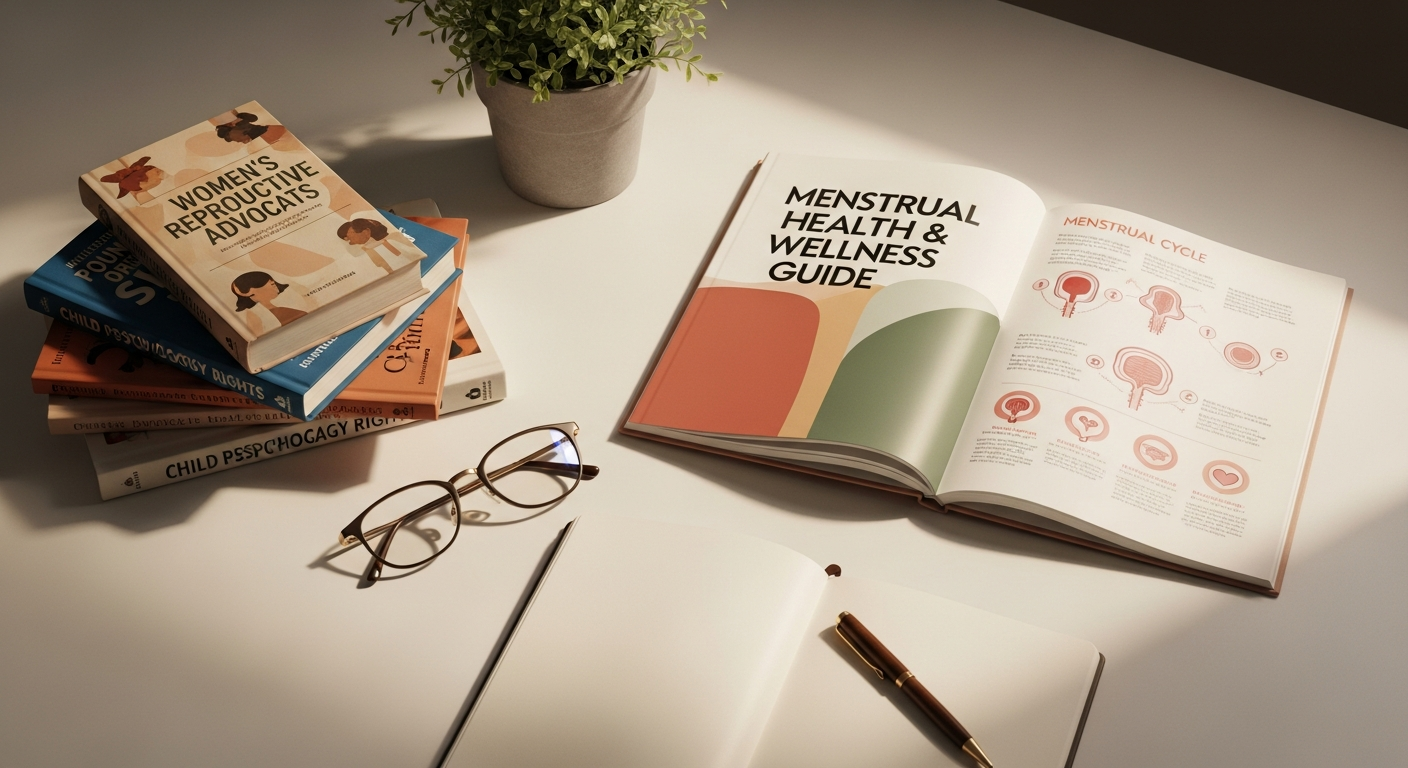
While the menstrual cycle is a natural process, it can also bring a range of discomforts and, for some, significant health challenges. It’s crucial to distinguish between typical menstrual symptoms and those that signal a need for medical attention. Our menstrual health and wellness guide emphasizes empowering you to recognize these distinctions and advocate for your health.
One of the most common complaints is dysmenorrhea, or painful periods. While mild cramping is normal, severe, debilitating pain that interferes with daily activities is not. This could be primary dysmenorrhea (pain without an underlying condition) or secondary dysmenorrhea (pain caused by a condition like endometriosis or fibroids). Persistent, severe pain should always be investigated.
Premenstrual Syndrome (PMS) encompasses a wide range of physical and emotional symptoms that occur in the luteal phase and typically resolve once the period begins. Symptoms can include mood swings, irritability, bloating, breast tenderness, fatigue, and food cravings. While many experience mild PMS, a more severe form, Premenstrual Dysphoric Disorder (PMDD), can cause intense mood disturbances, depression, anxiety, and despair that significantly impair quality of life. If PMS or PMDD symptoms are severe and impact your daily functioning, seeking professional help from a doctor or mental health specialist is crucial.
Irregular periods are another significant concern. This can manifest as:
- Amenorrhea: The absence of periods for three or more consecutive months. This can be caused by pregnancy, extreme exercise, significant weight loss or gain, stress, hormonal imbalances, or underlying medical conditions like Polycystic Ovary Syndrome (PCOS).
- Oligomenorrhea: Infrequent periods, typically fewer than nine periods in a year or cycles longer than 35 days.
- Menorrhagia: Abnormally heavy or prolonged bleeding, often lasting more than seven days or requiring frequent changes of pads/tampons. This can lead to anemia and impact daily life significantly.
- Metrorrhagia: Irregular bleeding between periods, which should always be evaluated by a healthcare provider.
Beyond these, conditions such as Endometriosis (where tissue similar to the uterine lining grows outside the uterus), Polycystic Ovary Syndrome (PCOS) (a hormonal disorder causing irregular periods, excess androgen, and polycystic ovaries), and Uterine Fibroids (non-cancerous growths in the uterus) can profoundly affect menstrual health. These conditions can cause chronic pain, fertility issues, and other health complications.
It is vital to remember that persistent or severe symptoms are not something you simply have to endure. They are signals from your body that require attention. Consulting a healthcare provider is essential for accurate diagnosis and effective management. This proactive approach is a core principle of what is reproductive health – understanding that your reproductive system’s well-being is interconnected with your overall health. Don’t hesitate to seek a second opinion if you feel your concerns are not being adequately addressed. Your health, and the health of your family, depends on your ability to seek and receive appropriate care.
Nurturing Your Body: Lifestyle for Optimal Menstrual Wellness
Nutrition: Fueling Your Cycle
A balanced, nutrient-rich diet is fundamental. Focus on whole, unprocessed foods, including plenty of fruits, vegetables, lean proteins, and healthy fats.
- Iron: Essential, especially during menstruation, to replenish losses from bleeding. Include iron-rich foods like red meat, poultry, fish, lentils, spinach, and fortified cereals. Pair with Vitamin C-rich foods (citrus, bell peppers) to enhance absorption.
- Magnesium: Can help reduce muscle cramps and improve mood. Found in leafy greens, nuts, seeds, dark chocolate, and avocados.
- Omega-3 Fatty Acids: Possess anti-inflammatory properties that can alleviate menstrual pain and reduce PMS symptoms. Incorporate fatty fish (salmon, mackerel), flaxseeds, chia seeds, and walnuts.
- B Vitamins: Especially B6, can help with PMS symptoms like mood swings and bloating. Found in whole grains, eggs, chicken, and bananas.
- Fiber: Supports healthy digestion and helps regulate estrogen levels, promoting hormonal balance. Aim for plenty of fruits, vegetables, and whole grains.
Hydration is equally important. Drinking adequate water throughout the day can help reduce bloating and prevent constipation, common menstrual discomforts. Limit processed foods, excessive sugar, caffeine, and alcohol, as these can exacerbate symptoms for many individuals.
Movement: Exercise and Hormonal Balance
Regular physical activity is beneficial for both physical and mental health, and it can significantly impact your menstrual cycle. Moderate exercise, such as brisk walking, swimming, cycling, or yoga, can help reduce stress, improve circulation, and alleviate menstrual cramps and bloating. Yoga, in particular, with its focus on stretching and breathwork, can be very effective for managing period pain and promoting relaxation.
While exercise is important, it’s also crucial to listen to your body. During menstruation, some individuals may prefer gentler activities, while others feel energized enough for their usual routine. Extreme exercise, however, can sometimes lead to menstrual irregularities or amenorrhea, particularly if combined with insufficient calorie intake. The goal is balance and consistency, not intensity that pushes your body beyond its healthy limits.
Stress Management: The Mind-Body Connection
Stress is a powerful disruptor of hormonal balance. Chronic stress can lead to irregular periods, exacerbated PMS symptoms, and even impact fertility. Incorporating stress-reduction techniques into your daily routine is paramount for optimal menstrual wellness.
- Mindfulness and Meditation: Regular practice can reduce anxiety, improve mood, and help you tune into your body’s needs.
- Adequate Sleep: Aim for 7-9 hours of quality sleep per night. Sleep deprivation can throw hormones out of whack and worsen menstrual symptoms.
- Relaxation Techniques: Deep breathing exercises, warm baths, reading, or spending time in nature can help calm the nervous system.
- Social Connection: Maintaining strong relationships and engaging in enjoyable activities can reduce feelings of isolation and stress.
By consciously integrating these lifestyle elements, you create a supportive environment for your body to thrive, promoting a healthier, more comfortable menstrual experience. This proactive self-care is a testament to the comprehensive approach needed for true menstrual health and wellness, ensuring individuals can live their fullest lives.
Comprehensive Menstrual Care: From Products to Preventative Measures
Effective menstrual care extends beyond just managing symptoms; it encompasses thoughtful choices in menstrual products, diligent hygiene practices, and proactive preventative health screenings. This section of our menstrual health and wellness guide aims to provide a holistic overview, emphasizing informed decisions that support both individual well-being and broader health goals.
Navigating Menstrual Products
The market for menstrual products has expanded significantly, offering a diverse range of options tailored to different needs, preferences, and environmental concerns. Understanding your choices is key:
- Traditional Pads and Tampons: These absorb menstrual flow and are widely available. Pads come in various absorbencies and styles, while tampons are inserted internally. It’s crucial to change them regularly (every 4-8 hours) to prevent bacterial growth and, in the case of tampons, reduce the risk of Toxic Shock Syndrome (TSS), a rare but serious bacterial infection.
- Menstrual Cups: Reusable, bell-shaped devices made of medical-grade silicone that are inserted into the vagina to collect menstrual fluid. They can be worn for up to 12 hours, are environmentally friendly, and can be a cost-effective long-term solution. Learning to insert and remove them can take practice.
- Menstrual Discs: Similar to cups but shaped differently, often fitting higher in the vaginal fornix near the cervix. Some are disposable, others reusable. They can also be worn for up to 12 hours and are sometimes used for mess-free period sex.
- Period Underwear: Absorbent, reusable underwear designed to wick away and hold menstrual fluid. They come in various absorbencies and styles, offering comfort and convenience, especially on lighter days or as a backup for other products. They are also an eco-friendly choice.
When choosing a product, consider factors like absorbency needs, comfort, lifestyle, environmental impact, and budget. Always prioritize products made from safe, non-toxic materials, and follow hygiene instructions meticulously.
Essential Menstrual Hygiene Practices
Good hygiene is paramount to prevent infections and maintain comfort:
- Regular Product Changes: As mentioned, change pads and tampons frequently. Cups and discs should be emptied, rinsed, and reinserted as recommended.
- Washing Hands: Always wash your hands thoroughly before and after handling any menstrual product.
- Gentle Cleansing: Wash the external genital area with warm water during showers or baths. Avoid harsh soaps, scented products, or douches, as these can disrupt the natural pH balance of the vagina and lead to irritation or infection. The vagina is a self-cleaning organ.
- Proper Disposal: Dispose of used pads and tampons responsibly, wrapping them to prevent odors and never flushing them down the toilet.
Preventative Measures and Holistic Health
Menstrual care is intrinsically linked to broader preventative health. Regular gynecological check-ups are vital, typically starting in adolescence or when sexually active. These visits allow healthcare providers to monitor your reproductive health, address concerns, and perform screenings.
- Pap Smears: These screenings detect abnormal cervical cells that could lead to cervical cancer. Recommendations for frequency vary based on age and individual risk factors, but they are a cornerstone of preventative reproductive health.
- STI Screenings: If you are sexually active, regular screenings for Sexually Transmitted Infections (STIs) are crucial for your health and the health of your partners.
- Breast Health: Incorporating breast self-awareness into your routine is important. Understanding the normal look and feel of your breasts can help you identify any unusual changes. For individuals over a certain age or with specific risk factors, regular screenings like mammograms become a critical part of preventative care. Our extensive Breast Health And Mammogram Guide provides detailed information on self-exams, clinical exams, and screening schedules, emphasizing early detection as key to positive outcomes.
- Vaccinations: The Human Papillomavirus (HPV) vaccine is highly effective in preventing HPV infections that can lead to cervical cancer and other cancers.
By integrating thoughtful product choices, diligent hygiene, and consistent preventative screenings, individuals can actively nurture their menstrual health and wellness. This comprehensive approach ensures that foundational health practices are maintained, contributing to a robust and informed approach to family well-being in 2026 and beyond.
Menstrual Health Across the Lifespan: Puberty to Perimenopause
The menstrual cycle is not static; it evolves significantly throughout an individual’s life, from the very first period to the final one. Understanding these transitions is a vital part of a truly comprehensive menstrual health and wellness guide, allowing for informed self-care and medical guidance at every stage.
Adolescence: The Onset of Menarche
Puberty marks the beginning of menstruation, known as menarche. This period, typically occurring between ages 9 and 15, can be a time of significant change and adjustment. Early cycles are often irregular, with varying lengths and flow, as the body’s hormonal system matures. It’s common for adolescents to experience heavier bleeding or more intense cramps initially. Education about basic menstrual hygiene, product choices, and what to expect is crucial to empower young people and reduce anxiety. Open communication with parents, guardians, and healthcare providers can help address any concerns, such as very heavy bleeding, severe pain, or very delayed periods, which might indicate underlying issues.
Reproductive Years and Family Planning
During the primary reproductive years, cycles typically become more regular and predictable. This is the stage where many individuals consider family planning. Understanding your menstrual cycle is fundamental for both conceiving and preventing pregnancy. Cycle tracking, basal body temperature monitoring, and ovulation predictor kits are tools that can aid in both scenarios. For those planning a family, a healthy menstrual cycle often indicates robust reproductive health, although various factors can influence fertility.
It’s important to acknowledge that family planning is a diverse journey. For many, this involves considering various avenues to parenthood. Our commitment to family advocacy includes supporting all pathways. For instance, LGBTQ Family Planning Options are increasingly recognized and supported, encompassing everything from assisted reproductive technologies (ART) like IVF and IUI, to surrogacy, adoption, and co-parenting agreements. Menstrual health plays a role here, too. For individuals with cycles, understanding their own fertility and reproductive health can be a key part of planning, whether they are carrying a pregnancy themselves or contributing genetic material. For trans men who may still experience periods, managing menstrual health is a significant aspect of their overall well-being and can be a source of gender dysphoria, requiring sensitive and affirming care.
Contraception is another major aspect of menstrual health during these years. There are numerous birth control options available, from hormonal methods (pills, patches, rings, injections, implants, IUDs) to non-hormonal barrier methods (condoms, diaphragms) and permanent sterilization. Each option has its own benefits, risks, and impact on menstrual cycles. Discussing these with a healthcare provider is essential to find the best fit for your health needs, lifestyle, and family planning goals in 2026.
Perimenopause and Menopause
As individuals approach their late 30s, 40s, and early 50s, they enter perimenopause, the transitional phase leading to menopause. During this time, hormonal fluctuations become more pronounced, leading to changes in menstrual cycles. Periods may become irregular, lighter or heavier, shorter or longer, and symptoms like hot flashes, night sweats, mood changes, and sleep disturbances are common. This phase can last for several years.
Menopause is officially diagnosed after 12 consecutive months without a period. While it marks the end of menstruation and reproductive capacity, it’s not the end of health considerations. Post-menopausal individuals may experience symptoms like vaginal dryness, bone density loss, and increased risk of cardiovascular disease. Ongoing conversations with healthcare providers about managing symptoms, maintaining bone health, and monitoring cardiovascular health are crucial during this stage.
Throughout every life stage, prioritizing menstrual health and wellness means being attuned to your body’s signals, seeking appropriate medical advice when needed, and making informed choices that support your overall health and family aspirations.
Advocating for Your Menstrual Health and Broader Family Well-being
At Protect Families Protect Choices, we firmly believe that individual health is intrinsically linked to family well-being. Advocating for your menstrual health and wellness isn’t just about personal comfort; it’s about setting a precedent for self-care, ensuring access to vital services, and contributing to a healthier, more informed community for all families. This final section encourages empowerment, outlines the broader impact of menstrual health advocacy, and integrates other essential family health considerations.
Empowerment Through Education and Self-Advocacy
The first step in advocacy is education. By reading this comprehensive guide, you are already taking a significant step towards understanding your body. Knowledge empowers you to:
- Recognize Norms and Deviations: Understand what a typical cycle looks like for you and when symptoms warrant medical attention.
- Communicate Effectively with Healthcare Providers: Be able to articulate your symptoms, concerns, and questions clearly. Don’t shy away from asking for second opinions or more detailed explanations if you feel unheard or unsatisfied with your care.
- Make Informed Decisions: Whether it’s choosing menstrual products, contraception, or exploring fertility options, education allows you to make choices aligned with your values and health goals.
Self-advocacy also means challenging the stigma surrounding menstruation. For too long, periods have been a taboo subject, leading to misinformation and inadequate support. Openly discussing menstrual health with family members, friends, and colleagues can normalize the conversation, making it easier for others to seek help and feel understood. This is particularly important for younger generations, ensuring they grow up with a healthy understanding of their bodies.
The Broader Impact on Family Advocacy
When individuals are empowered in their menstrual health, the benefits ripple out to the entire family and community:
- Improved Quality of Life: Managing menstrual symptoms effectively means less absenteeism from school or work, more energy for family activities, and improved mental well-being, all of which contribute to a more stable and joyful family environment.
- Economic Stability: Access to affordable menstrual products and healthcare is a matter of economic justice. Advocating for policies that ensure these essentials are accessible to all, regardless of income, supports family economic security.
- Reproductive Justice: A core tenet of Protect Families Protect Choices is reproductive justice, which encompasses the right to decide whether and when to have children, the right to have children, and the right to parent the children one has in safe and healthy environments. Menstrual health is foundational to this, as it underpins reproductive choices and overall well-being. Ensuring comprehensive menstrual care is a critical component of upholding reproductive autonomy for all, including those exploring LGBTQ Family Planning Options, where diverse needs and experiences must be acknowledged and supported.
- Holistic Health for All: Advocating for menstrual health encourages a broader perspective on health that recognizes the interconnectedness of all body systems. It promotes a culture where preventative care and open health discussions are the norm for everyone in the family.
Integrating Other Essential Family Health Considerations
As part of a holistic approach to family well-being, it’s essential to integrate menstrual health advocacy with other critical preventative health measures. For example, understanding and championing Breast Health And Mammogram Guide recommendations is another vital aspect of comprehensive care. Just as with menstrual health, early detection and regular screenings for breast cancer can significantly impact outcomes, reinforcing the importance of proactive health management for individuals and their families. Encourage your loved ones to prioritize their preventative screenings, from routine check-ups to age-appropriate cancer screenings, in 2026 and beyond.
By collectively advocating for accessible, inclusive, and stigma-free menstrual health care, we strengthen the fabric of our families and communities. Protect Families Protect Choices is committed to supporting these efforts, ensuring that every individual has the resources and information needed to thrive. Your journey toward optimal menstrual health is a powerful step in building a healthier future for everyone.
Frequently Asked Questions
Recommended Resources
You might also enjoy Passive Income Ideas 2026 from Diaal News.
Check out Stamping And Forming In Auto Manufacturing on Mitsubishi Manufacturing for a deeper dive.