



Understanding Paid Family Leave: A National Imperative for Families
Paid family leave is not merely a workplace benefit; it is a cornerstone of a healthy, equitable society. At its core, paid family leave allows eligible employees to take time off work to care for a new child (through birth, adoption, or foster care), attend to a serious health condition of a family member, or manage their own serious health condition, all while receiving a portion of their wages. Unlike the federal Family and Medical Leave Act (FMLA), which provides job protection but no pay, state-level paid family leave programs offer vital financial support during these critical life events. The absence of such policies often disproportionately affects low-income families, single parents, and communities of color, exacerbating existing inequalities and creating immense financial strain during times of vulnerability.
The importance of paid leave extends far beyond individual circumstances. For new parents, it enables crucial bonding time, supports infant development, and facilitates recovery from childbirth. For those caring for ill family members, it provides the peace of mind to be present without the added stress of lost income. From an economic perspective, paid family leave has been shown to improve employee retention, boost morale, and reduce turnover costs for businesses. It also helps close the gender pay gap by enabling women, who disproportionately take on caregiving roles, to maintain their attachment to the workforce.
The concept of paid family leave is a recognition that personal and family health are inextricably linked to economic security. When individuals can take time off for preventative care, such as mammograms as part of a comprehensive Breast Health And Mammogram Guide, or to recover from medical procedures, they are more likely to return to work healthier and more productive. Similarly, supporting parents through the journey of family planning, including understanding What Is Reproductive Health, requires time for consultations, treatments, and recovery. Paid leave ensures that these essential health considerations are not sidelined due to financial pressures. As we examine the state-by-state variations, it becomes clear that while progress is being made, a unified national approach remains a crucial goal for the well-being of all American families.
The Shifting Landscape: States Leading the Way in Paid Family Leave

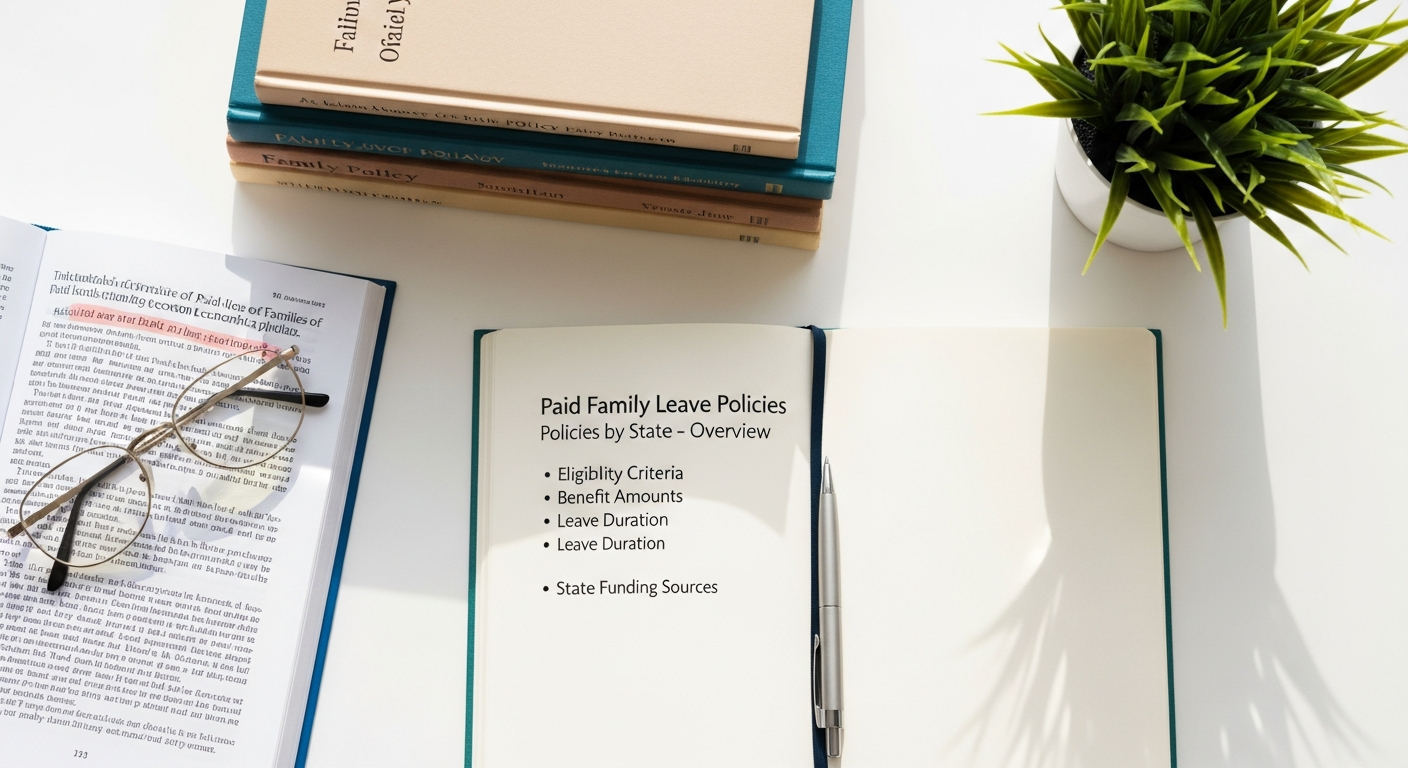
While the United States remains one of the few industrialized nations without a federal paid family leave mandate, a growing number of states have stepped up to fill this critical void. This has created a dynamic and often complex landscape, where eligibility, benefits, and funding mechanisms can vary significantly from one state to another. The momentum for paid leave at the state level reflects a growing understanding among policymakers of its economic and social benefits, driven by advocacy from organizations like Protect Families Protect Choices, labor unions, and a diverse coalition of community groups.
The pioneering efforts of states like California, New Jersey, and New York have demonstrated the viability and positive impact of these programs. Their successes have provided valuable blueprints and inspired other states to follow suit, leading to a ripple effect across the nation. As of 2026, we observe a clear trend: states are increasingly recognizing that investing in paid family leave is an investment in their workforce, their economy, and the health and stability of their communities. This state-led approach, while fragmented, has become the primary driver of progress in expanding access to paid time off for family and medical needs.
The implementation of these programs often involves extensive legislative debate, public awareness campaigns, and intricate administrative setup. States must decide on key parameters such as the duration of leave, the wage replacement rate, the definition of “family member,” and how the program will be funded (typically through employee payroll deductions, employer contributions, or a combination). These decisions are critical in shaping the inclusivity and effectiveness of each state’s policy. For instance, broad definitions of “family member” are essential for supporting diverse family structures, including those of Lgbtq Family Planning Options, ensuring that all caregivers, regardless of legal relationship, can access necessary leave. The evolving nature of this landscape means that businesses and families must stay informed about the specific regulations in their state, as policies continue to be refined and new programs come online.
Deep Dive into State-Specific Paid Family Leave Programs: Eligibility, Benefits, and Funding
Understanding the nuances of paid family leave policies by state requires a closer look at their individual characteristics. While each program aims to provide financial support during leave, the specifics can vary significantly, impacting who is eligible, how much they receive, and for how long. Below, we highlight some key states and the general structure of their programs, keeping in mind that details can evolve.
- California (CA): A trailblazer since 2004, California’s Paid Family Leave (PFL) program is administered through the state’s Employment Development Department (EDD). It provides wage replacement benefits to workers who need to take time off to bond with a new child or to care for a seriously ill family member. Benefits are typically around 60-70% of weekly wages, up to a maximum amount, for up to 8 weeks. It’s funded through employee payroll deductions. California’s broad definition of family members includes children, parents, spouses, registered domestic partners, grandparents, grandchildren, siblings, and in-laws.
- New Jersey (NJ): Following California, New Jersey implemented its Family Leave Insurance (FLI) program in 2009. Administered by the Department of Labor and Workforce Development, it offers up to 12 weeks of paid leave to care for a new child or a seriously ill family member, or to address needs arising from domestic violence or sexual assault. Wage replacement is up to 85% of average weekly wages, with a weekly maximum. Funding comes from employee payroll deductions.
- New York (NY): New York’s Paid Family Leave (PFL) program, launched in 2018, is one of the most robust. It provides up to 12 weeks of paid time off at 67% of an employee’s average weekly wage, capped at 67% of the statewide average weekly wage. Covered reasons include bonding with a new child, caring for a seriously ill family member, or assisting loved ones when a family member is deployed abroad on active military service. It is funded entirely through employee payroll contributions.
- Massachusetts (MA): The Massachusetts Paid Family and Medical Leave (PFML) program, fully implemented in 2021, offers up to 26 weeks of combined family and medical leave in a benefit year. This includes 20 weeks for one’s own serious health condition, 12 weeks for family care or bonding with a new child, and 26 weeks for military exigency leave. Wage replacement is up to 80% of average weekly wages for lower-income workers and 50% for higher earners, capped at a maximum weekly amount. It is funded through contributions from both employers and employees.
- Washington (WA): Washington State’s Paid Family and Medical Leave program, which began paying benefits in 2020, allows eligible workers to take up to 12 weeks of paid leave for their own serious health condition or to care for a family member, and up to 16 weeks for a combination of both. An additional 4 weeks may be available for pregnancy-related conditions. Wage replacement is a percentage of the individual’s average weekly wage, with a maximum weekly benefit. It is funded by premiums paid by both employees and employers.
- Rhode Island (RI): Rhode Island’s Temporary Caregiver Insurance (TCI) program, established in 2014, provides up to 6 weeks of paid leave to care for a seriously ill family member or to bond with a new child. Benefits are calculated based on the individual’s past earnings, with a weekly maximum. It is funded through employee payroll deductions.
- Colorado (CO): Colorado’s Family and Medical Leave Insurance (FAMLI) program, which began collecting premiums in 2023 and will start paying benefits in 2024, offers up to 12 weeks of paid leave (with an additional 4 weeks for pregnancy or childbirth complications). It covers bonding, care for a family member, one’s own serious health condition, and safe leave. Benefits are calculated on a sliding scale, replacing a higher percentage of wages for lower-income workers. It is funded through a premium split between employers and employees.
- Connecticut (CT): Connecticut Paid Leave (CTPL) began paying benefits in 2022, providing up to 12 weeks of paid leave for various reasons, including one’s own serious health condition, caring for a family member, bonding with a new child, or for military family leave. An additional 2 weeks are available for incapacitation due to pregnancy. Benefits are 95% of average weekly wages up to the state minimum wage, then 60% of wages above that, capped at a maximum weekly amount. It is funded solely through employee payroll deductions.
- Oregon (OR): Oregon’s Paid Family and Medical Leave Insurance (PFMLI) program, which began collecting contributions in 2023 and started paying benefits in September 2023, offers up to 12 weeks of paid leave (with an additional 2 weeks for pregnancy, childbirth, or related medical conditions). Covered reasons include family leave (bonding, caring for a family member), medical leave (one’s own serious health condition), and safe leave. Benefits are calculated on a sliding scale, with higher wage replacement for lower-income individuals, up to a maximum weekly amount. It is funded by both employee and employer contributions.
- Maryland (MD): Maryland’s Paid Family and Medical Leave program, passed in 2022, is set to begin collecting contributions in 2025 and paying benefits in 2026. It will provide up to 12 weeks of paid leave (with an additional 12 weeks for serious health conditions related to pregnancy or parental care, totaling 24 weeks in some cases). Reasons include bonding, caring for a family member, one’s own serious health condition, and military exigency. Benefits will be a percentage of the individual’s average weekly wage, capped at a maximum. It is funded by both employer and employee contributions.
- Delaware (DE): Delaware’s Healthy Delaware Families Act, enacted in 2022, establishes a paid family and medical leave insurance program. It is slated to begin collecting contributions in 2025 and paying benefits in 2026. The program will offer up to 12 weeks of paid parental leave, 6 weeks of paid family caregiving leave, and 6 weeks of paid medical leave, with varying benefit levels based on income, capped at a maximum weekly amount. It is funded through employer contributions.
- Minnesota (MN): Minnesota’s Paid Family and Medical Leave program, passed in 2023, is scheduled to begin collecting premiums in 2025 and paying benefits in 2026. It will provide up to 12 weeks for family leave (bonding or caring for a family member) and up to 12 weeks for medical leave (one’s own serious health condition), with a combined maximum of 20 weeks in a benefit year. Benefits will be on a sliding scale, with higher wage replacement for lower-income workers, up to a maximum weekly amount. It is funded through employer and employee contributions.
- Maine (ME): Maine’s Paid Family and Medical Leave program, enacted in 2023, is set to begin collecting contributions in 2025 and paying benefits in 2026. It will provide up to 12 weeks of paid leave for family or medical reasons, with benefits set on a sliding scale based on income, capped at a maximum weekly amount. It is funded through employer and employee contributions.
This overview illustrates the diverse approaches states are taking. Each program reflects legislative priorities and regional economic considerations. For families and employers navigating this complex landscape, understanding these state-specific provisions is paramount to ensuring compliance and accessing deserved benefits. The trend, however, is clear: more states are recognizing the fundamental need for paid leave, moving towards a future where this vital support is available to a broader segment of the American workforce.
The Broader Impact: How Paid Leave Supports Family Well-being and Reproductive Health
Consider the critical importance of What Is Reproductive Health. This encompasses a broad spectrum of care, from contraception and fertility treatments to prenatal care, childbirth, and postnatal recovery. Paid family leave allows expectant parents to attend all necessary prenatal appointments, reducing stress and improving birth outcomes. For individuals undergoing fertility treatments, which often require numerous appointments, procedures, and recovery periods, paid leave is indispensable. It removes the financial barrier that might otherwise force individuals to choose between pursuing their dream of parenthood and maintaining their employment. Postpartum recovery, both physical and mental, is also significantly improved when a parent has dedicated time away from work, fostering stronger parent-child bonding and reducing the incidence of postpartum depression. Paid leave also supports partners in being present during these crucial times, offering emotional and practical support.
Moreover, paid leave is a powerful tool for preventative health. Our commitment to empowering families includes advocating for policies that enable individuals to take time for essential screenings. For example, a thorough Breast Health And Mammogram Guide emphasizes regular screenings as a key component of early detection and successful treatment. Without paid leave, many individuals, particularly those in hourly or lower-wage positions, might delay or skip these vital appointments due to the loss of income. Paid leave ensures that individuals can prioritize their long-term health, attending mammograms, follow-up appointments, or even recovering from biopsy procedures, without having to choose between their health and their paycheck. This proactive approach to health not only benefits the individual but also strengthens the family unit by promoting the health of its members.
Furthermore, paid family leave policies must be designed with inclusivity in mind to truly serve all families. This is particularly relevant when considering Lgbtq Family Planning Options. LGBTQ+ individuals and couples build families through diverse paths, including adoption, surrogacy, foster care, and assisted reproduction. Robust paid leave policies must recognize and support these varied family structures, ensuring that all parents, regardless of how their family is formed or their sexual orientation or gender identity, have access to the same leave benefits for bonding with a new child or caring for a family member. This means inclusive definitions of “parent” and “family member” that extend beyond traditional biological or marital relationships. When paid leave is truly inclusive, it reinforces the message that all families are valued and supported, fostering a more equitable and compassionate society. The comprehensive impact of paid family leave thus creates a healthier, more secure foundation for all families to thrive.
Navigating Your Options: Resources and Considerations for Families
Given the varied landscape of paid family leave policies by state, understanding your specific rights and options can feel overwhelming. However, armed with the right information and resources, families can effectively navigate these programs to access the support they need. The first step is always to identify the state in which you are employed, as this will dictate which program (if any) applies to you.
Once you know your state, begin by visiting the official state government website for their Department of Labor or the specific agency administering the paid family leave program (e.g., California’s Employment Development Department, New York’s Paid Family Leave website). These official sources provide the most accurate and up-to-date information on eligibility requirements, application procedures, benefit calculations, and covered reasons for leave. Pay close attention to definitions of “family member,” qualifying events, and the maximum duration and wage replacement rates.
It is also crucial to communicate proactively with your employer. While state programs are typically administered by the state, your employer may have specific policies regarding leave notification, coordination with other benefits (like short-term disability or FMLA), and how your job will be protected during your absence. Many employers, even in states without mandates, offer their own paid leave benefits, which might be more generous or have different rules. Understanding how state and employer-provided benefits interact is key to maximizing your support. Keep detailed records of all communications, applications, and documentation related to your leave.
For families planning to use paid leave for specific circumstances, such as those related to What Is Reproductive Health or Lgbtq Family Planning Options, it’s important to clarify how these situations are covered under your state’s definition of “serious health condition” or “bonding with a new child.” For instance, if you are undergoing fertility treatments, ensure that your state’s medical leave provisions cover the time needed for appointments and recovery. Similarly, if you are an LGBTQ+ parent adopting a child, confirm that the bonding leave provisions apply equally to adoptive parents. Advocacy organizations, legal aid services specializing in employment law, and community support groups can also be invaluable resources for guidance and assistance in navigating complex cases. Staying informed and prepared will empower you to utilize these vital programs effectively.
The Path Forward: Advocating for Universal Paid Family Leave
While the progress made at the state level is commendable and provides vital support to millions, the fragmented nature of paid family leave policies across the United States underscores the urgent need for a comprehensive national solution. The current patchwork system creates significant inequities, leaving workers in states without mandates vulnerable and forcing families to navigate a confusing array of different rules and benefits. At Protect Families Protect Choices, our long-term vision is one where every American, regardless of their zip code, has access to universal paid family and medical leave.
Advocating for a federal paid family leave program would standardize benefits, simplify administration, and ensure that all workers have the fundamental right to take time off for caregiving or personal health needs without facing financial hardship. A national program would eliminate the current disparities, providing a consistent safety net that supports all families through critical life events, from the birth or adoption of a child to caring for an aging parent or recovering from a serious illness. This would be particularly beneficial for mobile workforces and those living near state borders, who currently face complexities when their employment and residence are in different states with differing policies.
The argument for universal paid leave is not just about social equity; it’s also about economic resilience and public health. When workers can take time for preventative health measures, such as following a Breast Health And Mammogram Guide, or to recover fully from illnesses, they return to the workforce healthier and more productive. This reduces presenteeism and long-term health costs. Furthermore, stable access to paid leave strengthens the overall economy by improving labor force participation, especially among women, and reducing reliance on public assistance programs.
Achieving universal paid family leave will require sustained advocacy, cross-party collaboration, and a collective commitment to prioritizing the well-being of families. It involves educating policymakers about the proven benefits of existing state programs and addressing concerns about funding and implementation. As we move towards 2026 and beyond, the ongoing expansion of state-level programs serves as powerful evidence that paid leave works. It is now time to translate these localized successes into a national standard, ensuring that every family has the opportunity to thrive, supported by policies that truly protect their choices and their futures. We invite you to join us in this vital advocacy work to make universal paid family leave a reality for all.
Frequently Asked Questions
Q1: What is the main difference between FMLA and state-level Paid Family Leave programs?▾
Q2: How is paid family leave typically funded at the state level?▾
Q3: Are all types of family care covered by state paid family leave policies?▾
Q4: Can I use paid family leave for preventative health appointments, such as a mammogram?▾
Q5: If my state does not have a paid family leave program, what are my options?▾
Q6: How does paid family leave support reproductive health beyond childbirth?▾
Recommended Resources
Check out How To Write A Resume That Gets Interviews on Diaal News for a deeper dive.
For more on paid family leave, see Industrial Robots In Manufacturing on Mitsubishi Manufacturing.