



Protecting families and empowering individuals to make informed choices is at the heart of our mission at Protect Families Protect Choices. One of the most critical aspects of ensuring a healthy start for every family begins long before a child’s first breath: through comprehensive and accessible prenatal care. This essential journey, often spanning nine months, lays the groundwork for the well-being of both parent and child, influencing health outcomes for years to come. Understanding the profound importance of prenatal care and actively working to dismantle barriers to its access are fundamental steps towards building stronger, healthier communities. In this article, we delve into why prenatal care is indispensable, how families can navigate the healthcare system to receive it, and the ongoing efforts required to ensure equitable access for all, paving the way for a brighter future for every child born in 2026 and beyond.
The Foundation of a Healthy Start: Understanding Prenatal Care
At its core, prenatal care is a vital component of what we understand as reproductive health. Reproductive health, as a broader concept, encompasses physical, mental, and social well-being in all matters relating to the reproductive system, its functions, and processes. Prenatal care fits squarely within this definition by focusing on the health of the reproductive system during pregnancy, ensuring optimal conditions for both the gestating parent and the developing baby. It involves a spectrum of services, including medical screenings, diagnostic tests, health education, and counseling, all tailored to the individual needs of the expectant family.
The journey of prenatal care typically begins as soon as a pregnancy is confirmed, ideally in the first trimester. Early engagement allows healthcare providers to establish a baseline of the parent’s health, identify any pre-existing conditions that could impact the pregnancy, and offer crucial guidance on lifestyle adjustments. During these initial visits, a thorough medical history is taken, a physical examination is performed, and various laboratory tests are conducted. These tests often include blood work to check for anemia, blood type, Rh factor, and screening for infections like syphilis, hepatitis B, and HIV. Urine samples are also routinely collected to monitor for urinary tract infections, preeclampsia, and gestational diabetes.
Beyond the clinical aspects, prenatal care provides an invaluable platform for education. Expectant parents receive guidance on nutrition, exercise, safe medications, and warning signs that necessitate immediate medical attention. They learn about the stages of fetal development, what to expect during labor and delivery, and how to care for a newborn. This educational component empowers individuals to make informed decisions about their health and the health of their baby, fostering a sense of preparedness and confidence as they approach parenthood. Furthermore, prenatal care offers an opportunity to discuss birth plans, pain management options, and even early postpartum considerations, creating a continuous thread of support throughout the entire perinatal period.
In essence, prenatal care is a holistic investment in the future. It’s about more than just medical check-ups; it’s about providing continuous support, reliable information, and compassionate care that respects the unique journey of every expectant family. By understanding and valuing this fundamental aspect of reproductive health, we can better advocate for and ensure its accessibility for all.
Why Prenatal Care Matters: Benefits for Mother and Child

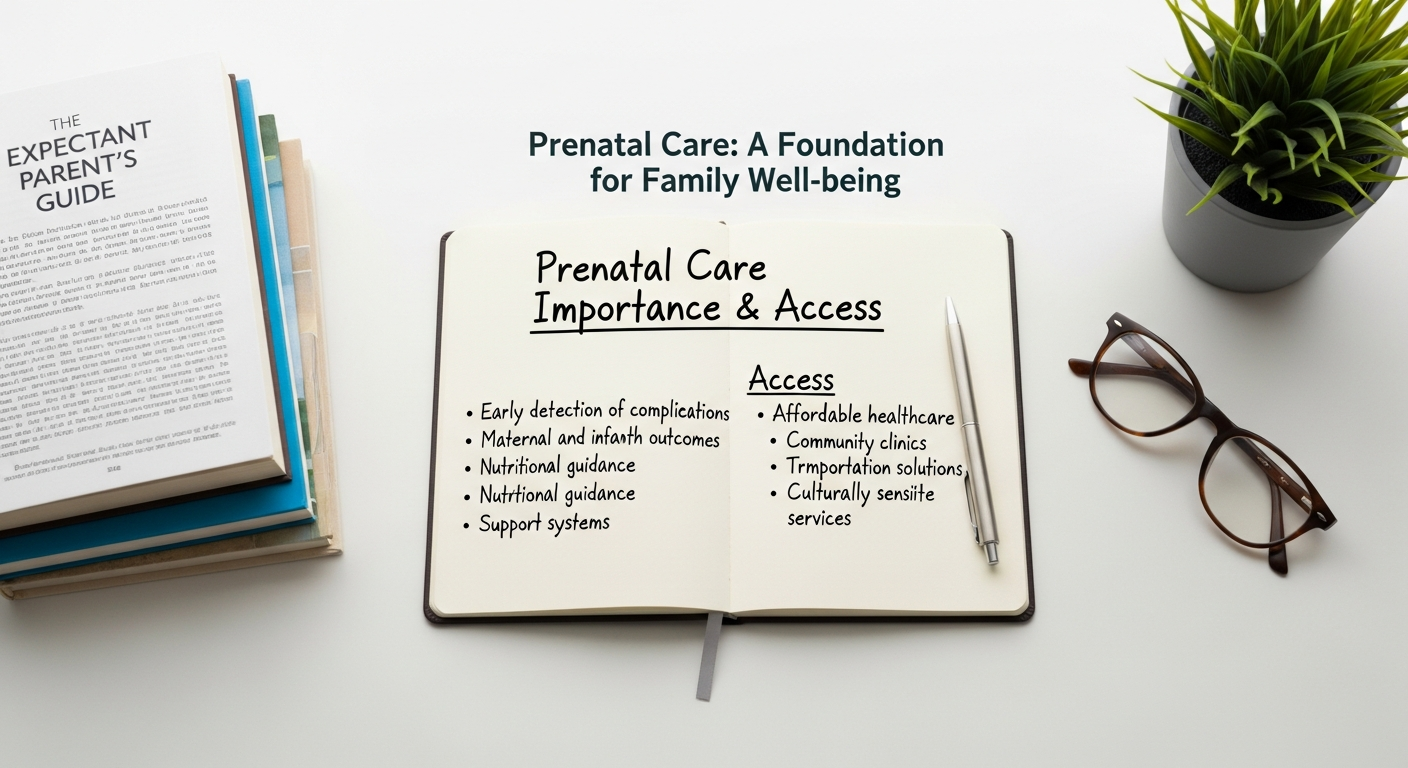
The benefits of consistent and high-quality prenatal care extend far beyond the immediate months of pregnancy, creating a ripple effect that positively impacts both the pregnant parent and the developing child, often for a lifetime. Engaging in prenatal care is not merely a recommendation; it is a critical strategy for mitigating risks and optimizing health outcomes.
For the Expectant Parent:
- Early Detection and Management of Complications: Regular check-ups allow healthcare providers to monitor the pregnant parent’s health meticulously. Conditions such as gestational diabetes, preeclampsia, anemia, and various infections can be detected early, often before symptoms become severe. Early diagnosis means timely intervention and management, significantly reducing the risk of serious complications for both parent and baby. For example, preeclampsia, if left untreated, can lead to severe health issues for the parent and premature birth for the baby. Consistent prenatal visits enable vigilant blood pressure monitoring and other necessary screenings.
- Nutritional and Lifestyle Guidance: Pregnancy brings unique nutritional demands. Prenatal care provides personalized advice on diet, supplements (like folic acid to prevent neural tube defects), and weight gain targets. Guidance on safe exercise, avoiding harmful substances (alcohol, tobacco, illicit drugs), and managing common pregnancy discomforts (nausea, fatigue, back pain) empowers parents to maintain optimal health throughout their pregnancy.
- Emotional and Mental Health Support: Pregnancy can be an emotionally turbulent time, with fluctuating hormones and significant life changes. Prenatal care often includes screening for mental health conditions such as depression and anxiety, which can affect up to 1 in 7 pregnant individuals. Early identification allows for appropriate counseling, therapy, or referral to specialists, ensuring that the expectant parent receives the comprehensive support needed for their emotional well-being. This holistic approach recognizes that mental health is just as crucial as physical health during pregnancy.
- Preparation for Labor and Delivery: Through prenatal education and discussions with healthcare providers, expectant parents gain a deeper understanding of the labor and delivery process. This includes learning about different birthing options, pain management techniques, and understanding potential interventions. Feeling prepared and informed can significantly reduce anxiety and enhance the birthing experience.
For the Developing Child:
- Healthy Fetal Development: Regular prenatal visits ensure that the fetus is developing appropriately. Healthcare providers monitor fetal growth, heart rate, and position, using ultrasounds and other diagnostic tools. This vigilance helps in detecting developmental anomalies or growth restrictions early, allowing for potential interventions or specialized care planning.
- Reduced Risk of Premature Birth and Low Birth Weight: One of the most significant benefits of prenatal care is its role in preventing preterm birth and low birth weight, which are major contributors to infant mortality and long-term health problems. By identifying and managing risk factors, such as infections, chronic conditions, or lifestyle choices, prenatal care helps to ensure that babies have the best possible chance to reach full term and achieve a healthy birth weight.
- Prevention of Birth Defects and Complications: Through early screenings and genetic counseling, prenatal care can identify potential birth defects or genetic conditions. While not all conditions are preventable, early knowledge allows families to prepare, seek specialized medical care, and make informed decisions about their pregnancy. Furthermore, ensuring the parent is healthy and free from infections helps protect the baby from acquiring conditions that could lead to birth complications.
- Long-Term Health Impacts: The health foundation laid during pregnancy through effective prenatal care can have lasting positive effects on a child’s health and development. Babies born healthy and at full term generally face fewer health challenges in infancy and childhood, setting them on a path for better long-term health outcomes and developmental milestones.
In essence, prenatal care is a profound investment in the future health and well-being of both parent and child. It underscores the belief that every pregnancy deserves dedicated attention and every child deserves the healthiest possible start in life. For Protect Families Protect Choices, advocating for robust prenatal care access is synonymous with advocating for the fundamental right to health for all families.
Navigating the Healthcare System: Accessing Quality Prenatal Care
Finding the Right Provider:
The first step in accessing prenatal care is identifying a healthcare provider that aligns with your needs and preferences. Several types of professionals offer prenatal care:
- Obstetrician-Gynecologists (OB/GYNs): These are medical doctors specializing in women’s reproductive health, pregnancy, and childbirth. They are often the first choice for individuals with high-risk pregnancies or those who prefer a physician-led medical approach.
- Certified Nurse-Midwives (CNMs): CNMs are highly trained healthcare professionals who provide comprehensive care for low-risk pregnancies, labor, delivery, and postpartum support. They often emphasize a more natural, holistic approach to childbirth and are recognized for providing compassionate, patient-centered care.
- Family Doctors/General Practitioners: Some family doctors offer prenatal care, especially for low-risk pregnancies, and can provide continuity of care for the entire family. They may refer to an OB/GYN for delivery or if complications arise.
- Perinatologists (Maternal-Fetal Medicine Specialists): For high-risk pregnancies, an OB/GYN may refer to a perinatologist, who specializes in complex pregnancies and conditions affecting the parent or fetus.
When choosing a provider, consider factors such as their philosophy of care, hospital affiliations, accessibility (location, office hours), and whether they are in-network with your insurance plan. It’s also important to feel comfortable and trusting with your chosen provider, as this relationship will be central to your pregnancy journey.
Understanding Insurance and Financial Assistance:
The cost of prenatal care can be a significant barrier. Understanding your insurance coverage is paramount:
- Private Health Insurance: Most private health insurance plans, especially those compliant with the Affordable Care Act (ACA), cover prenatal care services. It’s crucial to understand your plan’s specifics, including deductibles, co-pays, and co-insurance, and to verify which providers are in your network.
- Medicaid and CHIP: For individuals and families with limited income, Medicaid and the Children’s Health Insurance Program (CHIP) are vital resources. These government-funded programs provide comprehensive health coverage, including prenatal care, often at little to no cost. Eligibility requirements vary by state, but many states have expanded Medicaid eligibility to include pregnant individuals above the federal poverty level.
- Federally Qualified Health Centers (FQHCs): FQHCs are community-based healthcare providers that receive federal funds to provide primary care services in underserved areas. They offer care on a sliding scale fee based on income, making prenatal care more affordable for those without insurance or with high deductibles.
- State and Local Programs: Many states and local communities offer additional programs and grants to assist pregnant individuals with accessing prenatal care, childbirth education, and support services.
Don’t let financial concerns prevent you from seeking care. Reach out to your local health department, social services, or hospital financial aid departments for guidance on available options.
Addressing Common Barriers to Access:
Beyond financial constraints, other factors can impede access to quality prenatal care:
- Transportation: For those in rural areas or without reliable transportation, getting to appointments can be a major hurdle. Community health centers, telehealth options, and transportation assistance programs can help bridge this gap.
- Language and Cultural Barriers: Communication is vital in healthcare. A lack of providers who speak the patient’s language or understand their cultural practices can lead to misunderstandings and feelings of alienation. Advocacy for culturally competent care and the provision of professional interpreters are essential.
- Lack of Childcare: Attending appointments can be difficult for parents who already have young children and lack childcare support. Some clinics offer on-site childcare or flexible appointment times.
- Stigma and Discrimination: Certain populations, including those facing homelessness, substance use disorders, or undocumented status, may experience stigma or fear of discrimination, deterring them from seeking care. Healthcare systems must actively work to create welcoming and non-judgmental environments for all.
Navigating the healthcare system for prenatal care requires diligence and awareness of available resources. By understanding the options and advocating for one’s needs, expectant families can secure the quality care essential for a healthy pregnancy and a thriving start for their child.
Addressing Disparities: Ensuring Equitable Access for All Families
While the benefits of prenatal care are clear, its access and quality are far from evenly distributed across all populations. Deep-seated systemic disparities, often rooted in socio-economic status, race, ethnicity, geographic location, and identity, continue to create significant barriers for many families. At Protect Families Protect Choices, we firmly believe that equitable access to prenatal care is a fundamental human right, and addressing these disparities is critical for the health of our society.
Understanding the Roots of Disparity:
Healthcare disparities are not random; they are the result of complex interactions between social determinants of health and healthcare system failures:
- Racial and Ethnic Disparities: Black, Indigenous, and other people of color disproportionately experience worse maternal and infant health outcomes compared to their white counterparts. This is often due to a combination of factors including systemic racism within healthcare, lack of culturally competent providers, implicit bias, and unequal access to quality care due to historical and ongoing discrimination. These disparities are evident in higher rates of maternal mortality, preterm birth, and low birth weight.
- Socioeconomic Status: Families with lower incomes or without adequate health insurance face immense challenges. The cost of care, transportation to appointments, time off work, and lack of childcare can create insurmountable obstacles, pushing essential prenatal care out of reach.
- Geographic Barriers: Individuals living in rural areas often contend with a scarcity of healthcare providers, particularly specialists like OB/GYNs or midwives. This necessitates long travel distances, which can be impractical or impossible for many, leading to delayed or inconsistent care.
- Language and Cultural Barriers: A lack of culturally sensitive care and language-concordant providers can lead to miscommunication, distrust, and a reluctance to engage with the healthcare system. When healthcare providers do not understand or respect diverse cultural practices related to pregnancy and childbirth, it can lead to poorer experiences and outcomes.
The Imperative of Inclusive Care: LGBTQ+ Family Planning Options
Ensuring equitable access also means recognizing and addressing the unique needs of diverse family structures. For LGBTQ+ family planning options, navigating prenatal care can present specific challenges that must be proactively addressed by the healthcare system. Individuals in the LGBTQ+ community, whether they are cisgender women, transgender men, non-binary individuals carrying a pregnancy, or same-sex couples, may encounter:
- Lack of Affirming Providers: Finding healthcare providers who are knowledgeable, affirming, and respectful of diverse gender identities and sexual orientations is crucial. Many LGBTQ+ individuals report experiencing discrimination, misgendering, or a lack of understanding from healthcare staff, which can deter them from seeking necessary care.
- Inappropriate Forms and Systems: Standard intake forms and electronic health records often default to heteronormative and gender-binary language, failing to accurately reflect the identities or family structures of LGBTQ+ parents.
- Focus on Biological Parenthood: Discussions around family planning and parenthood often assume a traditional biological path, overlooking fertility treatments, surrogacy, adoption, or co-parenting arrangements common within the LGBTQ+ community. Prenatal care for LGBTQ+ individuals must acknowledge and support their unique paths to parenthood.
- Mental Health Considerations: Experiences of discrimination or lack of support can exacerbate stress and mental health challenges during pregnancy. Affirming care environments are vital for the psychological well-being of LGBTQ+ expectant parents.
To foster equitable access for LGBTQ+ families, healthcare providers and systems must implement training on cultural competency, adopt inclusive language, update forms, and explicitly state their commitment to serving all families without discrimination. Creating spaces where every individual feels seen, respected, and safe is paramount.
Strategies for Promoting Equity:
Achieving equitable access requires multi-faceted approaches:
- Policy Advocacy: Pushing for policies that expand Medicaid eligibility, ensure comprehensive insurance coverage, and fund community health initiatives are vital. Policies that address social determinants of health, such as affordable housing, food security, and reliable transportation, also indirectly support prenatal care access.
- Culturally Competent and Anti-Racist Training: Healthcare professionals must receive ongoing training to recognize and dismantle implicit biases, provide culturally sensitive care, and understand the historical and systemic factors contributing to health disparities.
- Community-Based Solutions: Supporting and funding community health workers, doula programs, and peer support networks can extend care into underserved communities, offering culturally relevant support and navigation assistance.
- Telehealth Expansion: Leveraging technology to provide remote consultations and monitoring can significantly reduce geographic and transportation barriers, especially for routine prenatal checks and educational sessions.
- Diversifying the Healthcare Workforce: Increasing the representation of Black, Indigenous, and people of color, as well as LGBTQ+ individuals, within the healthcare profession can help build trust and improve cultural understanding between providers and patients.
At Protect Families Protect Choices, we are committed to advocating for a healthcare system that serves every family with dignity, respect, and equity. Ensuring all expectant parents, regardless of their background or identity, have access to high-quality prenatal care is not just a healthcare goal; it is a moral imperative for building a healthier, more just society.
Beyond Medical Check-ups: Holistic Support for Expectant Families
While the clinical aspects of prenatal care are undeniably critical, a truly comprehensive approach extends far beyond medical examinations and diagnostic tests. Holistic support for expectant families recognizes that pregnancy is a profound life transition impacting physical, emotional, social, and spiritual well-being. This broader perspective ensures that parents are not only medically healthy but also emotionally resilient and well-prepared for parenthood.
Nutrition and Physical Well-being:
A balanced diet and appropriate physical activity are fundamental to a healthy pregnancy. Prenatal care often includes detailed guidance on:
- Optimal Nutrition: Counseling on nutrient-dense foods, adequate caloric intake, and the importance of key vitamins and minerals like folic acid, iron, calcium, and Omega-3 fatty acids. Addressing specific dietary needs, such as for vegetarians, vegans, or those with gestational diabetes, is crucial.
- Safe Exercise: Recommendations for maintaining an active lifestyle through safe and appropriate exercises like walking, swimming, prenatal yoga, or Pilates, emphasizing the benefits for energy levels, mood, and preparing the body for labor.
- Weight Management: Guidance on healthy weight gain during pregnancy to minimize risks for both parent and baby.
Beyond the immediate pregnancy, fostering healthy habits during this period can lay the groundwork for a healthier family lifestyle post-birth. Encouraging all family members, including future parents, to prioritize preventative health measures, such as staying up-to-date on recommended vaccinations, contributes to a healthier living environment for everyone. For instance, understanding the HPV Vaccine Importance Guide for adolescents and young adults is a key part of comprehensive preventative health, safeguarding against future health risks and promoting overall family well-being, even before conception is considered.
Mental and Emotional Health Support:
The emotional landscape of pregnancy can be complex, marked by joy, anxiety, and sometimes, depression. Holistic prenatal care prioritizes mental and emotional well-being through:
- Screening for Perinatal Mood and Anxiety Disorders (PMADs): Routine screening for depression, anxiety, and other PMADs during and after pregnancy is essential. Early identification allows for timely intervention, counseling, or referral to mental health professionals.
- Stress Reduction Techniques: Offering resources and strategies for managing stress, such as mindfulness, meditation, breathing exercises, and relaxation techniques.
- Support Groups and Counseling: Connecting expectant parents with peer support groups or individual counseling to address fears, share experiences, and build a community of support.
- Partner Involvement: Recognizing the importance of the partner’s or co-parent’s mental and emotional health, and offering resources for them as well, as they too undergo significant life changes.
Childbirth Education and Preparation:
Preparing for labor, delivery, and the initial postpartum period is a cornerstone of holistic support. This includes:
- Childbirth Classes: Providing access to classes that cover the stages of labor, pain management options (both pharmacological and non-pharmacological), birthing positions, and potential interventions.
- Birth Plans: Assisting parents in creating a birth plan that reflects their preferences and values, while also being flexible to potential changes.
- Doula Support: Educating parents about the benefits of doulas – non-medical professionals who provide continuous physical, emotional, and informational support before, during, and shortly after childbirth. Doulas have been shown to improve birth outcomes and satisfaction.
- Breastfeeding/Chestfeeding Education: Offering anticipatory guidance and resources for successful infant feeding, including latching techniques, common challenges, and access to lactation consultants.
Social Support and Community Resources:
No family should feel isolated during pregnancy. Holistic care connects families with a broader network of support:
- Parenting Education: Classes and resources on newborn care, infant safety, and early childhood development.
- Community Programs: Linking families to local resources such as WIC (Women, Infants, and Children), food banks, housing assistance, and parent support groups.
- Postpartum Planning: Encouraging families to develop a postpartum plan that outlines support systems, self-care strategies, and household help for the weeks following birth.
By embracing a holistic view of prenatal care, Protect Families Protect Choices advocates for an approach that nurtures the entire expectant family. This comprehensive support empowers parents to navigate pregnancy with confidence, joy, and a strong foundation for the exciting journey of parenthood.
Preparing for Parenthood in 2026: Resources and Future Outlook
As we look towards 2026 and beyond, the landscape of prenatal care continues to evolve, shaped by technological advancements, a deeper understanding of maternal and infant health, and a growing commitment to equitable access. For Protect Families Protect Choices, our advocacy remains steadfast: every family deserves the best possible start, and prenatal care is the bedrock of that promise. The future of prenatal care is bright with innovation and a renewed focus on individual needs and broader community well-being.
Technological Advancements and Telehealth:
The advent and rapid expansion of telehealth have dramatically reshaped how prenatal care can be delivered. Virtual appointments, remote monitoring devices (for blood pressure, fetal heart rate, etc.), and digital health platforms are making prenatal care more accessible, particularly for those in rural areas or with transportation challenges. In 2026, we anticipate further integration of these technologies, allowing for more personalized care, fewer in-person visits for low-risk pregnancies, and enhanced access to specialists regardless of geographic location. This shift promises to reduce barriers and provide greater flexibility for expectant parents, while still ensuring essential medical oversight.
Personalized and Precision Medicine:
The future of prenatal care will also see a greater emphasis on personalized medicine. Advances in genetic screening, biomarker identification, and AI-driven data analysis will allow healthcare providers to tailor care plans with unprecedented precision. This means more accurate risk assessments, earlier detection of potential complications, and highly individualized interventions based on a person’s unique genetic makeup and health profile. Such precision can lead to even better outcomes for both parent and child, minimizing unnecessary interventions and maximizing effective ones.
Integrated and Collaborative Care Models:
Moving forward, we expect to see more integrated care models that transcend traditional silos. This means closer collaboration between OB/GYNs, midwives, family doctors, mental health professionals, social workers, and community support organizations. The goal is a seamless web of support that addresses all facets of an expectant family’s needs, from medical care and mental health to social determinants like housing and nutrition. These collaborative models are crucial for providing truly holistic care and for effectively addressing the complex challenges that contribute to health disparities.
Empowering Families Through Education and Advocacy:
Protect Families Protect Choices will continue to champion the importance of education and advocacy. Empowering expectant parents with knowledge about their rights, available resources, and how to advocate for themselves within the healthcare system is paramount. We will continue to provide guides and resources on topics like what to expect during prenatal visits, how to navigate insurance, and how to find culturally competent providers. Our advocacy efforts will also focus on influencing policy to ensure that prenatal care is affordable, accessible, and high-quality for every individual, irrespective of their background or circumstance.
A Call to Action for 2026:
As we approach 2026, let us collectively commit to strengthening the foundation of family health. This means not only recognizing the critical importance of prenatal care but actively working to dismantle every barrier that prevents access. It requires investing in community-based solutions, promoting inclusive healthcare practices, and advocating for policies that prioritize the well-being of all expectant parents and their children. By doing so, we ensure that every child born in 2026 and beyond has the healthiest possible start, and every family is supported throughout their profound journey into parenthood. Join Protect Families Protect Choices in this vital mission to protect families and protect choices, ensuring a healthier, more equitable future for all.
Frequently Asked Questions
When should I start prenatal care?▾
What if I don’t have health insurance?▾
Can I choose my prenatal care provider?▾
How often are prenatal appointments?▾
Weeks 4-28: Once a month.
Weeks 28-36: Every two weeks.
Weeks 36 to birth: Every week.
This schedule may be adjusted based on your individual health needs, any complications that arise, or your provider’s specific protocols. High-risk pregnancies may require more frequent visits.
What are some common tests performed during prenatal care?▾
Blood tests: To check blood type, Rh factor, anemia, and screen for infections like syphilis, HIV, hepatitis B, and rubella immunity.
Urine tests: To screen for urinary tract infections, gestational diabetes, and preeclampsia.
Ultrasounds: To confirm pregnancy, check fetal growth and development, estimate due date, and screen for certain anomalies.
Glucose screening: Typically around 24-28 weeks to check for gestational diabetes.
Group B Strep (GBS) screening: A swab test around 35-37 weeks to check for bacteria that could affect the baby during delivery.
Additional genetic screenings or diagnostic tests may be offered based on individual risk factors or preferences.
How can partners or support systems be involved?▾
Attending prenatal appointments to ask questions and learn alongside the expectant parent.
Providing emotional support and helping manage stress.
Recommended Resources
Explore Predictive Maintenance In Manufacturing for additional insights.
Related reading: Linkedin Profile Tips To Get Hired (Diaal News).