


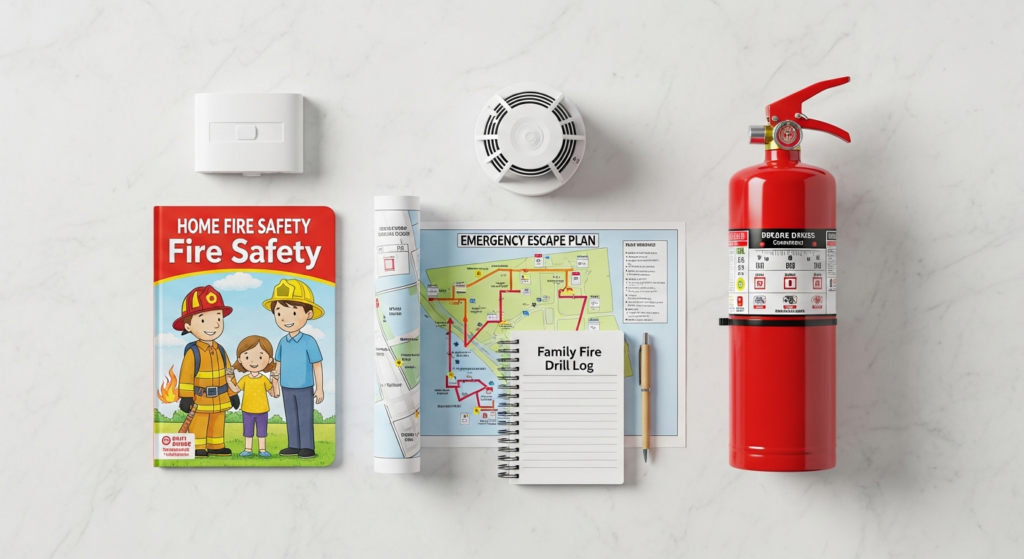
Protecting Your Home: Essential Fire Safety Tips and Prevention for Families
Understanding the Risks: Common Causes of Household Fires
Let’s delve deeper into these common sources:
- Cooking Equipment: Unattended cooking, especially frying with oil, is a prime offender. Grease fires can ignite rapidly and spread quickly. Other kitchen hazards include flammable materials (paper towels, curtains) too close to the stove, faulty appliances, and unsupervised children or pets around cooking areas. Data consistently shows that unattended cooking accounts for a significant percentage of reported home cooking fires and deaths.
- Heating Equipment: Space heaters, central heating systems, and fireplaces all pose risks. Portable space heaters, if placed too close to combustible materials like bedding, furniture, or curtains, can ignite them. Furnaces and boilers that aren’t regularly maintained can malfunction, leading to fires or carbon monoxide leaks. Fireplaces with uncleaned chimneys can accumulate creosote, a highly flammable byproduct of wood combustion, causing chimney fires.
- Electrical Malfunctions: Overloaded electrical outlets, faulty wiring, frayed appliance cords, and improper use of extension cords are significant fire hazards. Old or damaged electrical systems can overheat, sparking fires within walls or behind appliances. Using high-wattage appliances on circuits not designed to handle the load can also lead to electrical fires. The NFPA reports that electrical distribution and lighting equipment was involved in an estimated average of 34,000 home fires per year.
- Smoking Materials: Although less common than cooking fires, carelessly discarded cigarettes or ashes near flammable items like mattresses, upholstered furniture, or wastebaskets can smolder undetected for extended periods before bursting into flames, often with tragic consequences, especially if occupants are asleep.
- Candles: While offering ambiance, candles are an open flame that, if left unattended, placed too close to combustibles, or knocked over, can quickly become a fire source. Children and pets are often involved in incidents where candles are accidentally overturned.
- Children Playing with Fire: Matches, lighters, or other incendiary devices, if accessible to children, can lead to devastating fires. Curiosity and lack of understanding about fire’s dangers are potent combinations.
Practical Steps:
- Educate every family member, including children, about these common fire causes.
- Conduct a visual inspection of your home regularly, identifying potential hazards such as overloaded outlets, frayed cords, or excessive clutter.
- Regularly review and update your knowledge on fire statistics and prevention guidelines from reputable sources like the NFPA or your local fire department.
Early Detection is Key: Smoke Alarms and Carbon Monoxide Detectors

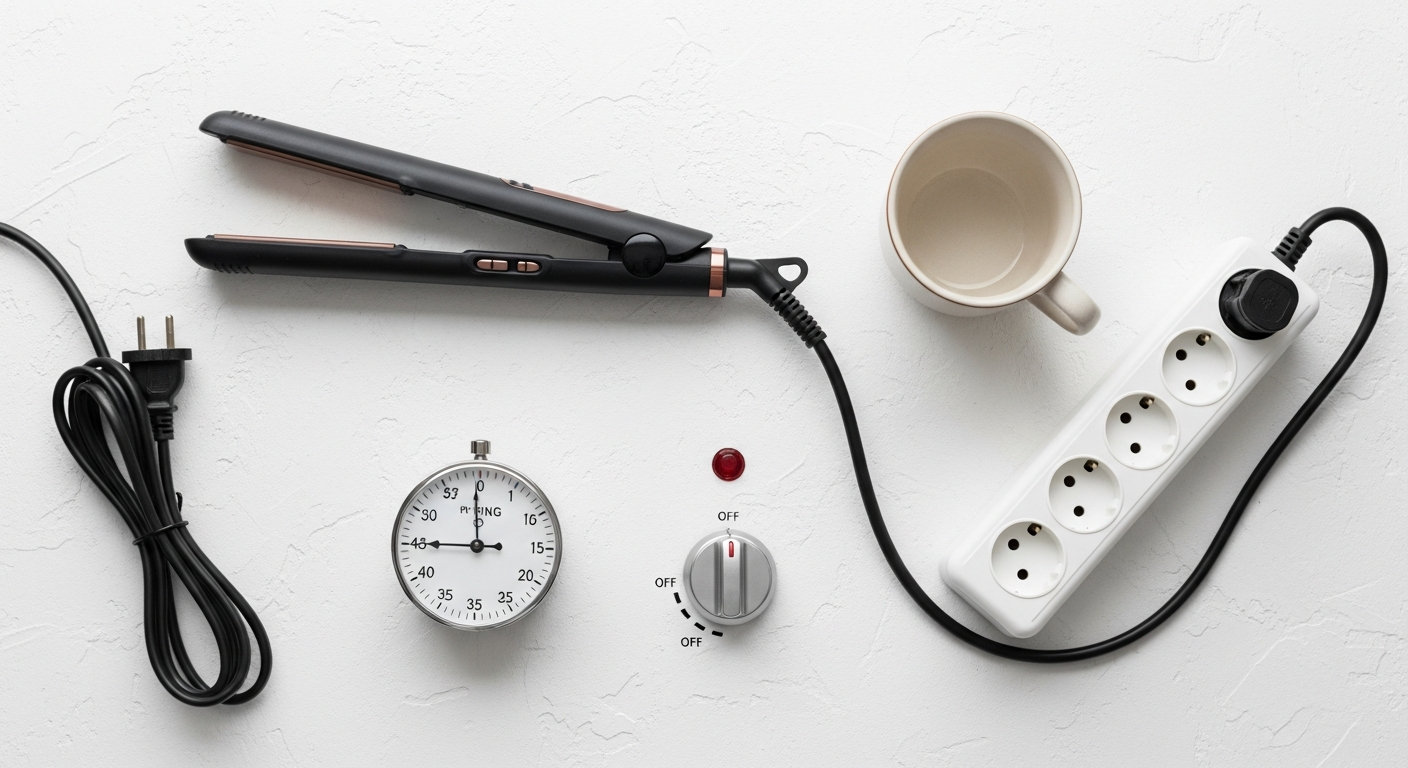
Even the most diligent prevention efforts can’t eliminate all risk. When a fire does occur, early detection is paramount to saving lives. Working smoke alarms significantly increase your chances of surviving a house fire, often providing the crucial minutes needed to escape. The NFPA estimates that three out of five home fire deaths result from fires in homes with no smoke alarms or no working smoke alarms.
Beyond fire, another silent killer often overlooked is carbon monoxide (CO). CO is an odorless, colorless gas produced by burning fuels (wood, oil, natural gas, propane, kerosene). Faulty furnaces, water heaters, gas ranges, or even clogged chimneys can produce dangerous levels of CO, leading to poisoning, severe illness, or death. A CO detector is just as vital as a smoke alarm.
Types and Placement:
- Smoke Alarms: There are two primary types:
- Ionization Smoke Alarms: More responsive to flaming fires with small combustion particles.
- Photoelectric Smoke Alarms: More responsive to smoldering fires that produce large combustion particles, such as those caused by cigarettes igniting bedding.
For best protection, consider installing both types or combination alarms that use both sensing technologies.
- Carbon Monoxide (CO) Detectors: Available as standalone units or combined with smoke alarms.
Where to Install:
- Smoke Alarms: Install smoke alarms on every level of your home, including the basement. Place them inside every sleeping room and outside each separate sleeping area. For added protection, consider installing them in living rooms, dining rooms, family rooms, and hallways. Mount them high on walls or ceilings; check manufacturer’s instructions for optimal placement.
- Carbon Monoxide Detectors: Install CO detectors on every level of your home and outside each separate sleeping area. Make sure they are placed where they will be heard by everyone in the home, especially those sleeping.
Practical Steps:
- Test Monthly: Push the test button on every smoke and CO alarm monthly to ensure they are working.
- Replace Batteries Annually: Even hardwired alarms usually have a backup battery. Change all alarm batteries at least once a year. A good reminder is to do it when you change your clocks for Daylight Saving Time.
- Replace Units Every 10 Years: Smoke alarms have a lifespan. Replace the entire smoke alarm unit every 10 years, or sooner if specified by the manufacturer. CO detectors typically need replacement every 5-7 years. Check the manufacture date on the back of the unit.
- Clean Alarms: Dust and insects can interfere with operation. Gently vacuum or wipe alarms to keep them clean.
- Consider Interconnected Alarms: If one alarm sounds, all alarms throughout the house will sound, providing earlier warning for everyone.
Crafting Your Escape Plan: Practice Makes Perfect
A fire can spread with frightening speed, often leaving only minutes for escape. Having a pre-planned and practiced fire escape route is non-negotiable for every family. Without one, panic can set in, leading to dangerous confusion. An effective escape plan ensures that everyone knows exactly what to do, where to go, and how to reunite safely outside the home.
Developing Your Family Fire Escape Plan:
- Draw a Floor Plan: Sit down with your family and draw a map of your home. Include all doors, windows, and potential escape routes from each room.
- Identify Two Ways Out of Every Room: For each room, identify a primary exit (usually the door) and a secondary exit (a window, if accessible and safe). Ensure windows aren’t painted shut and screens can be easily removed. If a window is too high for a safe jump, consider escape ladders for second-story rooms.
- Designate an Outside Meeting Place: Choose a specific, easily identifiable spot a safe distance from your home (e.g., a neighbor’s mailbox, a specific tree, the end of the driveway). This meeting place serves as a crucial point to account for everyone.
- Practice “Crawl Low”: Teach everyone that smoke rises. If smoke is present, they must crawl low to the floor where the air is clearer. Practice this during drills.
- “Stop, Drop, and Roll”: This vital technique is for when clothes catch fire. Practice it with your children so it becomes second nature.
- Know How to Open Doors Safely: Teach children to touch a closed door with the back of their hand. If it’s hot, fire is on the other side – do not open it. If it’s cool, brace your shoulder against it and open it slowly, ready to slam it shut if smoke or heat rushes in.
- Call 911 (or local emergency number) From Outside: Emphasize that once everyone is safely out and at the meeting place, someone (an adult or older child) should call the emergency services. Never re-enter a burning building for any reason.
- Assign Responsibilities: If you have young children or family members with mobility challenges, designate an adult or older child to assist them during an evacuation.
Practical Steps:
- Conduct Drills Regularly: Practice your fire escape plan at least twice a year, both during the day and at night. Make it unpredictable – sometimes one exit might be blocked, forcing use of the secondary route.
- Review and Update: As children grow, furniture moves, or if you move to a new home, review and update your plan.
- Involve Everyone: Ensure every family member, including babysitters or temporary guests, understands the plan.
- Discuss Special Needs: If a family member has a disability or special needs, incorporate specific strategies to ensure their safe evacuation.
Kitchen Safety: The Heart of the Home, A Hotbed of Potential Hazards
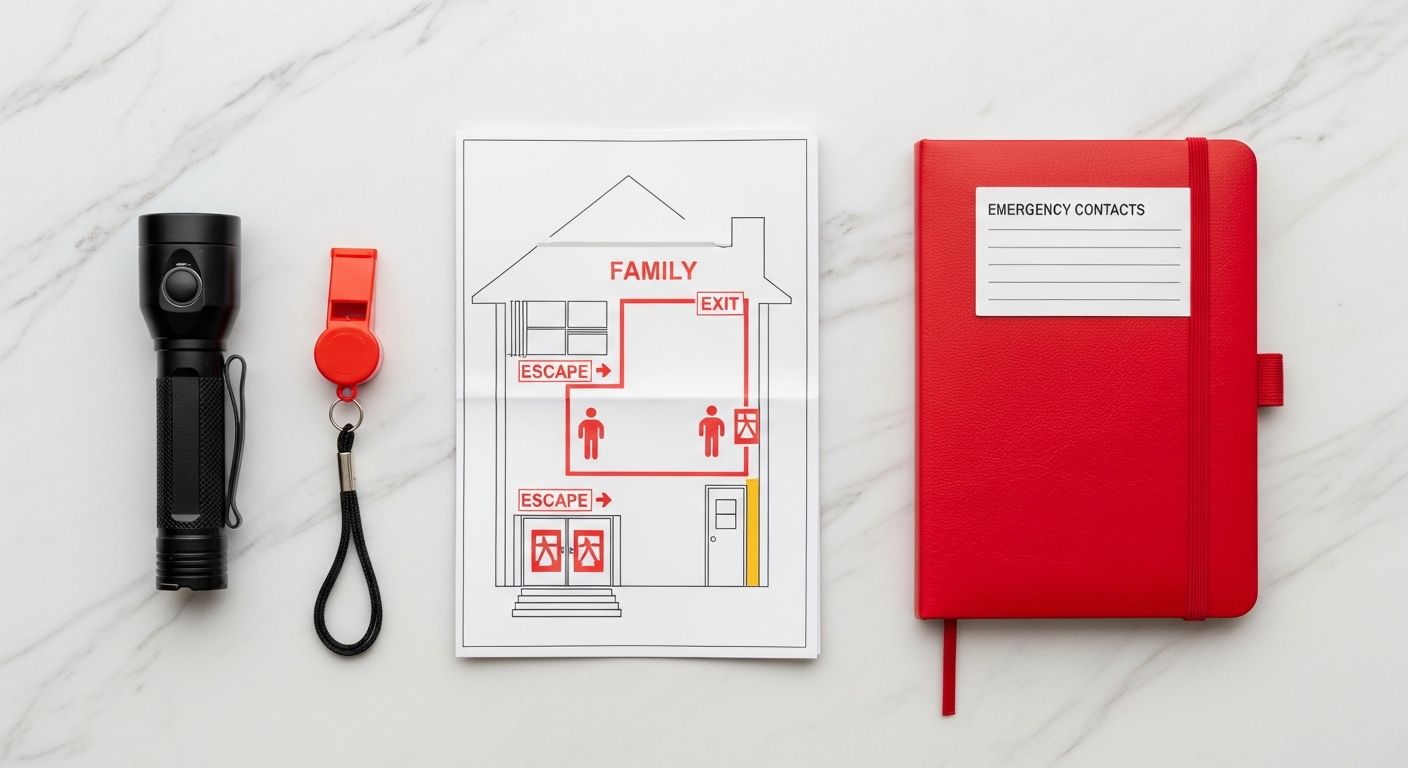
The kitchen, often the warm and bustling center of family life, is ironically the most common starting point for home fires. With open flames, high heat, electrical appliances, and flammable materials in close proximity, vigilance in the kitchen is paramount for effective fire safety tips for families.
Primary Kitchen Fire Hazards:
- Unattended Cooking: This is the biggest culprit. Leaving food cooking on the stovetop or in the oven, even for a short period, can result in a blaze if temperatures become too high or if flammable items are nearby.
- Grease Fires: When oil or grease gets too hot, it can ignite quickly. Water exacerbates grease fires, causing them to spread.
- Flammable Materials: Curtains, paper towels, dish towels, oven mitts, and food packaging left too close to stovetops, ovens, or toasters can easily catch fire.
- Loose Clothing: Loose-fitting sleeves can dangle over burners and catch fire.
- Faulty Appliances: Old or damaged kitchen appliances (toasters, microwaves, blenders) with frayed cords or internal electrical issues can spark fires.
Practical Steps:
- Stay in the Kitchen: When frying, grilling, or broiling food, always stay in the kitchen. If you must leave, even for a moment, turn off the stove. When simmering, baking, or roasting, check food regularly and use a timer.
- Clear the Cooking Area: Keep anything that can burn, such as oven mitts, wooden utensils, food packaging, towels, or curtains, at least three feet away from the stovetop, oven, and any other heat source.
- Turn Pot Handles Inward: This prevents accidental bumping and spills, especially important for families with young children or pets.
- Clean Regularly: A buildup of grease on stovetops, range hoods, and in ovens can fuel a fire. Clean these surfaces regularly.
- Microwave Safety: Never put metal, aluminum foil, or plastic containers not labeled “microwave safe” in the microwave. Clean spills immediately.
- Toaster/Toaster Oven Safety: Keep them clean of crumbs. Do not use them near flammable items. Unplug when not in use.
- Know How to Handle a Grease Fire:
- On the Stovetop: Smother the flames by sliding a lid over the pan. Turn off the heat. Do NOT use water, as it will cause the fire to spread rapidly.
- In the Oven: Keep the oven door closed and turn off the heat.
- If the Fire Persists or Spreads: Get everyone out, close the kitchen door if safe to do so, and call emergency services from outside.
- Install a Kitchen Fire Extinguisher: Keep an easily accessible ABC-rated fire extinguisher in the kitchen. Ensure an adult in the household knows how to use it (P.A.S.S. method: Pull, Aim, Squeeze, Sweep).
- Supervise Children and Pets: Establish a “kid-free zone” of at least three feet around the stove and oven.
Electrical & Heating Safety: Powering Your Home, Safely
Electrical and heating systems are essential for modern comfort but are also significant sources of home fires if not properly maintained or used. Understanding the risks and implementing preventive measures is crucial for comprehensive fire safety tips for families.
Electrical Safety:
Faulty wiring, overloaded circuits, and improper use of electrical devices contribute to thousands of fires annually. The electrical system in your home needs respect and regular checks.
Practical Steps:
- Avoid Overloading Outlets: Never plug too many appliances into one outlet or extension cord. Overloading can cause the circuit to overheat, leading to a fire. If you need more outlets, have a qualified electrician install new ones.
- Inspect Cords Regularly: Check electrical cords for fraying, cracks, or damage. Replace damaged cords immediately. Never run cords under rugs or furniture, as this can damage insulation and create a fire hazard.
- Use Extension Cords Safely: Extension cords are designed for temporary use, not as permanent wiring solutions. Ensure cords are rated for the power load of the appliances they are serving. Never “daisy-chain” extension cords.
- Unplug Appliances: Unplug small appliances like toasters, coffee makers, and hair dryers when not in use.
- Professional Electrical Inspections: If your home is older, or if you notice flickering lights, frequently tripped breakers, or warm outlets, have a qualified electrician inspect your wiring.
- Childproof Outlets: Use outlet covers to prevent children from inserting objects into electrical sockets.
- Arc-Fault Circuit Interrupters (AFCIs): Consider installing AFCIs in your electrical panel. These devices provide enhanced protection against arc faults, which are a common cause of electrical fires.
Heating Safety:
Heating equipment, including furnaces, space heaters, and fireplaces, is the second leading cause of home fires. Many of these fires are preventable with proper maintenance and careful use.
Practical Steps:
- Space Heater Safety:
- Keep a 3-foot clear zone around all portable space heaters, free of anything that can burn (curtains, bedding, furniture).
- Always place space heaters on a level, non-flammable surface.
- Never leave space heaters unattended or use them while sleeping. Turn them off when you leave the room or go to bed.
- Plug space heaters directly into a wall outlet, not an extension cord.
- Look for models with safety features like automatic shut-off if tipped over or overheated.
- Furnace and Boiler Maintenance: Have your heating system professionally inspected and serviced annually by a qualified technician. This ensures it’s operating safely and efficiently. Change furnace filters regularly.
- Fireplace and Chimney Safety:
- Have your chimney and vents professionally cleaned and inspected annually, especially before the heating season begins.
- Burn only dry, seasoned wood.
- Use a sturdy fireplace screen to prevent sparks from flying into the room.
- Never leave a fire in a fireplace unattended. Ensure it’s completely out before going to bed or leaving home.
- Dispose of ashes in a metal container with a tight-fitting lid, placed a safe distance from combustibles, not in a plastic trash can.
Outdoor & Flammable Materials Safety: Extending Protection Beyond Your Walls
Fire safety isn’t confined to the interior of your home; potential hazards exist outside as well. From grilling accidents to improper storage of flammable liquids, extending your vigilance beyond your walls is vital for comprehensive family protection.
Outdoor Grilling Safety:
Grills are a popular way to cook outdoors, but they can be fire hazards if not handled correctly. The NFPA reports that gas grills are involved in a higher number of fires than charcoal grills.
Practical Steps:
- Placement: Always use grills outdoors, away from the house, deck railings, and overhanging eaves or branches. Keep them at least 10 feet from any structure.
- Stability: Place the grill on a stable, level surface.
- Cleanliness: Clean your grill regularly, removing grease and fat buildup from the grates and trays.
- Supervision: Never leave a lit grill unattended.
- Propane Tanks: Check gas hoses for leaks before each use by brushing a soapy water solution over the hose. If bubbles appear, the hose has a leak. Turn off the gas and have the hose replaced. Store propane tanks outdoors, in an upright position, away from direct sunlight and heat.
- Charcoal Grills: Allow charcoal to cool completely before disposing of it. Use a metal container, not plastic, and douse with water.
- Keep Children and Pets Away: Establish a “no-go” zone around the grill.
Flammable Liquid Storage:
Many common household items, such as gasoline, paint thinners, and certain cleaning supplies, are highly flammable.
Practical Steps:
- Store in Approved Containers: Always store flammable liquids in their original, clearly labeled, approved safety containers.
- Proper Location: Store flammable liquids in a well-ventilated area, away from heat sources, direct sunlight, and ignition sources (like water heaters or furnaces). A detached shed or garage is often safer than inside the home.
- Quantity: Buy and store only the minimum quantity of flammable liquids you need.
- Keep Out of Reach: Ensure these items are stored securely out of reach of children and pets.
Yard and Property Maintenance:
Vegetation and debris around your home can act as fuel for wildfires or fires that start from other sources.
Practical Steps:
- Clear Combustibles: Keep your yard free of dry leaves, dead grass, pine needles, and other combustible debris, especially within 30 feet of your home.
- Maintain Landscaping: Trim trees and shrubs regularly, removing dead branches. Ensure tree branches are not overhanging or touching your roof.
- Fire Pits and Outdoor Fireplaces: Use them safely, far from structures and flammable materials. Always have a water source (hose or buckets) nearby, and ensure fires are completely extinguished before leaving.
What to Do in a Fire: Emergency Response and Aftermath
Despite all preventive efforts, a fire can still happen. Knowing how to react swiftly and correctly in an emergency is critical for the safety of your family. Panic is the enemy of survival; a well-rehearsed plan can save lives.
Immediate Emergency Response:
- Get Out Immediately: As soon as you hear a smoke alarm or detect a fire, everyone needs to get out of the house. Do not stop to gather belongings, pets (unless they are within immediate reach and safe to grab), or make phone calls. Every second counts.
- Stay Low and Crawl: If there’s smoke, crawl low to the floor where the air is cleaner. Smoke is toxic and can cause disorientation.
- Feel Doors for Heat: Before opening any door, touch it with the back of your hand. If it’s hot, fire is on the other side – do not open it. Find an alternative escape route. If it’s cool, brace yourself against it and open it slowly, ready to slam it shut if smoke or flames rush in.
- Close Doors Behind You: As you escape, close doors behind you. This helps to contain the fire and smoke, slowing its spread and protecting potential escape routes for others.
- Go to Your Designated Meeting Place: Once outside, proceed directly to your pre-determined outside meeting place. Do not go back inside for any reason.
- Call 911 (or Local Emergency Number) From Outside: Once everyone is safely accounted for at the meeting place, call the fire department from a cell phone or a neighbor’s house. Provide your address and explain the situation clearly.
- If Trapped:
- If you cannot escape a room, close the door and use towels or clothing to block smoke from entering under the door.
- Go to a window and open it (if safe), signal for help with a flashlight or by waving a brightly colored cloth.
- Stay by the window where firefighters can see you.
- “Stop, Drop, and Roll”: If your clothes catch fire, immediately stop what you’re doing, drop to the ground, cover your face with your hands, and roll over repeatedly to smother the flames.
After the Fire:
The aftermath of a fire is a traumatic and challenging time. It’s important to know what to expect and how to proceed safely.
- Wait for the All-Clear: Do not re-enter your home until the fire department says it is safe to do so. Even after the flames are out, hidden dangers like structural damage, live electrical wires, or toxic fumes can remain.
- Contact Your Insurance Company: As soon as possible, contact your homeowner’s or renter’s insurance company to report the damage and begin the claims process. Document everything with photos and videos if possible (once safe to re-enter).
- Secure Your Property: The fire department may board up windows or doors. If not, arrange for your home to be secured to prevent further damage or theft.
- Emotional Support: Fires are incredibly stressful events. Seek emotional support for yourself and your family. Resources like the Red Cross can provide immediate assistance and guidance.
- Review and Rebuild: Work with professionals for fire damage restoration and rebuilding. Review your fire safety plan and consider any adjustments based on the experience.
Practical Steps:
- Keep emergency numbers (fire department, poison control, doctor) easily accessible, both physically and in your phone.
- Have a fully charged cell phone or access to a working landline to call for help.
- Ensure that all family members know the specific steps to take in case of a fire, reinforcing the escape plan regularly.
Conclusion: Building a Culture of Safety
Protecting your home and family from the devastation of fire is an ongoing commitment, not a one-time task. From understanding common hazards and ensuring early detection with functional alarms to meticulously planning and practicing escape routes, every step you take contributes to a safer, more secure environment. Our comprehensive fire safety tips for families are designed not just to prevent incidents but to build resilience and preparedness within your household.
At Protect Families Protect Choices, we advocate for empowering families through information and proactive measures. By integrating these essential fire safety practices into your daily life, you cultivate a culture of safety that safeguards your loved ones and preserves the sanctuary of your home. Don’t wait until it’s too late – begin implementing these vital tips today. Your family’s well-being is the most precious thing you can protect, and a secure home environment is its cornerstone. Take action, stay vigilant, and ensure your family is prepared for any eventuality. For more resources on family advocacy and creating safe environments, explore our website.
Frequently Asked Questions
How often should I test my smoke alarms and carbon monoxide detectors?▾
What is the most common cause of household fires?▾
Should I go back into a burning house to rescue a pet or belongings?▾
Where should our family’s outside meeting place be for a fire escape plan?▾
What should I do if a grease fire starts on my stovetop?▾