
Understanding Reproductive Health: A Foundational Overview
Before delving into the state-by-state variations, it’s essential to establish a clear understanding of what is reproductive health. Far from being narrowly defined, reproductive health is a holistic concept encompassing the physical, mental, and social well-being in all matters relating to the reproductive system, its functions, and processes. It signifies that people are able to have a responsible, satisfying, and safe sex life and that they have the capability to reproduce and the freedom to decide if, when, and how often to do so. This includes a broad spectrum of services and rights, such as:
- Access to comprehensive sexual education.
- Availability of a wide range of safe, effective, affordable, and acceptable methods of family planning of their choice.
- Access to appropriate healthcare services that enable women to have a safe pregnancy and childbirth.
- Access to services for managing infertility.
- Prevention and treatment of sexually transmitted infections (STIs).
- Screening and treatment for reproductive cancers.
- Access to safe and legal abortion care.
- Support for parenting and adoption.
The concept of reproductive health rights, therefore, refers to the fundamental human rights of all individuals to make informed decisions about their reproductive lives free from discrimination, coercion, and violence. These rights are recognized by international human rights documents and are increasingly asserted as integral to personal liberty and equality. However, the interpretation and implementation of these rights vary dramatically within the United States, creating a patchwork of access that profoundly affects individuals’ ability to plan their families, manage their health, and pursue their life goals. Understanding this foundational definition is crucial for appreciating the profound impact of state-level policies on the lives of real people in 2026.
The Shifting Landscape of Reproductive Health Rights by State in 2026

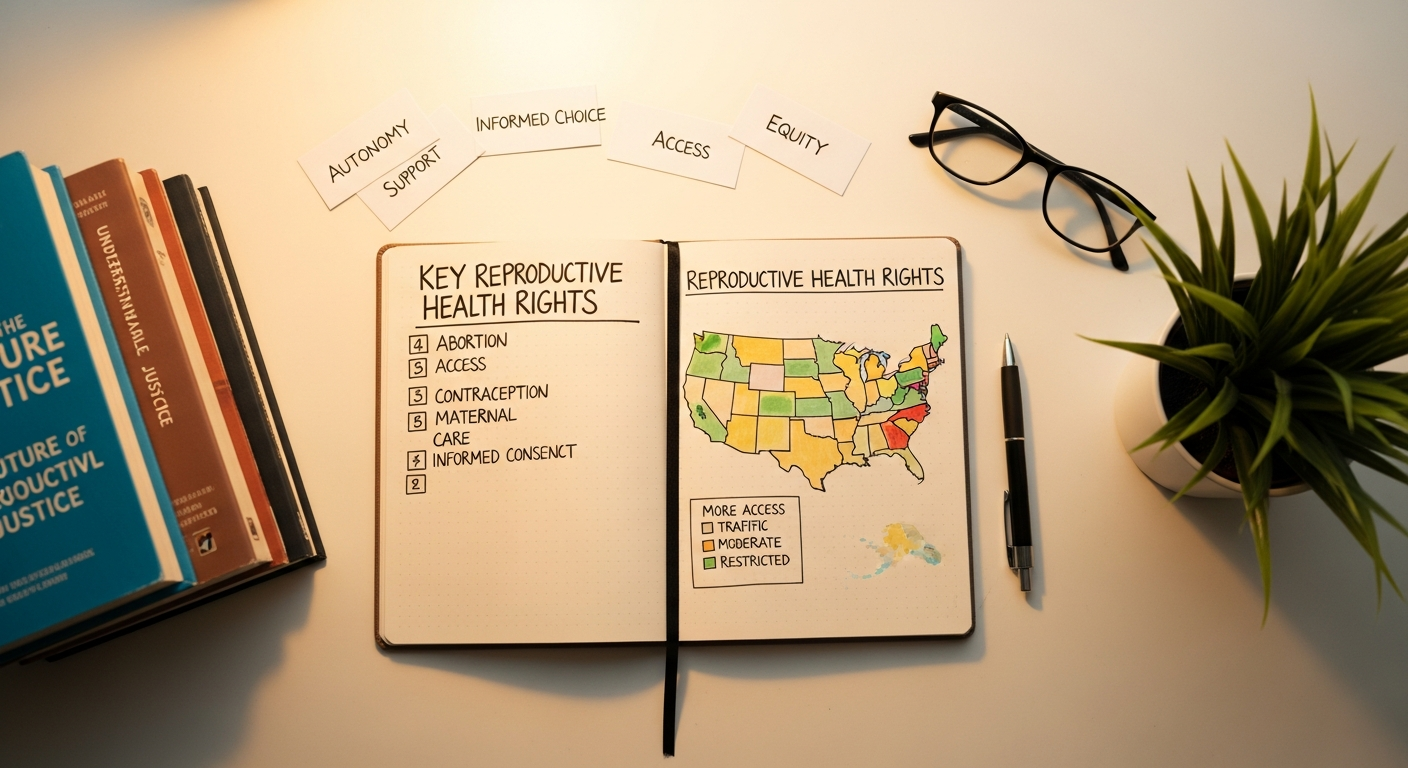
The year 2026 finds the United States in a deeply fractured state regarding reproductive health rights, following years of legal battles, legislative actions, and ballot initiatives. The landmark overturning of Roe v. Wade in 2022 fundamentally shifted the authority to regulate abortion—and by extension, other aspects of reproductive health—to individual states. This has resulted in a dynamic and often confusing environment where geographical location largely determines the scope of an individual’s reproductive freedoms. The phrase “reproductive health rights by state” has become a critical lens through which to view healthcare access.
In 2026, states generally fall into three broad categories, though many exhibit unique nuances:
- Protective States: These are states that have actively sought to codify and expand reproductive rights, including abortion access, often through state constitutional amendments, statutory laws, and executive orders. They typically aim to safeguard a broader range of reproductive healthcare services.
- Restrictive States: These states have enacted significant bans or severe restrictions on abortion, often extending to early gestational limits, outright prohibitions, or substantial procedural hurdles. In many of these states, access to other reproductive health services may also be curtailed through funding restrictions or regulatory burdens.
- Evolving States: A third category includes states where the legal landscape remains in flux, with ongoing court challenges, legislative debates, or pending ballot measures that could significantly alter access in the near future. These states often present a complex mix of existing protections and emerging restrictions.
The mechanisms by which states assert their positions are varied. Some have implemented “trigger laws” that went into effect immediately or shortly after the overturning of Roe, banning or severely restricting abortion. Others have seen their state supreme courts issue injunctions, temporarily blocking bans. Conversely, many protective states have passed proactive legislation to establish a right to abortion within their borders, or have even enshrined reproductive freedom in their state constitutions. The impact extends beyond abortion, influencing access to contraception, emergency contraception, and even the availability of certain fertility treatments or maternal care options.
For individuals, this means that interstate travel for healthcare has become a stark reality for many, particularly for those residing in restrictive states who must seek care in protective ones. This not only imposes significant financial and logistical burdens but also creates legal complexities regarding patient privacy and potential legal repercussions for those assisting individuals in accessing care across state lines. Understanding this fragmented legal topography is paramount for anyone navigating reproductive healthcare decisions in 2026.
States Championing Reproductive Freedom and Comprehensive Care
In these protective states, individuals typically benefit from:
- Codified Abortion Access: Many have enshrined the right to abortion in state law or constitutional amendments, providing stronger legal safeguards against future restrictions. This often includes protecting access up to viability or later, with exceptions for the life and health of the pregnant person.
- Expanded Contraception Access: These states often facilitate easy access to contraception, including over-the-counter options, extended-supply prescriptions, and mandatory insurance coverage without co-pays. This proactive approach aims to reduce unintended pregnancies and promote family planning.
- Comprehensive Sexual Education: A focus on medically accurate, age-appropriate, and inclusive sexual education is common, empowering young people with the knowledge to make informed decisions about their sexual health.
- Support for Diverse Family Planning Options: Beyond traditional family structures, these states are more likely to support a wide array of LGBTQ+ family planning options. This includes ensuring equitable access to fertility treatments, such as IVF and surrogacy, for same-sex couples and individuals, as well as robust legal frameworks for adoption regardless of sexual orientation or gender identity. They often include protections against discrimination in healthcare settings based on sexual orientation or gender identity, ensuring that all families can access the care they need to grow and thrive.
- Robust Maternal Healthcare: Investments in prenatal, perinatal, and postnatal care are often a priority, including initiatives to reduce maternal mortality rates and address health disparities.
- Preventative Care Emphasis: There is a strong emphasis on preventative health, including regular screenings and early detection. For example, these states often have robust programs and policies supporting Breast Health And Mammogram Guide recommendations, ensuring accessible and affordable mammograms for early detection of breast cancer, alongside other preventative screenings for cervical cancer and STIs.
The policies in these states demonstrate a recognition that reproductive freedom is integral to economic stability, gender equality, and public health. They often serve as models for how states can actively protect and expand healthcare access in a challenging national environment, offering a glimpse into a future where comprehensive reproductive care is a fundamental right for all residents.
Navigating Restrictions: States Limiting Reproductive Choices


In stark contrast to states championing reproductive freedom, many states in 2026 have implemented significant and often severe restrictions on reproductive choices, profoundly impacting the health and autonomy of their residents. These restrictions frequently target abortion access, but their ripple effects can extend to other areas of reproductive healthcare, creating significant barriers to care and exacerbating health disparities. Understanding the nature and impact of these limitations is crucial for individuals living in or traveling through these regions.
Common types of restrictions found in these states include:
- Near-Total Abortion Bans: Many states have enacted bans at very early stages of pregnancy (e.g., 6 weeks, often before a person knows they are pregnant) or near-total bans with extremely narrow exceptions (e.g., only to save the life of the pregnant person, often without exceptions for rape or incest).
- Gestational Limits: Even without outright bans, many states impose strict gestational limits on abortion, making it inaccessible after a certain point in pregnancy, often based on arbitrary rather than medical criteria.
- Mandatory Waiting Periods: These laws require a waiting period, typically 24-72 hours, between an initial consultation and the abortion procedure. This often necessitates multiple appointments and can be a significant burden, especially for those in rural areas or with limited resources.
- Parental Involvement Laws: Minors seeking abortion care are often required to obtain parental consent or judicial bypass, adding layers of complexity and potential danger for young people.
- Mandatory Ultrasounds and Counseling: Some states mandate that patients view an ultrasound and/or receive state-scripted counseling that may contain biased or medically inaccurate information designed to dissuade them from having an abortion.
- Targeted Regulation of Abortion Providers (TRAP) Laws: These regulations impose medically unnecessary and burdensome requirements on abortion clinics, such as mandating hospital admitting privileges for doctors or specific hallway widths, often leading to clinic closures and reduced access.
- Restrictions on Medication Abortion: Some states have attempted to ban or severely limit access to medication abortion, despite its safety and efficacy, or have imposed restrictions on telemedicine for abortion care.
- Funding Restrictions: Many restrictive states limit or prohibit public funding for reproductive health services, including contraception and preventative care, particularly if provided by organizations that also offer abortion services.
The impact of these restrictions is profound. They disproportionately affect low-income individuals, people of color, rural residents, and other marginalized communities who face greater challenges in traveling out of state, affording care, or navigating complex legal hurdles. These laws can also deter healthcare providers, leading to a shortage of reproductive healthcare services within the state. Furthermore, they can create a climate of fear and uncertainty, impacting not only abortion access but also broader discussions around contraception, miscarriage management, and even certain fertility treatments. For families and individuals in these states, navigating reproductive health often means facing significant logistical, financial, and emotional burdens, underscoring the vital need for advocacy and support.
Beyond Abortion Access: A Holistic View of Reproductive Healthcare
While much of the national conversation around reproductive rights understandably centers on abortion access, it is crucial for Protect Families Protect Choices to emphasize that reproductive healthcare encompasses a far broader array of services essential for individual and family well-being. A truly comprehensive approach to reproductive health recognizes the interconnectedness of various health services and advocates for unfettered access to all of them, regardless of state lines. In 2026, understanding this holistic view is more important than ever.
This broader perspective includes, but is not limited to:
- Contraception and Family Planning: Access to a full spectrum of birth control methods (pills, IUDs, implants, patches, rings, injections, emergency contraception) is fundamental. States vary widely in their requirements for insurance coverage, prescription necessity, and pharmacist dispensing authority. Restrictive policies here can have significant impacts on individuals’ ability to plan their families and avoid unintended pregnancies.
- Preventative Screenings and Early Detection: Regular screenings are vital for maintaining reproductive health. This includes annual wellness exams, Pap tests for cervical cancer, and STI screenings. A critical component of preventative care is Breast Health And Mammogram Guide. Regular mammograms are recommended for early detection of breast cancer, which significantly increases survival rates. Access to affordable mammograms and follow-up care can vary by state, influenced by insurance mandates, funding for public health programs, and the availability of specialized facilities. Our blog encourages all individuals to consult the latest guidelines for screenings and advocate for policies that ensure accessible and affordable preventative care for all.
- Fertility Services and Support: For many families, reproductive health includes the ability to conceive. Access to fertility treatments such as In Vitro Fertilization (IVF), intrauterine insemination (IUI), and other assisted reproductive technologies can be prohibitively expensive and may not be covered by insurance, depending on state mandates. Furthermore, legal protections for gestational carriers and intended parents in surrogacy arrangements vary significantly, impacting individuals and couples seeking to build their families through these means. This area is particularly relevant for LGBTQ+ family planning options, where fertility treatments and surrogacy are often essential pathways to parenthood.
- Prenatal, Perinatal, and Postnatal Care: Ensuring healthy pregnancies and births requires access to comprehensive care throughout the entire process. This includes regular check-ups, nutritional guidance, mental health support, and postpartum care. Maternal mortality and morbidity rates remain a significant concern in the U.S., with stark disparities by race and socioeconomic status. State policies on Medicaid expansion, insurance coverage for doula services, and support for birthing centers can critically impact outcomes.
- Management of Miscarriage and Ectopic Pregnancy: These common and often devastating experiences require prompt and sensitive medical care. Restrictive abortion laws can sometimes create confusion or delays in providing necessary treatment for these conditions, highlighting the interconnectedness of all reproductive healthcare services.
- Gender-Affirming Care: For transgender and gender non-conforming individuals, reproductive health also encompasses access to gender-affirming care, including hormone therapy and surgeries. State laws regarding insurance coverage, provider availability, and even outright bans on care for minors, significantly impact the health and well-being of these communities.
Advocating for reproductive freedom means advocating for robust access to all these services, recognizing that each component is vital for individuals to live healthy, autonomous lives and for families to thrive. Our commitment at Protect Families Protect Choices extends to ensuring that all aspects of reproductive health are accessible and protected for everyone, everywhere.
Empowering Families: Advocacy, Education, and Resources
In the complex and often challenging landscape of reproductive health rights by state in 2026, empowerment through advocacy, education, and access to reliable resources is paramount. Protect Families Protect Choices believes that every individual and family has the right to make informed decisions about their health and future, and part of that right is knowing how to navigate the system and where to find support. The fight for reproductive freedom is an ongoing effort that requires collective action and informed engagement.
How to Stay Informed and Engaged:
- Monitor State Legislation: Keep abreast of proposed bills, enacted laws, and ongoing court cases in your state and neighboring states. Websites of organizations like the Guttmacher Institute, Planned Parenthood, and the American Civil Liberties Union (ACLU) often provide up-to-date legislative trackers and analyses.
- Understand Your Rights: Familiarize yourself with the specific reproductive health laws in your state, particularly concerning abortion access, contraception, and parental consent. Knowledge is your strongest defense.
- Vote in Every Election: Local, state, and federal elections have profound impacts on reproductive rights. Research candidates’ stances on reproductive health and vote for those who align with protecting and expanding access to care.
- Support Advocacy Organizations: Donate, volunteer, or simply share information from organizations working on the front lines to protect and expand reproductive rights. These groups often provide legal aid, direct services, and public education.
- Engage in Local Activism: Attend rallies, contact your elected officials, write letters to the editor, or participate in peaceful protests. Your voice, combined with others, can create significant pressure for change.
- Talk to Your Community: Openly discuss reproductive health with friends, family, and community members. Reducing stigma and fostering understanding are crucial steps toward building broader support for reproductive freedom.
Finding Reliable Resources for Care:
When seeking reproductive healthcare, especially in restrictive environments, knowing where to turn for accurate information and direct services is critical:
- National Abortion Federation (NAF) Hotline: Provides confidential information, financial assistance, and referrals to abortion providers.
- Planned Parenthood: Offers a wide range of reproductive health services, including contraception, STI testing, cancer screenings, and abortion care, in many states. Their website can help you find a local clinic.
- Local Independent Clinics: Many independent clinics provide essential reproductive health services. Websites like AbortionFinder.org can help locate verified providers.
- Abortion Funds: These organizations provide financial assistance to individuals who cannot afford the cost of an abortion, and sometimes help with travel and lodging. The National Abortion Federation and the National Network of Abortion Funds (NNAF) are excellent resources.
- Online Resources for Contraception: Services like Nurx or SimpleHealth offer online prescriptions for birth control and emergency contraception delivered discreetly to your door, potentially bypassing some state-level pharmacy restrictions.
- Legal Aid Organizations: If you or someone you know faces legal challenges related to reproductive healthcare, organizations like the ACLU or local legal aid societies can provide assistance.
- Maternal and Child Health Programs: State and local health departments often offer programs for prenatal care, postpartum support, and breastfeeding resources.
At Protect Families Protect Choices, we remain steadfast in our mission to champion policies that protect comprehensive reproductive healthcare for all. By staying informed, advocating passionately, and utilizing available resources, we can collectively work towards a future where every family has the freedom and support to make their own choices about their health and their lives, regardless of where they reside in 2026.
The Future of Reproductive Rights: Protecting Choices for All Families
As we navigate the complexities of reproductive health rights by state in 2026 and look towards the horizon, the future of reproductive freedom remains a central concern for Protect Families Protect Choices. The current patchwork of laws creates an inequitable system where an individual’s zip code often dictates their fundamental rights and access to essential healthcare. This reality underscores the urgent need for continued advocacy, education, and unwavering commitment to protecting choices for all families, in every corner of the nation.
The path forward is multifaceted, requiring vigilance on several fronts:
- Legal Challenges and Protections: The legal landscape will continue to evolve, with ongoing court cases challenging existing bans and seeking to establish new protections. Supporting legal defense funds and organizations that litigate on behalf of reproductive rights is crucial.
- Legislative Action: While federal action to codify reproductive rights faces significant hurdles, state legislatures will remain pivotal. Advocates must continue to push for proactive legislation in protective states to expand access and resist efforts to further restrict care in others. This includes advocating for universal access to contraception, comprehensive sex education, and protection for healthcare providers.
- Ballot Initiatives: Direct democracy through ballot measures has proven to be a powerful tool in several states, allowing citizens to vote directly on constitutional amendments or statutory changes related to reproductive freedom. Expect more of these efforts to shape the future landscape.
- Healthcare Innovation and Access: The expansion of telehealth for reproductive health services, particularly for medication abortion and contraception, offers a critical avenue for increasing access, especially in rural and underserved areas. Efforts to protect and expand these innovative care models will be vital.
- Addressing Disparities: The fight for reproductive rights must continue to center on equity. Marginalized communities—including low-income individuals, people of color, Indigenous communities, immigrants, and LGBTQ+ individuals—disproportionately bear the brunt of restrictions. Advocacy must focus on dismantling systemic barriers and ensuring that comprehensive reproductive care is truly accessible to everyone, without exception. This includes advocating for policies that support LGBTQ+ family planning options and address disparities in maternal mortality and preventative care, such as ensuring equitable access to a Breast Health And Mammogram Guide for all populations.
- Public Education and Narrative Shift: Countering misinformation and fostering a broader understanding of what is reproductive health—as a fundamental aspect of overall well-being, economic stability, and human dignity—is an ongoing imperative. By framing reproductive freedom as a family value, we can build wider support.
At Protect Families Protect Choices, our mission is rooted in the belief that every person deserves the autonomy to make decisions about their body and their family without governmental interference. The vision for 2026 and beyond is one where comprehensive reproductive healthcare is a universally recognized and protected right, allowing all families to thrive on their own terms. We will continue to provide resources, analysis, and a platform for advocacy, working tirelessly to ensure that choices are protected, and families are empowered, regardless of where they call home.
Frequently Asked Questions
Recommended Resources
Related reading: Industrial Iot Applications (Mitsubishi Manufacturing).
Related reading: How To Reduce Screen Time Tips (Diaal News).