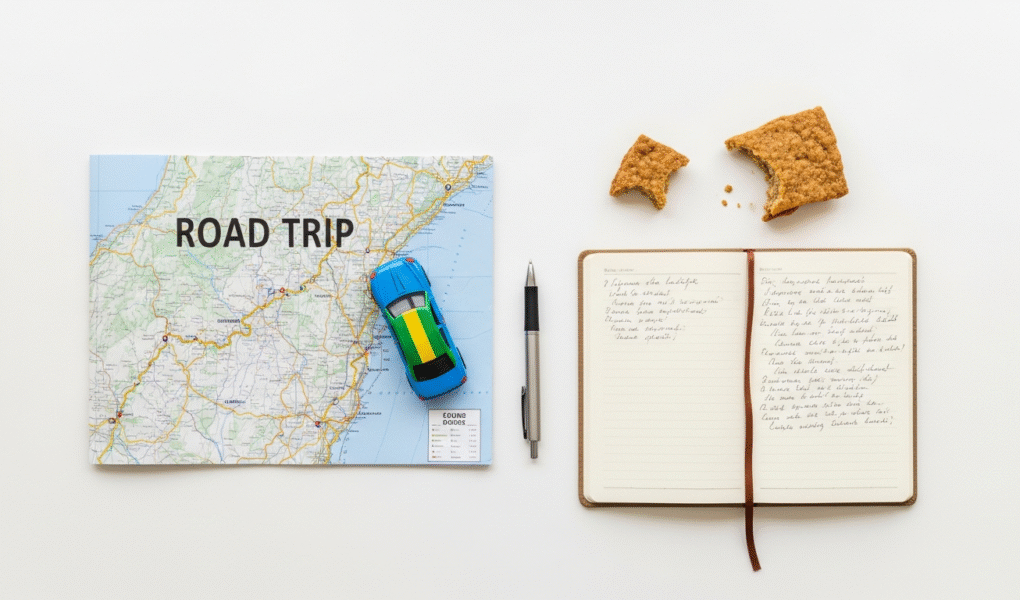
Road Trip with Kids in 2026: Your Ultimate Guide to Sanity, Smiles, and Stronger Family Bonds
The Art of Preparation: Before You Even Start the Engine
A successful road trip with kids isn’t about luck; it’s about preparation. Think of yourself as a seasoned explorer, mapping out your journey and equipping your crew. This foundational step can drastically reduce stress once you’re on the move.
- Vehicle Check-Up: Safety First! Before anything else, ensure your car is road-trip ready. Schedule a mechanic’s check for oil, tires, brakes, and fluids. Verify car seats are correctly installed and appropriate for each child’s age and size. A breakdown is stressful enough; a breakdown with an impatient toddler is a whole new level of challenge.
- Route Planning with Purpose:
- Breaks are Non-Negotiable: Young children, and even older ones, need to move their bodies. Plan stops every 2-3 hours for stretching, bathroom breaks, and a bit of fresh air. Look for rest stops with playgrounds or green spaces.
- Strategic Overnight Stays: If your trip is long, break it up. Research family-friendly hotels with pools or amenities that offer a change of pace. Consider Airbnb or VRBO for more space and kitchen access.
- Point Out Landmarks: Engage older kids by showing them the route on a map and pointing out interesting landmarks or attractions you’ll pass. This builds anticipation and a sense of shared adventure.
- Packing Smart: The Essentials and the “Emergency” Kit:
- Clothes: Pack comfortable, layered clothing. Include extra outfits for everyone (yes, even adults!) in a readily accessible bag for unexpected spills or accidents.
- Medications & First Aid: Don’t forget any prescription medications, and assemble a basic first-aid kit with band-aids, antiseptic wipes, pain relievers (for kids and adults), motion sickness remedies, and allergy medication.
- “Emergency” Bag: This is your lifesaver. Keep it within arm’s reach, stocked with wipes, hand sanitizer, a small roll of paper towels, plastic bags for trash or soiled items, a change of clothes for the littlest ones, and a few “surprise” toys or books.
- Comfort Items: Each child should have their special blanket, stuffed animal, or pillow for comfort and familiarity, especially for naps or overnight stays.
- Involve the Kids: Building Anticipation and Ownership: Let your children help with age-appropriate tasks.
- Toddlers/Preschoolers: Let them pick out a few favorite small toys or books for their personal “travel bag.”
- School-Aged Kids: They can help pack their own backpack with activities, choose audiobooks, or even assist with snack selection.
- Tweens/Teens: Empower them to research interesting stops, create a family playlist, or manage the navigation. This fosters a sense of responsibility and reduces complaints.
- Set Expectations (for Everyone): Have an honest chat with your kids about what the road trip will be like. Discuss long stretches in the car, the need for patience, and the fun you’ll have. Equally important, discuss expectations with your partner. Who’s responsible for snacks? Who’s navigating? Who’s handling the inevitable meltdown? A united front is key.
Entertainment & Engagement: Keeping Boredom at Bay (and Meltdowns Too!)
Boredom is the archenemy of a peaceful road trip. A well-planned entertainment strategy is your best defense. The goal isn’t just to keep them quiet, but to keep them engaged and stimulated in healthy ways.
- Strategic Screen Time: Balance is Key:
- Pre-Load Everything: Download movies, TV shows, and games before you leave, especially if you’re venturing into areas with spotty signal.
- Educational Apps & Games: Look for apps that are interactive and educational. There are many fantastic options available today that can make learning fun on the go.
- Set Limits: Don’t let screens be the only source of entertainment. Use them strategically – perhaps during the longest stretches of driving or when you desperately need a quiet moment. Communicate these limits beforehand.
- Headphones: Essential for multiple kids with different preferences, or for parents who need a break from “Baby Shark” on repeat.
- Screen-Free Fun: The Classics and Creative Twists:
- Audiobooks & Podcasts: A family favorite! Libraries often have free digital audiobooks. Choose age-appropriate stories or engaging kids’ podcasts. This encourages imagination and shared listening.
- Travel Games: “I Spy,” the license plate game, 20 Questions, “Would You Rather?” – these classics never get old.
- Car Bingo/Scavenger Hunts: Create or print out bingo cards with things to spot along the way (e.g., a red barn, a cow, a semi-truck).
- Sing-Alongs: Create a family playlist with everyone’s favorite songs. Singing together is a fantastic mood booster.
- Creative Activities & Busy Bags:
- Art Supplies: Crayola Color Wonder markers/paper (no mess!), sticker books, small sketchpads, and pencils.
- Busy Bags: Assemble small bags for each child with a rotating selection of new or rarely seen toys. Think small puzzles, LEGO sets (in a container), pipe cleaners, playdough (if you dare!), or card games. Introduce them one at a time to maximize their novelty.
- Journals: For older kids, a travel journal can be a wonderful way to document their experiences, draw what they see, or write about their thoughts.
- Age-Appropriate Engagement:
- Babies & Toddlers: Soft, chewable toys, board books, unbreakable mirrors, suction cup toys for windows, and lots of interaction with you (peek-a-boo, silly songs).
- Preschoolers: Picture books, simple puzzles, action figures, puppets, “read-aloud” storybooks.
- School-Aged Kids: Chapter books, trivia games, Mad Libs, more complex audiobooks, drawing challenges.
- Tweens & Teens: Music playlists, engaging podcasts, travel photography challenges, detailed travel journals, or even planning the next leg of the journey.
Fueling the Journey: Snacks, Meals, and Hydration
A hungry child is a grumpy child, and a dehydrated child is even worse. Strategic snacking and hydration are critical for maintaining good moods and energy levels throughout the trip.
- Healthy, Non-Messy Snacks are Your Best Friends:
- Fruits & Veggies: Sliced apples, grapes (cut for toddlers), carrot sticks, cucumber slices, bell pepper strips, banana chips.
- Proteins: Cheese sticks, hard-boiled eggs (peeled beforehand), turkey jerky, roasted chickpeas, individual hummus cups with pretzels.
- Carbs: Whole-grain crackers, pretzels, dry cereal, granola bars (check sugar content), rice cakes.
- Avoid: Sticky, crumbly, or overly sugary snacks that can lead to messes and sugar crashes.
- The Mighty Cooler: Invest in a good cooler or insulated bag.
- Drinks: Water bottles are paramount. Consider small juice boxes or milk boxes for occasional treats.
- Perishables: Yogurt tubes, string cheese, fruit, sandwich fixings.
- Ice Packs: Keep everything chilled.
- Minimizing Sugar Crashes: While a lollipop can be a great distraction for a moment, too much sugar can lead to hyperactive kids followed by inevitable meltdowns. Prioritize balanced snacks that offer sustained energy.
- “Treat” Strategy: Sometimes, a small, special treat (a mini chocolate bar, a small bag of chips) can be a powerful motivator or a welcome distraction during a particularly tough stretch. Use them sparingly and strategically.
- Hydration Reminders: Offer water frequently, especially if you’re driving in warm weather. Keep individual water bottles accessible to each child. Dehydration can cause headaches, fatigue, and irritability – all things you want to avoid.
- Picnic Power: Instead of relying solely on fast food, pack a picnic lunch to enjoy at a scenic rest stop or park. It’s often healthier, cheaper, and provides a much-needed break from the car environment.
Mastering the Meltdown: Handling Challenges on the Road
Let’s be realistic: even with the best planning, meltdowns happen. Kids get tired, frustrated, or simply overwhelmed. The key is to respond with calm, empathy, and a toolkit of strategies.
- Recognize Triggers: Often, meltdowns stem from basic needs: hunger, thirst, tiredness, or boredom. Do a quick check: “Are they hungry? Do they need to stretch? Have they been looking at a screen for too long?”
- Proactive Strategies are Your Best Defense:
- Scheduled Breaks: As mentioned, regular stops are essential. Let kids run around, jump, and get their wiggles out.
- Sensory Input: Sometimes kids need a change of sensory input. Open the windows for fresh air, put on some calming music, or offer a tactile toy.
- Anticipate Difficult Times: If you know a child struggles around naptime or after a long stretch, plan a break or a special distraction for that period.
- Coping Mechanisms in the Car:
- Empathy First: Acknowledge their feelings. “It sounds like you’re really frustrated right now. It’s hard to be in the car for so long.”
- Distraction: Often the simplest and most effective. “Hey, look at that giant truck!” or “Can you help me find all the yellow cars?”
- Deep Breaths: Teach kids simple deep breathing exercises. “Let’s take three big dragon breaths together.”
- Problem-Solving (for older kids): “What do you think would help you feel better right now?” Sometimes just giving them a voice helps.
- The “Time-Out” Approach (Pulling Over Safely): For significant meltdowns or sibling squabbles that escalate, sometimes the best solution is to pull over safely. Get out of the car, take a few minutes to reset, and talk through the issue away from the confines of the vehicle. This signals to everyone that the behavior is serious and requires a pause.
- Parental Self-Care: Don’t Forget Yourselves!
- Tag-Teaming: If two adults are present, take turns being “on duty” for the kids, allowing the other to rest, listen to a podcast, or simply enjoy some quiet.
- Manage Expectations: This isn’t a luxury spa trip. There will be noise, messes, and challenges. Embrace the imperfection.
- Patience is a Muscle: It gets stronger with practice. Remember your “why” – you’re building memories with your family.
Sleep & Schedules: Maintaining Routine (as much as possible)
While road trips inherently disrupt routine, maintaining some semblance of a sleep schedule can make a world of difference for everyone’s temperament. Well-rested kids are happier travelers.
- Travel During Sleep Times:
- Early Morning Departures: Waking up before dawn and hitting the road means kids might sleep for the first few hours, giving you a peaceful head start.
- Naptime Drives: Plan longer stretches of driving around your toddler’s nap schedule. Bring familiar blankets and pillows to create a cozy sleep environment in their car seat.
- Night Driving (with caution): For very long distances, some families opt to drive through the night while kids sleep. This requires at least two well-rested adult drivers and careful planning to ensure driver safety.
- Creating a “Sleep Environment” in the Car:
- Comfort Items: Encourage kids to bring their favorite blanket, pillow, or stuffed animal.
- Darkness & Quiet: Use window shades to block out light. Play soft, calming music or white noise if it helps.
- Comfortable Clothes: Dress kids in comfortable pajamas or sleep-friendly outfits if you’re planning to drive during their usual sleep hours.
- Adjusting to New Time Zones (Gradually): If your road trip crosses multiple time zones, try to adjust gradually. Shift bedtimes and mealtimes by 30-60 minutes each day leading up to the trip or upon arrival. Prioritize consistent sleep at your destination.
- Prioritize Sleep at Destinations: Even if the travel day was a bit off-schedule, try to get back on track with a solid bedtime routine once you reach your overnight stop. A good night’s sleep can reset everyone for the next day’s adventures.
- Flexibility is Key: While routines are helpful, remember that road trips are inherently flexible. If a nap is missed but everyone is still happy, don’t stress. Focus on the overall goal of getting enough rest.
Beyond Survival: Building Memories and Stronger Bonds
Ultimately, a family road trip is more than just getting from point A to point B. It’s an opportunity to connect, explore, and create stories that you’ll recount for years to come.
- Embrace the Unexpected: Some of the best memories come from unplanned detours or unexpected discoveries. That quirky roadside attraction, the impromptu picnic by a beautiful lake, or the friendly chat with a local – these moments are often the most memorable.
- Mindset Shift: Focus on the Journey, Not Just the Destination: The “getting there” part can be just as enriching as the “being there.” Point out interesting sights, discuss what you’re seeing, and encourage conversation.
- Family Conversations & Shared Experiences: Use the captive audience time wisely! Talk about dreams, tell silly stories, discuss current events, or simply enjoy quiet companionship. These shared hours in the car can foster deep connections.
- Photo Opportunities: Capture candid moments, silly faces, and scenic views. These photos become tangible memories of your adventure. Let the kids take pictures too!
- Post-Trip Reflection: Once you’re home, look at photos, talk about everyone’s favorite parts of the trip, and even discuss what you’d do differently next time. This reinforces the positive memories and helps prepare for future adventures.