


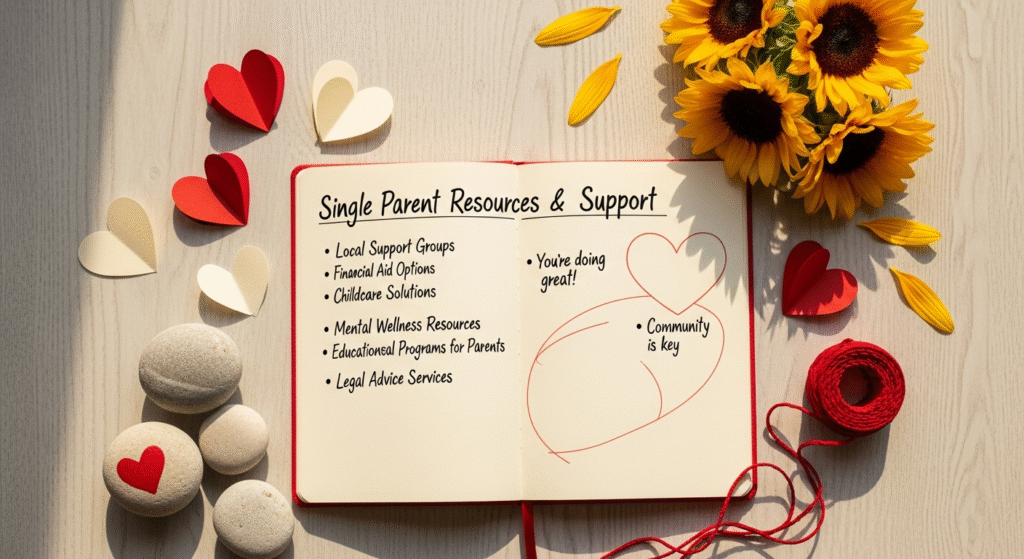
The Unique Strengths and Challenges of Single Parenthood
Single parenthood is a testament to incredible fortitude and adaptability. Those who embark on this journey often develop extraordinary multitasking skills, unwavering determination, and a profound bond with their children. They are often the sole provider, caregiver, disciplinarian, and emotional anchor, juggling myriad responsibilities with remarkable grace. This unique position fosters a deep sense of independence and self-reliance, not just in the parent but often in the children as well, who learn valuable lessons in resilience and collaboration from an early age. The strength exhibited by single-parent families is truly inspiring, and their capacity to overcome adversity is a powerful example for all.
However, alongside these immense strengths come significant challenges that can impact various facets of life. One of the most pervasive issues is financial strain. Managing a household on a single income, especially with rising costs of living, childcare, and healthcare, can lead to chronic stress. The pressure to provide for all of a child’s needs without a co-parent to share the burden can be immense, often limiting opportunities for career advancement or educational pursuits that might offer long-term stability.
Time management is another critical hurdle. With only one adult to handle school drop-offs and pickups, meal preparation, homework help, household chores, and professional responsibilities, personal time for rest, self-care, or social interaction often becomes a luxury. This constant juggling act can lead to exhaustion and burnout, impacting both mental and physical health. The emotional toll of being the primary decision-maker and emotional support system can also be heavy, leading to feelings of isolation or loneliness, particularly if external support networks are not robust.
Furthermore, single parents often face societal misconceptions or biases, which can add to the emotional burden. It is crucial to dispel these myths and foster an environment of understanding and support, recognizing that single-parent families are just as capable and loving as any other family structure. Understanding these unique dynamics is the first step toward identifying and accessing the specific single parent resources and support systems that can make a profound difference.
Financial Stability and Assistance Programs for Single Parents


Achieving financial stability is often the cornerstone of security for single-parent families. The good news is that numerous programs and resources exist to alleviate financial pressures, helping single parents provide for their children’s essential needs and plan for a more secure future. Navigating these options can be complex, but understanding the landscape is the first step toward harnessing vital single parent support.
Government Assistance Programs
- Temporary Assistance for Needy Families (TANF): This federal program, administered by states, provides cash assistance to families with children, helping them achieve self-sufficiency. Eligibility requirements vary by state, often including work or training components.
- Supplemental Nutrition Assistance Program (SNAP): Formerly known as food stamps, SNAP provides food benefits to low-income individuals and families, helping them purchase groceries. This program is critical for ensuring children receive nutritious meals.
- Housing Assistance: Programs like Section 8 (Housing Choice Vouchers) and Public Housing provide affordable, safe housing for low-income families. Waiting lists can be long, so applying early is advisable. Other state and local programs may offer emergency rental assistance or help with utility bills.
- Special Supplemental Nutrition Program for Women, Infants, and Children (WIC): WIC provides healthy food, nutrition education, and breastfeeding support to pregnant women, new mothers, and young children up to age five who are at nutritional risk. This is an invaluable single parent resource for early childhood health.
- Low Income Home Energy Assistance Program (LIHEAP): LIHEAP helps families with energy costs, including heating and cooling bills, and may also assist with weatherization and energy-related home repairs.
Child Support Enforcement
For single parents not receiving adequate child support, state Child Support Enforcement agencies can be a crucial resource. These agencies help locate absent parents, establish paternity, set up child support orders, and enforce existing orders through wage garnishment, tax refund interception, and other legal means. Ensuring consistent child support payments can significantly improve a family’s financial outlook and is a vital component of single parent support.
Tax Credits and Deductions
- Child Tax Credit (CTC): This federal tax credit provides significant relief to eligible families, reducing their tax liability. For 2026, the maximum credit per qualifying child is expected to remain substantial, offering considerable financial assistance.
- Earned Income Tax Credit (EITC): The EITC is a refundable tax credit for low to moderate-income working individuals and families. It can provide a substantial boost to a single parent’s annual income.
- Child and Dependent Care Credit: This credit helps offset the costs of childcare expenses, allowing single parents to work or pursue education.
Educational Funding and Scholarships
Many organizations offer scholarships and grants specifically for single parents pursuing higher education. Examples include the Pell Grant (federal), institutional grants, and scholarships from foundations like the Patsy Takemoto Mink Foundation or the Soroptimist Live Your Dream Awards. Advancing education can lead to better career opportunities and long-term financial stability, making these single parent resources invaluable for future planning.
Budgeting and Financial Literacy
Beyond direct assistance, developing strong financial literacy skills is empowering. Non-profit credit counseling agencies offer free or low-cost services, including budgeting advice, debt management plans, and credit repair assistance. Online resources and workshops can also provide guidance on saving, investing, and making informed financial decisions, equipping single parents with the tools to manage their money effectively and build a resilient financial foundation for their families.
Navigating Childcare and Educational Support Systems
Affordable Childcare Options
- Child Care Assistance Programs (CCAP): Most states offer subsidized childcare programs for low-income families. These programs help cover the cost of licensed childcare centers, family childcare homes, or approved in-home care providers, making quality care accessible. Eligibility varies by income, family size, and work/education status.
- Head Start and Early Head Start: These federal programs provide comprehensive early childhood education, health, nutrition, and parent involvement services to low-income children from birth to age five. Head Start focuses on preschoolers, while Early Head Start serves infants, toddlers, and pregnant women, offering invaluable developmental support and resources for single parents.
- YMCA and Boys & Girls Clubs: These community-based organizations often provide affordable after-school care, summer camps, and various enrichment programs for children and youth. They offer a safe and supervised environment with educational and recreational activities, often at a reduced cost for eligible families.
- Employer-Sponsored Childcare: Some employers offer on-site childcare, childcare subsidies, or flexible spending accounts (FSAs) for dependent care, which can provide significant tax advantages. It’s always worth inquiring about such benefits.
- Local Community and Faith-Based Organizations: Many churches, synagogues, mosques, and local community centers offer low-cost or free childcare programs, parent cooperatives, or babysitting exchanges. These can be excellent sources of single parent support and community connection.
Educational Support Systems for Children
- Public School Resources: Public schools offer a wealth of support, including free and reduced-price lunch programs, after-school tutoring, and clubs. Single parents should actively engage with their child’s school to understand all available offerings.
- Individualized Education Programs (IEPs) and 504 Plans: For children with special educational needs or disabilities, IEPs and 504 plans provide accommodations and specialized instruction. Single parents are crucial advocates in developing and implementing these plans, ensuring their child receives the necessary support to thrive academically. Information on navigating these processes is a critical single parent resource.
- Parent-Teacher Associations (PTAs) and Parent Advisory Councils: Participating in these groups can provide single parents with a voice in their child’s education, connect them with other parents, and offer insights into school policies and resources. Even with limited time, finding ways to engage can be beneficial.
- Online Learning Resources: The internet offers a vast array of free educational websites, apps, and tutoring services that can supplement classroom learning and provide additional support for homework and skill development.
- Libraries: Local libraries are often overlooked but are incredible single parent resources. They offer free books, educational programs, computer access, and sometimes even homework help or tutoring services, all without cost.
Successfully navigating these childcare and educational systems requires proactive engagement and an understanding of eligibility criteria. By leveraging these single parent resources, families can ensure children receive the care and education they need to flourish, while parents gain the capacity to manage their own responsibilities and pursue their goals.
Prioritizing Health and Well-being for Single Parents and Children
For single-parent families, maintaining optimal health and well-being is not just important; it’s foundational to stability and happiness. The demands of single parenthood can often lead to parents neglecting their own health, which in turn can impact their ability to care for their children. Protect Families Protect Choices emphasizes a holistic approach to health, encompassing physical, mental, and reproductive well-being for all family members. Accessing appropriate health-related single parent resources is a critical aspect of comprehensive single parent support.
Understanding What Is Reproductive Health
Reproductive health is a state of complete physical, mental, and social well-being in all matters relating to the reproductive system, not merely the absence of disease or infirmity. For single parents, understanding and prioritizing reproductive health is crucial for several reasons. It encompasses responsible sexual behavior, family planning (including contraception and fertility services), prevention and treatment of sexually transmitted infections (STIs), and care during pregnancy, childbirth, and the postnatal period. For single mothers, this includes access to regular gynecological check-ups, cervical cancer screenings, and safe abortion services if needed. For single fathers, it means understanding their role in family planning and accessing resources for STI prevention and general sexual health. Ensuring access to comprehensive reproductive health services empowers single parents to make informed decisions about their bodies and their future, which is paramount for their autonomy and overall well-being. Many community health clinics and Planned Parenthood centers offer sliding-scale fees or free services, making these vital single parent resources accessible regardless of income.
Breast Health And Mammogram Guide
Preventive care, particularly for breast health, is a non-negotiable aspect of a single parent’s well-being. Single mothers, in particular, often put their children’s needs before their own, sometimes delaying or skipping essential health screenings. However, early detection of breast cancer through regular screenings can be life-saving. A comprehensive Breast Health And Mammogram Guide typically recommends:
- Monthly Self-Exams: Becoming familiar with the normal look and feel of your breasts can help you detect any changes early.
- Clinical Breast Exams: Regular exams by a healthcare professional, usually part of an annual physical or gynecological check-up.
- Mammograms: For women over 40, annual mammograms are generally recommended. For those with a family history of breast cancer or other risk factors, screenings may begin earlier.
Many organizations, such as the National Breast Cancer Foundation and the American Cancer Society, offer resources for free or low-cost mammograms and diagnostic services. Your primary care physician or local health department can also guide you to affordable screening options. Prioritizing these screenings is an investment in your long-term health, ensuring you can continue to be there for your children for years to come.
Mental Health Support and Stress Management
The cumulative stress of single parenthood can significantly impact mental health. Feelings of isolation, anxiety, and depression are common. It is vital for single parents to acknowledge these challenges and seek support. Single parent resources for mental well-being include:
- Therapy and Counseling: Individual or group therapy can provide strategies for coping with stress, grief, and emotional burdens. Many therapists offer sliding scale fees, and community mental health centers often provide affordable services.
- Support Groups: Connecting with other single parents can be incredibly validating and provide a sense of community. Online forums and local meet-up groups offer opportunities to share experiences and advice.
- Stress Reduction Techniques: Incorporating mindfulness, meditation, regular exercise, and adequate sleep into daily routines can significantly improve mental resilience. Even short breaks for self-care, like reading or a quiet cup of tea, can make a difference.
- Crisis Hotlines: For immediate support during overwhelming moments, national and local crisis hotlines offer confidential help.
Children’s Health and Well-being
Ensuring children receive regular check-ups, immunizations, and access to dental and vision care is fundamental. Medicaid and the Children’s Health Insurance Program (CHIP) provide comprehensive, affordable health coverage for children in low-income families. Additionally, resources for children’s mental health, such as school counselors or child psychologists, are essential for addressing emotional or behavioral challenges that may arise. Fostering an open dialogue about feelings and providing a stable, loving environment are key components of their overall well-being.
By proactively addressing both parental and child health needs, single-parent families can build a stronger foundation for thriving. Utilizing the available single parent resources for health ensures that every family member has the opportunity to live a healthy, fulfilling life.
Building a Robust Support Network: Community and Legal Resources
No parent should navigate their journey alone, and for single parents, building a robust support network is not just beneficial, it’s often essential for long-term success and well-being. This network encompasses a diverse range of community organizations, peer groups, and legal assistance that collectively offer invaluable single parent support. Accessing these resources can provide both practical help and emotional resilience.
Community Organizations and Peer Support
- Parent Support Groups: Connecting with other single parents who understand the unique challenges and triumphs can be incredibly empowering. Many local community centers, YMCAs, churches, and online platforms host single parent support groups where members can share experiences, offer advice, and build lasting friendships. These groups provide a safe space to vent frustrations, celebrate successes, and gain practical tips.
- Faith-Based Organizations: Many religious institutions offer more than just spiritual guidance; they often provide community meals, clothing drives, childcare assistance, and mentorship programs for single-parent families. They can be a source of both material and emotional single parent resources.
- Local Libraries and Community Centers: These hubs often host free or low-cost workshops, family events, after-school programs, and resources for parents, fostering a sense of community and providing educational opportunities for children. They can also connect parents to other local single parent support networks.
- Online Communities and Social Media Groups: For parents with limited time for in-person meetings, online forums and private social media groups dedicated to single parents offer a convenient way to connect, ask questions, and receive virtual support from a global network of peers.
- Mentorship Programs: Some non-profits pair single parents with experienced mentors who can offer guidance, encouragement, and practical advice on navigating challenges.
Legal Assistance for Single Parents
Legal challenges, such as establishing paternity, securing child custody, or enforcing child support orders, can be daunting. Accessing legal single parent resources is crucial to protect parental rights and ensure children receive the support they are entitled to.
- Legal Aid Societies: These non-profit organizations provide free or low-cost legal services to individuals who cannot afford private attorneys. They often specialize in family law matters relevant to single parents, including custody disputes, child support enforcement, and domestic violence protection orders.
- Pro Bono Programs: Many bar associations and private law firms offer pro bono (free) legal services to those in need. Inquire with your local bar association for referrals.
- State Child Support Enforcement Agencies: As mentioned previously, these government agencies are instrumental in establishing and enforcing child support orders, providing legal backing without the need for a private attorney.
- Family Justice Centers: These centers offer comprehensive services for victims of domestic violence, sexual assault, and child abuse, often including legal assistance, counseling, and safety planning, which can be critical for single parents escaping abusive situations.
Inclusive Resources for LGBTQ+ Single Parents: LGBTQ Family Planning Options
It is imperative that single parent resources and support networks are inclusive of all family structures, including LGBTQ+ single parents. LGBTQ Family Planning Options have expanded significantly, and specialized resources are available to support these families. This includes:
- Legal Recognition and Rights: Ensuring legal recognition of parental rights, whether through adoption, donor conception, or surrogacy, is paramount. Organizations like the National Center for Lesbian Rights (NCLR) and Lambda Legal provide legal advocacy and resources for LGBTQ+ families regarding parentage, custody, and discrimination. They offer invaluable single parent support by helping navigate complex legal landscapes to secure parental rights for all parents, regardless of sexual orientation or gender identity.
- Fertility and Reproductive Services: LGBTQ+ individuals and couples exploring single parenthood through donor conception, IVF, or surrogacy require access to inclusive fertility clinics and agencies. Many clinics now explicitly welcome LGBTQ+ clients and offer tailored guidance on pathways to parenthood. Understanding What Is Reproductive Health in this context involves navigating donor selection, gestational carrier agreements, and ensuring legal parentage.
- Adoption and Foster Care Agencies: A growing number of adoption and foster care agencies are LGBTQ+ affirming and actively seek to place children with LGBTQ+ single parents. Organizations like the Human Rights Campaign (HRC) provide lists of LGBTQ+ friendly agencies and resources.
- LGBTQ+ Community Centers and Support Groups: These centers often host specific groups for LGBTQ+ parents, providing a unique space for shared experiences, community building, and access to culturally competent single parent resources. These groups foster a sense of belonging and provide affirmation within their specific community.
By actively seeking out and utilizing this diverse array of community and legal single parent resources, families can build a robust foundation of support, navigate challenges more effectively, and thrive within a network that understands and champions their journey. The landscape of support is continuously evolving, and staying informed about new initiatives and resources, particularly as we look towards 2026 and beyond, will be key to empowering single parents everywhere.
Empowering Single Parents for Long-Term Success and Advocacy
Beyond immediate needs, the long-term empowerment of single parents is crucial for creating sustainable stability and fostering generational success. This involves not only equipping them with skills for personal and professional growth but also encouraging their voices in advocating for policy changes that benefit all single-parent families. At Protect Families Protect Choices, we believe that empowering single parents means supporting their journey toward self-sufficiency, leadership, and positive societal impact.
Career Development and Educational Advancement
Investing in career development and further education can significantly improve a single parent’s earning potential and job security. Many single parent resources exist to support this growth:
- Job Training Programs: Government agencies (like the Department of Labor) and community colleges often offer free or low-cost vocational training in high-demand fields. These programs can lead to certifications or degrees that open doors to better-paying jobs.
- Resume Building and Interview Skills Workshops: Non-profit organizations and workforce development centers provide assistance with crafting compelling resumes, writing effective cover letters, and practicing interview techniques, all essential for securing employment.
- Mentorship in the Workplace: Seeking out mentors within one’s chosen field can provide invaluable guidance, networking opportunities, and insights into career advancement.
- Online Learning Platforms: Websites like Coursera, edX, and Khan Academy offer flexible, often free or affordable, courses and certifications that can enhance skills or lead to new career paths, accommodating the demanding schedules of single parents.
- Scholarships and Grants: As mentioned earlier, numerous scholarships are specifically designed for single parents returning to school or pursuing higher education. These financial aids can make educational goals attainable, leading to long-term career success and improved single parent support.
Building Personal Resilience and Self-Care
The journey of single parenthood demands immense resilience. Developing strong self-care practices and a robust personal support system is vital to prevent burnout and maintain mental and emotional health. This includes:
- Prioritizing Self-Care: Even small acts of self-care, like taking a walk, reading a book, or pursuing a hobby, can replenish energy. Recognizing that self-care is not selfish but essential for being an effective parent is a critical mindset shift.
- Setting Boundaries: Learning to say no to additional commitments when already overwhelmed is a powerful act of self-preservation.
- Developing a Personal Support Team: This can include trusted friends, family members, neighbors, or even a therapist. Having people to lean on, share responsibilities with, or simply talk to can significantly reduce feelings of isolation.
- Mindfulness and Stress Reduction: Practices like meditation, deep breathing exercises, and yoga can help manage stress and promote a sense of calm amidst chaos. Many free apps and online resources are available to guide these practices.
Advocacy for Policy Change
Single parents are uniquely positioned to advocate for policies that create a more equitable and supportive society for all families. Their lived experiences provide invaluable insights into the gaps and needs within current systems. Engaging in advocacy can take many forms:
- Contacting Legislators: Sharing personal stories and advocating for specific policies (e.g., affordable childcare, paid family leave, fair housing, increased Child Tax Credit for 2026) with local, state, and federal representatives can influence decision-making.
- Joining Advocacy Groups: Organizations dedicated to family advocacy often welcome single parents as active members, providing platforms to collectively voice concerns and push for systemic change.
- Community Organizing: Participating in local initiatives, town hall meetings, and public forums allows single parents to highlight the challenges they face and propose solutions directly to community leaders and policymakers.
- Educating Others: By sharing their stories and experiences, single parents can help dispel myths, reduce stigma, and build broader public understanding and support for single-parent families.
Empowering single parents means recognizing their inherent strength and providing them with the tools, resources, and platforms to not only succeed individually but also to contribute to a more just and supportive society for future generations. As we look towards 2026 and beyond, the collective voice of single parents will be instrumental in shaping policies that truly protect families and protect choices for everyone.
The journey of single parenthood, while often demanding, is also incredibly rewarding, filled with moments of profound love, resilience, and growth. At Protect Families Protect Choices, we firmly believe that no single parent should feel isolated or without options. From financial aid and childcare solutions to vital health resources—including comprehensive insights into What Is Reproductive Health and a crucial Breast Health And Mammogram Guide—and inclusive support for LGBTQ Family Planning Options, a robust network of single parent resources and support is available. By leveraging these tools, building strong community ties, prioritizing personal well-being, and embracing opportunities for long-term empowerment, single parents can navigate challenges with confidence and cultivate thriving environments for their children. We are committed to championing the rights and well-being of all families, ensuring that every single parent has the opportunity to succeed and provide a bright future for their loved ones.
Frequently Asked Questions
What are the most crucial financial resources for single parents?▾
How can single parents access affordable and quality childcare?▾
Why is reproductive health particularly important for single parents, and what services are available?▾
What kind of support is available for single parents concerning breast health and mammograms?▾
Are there specific resources or support networks for LGBTQ+ single parents, especially regarding family planning?▾
How can single parents build a strong personal and community support network?▾
Recommended Resources
Explore How To Be More Productive At Home for additional insights.
You might also enjoy What Is Additive Manufacturing from Mitsubishi Manufacturing.