
The Evolving Landscape of State Abortion Laws in 2026
The year 2026 looms as a pivotal point in the ongoing saga of reproductive rights in America, following the monumental Supreme Court decision that overturned Roe v. Wade. This ruling effectively dismantled nearly 50 years of federal protection for abortion rights, returning the authority to regulate or ban abortion entirely to individual states. Consequently, what constitutes legal abortion access has become a complex, patchwork system, varying dramatically from one state line to the next. This legal fragmentation creates immense confusion and significant barriers for individuals seeking care, fundamentally altering the calculus for families planning their futures.
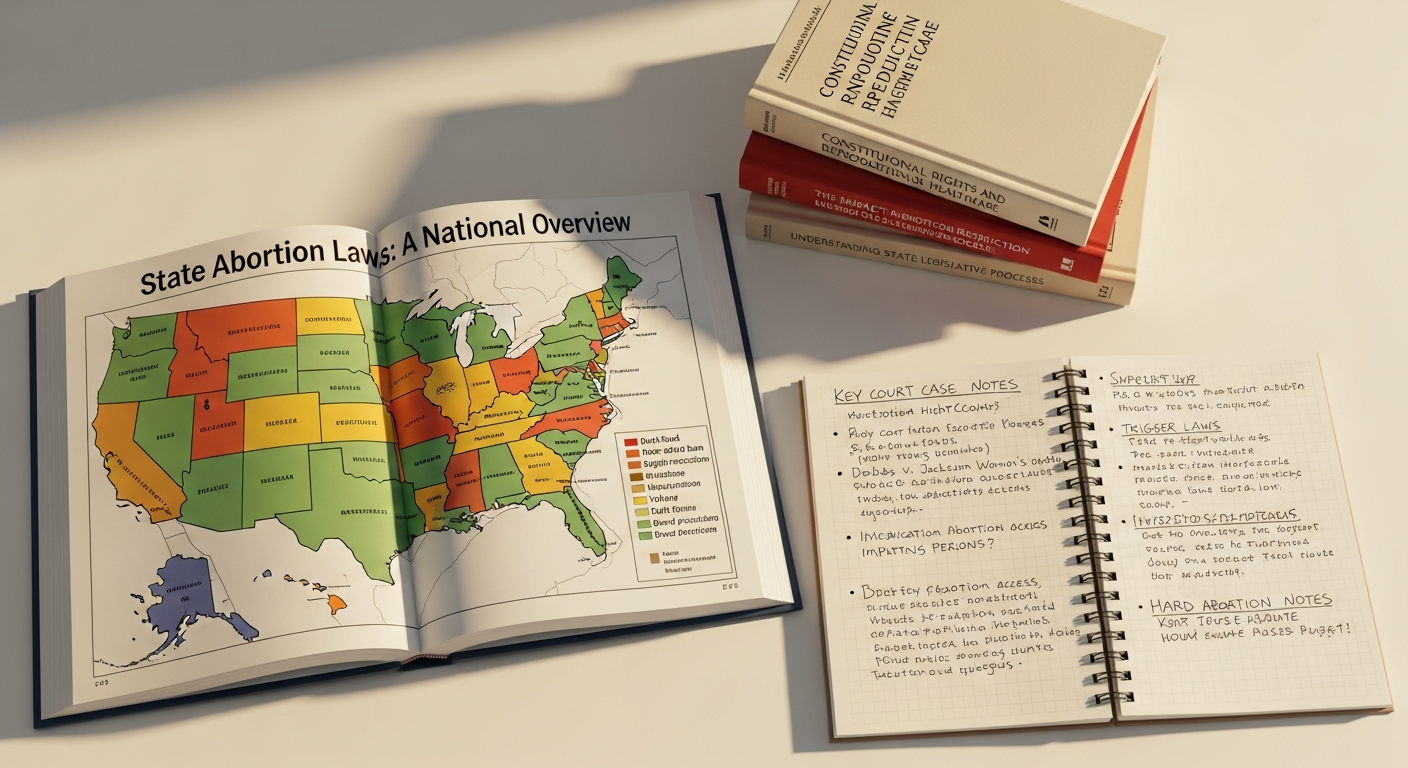
As we approach 2026, states are continuing to solidify their positions, either enacting stringent bans and restrictions or actively working to protect and expand abortion access. This dynamic environment means that the legal status of abortion is not static; it is subject to ongoing legislative debates, judicial challenges, and even voter initiatives. Understanding these shifts is paramount for anyone navigating the reproductive healthcare system or advocating for comprehensive family choices.
On one side, a significant number of states have moved swiftly to implement near-total bans or highly restrictive gestational limits. These laws often include very narrow exceptions, such as to save the pregnant person’s life, but rarely for rape or incest. Some states have enacted “trigger laws” that automatically went into effect upon the overturning of Roe, while others have passed new legislation or revived older, unenforced bans. These restrictive measures have led to the closure of clinics, a chilling effect on healthcare providers, and increased travel burdens for those seeking care, disproportionately affecting low-income individuals and communities of color.
Conversely, many states have taken proactive steps to safeguard and even expand abortion access. These “shield laws” aim to protect providers and patients traveling from out-of-state for care, while other legislative efforts have sought to enshrine abortion rights into state constitutions or statutes. These contrasting approaches highlight a deeply divided nation, where fundamental rights are determined by geography. The legal battles are far from over; injunctions, lawsuits, and appeals are constantly shaping the operational reality of these laws, making the legal environment fluid and often unpredictable for 2026 and beyond. The implications of these divergent legal paths extend beyond abortion itself, touching upon broader aspects of healthcare, economic stability, and individual autonomy, compelling every family to stay informed and engaged.
Understanding Reproductive Health: A Foundation for Informed Choices
Before delving deeper into the specifics of state abortion laws, it is essential to establish a clear understanding of What Is Reproductive Health. Reproductive health is a holistic concept, encompassing a state of complete physical, mental, and social well-being in all matters relating to the reproductive system, not merely the absence of disease or infirmity. It implies that people are able to have a responsible, satisfying, and safe sex life and that they have the capability to reproduce and the freedom to decide if, when, and how often to do so.
This comprehensive view of reproductive health includes a wide array of services and information, such as:
- Family planning and contraception, offering individuals the autonomy to control their reproductive lives.
- Maternal health care, ensuring safe pregnancies and childbirths.
- Prevention and treatment of sexually transmitted infections (STIs).
- Screening and treatment for reproductive cancers, including cervical and ovarian cancer.
- Infertility services.
- Comprehensive sex education.
- And, critically, abortion care as a component of the full spectrum of reproductive options.
When we discuss abortion laws, we are talking about one crucial facet of reproductive health. Restricting access to abortion does not eliminate the need for it; rather, it often pushes care underground or forces individuals to travel long distances, delaying care and increasing risks. This directly undermines the principles of comprehensive reproductive health, which prioritize access to all necessary services to ensure an individual’s well-being and autonomy.
Protecting families and promoting choices means ensuring that every individual has access to the full range of reproductive healthcare services, information, and support. This includes preventative care, educational resources, and the freedom to make personal decisions about one’s body and future without undue governmental interference. A robust reproductive health framework supports healthy individuals, strong families, and thriving communities, making it a cornerstone of public health and social equity. Without a broad understanding of reproductive health, the conversation around abortion laws often becomes narrow, failing to capture the true human impact and the interconnectedness of various health services.
Key Legislative Trends and Diverging Paths Across States
States Restricting and Banning Abortion
In numerous states, particularly in the South and Midwest, legislative bodies have moved to implement some of the most restrictive abortion laws seen in decades. These measures often include:
- Gestational Bans: Many states have enacted bans at various stages of pregnancy, ranging from six weeks (before many people know they are pregnant) to 15 or 20 weeks. These bans are typically based on the controversial concept of a fetal heartbeat, which medical experts often clarify is embryonic cardiac activity, not a fully developed heart.
- Near-Total Bans: A significant number of states have implemented laws that effectively ban abortion with very limited exceptions. These exceptions are often restricted to saving the life of the pregnant person, and rarely include cases of rape, incest, or severe fetal anomalies. The interpretation of “saving the life” can be narrow, creating confusion and fear among healthcare providers.
- Trigger Laws and Pre-Roe Bans: Following the overturning of Roe v. Wade, many states had “trigger laws” designed to automatically ban or severely restrict abortion. Additionally, some states have revived older, unenforced bans from before Roe, further complicating the legal landscape.
- Restrictions on Medication Abortion: Beyond surgical abortion, there is a growing trend of states attempting to restrict access to medication abortion, which accounts for more than half of all abortions in the U.S. These restrictions can include bans on telehealth prescriptions, requirements for in-person dispensing, or even attempts to ban the drugs entirely, despite their FDA approval and safety record.
- Criminalization of Providers and Patients: Some laws carry severe penalties, including felony charges, for healthcare providers who perform abortions in violation of state law. There are also concerns about the potential for criminalizing individuals who seek or aid in obtaining abortions.
States Protecting and Expanding Abortion Access
In stark contrast, many states, primarily on the East and West coasts and parts of the Midwest, have taken steps to codify or expand abortion rights. These proactive measures are designed to safeguard access for their residents and often for those traveling from states with bans:
- Codification of Rights: Several states have enshrined the right to abortion into their state constitutions or statutes, providing a stronger legal foundation against future legislative or judicial challenges.
- Shield Laws: To counter the impact of restrictive laws in other states, some protective states have enacted “shield laws.” These laws aim to protect healthcare providers who offer abortion care to out-of-state residents and to prevent their cooperation with legal investigations or extradition requests from states where abortion is banned.
- Expanded Access and Funding: Some states have expanded insurance coverage for abortion care, removed waiting periods, or increased funding for reproductive health services, including abortion.
- Voter Initiatives: In several states, citizens have directly voted to protect abortion rights through ballot measures, demonstrating strong public support for reproductive freedom even in politically diverse areas.
The ongoing legal challenges to these diverse state laws are constant. Courts are grappling with questions of constitutional interpretation, the scope of legislative power, and the practical implications for healthcare. For 2026, we can anticipate continued litigation, potentially leading to further shifts in what is permissible. This creates a deeply fragmented system where an individual’s access to care is largely determined by their zip code, leading to significant disparities in health outcomes and personal autonomy. The fight for consistent, equitable access to reproductive healthcare remains a central focus for Protect Families Protect Choices.
Impact on Families and Communities: Access, Equity, and Well-being

The diverging state abortion laws in 2026 have profound and multifaceted impacts on families and communities, extending far beyond the immediate act of abortion itself. These laws touch upon issues of healthcare access, economic stability, mental health, and social equity, creating a ripple effect across society.
Disparities in Access and Health Outcomes
The most immediate impact is the creation of vast disparities in access to care. Individuals residing in states with abortion bans or severe restrictions are often forced to travel hundreds, if not thousands, of miles to access legal care. This travel imposes significant burdens:
- Financial Strain: The costs associated with travel, accommodation, lost wages, and childcare can be prohibitive, especially for low-income individuals. This financial barrier often makes abortion inaccessible even if it is legally available out-of-state.
- Time Sensitivity: Abortion care is often time-sensitive. Delays caused by travel or difficulty securing appointments in overburdened clinics can push individuals past gestational limits in protective states, further narrowing their options.
- Geographic Barriers: Rural communities, regardless of state law, often face greater challenges in accessing reproductive healthcare due to fewer providers and longer travel times. This problem is exacerbated in states with bans.
- Health Risks: When legal access is limited, individuals may resort to unsafe methods, increasing the risk of complications and putting their health and lives in jeopardy.
These disparities disproportionately affect marginalized communities, including people of color, those in rural areas, individuals with disabilities, and LGBTQ+ individuals, who already face systemic barriers to healthcare. The erosion of abortion access deepens existing health inequities and contributes to poorer maternal and infant health outcomes in states with bans.
Economic and Social Consequences
The impact of restricted abortion access extends to economic and social well-being:
- Economic Instability: Being denied an abortion can have long-term negative economic consequences for individuals and families, increasing rates of poverty, reducing educational attainment, and limiting career advancement, particularly for women.
- Mental Health: The stress, anxiety, and trauma associated with navigating restrictive laws, being denied care, or being forced to carry an unwanted pregnancy to term can have significant detrimental effects on mental health and emotional well-being.
- Workforce Participation: Forcing individuals to carry unwanted pregnancies can disrupt education and career paths, impacting workforce participation and economic productivity.
- Family Planning and Well-being: The inability to plan one’s family effectively can strain existing family resources, affect the well-being of existing children, and limit parents’ ability to provide adequate care and support.
For Protect Families Protect Choices, these impacts underscore the urgency of advocating for policies that ensure equitable access to comprehensive reproductive healthcare. When individuals have the autonomy to make decisions about their bodies and futures, it strengthens families, promotes economic stability, and fosters healthier, more resilient communities. The current legal fragmentation threatens these fundamental pillars of well-being, demanding constant vigilance and advocacy.
Proactive Measures: Supporting Preventative Care and Education
While the focus on state abortion laws in 2026 is critical, it is equally important for Protect Families Protect Choices to advocate for and support proactive measures that enhance overall reproductive health, reduce unintended pregnancies, and ensure comprehensive well-being for all. A robust approach to family advocacy includes investing in preventative care, education, and accessible health services that empower individuals to make informed decisions throughout their lives.
Comprehensive Sex Education and Teen Pregnancy Prevention Programs
One of the most effective strategies for promoting reproductive health and reducing the need for abortion is through comprehensive sex education and robust Teen Pregnancy Prevention Programs. These programs are vital for several reasons:
- Empowering Youth: Age-appropriate, medically accurate, and inclusive sex education provides young people with the knowledge and skills to make healthy decisions about their bodies, relationships, and sexual health. It covers topics such as consent, contraception, STI prevention, and healthy communication.
- Reducing Unintended Pregnancies: Studies consistently show that comprehensive sex education and access to contraception lead to lower rates of unintended pregnancies and STIs among teenagers. By empowering teens with information and resources, we reduce the circumstances where abortion might be considered.
- Promoting Lifelong Health: These programs lay the foundation for a lifetime of healthy sexual and reproductive choices, fostering greater autonomy and well-being. They also help break cycles of misinformation and stigma.
Advocating for the funding and implementation of these evidence-based programs is a cornerstone of our mission to protect families and choices, as it addresses root causes and provides positive, empowering solutions.
Access to Contraception and Family Planning Services
Beyond education, readily accessible and affordable contraception is paramount. When individuals have reliable access to a full range of birth control options, they are better able to plan their families, space pregnancies, and prevent unintended conceptions. This includes:
- Access to various contraceptive methods, from pills and patches to IUDs and implants.
- Affordable pricing and insurance coverage for all methods.
- Availability of emergency contraception.
- Confidentiality in family planning services, especially for minors.
Restricting access to contraception, whether through cost barriers or legislative interference, directly undermines efforts to reduce abortion rates and infringes upon individual autonomy in family planning.
Broader Reproductive and Preventative Healthcare: Including Breast Health
A truly comprehensive approach to reproductive health extends beyond pregnancy and contraception to encompass a full spectrum of preventative care. This includes vital screenings and health maintenance for all individuals. For instance, a crucial component of holistic women’s health is understanding and prioritizing Breast Health And Mammogram Guide. Regular screenings and awareness are essential:
- Early Detection: Mammograms are crucial for the early detection of breast cancer, which significantly improves treatment outcomes and survival rates.
- Regular Screenings: Providing clear guidelines and access to regular mammograms based on age and risk factors is a fundamental aspect of preventative care.
- Education and Self-Awareness: Educating individuals about breast self-exams and the importance of professional screenings empowers them to take proactive steps for their health.
By integrating topics like breast health into the broader reproductive health conversation, we emphasize that reproductive autonomy is not just about abortion access, but about comprehensive care throughout a person’s life. When individuals feel supported in managing their overall health, including preventative screenings and family planning, they are better positioned to make informed choices about every aspect of their reproductive journey. Our advocacy for protecting families and choices inherently means advocating for a healthcare system that supports comprehensive, preventative care for everyone, at every stage of life.
Advocating for Family Well-being and Reproductive Freedom
In the face of complex and often challenging state abortion laws in 2026, active advocacy is not just important; it is essential for protecting family well-being and upholding reproductive freedom. Protect Families Protect Choices is committed to empowering individuals and communities to engage in meaningful action, ensuring that every voice contributes to a future where reproductive autonomy is respected and accessible for all.
Stay Informed and Engage with Legislation
The first step in effective advocacy is to stay informed. Understanding the specific laws and proposed legislation in your state and at the federal level is crucial. This includes:
- Monitoring Legislative Sessions: Keep track of bills being introduced, debated, and voted on in your state legislature related to abortion, contraception, and reproductive health.
- Following Court Cases: Many state laws are subject to ongoing legal challenges. Understanding the status of these cases provides insight into the current legal landscape.
- Consulting Reliable Sources: Rely on reputable organizations and news outlets for accurate, unbiased information regarding reproductive rights and healthcare policy.
Once informed, engage directly with the legislative process. Contact your elected officials—state representatives, senators, and governors—to share your views. Personal stories and well-reasoned arguments can have a significant impact on policymakers. Participate in public hearings, write letters to the editor, or join local advocacy groups to amplify your voice.
Support Organizations on the Front Lines
Numerous organizations are working tirelessly to protect and expand reproductive rights, provide direct services, and fight legal battles. Supporting these groups, whether through donations, volunteering, or sharing their messages, is a powerful form of advocacy. These organizations include:
- Reproductive Rights Advocacy Groups: Organizations dedicated to lobbying for legislative change and protecting legal access to abortion.
- Abortion Funds: Groups that provide financial assistance, travel support, and logistical help to individuals who need to travel for abortion care, directly mitigating the impact of restrictive state laws.
- Healthcare Providers: Clinics and healthcare networks that continue to offer essential reproductive health services, often under difficult circumstances.
Your support helps ensure that critical services remain available and that the fight for reproductive freedom continues on all fronts.
Voter Engagement and Civic Participation
Ultimately, the trajectory of state abortion laws in 2026 and beyond will be shaped by voters. Active civic participation is perhaps the most impactful form of advocacy:
- Register to Vote: Ensure you and your eligible family members are registered to vote.
- Vote in Every Election: Participate in local, state, and federal elections. Understand where candidates stand on reproductive rights and vote for those who align with your values. State legislative races, in particular, have a direct impact on state abortion laws.
- Support Ballot Initiatives: In states where citizens can directly vote on constitutional amendments or legislative measures, engage with and support ballot initiatives that protect reproductive freedom.
By exercising your democratic rights, you help elect leaders who will champion policies that protect families and uphold the fundamental right to make personal health decisions. Protect Families Protect Choices believes that collective action, informed engagement, and unwavering commitment are the keys to safeguarding reproductive freedom for current and future generations.
Looking Ahead: The Future of Reproductive Rights in America
As we navigate the complexities of state abortion laws in 2026, it is clear that the future of reproductive rights in America remains a contested and dynamic landscape. The overturning of Roe v. Wade did not settle the debate; instead, it intensified it, pushing the battle for reproductive freedom into state legislatures, courtrooms, and ballot boxes across the nation. For Protect Families Protect Choices, understanding this ongoing evolution is paramount to effective advocacy and support for families.
We can anticipate several key trends that will continue to shape the environment for reproductive rights:
- Continued Legal Challenges: State abortion bans and restrictions will likely face ongoing legal scrutiny. Courts will continue to interpret state constitutions and existing statutes, potentially leading to injunctions, reversals, or further clarifications of what is permissible. The legal landscape will remain fluid and subject to change based on judicial decisions.
- Increased Inter-State Conflicts: The divergence between states that ban abortion and those that protect it will likely lead to more “inter-state conflicts.” Shield laws, attempts to extradite providers, and challenges to accessing medication abortion across state lines will test the limits of state sovereignty and federal authority.
- Electoral Significance: Reproductive rights will remain a potent issue in state and federal elections. Voter turnout and the positions of candidates on abortion access will continue to play a crucial role in determining legislative outcomes and judicial appointments. Ballot initiatives, where available, will also continue to be a direct reflection of public will.
- Focus on Preventative Care and Support: While the legal battle over abortion access continues, there will also be a sustained focus on broader reproductive health initiatives. This includes advocating for expanded access to contraception, comprehensive sex education, and robust support systems for pregnant individuals and new parents. The aim is to create a society where every pregnancy is wanted and supported, and where every family has the resources they need to thrive.
- The Role of Technology: The increasing reliance on telehealth for medication abortion and the use of digital platforms for information and support will continue to evolve. This will present both opportunities for expanded access and challenges from states seeking to restrict these avenues.
The journey towards ensuring comprehensive reproductive freedom is a long-term commitment. It requires vigilance, education, and unwavering advocacy from individuals, communities, and organizations like Protect Families Protect Choices. Our goal is not merely to react to legislative changes but to proactively work towards a future where every individual has the autonomy to make personal decisions about their body, their health, and their family, free from political interference or systemic barriers. By staying informed, engaging in civic action, and supporting essential services, we can collectively strive for a 2026 and beyond where choices are protected, and families are empowered to thrive.
Frequently Asked Questions
Recommended Resources
You might also enjoy Industrial Iot Applications from Mitsubishi Manufacturing.
Check out Roth Ira Vs 401K Comparison 2026 on Diaal News for a deeper dive.