



Strengthening Your Partnership: A Guide to Marital Counseling and Relationship Health
It’s during these times, or even proactively, that professional guidance can be transformative. This comprehensive guide from Protect Families Protect Choices is dedicated to illuminating the path toward a healthier, more resilient partnership through the invaluable support of marital counseling. We will explore how accessing the right marital counseling resources can turn moments of struggle into opportunities for deeper connection, renewed understanding, and lasting love. Far from being a last resort, counseling is a powerful tool for growth, communication, and proactive relationship health, offering couples the strategies and insights needed to navigate complexities and build a truly thriving partnership.
The Foundation of a Thriving Partnership: Nurturing Connection Proactively
A strong, healthy partnership doesn’t happen by accident; it’s meticulously built and nurtured over time, much like a vibrant garden. It requires consistent attention, an understanding of what makes it flourish, and a commitment from both individuals to cultivate a shared space of trust, respect, and love. Before challenges escalate, understanding and practicing the core principles of relationship health can significantly bolster a couple’s resilience.
At the heart of any thriving partnership are several critical components:
- Effective Communication: This goes beyond merely talking; it involves truly listening to understand, expressing needs and feelings clearly without blame, and validating your partner’s experiences, even if you don’t fully agree. Active listening, empathetic responses, and the ability to articulate one’s inner world are paramount.
- Mutual Respect and Admiration: Acknowledging and valuing your partner’s individuality, their thoughts, feelings, and contributions, creates a bedrock of security. Regularly expressing admiration and appreciation reinforces their value in your shared life.
- Shared Values and Goals: While individual paths are important, having overarching shared values and alignment on significant life goals provides a sense of direction and purpose for the partnership. This doesn’t mean always agreeing on every detail, but understanding and respecting each other’s core beliefs.
- Emotional Intimacy: This is the depth of connection that allows both partners to feel safe enough to be vulnerable, share their deepest fears and desires, and experience profound emotional closeness. It involves trust, empathy, and consistent emotional support.
- Constructive Conflict Resolution: All couples experience conflict; it’s an inevitable part of sharing a life. What distinguishes strong relationships is not the absence of conflict, but the ability to navigate disagreements respectfully, seek understanding, and arrive at mutually agreeable solutions without resorting to damaging communication patterns.
Practical Steps for Proactive Relationship Care:
- Regular “Check-ins”: Schedule dedicated time each week to talk about more than just logistics. Discuss your feelings, what went well, what was challenging, and what you need from each other.
- Express Appreciation Daily: Make it a habit to verbally acknowledge something you appreciate about your partner, their actions, or their presence.
- Prioritize Shared Activities: Whether it’s a weekly date night, a shared hobby, or simply cooking dinner together, intentionally create opportunities for enjoyable connection and shared experiences.
- Understand & Practice Love Languages: Learn how you and your partner prefer to give and receive love (e.g., words of affirmation, quality time, receiving gifts, acts of service, physical touch). Tailoring your expressions of love to their “language” can significantly enhance their feeling of being loved and understood.
- Practice Empathy: Before reacting to a challenging situation, try to genuinely put yourself in your partner’s shoes and understand their perspective and feelings.
By proactively nurturing these aspects, couples build a robust foundation, making them better equipped to weather life’s inevitable storms and grow together rather than apart.
Recognizing the Signs: When to Consider Professional Help

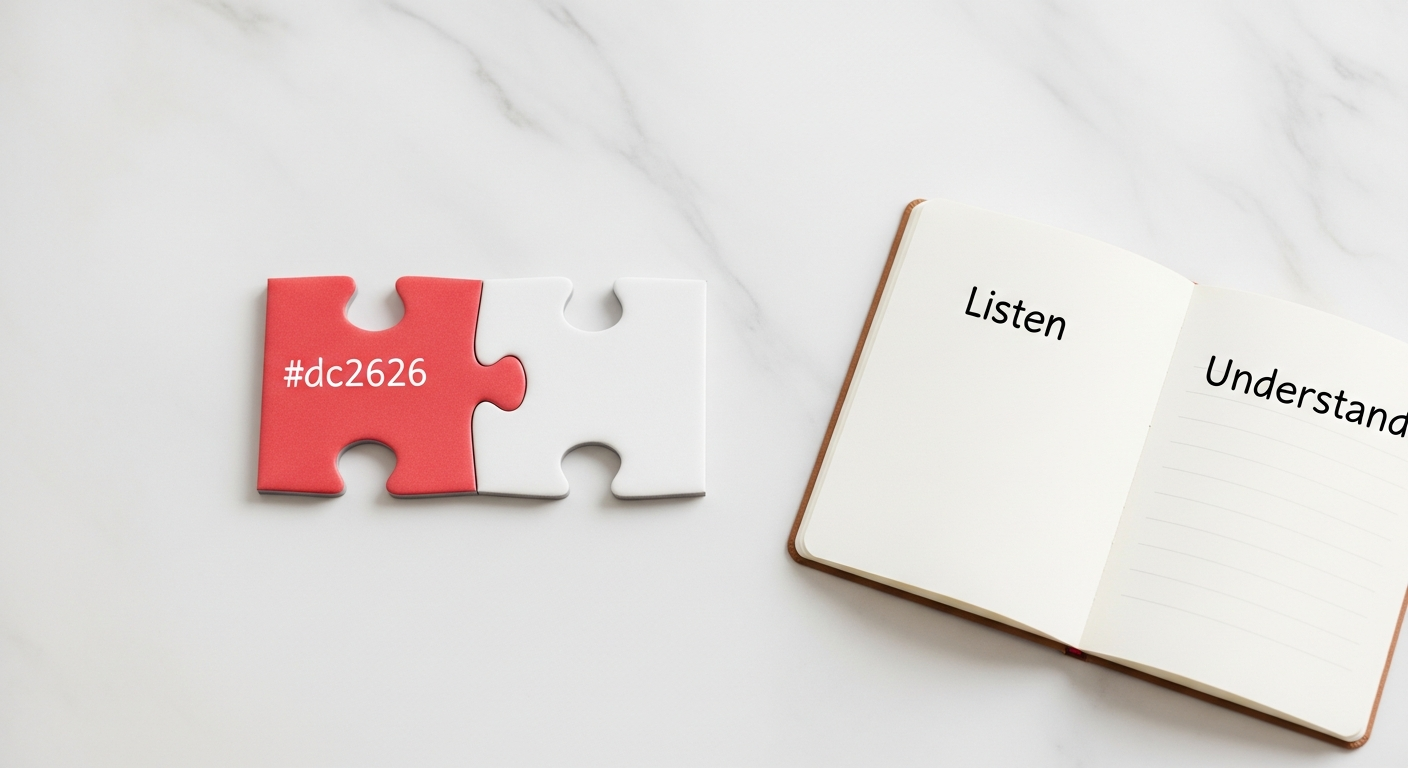
The decision to seek professional support often comes with a degree of hesitation or even stigma. However, just as we consult a doctor for physical ailments or a financial advisor for fiscal health, seeking expert guidance for relationship challenges is a sign of strength and a commitment to the well-being of your partnership. It’s crucial to understand that marital counseling isn’t solely for relationships on the brink of collapse; it’s an invaluable resource for prevention, growth, and enhancement at any stage.
Recognizing the warning signs early can be pivotal. Delaying intervention often allows negative patterns to become deeply entrenched, making them harder to unravel. Here are common indicators that suggest it might be beneficial to explore marital counseling resources:
- Persistent Negative Communication Patterns: This is perhaps the most common red flag. Are conversations frequently devolving into criticism, contempt (e.g., sarcasm, eye-rolling), defensiveness, or stonewalling (withdrawing from interaction)? Dr. John Gottman’s research famously identified these “Four Horsemen of the Apocalypse” as strong predictors of relationship distress and divorce.
- Growing Emotional Distance or Lack of Intimacy: Do you feel increasingly disconnected from your partner? Has physical or emotional intimacy diminished significantly? A noticeable “drift” where partners feel like roommates rather than lovers is a serious concern.
- Unresolved Conflicts That Resurface Repeatedly: Every couple has recurring disagreements, but if the same arguments happen over and over without resolution, leading to resentment and exhaustion, it indicates a need for new strategies.
- Major Life Transitions Causing Significant Stress: Events like the birth of a child, a career change, job loss, illness, bereavement, or moving can place immense stress on a partnership. If you’re struggling to navigate these changes together, a neutral third party can offer invaluable support.
- Feeling Stuck, Hopeless, or Chronically Unhappy: If one or both partners consistently feel unhappy, unheard, or trapped in the relationship, or if there’s a pervasive sense of hopelessness about the future of the partnership, it’s time to seek help.
- Difficulty Recovering from Infidelity or Betrayal: Trust is the bedrock of a relationship. While infidelity can be devastating, it doesn’t always have to be the end. Counseling provides a structured, safe environment to address the pain, rebuild trust (if possible), and decide on a path forward.
- Consideration of Separation or Divorce: If thoughts of ending the relationship are becoming frequent or one partner has explicitly mentioned it, counseling can help explore options, work through issues, or even facilitate a healthier separation process if that becomes the chosen path.
Practical Tip: Initiating the Conversation
Bringing up the idea of counseling can be daunting. Approach your partner with love and concern, focusing on the health of the relationship rather than blame. You might say, “I love us, and I want us to be our best. I’ve been feeling [disconnected/stressed/unhappy], and I believe that getting some outside perspective could really help us learn new ways to connect and overcome these challenges. Would you be open to exploring marital counseling resources with me?” Frame it as an investment in your shared future, not an indictment of past failures.
The Transformative Power of Marital Counseling
Marital counseling, often interchangeably called couples therapy, is a specialized form of psychotherapy designed to help couples understand and resolve conflicts and improve their relationship. It provides a safe, neutral space guided by a trained professional, allowing partners to explore their individual needs and shared goals, ultimately fostering stronger bonds and greater relational satisfaction. The benefits extend far beyond merely resolving disagreements.
Key Benefits of Engaging in Marital Counseling:
- Improved Communication Skills: Perhaps the most tangible benefit, counseling teaches couples how to speak and listen more effectively. Therapists often introduce techniques like “I” statements (e.g., “I feel neglected when…” instead of “You always neglect me”), reflective listening, and tools to de-escalate arguments. This leads to partners feeling truly heard and understood. For example, a couple struggling with finances might learn to discuss budgets calmly, understand each other’s anxieties about money, and collaborate on solutions rather than spiraling into blame.
- Deeper Understanding of Self and Partner: Counseling helps individuals gain insight into their own triggers, emotional patterns, and attachment styles, as well as those of their partner. Understanding why your partner reacts a certain way, perhaps due to past experiences or unmet needs, can foster empathy and reduce conflict. It often reveals underlying issues that manifest as surface-level arguments.
- Effective Conflict Resolution Strategies: Instead of avoiding conflict or engaging in destructive fighting, couples learn healthy ways to approach disagreements. This includes identifying core issues, finding common ground, compromising, and agreeing to disagree respectfully when necessary. The therapist acts as a mediator, ensuring both voices are heard and guiding the discussion toward constructive outcomes.
- Rebuilding Trust and Intimacy: For couples dealing with betrayal, such as infidelity, counseling offers a structured path to address the hurt, understand its origins, and work towards forgiveness and rebuilding trust. For those experiencing a decline in intimacy, therapy can help explore underlying causes (stress, resentment, communication issues) and provide strategies to rekindle emotional and physical closeness.
- Navigating Major Life Changes: Life is full of transitions – welcoming children, managing blended families, career shifts, empty nesting, retirement, or dealing with illness. Counseling provides a framework for couples to navigate these challenges as a united front, ensuring that stress doesn’t erode their connection but rather strengthens their ability to adapt together.
- Personal Growth for Both Partners: While focused on the relationship, therapy often catalyzes individual growth. Partners learn self-awareness, emotional regulation, and resilience, which not only benefits the relationship but also enriches their individual lives.
It’s important to dispel the myth that seeking counseling is a sign of failure. On the contrary, it’s a proactive, courageous step towards creating a more fulfilling and sustainable partnership. Research consistently supports the effectiveness of couples therapy; the American Association for Marriage and Family Therapy (AAMFT) reports that over 98% of clients surveyed found the services of an MFT to be good or excellent, and 93% stated they had more effective tools for dealing with problems after therapy. This data underscores that investing in professional support can yield profound and lasting positive change.
Navigating the Counseling Journey: What to Expect

Embarking on marital counseling can feel daunting, but understanding the process can alleviate anxieties and set realistic expectations. While approaches vary among therapists, there’s a general framework that most couples can anticipate.
The Typical Counseling Process:
- Initial Consultation and Assessment: The first few sessions are usually dedicated to assessment. The therapist will meet with both partners together, and sometimes individually, to understand the history of the relationship, current challenges, individual backgrounds, and what each person hopes to gain from therapy. This phase is crucial for the therapist to grasp the dynamics at play and for the couple to determine if the therapist is a good fit.
- Goal Setting: Based on the assessment, the therapist will collaborate with you to establish clear, measurable goals for therapy. These might include “improving communication during arguments,” “rebuilding trust after an infidelity,” or “increasing emotional intimacy.” Having specific goals helps track progress and keeps the therapy focused.
- The Therapist’s Role: Your therapist acts as a neutral facilitator, educator, and guide. They are not there to take sides, blame one partner, or tell you what to do. Instead, they provide a safe space, teach new skills, challenge unhelpful patterns, offer insights, and help you discover your own solutions. They will observe your interactions, identify underlying issues, and introduce evidence-based techniques.
- Session Structure: Sessions typically last 50-90 minutes and are held weekly or bi-weekly. While most sessions involve both partners, individual sessions may be scheduled occasionally if the therapist deems it beneficial for addressing specific individual issues that impact the relationship.
- Homework and Practice: Therapy isn’t just about what happens in the session. Most therapists will assign “homework” – practical exercises, communication techniques, or reflective activities to practice between sessions. This out-of-session work is vital for integrating new skills and patterns into daily life.
- Commitment and Active Participation: For counseling to be effective, both partners need to be committed to the process, willing to be open and honest, and prepared to look at their own contributions to the relationship dynamics. It requires effort, vulnerability, and a willingness to try new approaches, even when uncomfortable.
- Timeframe: The duration of counseling varies greatly depending on the severity and complexity of the issues, as well as the couple’s goals. Some couples may find resolution in a few months (e.g., 8-12 sessions), while others with deeper-seated problems might engage in therapy for a year or more. The therapist will regularly check in on progress and discuss the ongoing plan.
- Therapeutic Modalities: Therapists employ various approaches. Common effective models include:
- Emotionally Focused Therapy (EFT): Focuses on identifying and transforming negative emotional cycles and creating more secure attachment bonds.
- Gottman Method Couples Therapy: Based on extensive research, this approach aims to disarm conflicting verbal communication, increase intimacy, respect, and affection, and remove barriers that create a feeling of stagnancy.
- Cognitive Behavioral Therapy (CBT) for Couples: Helps couples identify and change negative thought patterns and behaviors that contribute to relationship problems.
Practical Tip: Be Open, Honest, and Patient
Going into counseling with an open mind and a willingness to engage fully is crucial. Don’t expect immediate miracles; profound change takes time and consistent effort. There might be challenging sessions where uncomfortable truths surface. Embrace these moments as opportunities for growth. Communicate openly with your therapist about your experiences in therapy, including what feels helpful and what doesn’t.
Choosing the Right Marital Counseling Resources and Therapist
The success of marital counseling hinges significantly on finding the right therapist – someone with whom both partners feel comfortable, respected, and understood. This choice is as important as the decision to seek help in the first place. Fortunately, there are many excellent marital counseling resources available to guide your search.
Key Factors to Consider When Selecting a Therapist:
- Credentials and Specialization:
- Licensed Marriage and Family Therapists (LMFTs): These professionals have specialized training and licensure specifically in couples and family therapy. Their entire educational and clinical focus is on relational dynamics.
- Licensed Professional Counselors (LPCs), Psychologists (Ph.D. or Psy.D.), and Licensed Clinical Social Workers (LCSWs): Many of these mental health professionals also have extensive experience and specialized training in couples therapy.
- Specialization: Look for therapists with experience in the specific issues you’re facing (e.g., infidelity, trauma, blended families, communication breakdown, grief, addiction). Ask about their primary therapeutic approaches (e.g., EFT, Gottman Method).
- Therapeutic Approach: As discussed, different therapists utilize different models. While you don’t need to be an expert, understanding a therapist’s general philosophy can help ensure it aligns with your preferences. Some prefer highly structured, skill-based approaches, while others favor more explorative, insight-oriented work.
- Compatibility and “Fit”: This is largely subjective but incredibly important. You and your partner should feel a sense of trust, safety, and rapport with the therapist. Do they seem empathetic, non-judgmental, and fair? Do their personalities and communication styles resonate with both of you? A good therapist fosters an environment where both partners feel equally heard and valued.
- Logistics:
- Location and Availability: Convenience is key to consistent attendance. Consider whether in-person or online therapy best suits your schedule and preferences.
- Fees and Insurance Coverage: Therapy costs can vary widely. Inquire about the therapist’s fees per session, sliding scale options (reduced fees based on income), and whether they accept your insurance or provide superbills for reimbursement.
- Diversity and Cultural Competence: If your family has specific cultural, religious, or LGBTQ+ identities, consider a therapist who has experience and training in cultural competence to ensure they understand and respect your unique context.
Valuable Marital Counseling Resources for Finding a Therapist:
- Professional Organizations:
- American Association for Marriage and Family Therapy (AAMFT): Offers a “Therapist Locator” tool specifically for LMFTs.
- American Psychological Association (APA): Provides a “Psychologist Locator” for licensed psychologists.
- GoodTherapy.org and Psychology Today: These online directories allow you to search for therapists by location, specialty, insurance, and other filters. They often include detailed profiles with photos, videos, and descriptions of their approach.
- Referrals: Ask trusted friends, family members, doctors, or spiritual advisors if they have recommendations. Personal referrals can provide valuable insight into a therapist’s effectiveness and style.
- Employee Assistance Programs (EAPs): Check if your employer offers an EAP. These programs often provide a limited number of free counseling sessions or referrals to therapists.
- Online Therapy Platforms: Services like BetterHelp, Talkspace, and Regain (specializing in couples counseling) connect you with licensed therapists via video, phone, or text, offering flexibility and accessibility.
Practical Tip: Interview Multiple Therapists
Don’t feel obligated to commit to the first therapist you contact. It’s perfectly acceptable, and even advisable, to schedule initial consultations (often free or reduced-fee) with a few different therapists. Use this opportunity to ask about their experience with couples, their therapeutic philosophy, what a typical session looks like, and how they measure success. Pay attention to how you and your partner feel during these initial conversations – your gut feeling is often a reliable guide.
Sustaining Relationship Health: Long-Term Strategies Beyond Therapy
Marital counseling is a powerful catalyst for change and growth, but it’s not a permanent solution in itself. Think of it as a comprehensive training program that equips you with the knowledge, skills, and tools necessary to maintain and enhance your relationship’s health long after the sessions conclude. Sustaining the gains made in therapy requires ongoing commitment and the intentional application of learned strategies in daily life.
Long-Term Strategies for a Thriving Partnership:
- Continue Practicing Learned Skills: The communication techniques, conflict resolution strategies, and empathy-building exercises learned in therapy must become habitual. Regularly revisit the concepts and actively apply them, especially during stressful times. Just like physical fitness, relationship skills need consistent practice to stay sharp.
- Regular “Maintenance” Check-ins: Adopt a practice of regular, intentional conversations about the state of your relationship. This could be a weekly “state of the union” talk or a monthly “relationship review” where you discuss what’s working well, areas for improvement, and any emerging concerns. This prevents small issues from snowballing.
- Prioritize “Relationship Deposits”: Actively make deposits into your “emotional bank account” with your partner. This means consistently engaging in positive interactions – expressing affection, appreciation, humor, and shared experiences – to outweigh the inevitable negative interactions. Dr. Gottman’s research suggests a 5:1 positive-to-negative interaction ratio for stable relationships.
- Nurture Individual Growth and Self-Care: A healthy relationship is comprised of two healthy individuals. Continue to pursue personal interests, maintain friendships, and engage in self-care activities. Individual therapy can also be a valuable resource for ongoing personal development, addressing individual patterns that might impact the relationship.
- Create Shared Dreams and Goals: Beyond daily life, keep dreaming and planning together. Whether it’s a vacation, a home improvement project, or future life stages, having shared aspirations keeps your partnership forward-looking and united.
- Cultivate a “Culture of Appreciation”: Make gratitude a cornerstone of your relationship. Actively look for opportunities to appreciate your partner and express it openly. This simple act can transform the atmosphere of your partnership.
- Be Proactive with “Booster” Sessions: Don’t wait for a crisis to reappear. Consider scheduling occasional “booster” sessions with your therapist (e.g., annually or during significant life changes) to fine-tune your skills, address minor emerging issues, or simply get a professional check-up for your relationship. This proactive approach can prevent larger problems down the line.
- Seek and Offer Forgiveness: Imperfection is inherent in any human relationship. Be willing to apologize sincerely when you’ve erred and to extend forgiveness to your partner. Holding onto grudges slowly erodes connection.
Practical Tip: Develop a “Relationship Wellness Plan”
Together, create a simple written plan for your relationship’s ongoing health. This could include: agreed-upon communication rules for conflict, a commitment to a weekly date night, specific ways you’ll express appreciation, and how you’ll address concerns before they escalate. This shared commitment reinforces the lessons learned in counseling and empowers you to be the architects of your lasting partnership.
By integrating these strategies, couples can ensure that the investment made in marital counseling continues to yield dividends, leading to a resilient, deeply connected, and fulfilling partnership that stands the test of time.
Conclusion
The journey of a lasting partnership is one of continuous growth, learning, and unwavering commitment. While the path may present its share of challenges and complexities, the profound rewards of a deep, loving, and resilient connection are immeasurable. As we’ve explored, recognizing the inherent value of your relationship and proactively investing in its health is not just beneficial, but essential for shared happiness and family well-being.
Marital counseling is not a sign of failure but a powerful testament to the strength and dedication you both hold for your shared future. It offers a structured pathway to improved communication, deeper understanding, and effective strategies for navigating life’s inevitable ups and downs. By engaging with professional guidance, couples gain invaluable tools to transform conflict into connection, rebuild trust, and cultivate a relationship founded on mutual respect and profound intimacy.
At Protect Families Protect Choices, we champion the notion that thriving families are built upon strong, healthy partnerships. Taking the step to explore marital counseling resources is a proactive act of love and a commitment to creating a more vibrant, resilient, and joy-filled life together. You possess the power to strengthen your bond and co-create a partnership that not only endures but flourishes. Don’t wait for crisis to strike; empower your relationship today by seeking the support it deserves.
Frequently Asked Questions
Is marital counseling only for couples on the brink of divorce?▾
How long does marital counseling usually take?▾
What if my partner doesn’t want to go to counseling?▾
How much does marital counseling cost, and is it covered by insurance?▾
What’s the difference between marriage counseling and individual therapy?▾