


The Ultimate Guide to Parenting Toddlers: Navigating the ‘Terrible Twos’ and Beyond
By Dr. Emily R. Davis, Child Development Specialist
Unpacking Toddler Development: Brains, Emotions, and Milestones
The toddler years, roughly from ages one to three, are a period of breathtaking change and growth. Your little one’s brain is developing at an astonishing rate, laying the groundwork for complex thinking, language, and emotional regulation. Understanding these developmental leaps is the first step in effective parenting.
Cognitive Growth: A World of Discovery
Toddlers are natural scientists, constantly experimenting with cause and effect, object permanence, and problem-solving. They begin to grasp concepts like “mine,” “more,” and “no,” asserting their budding sense of self. Their imagination explodes, transforming everyday objects into props for elaborate pretend play. This cognitive surge can lead to frustration when their abilities don’t yet match their grand ideas.
- Observation: Pay close attention to their interests and curiosities. This provides clues for engaging them in learning.
- Simple Problem-Solving: Offer age-appropriate puzzles, stacking toys, and shape sorters to stimulate their growing minds.
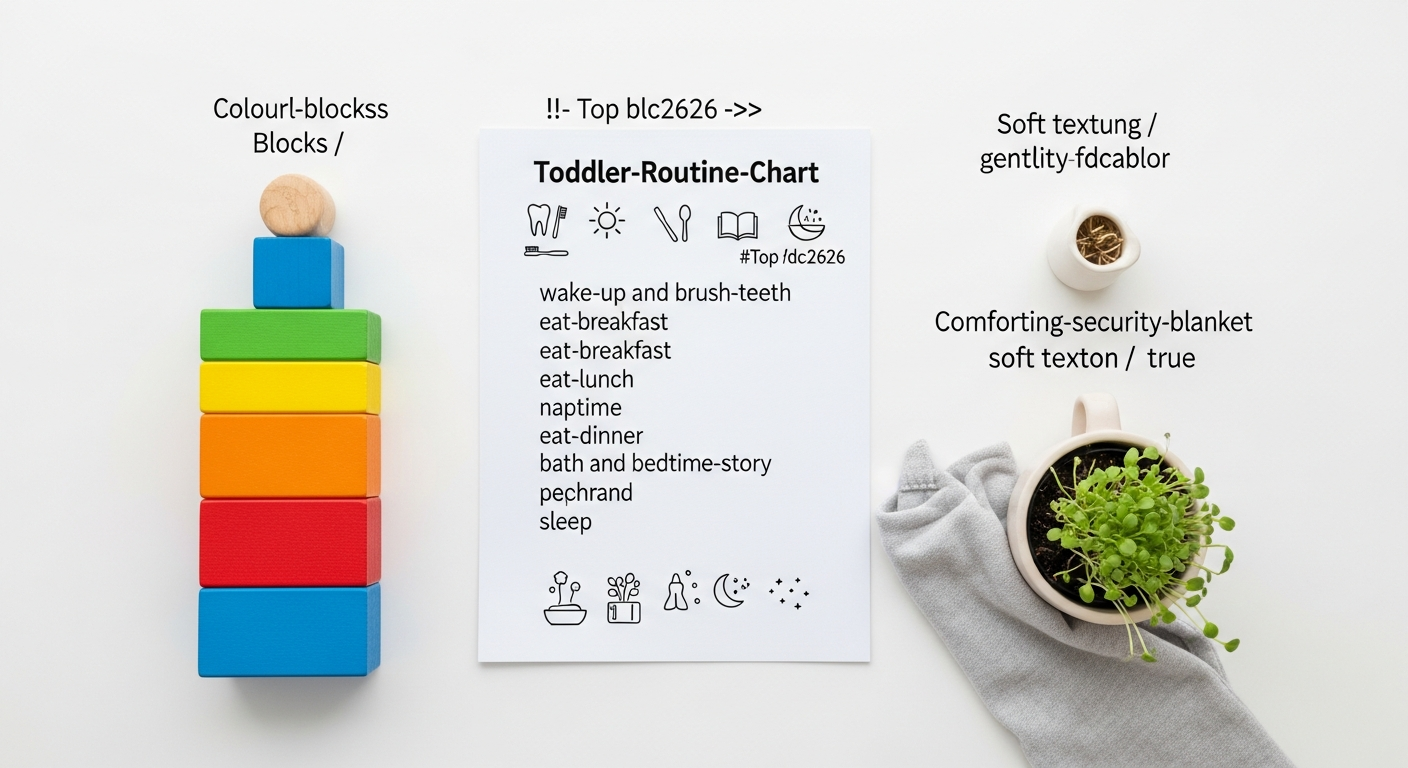
- Predictability: Establishing routines helps toddlers understand the sequence of events, fostering a sense of control and security.
Emotional Rollercoasters: Big Feelings, Little Capacity
Toddlers experience a full spectrum of emotions – joy, anger, frustration, sadness – but lack the vocabulary or neurological development to articulate them effectively. This emotional intensity, coupled with their desire for independence, often fuels the legendary “terrible twos.” It’s crucial to remember that these big feelings are normal and not a personal attack.
- Validate Feelings: Instead of dismissing, acknowledge their emotions: “I see you’re very angry right now because you can’t have another cookie.”
- Provide Language: Help them name their feelings: “Are you feeling frustrated because the blocks keep falling down?”
- Offer Comfort: A hug, a gentle touch, or simply being present can go a long way in co-regulating their emotions.
Language Explosion: From Babble to Conversation
While some toddlers might be early talkers, others may focus more on motor skills initially. Regardless, the period between 12 months and 3 years sees a significant leap in both receptive (understanding) and expressive (speaking) language. They often understand far more than they can communicate, leading to potential frustration.
- Read Aloud Daily: Books expose them to new words, sentence structures, and concepts.
- Narrate Your Day: Talk about what you’re doing, seeing, and feeling. “I’m putting on my shoes now.” “We’re going to the park.”
- Respond and Expand: If they say “Dink!” respond with “You want a drink of water? Here’s your water cup.”
Motor Skills: On the Move!
From tentative first steps to running, jumping, and climbing, toddlers are constantly refining their gross motor skills. Fine motor skills also develop rapidly, as they learn to grasp crayons, turn book pages, and eventually manipulate zippers and buttons. Providing safe opportunities for exploration is key.
- Outdoor Play: Encourage running, climbing, and exploring in safe environments.
- Creative Activities: Provide crayons, playdough, and large building blocks for fine motor development.
- Safety First: Toddler-proof your home thoroughly to allow for independent exploration without constant “no’s.”
Practical Steps: Celebrate every milestone, big or small. Adapt your expectations to your child’s individual pace, remembering that development isn’t a race. Observing your child’s unique temperament and developmental stage will inform your approach, making this parenting toddlers guide truly tailored to your family’s needs.
Effective Communication and Positive Discipline: The Core of a Thriving Toddlerhood


Navigating the “no!” phase and power struggles requires a thoughtful approach to communication and discipline. Positive discipline is not about punishment; it’s about teaching, guiding, and fostering a child’s intrinsic motivation to cooperate and make good choices. This section of our parenting toddlers guide focuses on building respectful relationships and setting boundaries with empathy.
Speaking Their Language: Clear, Concise, and Empathetic
Toddlers have limited attention spans and processing capabilities. Effective communication means getting down to their level, using simple language, and being direct.
- Get Down to Eye Level: This shows respect and helps them focus on you.
- Use Simple, Direct Language: Instead of “Could you please put your toys away nicely now, we’re going to eat soon,” try “Toys away, please. Time to eat.”
- State What You Want, Not What You Don’t Want: “Walk, please,” is more effective than “Don’t run.”
- Listen Actively: Even if their words are limited, try to understand their non-verbal cues and feelings. Reflect their feelings back to them: “You seem frustrated with that toy.”
Setting Boundaries with Love and Consistency
Boundaries provide a sense of security and help toddlers understand the rules of the world. Consistency is paramount; if a boundary sometimes applies and sometimes doesn’t, it becomes confusing and ineffective.
- Be Consistent: If hitting is not allowed, it’s never allowed, regardless of your mood or the setting.
- Explain Simply: Briefly explain the reason behind a rule in toddler-friendly terms. “No hitting. Hitting hurts.”
- Offer Limited Choices: This gives them a sense of control within your boundaries. “Do you want to wear the blue shirt or the red shirt?” “Do you want to walk or be carried to the car?”
Positive Discipline Strategies: Teaching vs. Punishing
Positive discipline aims to teach self-control, problem-solving, and empathy, rather than merely enforcing compliance through fear. It focuses on the long-term goal of raising responsible, kind individuals. Explore more positive discipline strategies.
- Redirection: When a toddler engages in undesirable behavior, gently guide them to an appropriate alternative. If they’re hitting a sibling, redirect them to a pillow or a soft toy.
- Natural Consequences: Allow them to experience the logical outcome of their actions, when safe and appropriate. If they refuse to wear a coat, they might feel a chill (if not dangerously cold).
- Logical Consequences: If they throw toys, the logical consequence might be that the toys are put away for a short period. This must be directly related to the action.
- Time-In (vs. Time-Out): Instead of isolating a child for misbehavior, a “time-in” involves staying with them in a calm space, helping them process their emotions and offering comfort until they’re regulated. This teaches emotional co-regulation and strengthens your bond.
- Positive Reinforcement: Catch them being good! Specifically praise desirable behaviors. “I love how you shared your train with your friend,” or “Thank you for helping put the blocks back in the bin.” This encourages them to repeat those actions.
- Modeling Behavior: Your child learns by watching you. Demonstrate kindness, patience, and effective problem-solving in your own interactions.
Practical Steps: Choose your battles. Not every minor infraction requires intervention. Focus on safety and behaviors that genuinely impact others. Remember that discipline is an ongoing process, not a one-time event, requiring endless patience and understanding, as detailed in this parenting toddlers guide.
Taming Tantrums: From Meltdowns to Mastery
Tantrums are a quintessential part of toddlerhood. They are not a sign of “bad parenting” or a “naughty child,” but rather an intense expression of overwhelming emotions that a toddler is not yet equipped to handle. Understanding the ‘why’ behind tantrums is key to effectively responding and, over time, minimizing their frequency and intensity.
Understanding the Roots of a Tantrum
Tantrums often stem from a combination of factors, usually centered around a lack of control, unmet needs, or underdeveloped emotional regulation skills. Common triggers include:
- Physiological Needs: Hunger, thirst, fatigue, or overstimulation. A tired, hungry toddler is a tantrum waiting to happen.
- Frustration: Inability to communicate needs, perform a task, or get what they want.
- Desire for Independence/Control: Testing boundaries, asserting autonomy, or feeling forced into something they don’t want to do.
- Overwhelm: Too much noise, too many people, or too many choices can push a toddler past their emotional limits.
Proactive Strategies: Preventing the Storm
The best way to manage a tantrum is to prevent it from happening in the first place. This requires anticipation and preparation.
- Consistent Routines: Predictable schedules for meals, naps, and bedtime reduce uncertainty and the likelihood of hunger/fatigue.
- Pre-Empt Triggers: If you know your child struggles in busy stores, run errands during nap time or bring engaging distractions. Offer a snack before leaving home if you know they’ll be out past their usual mealtime.
- Offer Choices: Within reason, give your toddler a sense of control. “Do you want to wear your red shoes or your blue shoes?” “Do you want to push the stroller or hold my hand?”
- Prepare for Transitions: Give warnings before switching activities. “Two more minutes until we clean up the blocks,” or “After this page, it’s time for bed.”
- Ensure Adequate Sleep: Toddlers generally need 11-14 hours of sleep in a 24-hour period, including naps. Sleep deprivation is a major tantrum trigger.
In-the-Moment Solutions: Navigating the Meltdown
Even with the best preventative measures, tantrums will happen. Your response during a tantrum can significantly impact its duration and your child’s ability to learn from the experience.
- Stay Calm: Your calm presence is the anchor in their storm. Take a deep breath. Shouting or getting angry will only escalate the situation.
- Acknowledge and Validate: “I see you’re very mad right now because you can’t have the toy.” Avoid judgment.
- Set Boundaries (if necessary): If the tantrum involves hitting or throwing, calmly state, “I won’t let you hit me. Hitting hurts.” Gently block or move the child.
- Offer Comfort (when ready): Once the initial rage subsides, offer a hug, a gentle touch, or a quiet space. “When you’re ready, I’m here for a hug.”
- Wait it Out: Sometimes, the best response is simply to be present and let them experience their big feelings without trying to “fix” it. Ensure they are safe, and then wait nearby.
- Redirect (if appropriate): For less intense tantrums, sometimes a distraction or a change of scenery can help. “Let’s go look out the window for birds!”
Real-world Example: Imagine your toddler screaming on the floor of a supermarket because they want a candy bar. Instead of giving in or yelling, you might squat down, say, “You really want that candy. I understand. It looks yummy. We’re not getting candy today, but you can choose between an apple or a banana when we get home.” If the tantrum continues, calmly move them to a quieter aisle or even exit the store, explaining, “We’ll try again another time.”
Practical Steps: After the tantrum, when your child is calm, briefly talk about it. “You were very mad earlier. It’s okay to be mad, but we don’t hit.” This helps them connect their feelings with appropriate actions, a vital lesson in this parenting toddlers guide.
Fostering Independence and Essential Life Skills in Your Little Explorer
Toddlers possess an innate drive for independence. While it can sometimes manifest as stubbornness or defiance, this urge is a healthy and essential part of their development. By providing opportunities for them to do things for themselves, even imperfectly, we nurture their self-confidence, competence, and a strong sense of self.
Empowering Choices and Decision-Making
Giving toddlers appropriate choices allows them to practice decision-making and feel a sense of control, which often reduces power struggles.
- Two-Choice Options: “Do you want water or milk?” “Do you want to wear the striped shirt or the solid shirt?”
- Activity Choices: “Do you want to play with blocks or read a book?”
- Let Them Choose the Order: “Do you want to put on your pants or your shirt first?”
Age-Appropriate “Chores” and Responsibilities
Even young toddlers can contribute to household tasks, fostering a sense of responsibility and belonging. Research, such as studies cited by the Harvard Grant Study of Adult Development and authors like L.E. Clark (“Parenting with Love and Logic”), indicates that children who participate in household chores from an early age tend to have higher self-esteem, greater academic success, and a stronger work ethic.
- Help Clean Up: “Let’s put the blocks in the bin.” “Help me put your plate on the counter.”
- Dress Themselves: Even if it’s just pulling up pants or putting on shoes (they can practice zipping and buttoning later).
- Water Plants: With a small watering can.
- Set the Table: With unbreakable plates or napkins.
- Fetch Items: “Can you get your blanket from your bed?”
Cultivating Self-Help Skills
These are the foundational skills for future independence and confidence.
- Self-Feeding: Encourage using a spoon and fork, even if it’s messy. Offer finger foods they can manage themselves.
- Self-Dressing: Start with easy-on, easy-off clothing. Provide plenty of time and praise their efforts.
- Toilet Training: Introduce the concept when they show readiness signs (e.g., staying dry for longer, showing interest in the toilet). Be patient and positive.
- Washing Hands: Model and guide them through the steps.
Encouraging Problem-Solving
Instead of immediately solving all their problems, give them space to try and figure things out. This builds resilience and critical thinking skills.
- Ask Questions: “What do you think will happen if…?” “How can we get that?”
- Offer Hints, Not Answers: “Hmm, that block is stuck. What if you tried a different way?”
- Allow for Frustration (within limits): Let them grapple a bit, knowing you’re there to support if they truly get stuck.
Developing Empathy and Social Skills
Toddlers are learning to interact with peers and understand others’ feelings. These early lessons are crucial for healthy social development.
- Model Kindness: Show empathy in your own interactions.
- Teach Sharing: “We share our toys with friends.” Encourage turn-taking.
- Name Emotions: When a friend is sad, “Look, Sarah is sad because her block tower fell down.”
- Supervised Playdates: Offer opportunities to interact with other children in a supportive environment.
Practical Steps: Embrace the mess and the extra time it takes when your toddler “helps.” The goal isn’t perfection, but participation and the development of competence. Offer specific praise for their effort and independence, reinforcing their willingness to try, a key aspect of this comprehensive parenting toddlers guide.
Nurturing Healthy Habits: Sleep, Nutrition, and Well-being
Establishing healthy habits during toddlerhood is crucial for physical growth, cognitive development, and emotional regulation. Consistent routines around sleep, balanced nutrition, and regular physical activity lay the foundation for a lifetime of well-being.
The Importance of Sleep: More Than Just Rest
- Consistent Bedtime Routine: A predictable sequence of activities (bath, story, lullaby, quiet cuddle) signals to your child that it’s time to wind down. Aim for the same bedtime every night, even on weekends.
- Comfortable Sleep Environment: A dark, quiet, and cool room promotes better sleep.
- Managing sleep regressions: Toddlers may experience temporary sleep disturbances due to developmental leaps, illness, or changes in routine. Maintain consistency and offer extra comfort without introducing new sleep crutches.
- Dealing with Nap Resistance: If your toddler starts resisting naps, ensure they’re still getting enough nighttime sleep. You might need to adjust nap length or timing, or transition to “quiet time” in their room.
Balanced Nutrition: Fueling Growth and Exploration
Toddlers are notoriously picky eaters, but providing a variety of healthy foods and maintaining a positive mealtime environment is key.
- Offer Variety: Continuously offer a range of fruits, vegetables, whole grains, and lean proteins, even if they initially refuse. It can take 10-15 exposures for a child to accept a new food.
- Involve Them in Meal Prep: Let them wash vegetables, stir ingredients (safely), or help set the table. They are more likely to eat what they’ve helped prepare.
- No Pressure: Avoid food battles. It’s your job to offer healthy options; it’s their job to decide how much to eat. Pressuring them can lead to negative associations with food.
- Family Mealtimes: Eat together as a family whenever possible. Toddlers learn by observing, and you are their most important role model.
- Healthy Snacking: Offer nutrient-dense snacks between meals to sustain energy, like fruit, yogurt, cheese, or whole-grain crackers.
- Stay Hydrated: Offer water regularly throughout the day. Limit sugary drinks.
Physical Activity and Well-being: Moving and Thriving
Toddlers have an abundance of energy and need plenty of opportunities to move their bodies, both indoors and outdoors.
- Daily Outdoor Play: Aim for at least 60 minutes of unstructured outdoor play. This boosts physical development, vitamin D intake, and mood.
- Active Indoor Play: When outdoor play isn’t possible, engage in active games like dancing, chasing bubbles, or building obstacle courses.
- Limit Screen Time: The American Academy of Pediatrics recommends limiting screen time (excluding video chatting) for children aged 18-24 months to high-quality programming viewed with a parent, and for children aged 2-5 years, to just 1 hour per day of high-quality programming, co-viewed with a parent.
- Regular Health Check-ups: Schedule well-child visits as recommended by your pediatrician to monitor growth, development, and administer immunizations.
- Good Hygiene: Teach regular handwashing, especially before meals and after using the potty.
Practical Steps: Lead by example. Model healthy eating habits, prioritize your own sleep, and engage in physical activity as a family. These actions speak louder than words in fostering a healthy lifestyle for your toddler, as highlighted throughout this parenting toddlers guide.
Building a Resilient Family Foundation: Parental Well-being and Support Systems
Parenting a toddler is a marathon, not a sprint, and it demands immense energy, patience, and emotional resilience. While the focus is often on the child, parental well-being is not just important – it’s absolutely crucial for creating a stable, nurturing environment. A well-supported parent is a better parent.
Prioritizing Parental Self-Care: You Can’t Pour From an Empty Cup
Self-care isn’t selfish; it’s a necessity. Ignoring your own needs leads to burnout, irritability, and decreased capacity to respond effectively to your child’s needs.
- Schedule “Me Time”: Even short breaks can make a difference. This might be 15 minutes to read a book, enjoy a cup of tea, go for a walk, or listen to music.
- Prioritize Sleep (When Possible): While unbroken sleep may be a distant memory, aim for consistent sleep hygiene for yourself. Go to bed earlier, even if it means sacrificing some evening chores.
- Healthy Habits for Yourself: Eat nourishing foods, stay hydrated, and try to incorporate some physical activity into your routine.
- Mindfulness and Stress Reduction: Practice deep breathing, meditation, or spend time in nature to manage stress.
- Set Realistic Expectations: Your home doesn’t need to be spotless, and you don’t need to be a “perfect” parent. Good enough is truly good enough.
Nurturing Your Partnership: A United Front
Parenting can put immense strain on a relationship. Actively nurturing your partnership provides a strong foundation for your family and models healthy relationship dynamics for your child.
- Communicate Openly: Discuss parenting challenges, share responsibilities, and express your needs to each other.
- Schedule “We Time”: Even if it’s just a quiet dinner at home after the toddler is asleep, make time to connect as a couple.
- Share the Load: Divide chores and childcare responsibilities equitably. If one partner feels overwhelmed, the other should step in.
- Show Appreciation: Acknowledge and thank your partner for their contributions.
Seeking and Accepting Support: You Are Not Alone
No one can, or should, do it all alone. Building a robust support network is vital.
- Family and Friends: Lean on trusted loved ones for practical help (babysitting, meal drop-offs) or emotional support.
- Parent Support Groups: Connecting with other parents who are navigating similar challenges can provide invaluable validation, advice, and camaraderie. Online forums or local community groups can be excellent resources.
- Professional Help: Don’t hesitate to seek support from a therapist or counselor if you’re struggling with parental stress, anxiety, depression, or relationship issues. Mental health is as important as physical health.
- Childcare Options: If feasible, consider part-time daycare or a regular babysitter to provide you with planned breaks and your child with new experiences.
Recognizing When to Seek Professional Guidance for Your Child
While this parenting toddlers guide offers general advice, every child is unique. If you have concerns about your toddler’s development, behavior, or well-being, consult your pediatrician or a child development specialist.
- Developmental Delays: If your child is not meeting typical milestones (e.g., significant speech delay, lack of eye contact, challenges with motor skills).
- Persistent Behavioral Challenges: If tantrums are excessively long, frequent, or involve self-harm/harm to others, or if you feel overwhelmed and unable to manage behaviors.
- Sleep or Eating Issues: If persistent sleep problems or severe picky eating are impacting their health or your family’s well-being.
- Emotional Regulation: If your child seems unusually anxious, withdrawn, or aggressive for their age.
Practical Steps: Actively build your village. Reach out, accept help, and don’t be afraid to admit when you’re struggling. Prioritizing your own well-being isn’t a luxury; it’s a fundamental component of effective parenting, ensuring you have the energy and emotional reserves to meet the demands of toddlerhood.
Conclusion: Embracing the Journey of Toddlerhood with Confidence
The toddler years are a whirlwind of growth, discovery, and profound transformation for both child and parent. As this ultimate parenting toddlers guide has demonstrated, navigating the ‘Terrible Twos’ and beyond requires a blend of understanding, patience, consistent boundaries, and boundless love. By focusing on gentle communication, positive discipline, fostering independence, nurturing healthy habits, and prioritizing your own well-being, you are building a resilient foundation for your child’s future and strengthening your family unit.
Remember that every child is unique, and your parenting journey will be filled with its own triumphs and challenges. There will be days of pure joy and days when you feel utterly exhausted. Be kind to yourself, seek support when needed, and trust your instincts. Embrace the mess, celebrate the small victories, and cherish the incredible privilege of watching your little one blossom into their remarkable self. Protect Families Protect Choices is here to support you every step of the way, empowering families with knowledge and advocacy.
Next Step: Continue exploring our resources on positive parenting, child development, and family advocacy to further empower your parenting journey. Join our community forums to share experiences and gain insights from other parents, or connect with our support services for personalized guidance.
Here are some frequently asked questions about parenting toddlers:
Frequently Asked Questions
How long do the “Terrible Twos” actually last?▾
What’s the best way to handle a public tantrum?▾
How can I encourage my toddler to eat a wider variety of foods?▾
Is it normal for toddlers to hit or bite?▾
When should I be concerned about my toddler’s speech development?▾