



Embracing the Journey: Emotional Support and Understanding
The emotional landscape of caring for a family member with a physical disability can be as complex as it is rewarding. It’s a journey that requires not only physical effort but also profound emotional intelligence, empathy, and self-awareness. Understanding and addressing the emotional needs of both the individual with the disability and the caregivers is the cornerstone of sustainable, loving care.
Fostering Open Communication and Acceptance
- Create a Safe Space for Expression: Encourage your family member to voice their feelings, frustrations, hopes, and fears. Sometimes, physical limitations can lead to feelings of isolation or a sense of loss. Acknowledging these emotions, rather than dismissing them, is vital. Use active listening to ensure they feel heard and understood.
- Acknowledge and Validate Emotions: It’s natural for both the person with the disability and their caregivers to experience a wide range of emotions, from grief and anger to immense joy and pride. Validate these feelings without judgment. Remind yourselves that it’s okay not to be okay sometimes, and it’s also okay to celebrate every small victory.
- Educate the Family: Ensure all family members, especially children, understand the disability in an age-appropriate way. This fosters empathy, reduces stigma, and helps build a supportive environment. Encourage them to ask questions and participate in care where appropriate, reinforcing the idea that everyone has a role to play.
Navigating Family Dynamics and Shared Responsibilities
The arrival of a disability within a family can shift dynamics and responsibilities. It’s a moment that, much like discussing 4 things you should discuss before having children, requires open, honest dialogue about expectations, roles, and potential challenges. Proactive discussion can prevent misunderstandings and burnout.
- Define Roles Clearly: While caregiving often falls to one primary individual, it’s crucial to distribute responsibilities among family members where possible. Clearly defined roles for tasks like meal preparation, appointments, or emotional support can prevent one person from feeling overwhelmed.
- Hold Regular Family Meetings: Schedule consistent meetings to discuss challenges, celebrate successes, and adjust care plans. This ensures everyone is on the same page and feels their input is valued. It also provides a structured opportunity to address any emerging issues before they escalate.
- Seek Professional Guidance: Family therapy or support groups can provide invaluable tools for navigating complex emotions and communication challenges. A neutral third party can help mediate discussions and offer strategies for coping and resilience.
Connecting with Support Networks
You are not alone on this journey. Building a strong support network is crucial for emotional well-being.
- Join Support Groups: Connecting with other families who share similar experiences can be incredibly validating and informative. They offer a safe space to share stories, gather advice, and realize you’re part of a larger community.
- Utilize Online Communities: Online forums and social media groups can provide 24/7 access to support and information. Remember to practice Internet safety rules what not to do online when engaging with new communities, protecting your personal information and being wary of unsolicited advice.
- Lean on Friends and Extended Family: Don’t hesitate to ask for help from your personal network. Friends and family often want to support but may not know how. Be specific about your needs, whether it’s help with errands, a listening ear, or an hour of respite.
Practical Daily Care and Enhancing Accessibility

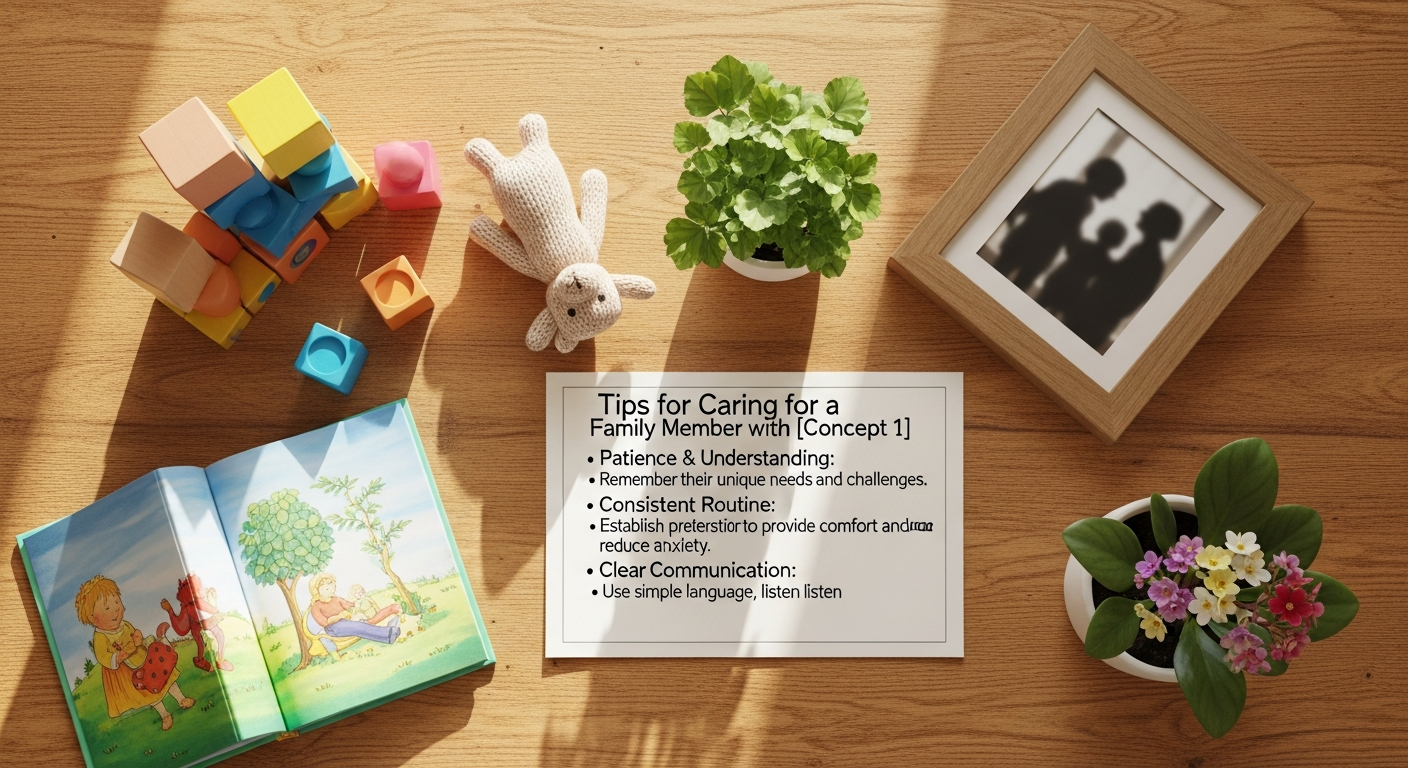
Providing practical daily care involves a blend of routine management, adaptive strategies, and creating an environment that maximizes independence and safety. This section delves into the tangible aspects of care, transforming your home into a sanctuary of accessibility and ease.
Mastering Daily Routines and Personal Care
Consistency and adaptation are key when assisting with daily routines. Each individual’s needs will vary, requiring a personalized approach.
- Hygiene and Grooming: Develop routines that are comfortable and respectful. Utilize adaptive equipment such as long-handled sponges, shower chairs, grab bars, and raised toilet seats. Focus on maintaining dignity and privacy while providing assistance.
- Medication Management: Keep a detailed log of all medications, dosages, and schedules. Use pill organizers, set alarms, or consider smart dispensers to ensure accuracy and adherence. Understand potential side effects and what to do in case of a missed dose.
- Nutrition and Feeding: Adapt meal preparation and feeding techniques to accommodate any swallowing difficulties or mobility limitations. Special utensils, plate guards, or thicker liquids might be necessary. Consult with a dietitian for personalized dietary plans.
- Mobility and Transfers: Learn proper body mechanics for assisting with transfers (bed to wheelchair, wheelchair to toilet) to prevent injury to both yourself and your family member. Utilize transfer boards, lifts, or gait belts as recommended by therapists. Encourage movement and exercise within their capabilities to maintain muscle strength and circulation.
Creating a Safe and Accessible Home Environment
Your home is the central hub of life, and making it safe and accessible is paramount. Many of the principles align with general Home safety tips for every family, but with a specific focus on physical disability.
- Clear Pathways: Ensure all hallways and rooms are free of clutter, rugs, or furniture that could impede movement or cause falls. This is crucial for wheelchair users and those using mobility aids.
- Grab Bars and Handrails: Install grab bars in bathrooms near toilets and showers, and handrails along stairways. These provide crucial support and stability.
- Ramps and Lifts: Consider installing ramps for exterior entrances or interior level changes, or stair lifts if stairs are a significant barrier.
- Bathroom Modifications: Beyond grab bars, consider roll-in showers, accessible sinks, and elevated toilet seats. These changes can significantly enhance independence and safety.
- Kitchen Adaptations: Arrange frequently used items within easy reach. Consider pull-out shelves, lower countertops, or accessible appliances.
- Lighting: Ensure adequate lighting throughout the home, especially in pathways, bathrooms, and stairwells, to prevent accidents.
- Emergency Preparedness: Have an emergency plan that includes how to evacuate your family member, where important medical information is stored, and who to contact. Ensure emergency services are aware of the individual’s specific needs.
Leveraging Assistive Technology and Equipment
Modern technology offers a plethora of tools to enhance independence and ease caregiving burdens.
- Mobility Aids: Wheelchairs (manual or power), walkers, canes, and scooters can significantly improve mobility. Ensure they are properly fitted and maintained.
- Adaptive Devices: From dressing aids and eating utensils to communication boards and voice-activated software, explore devices that empower your family member to perform tasks independently.
- Smart Home Technology: Smart speakers, automated lighting, voice-controlled thermostats, and security systems can offer greater control and safety. These technologies can be particularly beneficial for individuals with limited mobility, allowing them to manage their environment with ease.
- Telehealth and Remote Monitoring: Utilize telehealth services for medical consultations when in-person visits are challenging. Remote monitoring devices can provide peace of mind for both caregivers and the individual, tracking vital signs or activity levels.
Advocacy, Rights, and Navigating Community Resources
Understanding Disability Rights and Legislation
Knowledge is power when it comes to advocating for your family member. Familiarize yourself with relevant laws and policies.
- Americans with Disabilities Act (ADA): The ADA prohibits discrimination against individuals with disabilities in all areas of public life, including jobs, schools, transportation, and all public and private places that are open to the general public. Understand its implications for accessibility in public spaces, employment, and services.
- Individualized Education Programs (IEPs) / 504 Plans: If your family member is school-aged, understand their rights to a free and appropriate public education. Work with the school to develop an IEP or 504 Plan that outlines necessary accommodations and services.
- Healthcare Rights: Be aware of your loved one’s rights regarding access to healthcare, informed consent, and reasonable accommodations in medical settings.
Navigating Healthcare Systems and Insurance
The healthcare landscape can be complex. Being organized and persistent is crucial.
- Coordination of Care: With multiple specialists often involved, designate one person to coordinate appointments, medication lists, and information sharing between providers.
- Insurance Coverage: Understand your health insurance policy thoroughly, including what services, equipment, and therapies are covered. Be prepared to appeal denied claims if necessary. Keep meticulous records of all communications.
- Government Programs: Explore eligibility for programs like Medicaid, Medicare, Social Security Disability Insurance (SSDI), and Supplemental Security Income (SSI), which can provide essential financial and medical assistance.
Accessing Community and Support Services
A wealth of resources exists within your community and beyond. Knowing where to look can make a significant difference.
- Local Disability Organizations: Many non-profits offer support groups, educational workshops, advocacy services, and direct assistance for specific disabilities.
- Therapies: Ensure access to necessary physical therapy, occupational therapy, speech therapy, and mental health counseling. These therapies can greatly enhance physical function, independence, and emotional well-being.
- Respite Care Services: These services provide temporary relief for primary caregivers, allowing them time to rest, attend to personal needs, or pursue other activities. This is vital for preventing caregiver burnout.
- Transportation Services: Investigate accessible public transportation options, paratransit services, or non-emergency medical transportation providers in your area.
- Home Health Agencies: For those requiring skilled nursing care or advanced personal care, home health agencies can provide professional assistance in the comfort of your home.
Prioritizing Caregiver Well-being and Self-Care
The role of a caregiver is demanding, both physically and emotionally. It’s easy to lose sight of your own needs when focused on others. However, neglecting your well-being can lead to burnout, stress, and diminished capacity to provide care. Prioritizing self-care isn’t selfish; it’s essential for sustainable, loving caregiving.
Recognizing and Preventing Caregiver Burnout
Burnout is a state of physical, emotional, and mental exhaustion caused by prolonged or excessive stress. Recognizing its signs early is key.
- Signs of Burnout: Look for persistent fatigue, irritability, feelings of hopelessness, loss of interest in activities you once enjoyed, changes in appetite or sleep patterns, and increased anxiety or depression.
- Strategies for Prevention:
- Set Realistic Expectations: Understand that you cannot do everything perfectly, and some days will be harder than others.
- Delegate Tasks: Don’t be afraid to ask for and accept help. Delegate tasks to other family members, friends, or paid caregivers.
- Learn to Say No: Protect your time and energy by declining additional commitments that would overextend you.
- Take Breaks: Even short breaks throughout the day can help recharge your energy. Step away from the caregiving environment, even if just for a few minutes.
Implementing Effective Self-Care Practices
Self-care isn’t a luxury; it’s a necessity for caregivers. It involves intentionally taking steps to maintain your physical, emotional, and mental health.
- Prioritize Physical Health:
- Adequate Sleep: Aim for 7-9 hours of quality sleep. If nighttime care disrupts this, explore ways to compensate during the day.
- Nutritious Diet: Fuel your body with healthy foods. Avoid relying on convenience foods or excessive caffeine/sugar.
- Regular Exercise: Even short walks or gentle stretching can reduce stress, improve mood, and boost energy.
- Regular Medical Check-ups: Don’t neglect your own health appointments. Address any concerns promptly.
- Nurture Mental and Emotional Well-being:
- Mindfulness and Relaxation: Practice deep breathing, meditation, or yoga to manage stress and stay present.
- Hobbies and Interests: Make time for activities you enjoy, even if it’s just for a short period. This helps maintain your sense of self outside of your caregiving role.
- Journaling: Writing down your thoughts and feelings can be a powerful way to process emotions and gain perspective.
- Seek Professional Help: If you’re struggling with depression, anxiety, or overwhelming stress, consider talking to a therapist or counselor.
- Utilize Respite Care: This is perhaps the most critical self-care tool for many caregivers. Respite care provides temporary relief from caregiving duties, allowing you to rest, attend to personal needs, or simply have time for yourself. Explore options through local agencies, community programs, or even trusted family and friends.
Building a Robust Support Network for Caregivers
Just as your loved one needs support, so do you. Building a network of understanding individuals is essential.
- Connect with Other Caregivers: Share experiences and advice in caregiver support groups (online or in person). Knowing others understand your unique challenges can be incredibly validating.
- Educate Your Personal Network: Help friends and family understand the realities of your caregiving role. Be specific about how they can help, whether it’s running an errand, providing a meal, or simply listening without judgment.
- Establish Boundaries: While seeking support, also learn to protect your time and energy. It’s okay to set boundaries with well-meaning but draining individuals.
Planning for the Future and Financial Considerations
Caregiving is often a long-term commitment, making future planning not just beneficial, but essential. Thoughtful planning for legal, financial, and logistical aspects ensures stability and peace of mind for both the individual with the disability and their family, extending well into 2026 and beyond. This foresight echoes the importance of fundamental discussions like the 4 things you should discuss before having children, ensuring a family is prepared for life’s significant changes.
Long-Term Care Planning
Considering the long-term needs and potential changes in your loved one’s condition is crucial.
- Develop a Care Plan: Work with healthcare professionals to create a comprehensive long-term care plan that addresses evolving medical, physical, and emotional needs. This plan should be reviewed and updated regularly.
- Consider Future Living Arrangements: Discuss potential future living situations. Will they continue to live at home? Are assisted living facilities or specialized group homes a possibility? Research options and visit potential facilities early.
- Involve the Individual: Whenever possible, include your family member in discussions about their future. Their preferences and desires should be central to any decisions made about their care and living situation.
- Succession Planning for Caregivers: If you are the primary caregiver, consider who would step in if you were unable to provide care. Discuss this openly with potential backup caregivers and document instructions.
Financial Planning and Assistance
The financial implications of caring for a family member with a physical disability can be substantial. Proactive financial planning is vital.
- Budgeting and Expense Tracking: Create a detailed budget that accounts for medical expenses, adaptive equipment, therapy, personal care supplies, and potential home modifications. Track all disability-related expenses for tax purposes and potential reimbursements.
- Government Benefits: Revisit eligibility for Social Security Disability Insurance (SSDI), Supplemental Security Income (SSI), Medicaid, Medicare, and other state-specific programs. These can provide crucial income and healthcare coverage.
- Special Needs Trusts: Consult with an elder law or special needs attorney about establishing a Special Needs Trust. This can protect assets for the individual without jeopardizing their eligibility for means-tested government benefits.
- ABLE Accounts: Explore ABLE (Achieving a Better Life Experience) accounts, which allow individuals with disabilities to save money without losing eligibility for certain public benefits.
- Insurance Policies: Review existing life insurance, long-term care insurance, and disability insurance policies to ensure adequate coverage for future needs.
- Tax Deductions and Credits: Research available tax deductions and credits for medical expenses, dependent care, and other disability-related costs.
Legal and Estate Planning
Legal planning ensures your loved one’s rights and wishes are protected, and their future is secure.
- Guardianship/Conservatorship: If your family member is an adult and unable to make their own decisions, you may need to explore guardianship or conservatorship. This is a significant legal step that should be discussed with an attorney.
- Powers of Attorney: Establish medical power of attorney and financial power of attorney, allowing designated individuals to make decisions on behalf of your family member if they are incapacitated.
- Wills and Estate Planning: Ensure your will and estate plan reflect the needs of your family member with a disability. Consult with an attorney to ensure assets are distributed appropriately without jeopardizing benefit eligibility.
- Letters of Intent: While not legally binding, a letter of intent provides crucial non-legal guidance for future caregivers, outlining daily routines, preferences, medical history, and personal wishes. This can be invaluable if you are no longer able to provide care.
Communication and Technology for Enhanced Living
In our increasingly connected world, communication and technology offer powerful tools to enhance the lives of individuals with physical disabilities and their caregivers. From staying in touch with loved ones to accessing essential services, leveraging these resources thoughtfully can foster greater independence and connection, while always remembering the importance of Internet safety rules what not to do online.
Facilitating Communication
Physical disabilities can sometimes impact traditional methods of communication. Adaptive strategies and technology can bridge these gaps.
- Assistive Communication Devices (ACDs): Explore devices like speech-generating devices (SGDs), communication boards, or eye-tracking systems for individuals with limited verbal abilities. These empower them to express their thoughts, needs, and desires.
- Augmentative and Alternative Communication (AAC): Work with speech-language pathologists to find the most effective AAC methods, which can range from low-tech picture exchange systems to high-tech electronic devices.
- Accessible Telephones and Video Conferencing: Utilize phones with large buttons, amplified sound, or video calling platforms with captioning services to help maintain social connections and conduct remote appointments.
- Voice Assistants: Smart speakers and voice-controlled devices can allow individuals to make calls, send messages, and control their environment using only their voice, promoting greater autonomy.
Leveraging Technology for Independence and Engagement
Beyond communication, technology offers numerous avenues for greater independence, safety, and engagement in daily life.
- Smart Home Systems: Integrate smart home devices to control lights, thermostats, doors, and entertainment systems via voice commands or accessible interfaces. This gives individuals more control over their personal space.
- Adaptive Gaming and Entertainment: Explore adaptive controllers, specialized software, and accessibility features built into modern gaming consoles and streaming services. These allow individuals to participate in leisure activities that might otherwise be inaccessible.
- Educational and Vocational Technology: For those pursuing education or employment, adaptive software (screen readers, voice-to-text), ergonomic keyboards, and specialized input devices can make learning and working more accessible.
- GPS and Tracking Devices: For individuals who may wander or need assistance with navigation, GPS tracking devices can offer peace of mind for caregivers and enhance safety.
Online Resources and Digital Safety
The internet is a vast source of information, support, and services. However, it’s crucial to navigate it safely, especially when dealing with sensitive personal or medical information.
- Reliable Health Information: Stick to reputable sources for medical advice and disability information, such as government health organizations, established medical institutions, and recognized disability advocacy groups. Be wary of unverified claims or miracle cures.
- Telehealth and Online Therapies: Utilize telehealth for convenient medical consultations and online therapy sessions. Ensure the platforms used are secure and HIPAA-compliant.
- Online Support Communities: Engage with online forums and social media groups for caregivers and individuals with disabilities. These can be excellent sources of emotional support and practical advice. However, always remember Internet safety rules what not to do online: never share personal identifying information, financial details, or medical records in public forums. Be cautious of scams, phishing attempts, and individuals asking for money or private data.
- Digital Literacy: Encourage your family member, if capable, to learn basic internet safety practices. Teach them how to identify suspicious emails, avoid clicking on unknown links, and create strong passwords.
Caring for a family member with a physical disability is a testament to the enduring power of family love and commitment. It demands strength, patience, and a willingness to learn and adapt. By embracing comprehensive strategies for emotional support, practical care, advocacy, self-care, and future planning, families can navigate this journey with confidence and grace. Remember, you are not alone; a community of support, resources, and shared experiences stands with you, empowering you to protect your family, protect your choices, and ensure a fulfilling life for your loved one.
Frequently Asked Questions
What are the most common challenges faced by caregivers of individuals with physical disabilities?▾
How can I ensure my home is truly accessible for a family member using a wheelchair?▾
What resources are available for financial assistance for families caring for a disabled loved one?▾
How important is caregiver self-care, and what are some practical tips?▾
When should we start planning for the long-term future, especially regarding legal and financial matters?▾
How can technology improve the quality of life for a family member with a physical disability?▾
Recommended Resources
Explore Anxiety Management Tips That Work for additional insights.
Learn more about this topic in Plc Programming Basics at Mitsubishi Manufacturing.