



The Power of Your Vote: Why Advocacy Starts with Registration
The journey of effective family advocacy begins long before election day, with the fundamental step of voter registration. For many, the electoral process can seem daunting or distant, yet its impact on the issues we care about most is undeniable and direct. At Protect Families Protect Choices, we understand that every policy, every law, and every budget allocation originates from decisions made by elected officials—individuals whom we, the voters, choose to represent us. Without being registered, your ability to influence these critical decisions is effectively silenced.
Consider the myriad ways government policies intersect with family life. From healthcare access and educational funding to economic stability and fundamental human rights, the legislative landscape is constantly evolving. When we advocate for reproductive health, for example, we are often pushing for policies that ensure access to comprehensive care, contraception, and maternal support. These are not abstract concepts; they are tangible services that improve health outcomes and empower individuals to make informed decisions about their bodies and futures. Similarly, initiatives concerning breast health and the availability of mammogram screenings rely heavily on public health funding and legislative support, ensuring preventative care is accessible to all who need it. Teen pregnancy prevention programs, which equip young people with the knowledge and resources to make responsible choices, are often sustained or undermined by political will and budgetary priorities.
Your vote is the mechanism through which you hold elected officials accountable and champion the causes that matter to your family and community. It is a direct statement of your values and priorities. When you are registered to vote, you gain the ability to select candidates who align with your vision for family well-being and individual choice. You empower yourself to reject policies that threaten these values and to support those that fortify them. Furthermore, a robust and engaged electorate sends a powerful message to all levels of government: that citizens are paying attention, and that their concerns cannot be ignored.
Beyond simply casting a ballot, voter registration enhances your overall capacity for advocacy. It opens doors to participation in local caucuses, party primaries, and community forums where policy ideas are debated and shaped. It gives you standing to contact your representatives, knowing that your voice carries the weight of an active constituent. In a democracy, the right to vote is a privilege and a responsibility, and for advocates, it is the most fundamental act of engagement. By ensuring you and your loved ones are registered, you lay the groundwork for a future where families are protected, and choices are respected, setting the stage for meaningful change in 2026 and beyond.
Navigating the Voter Registration Process: A Step-by-Step Guide

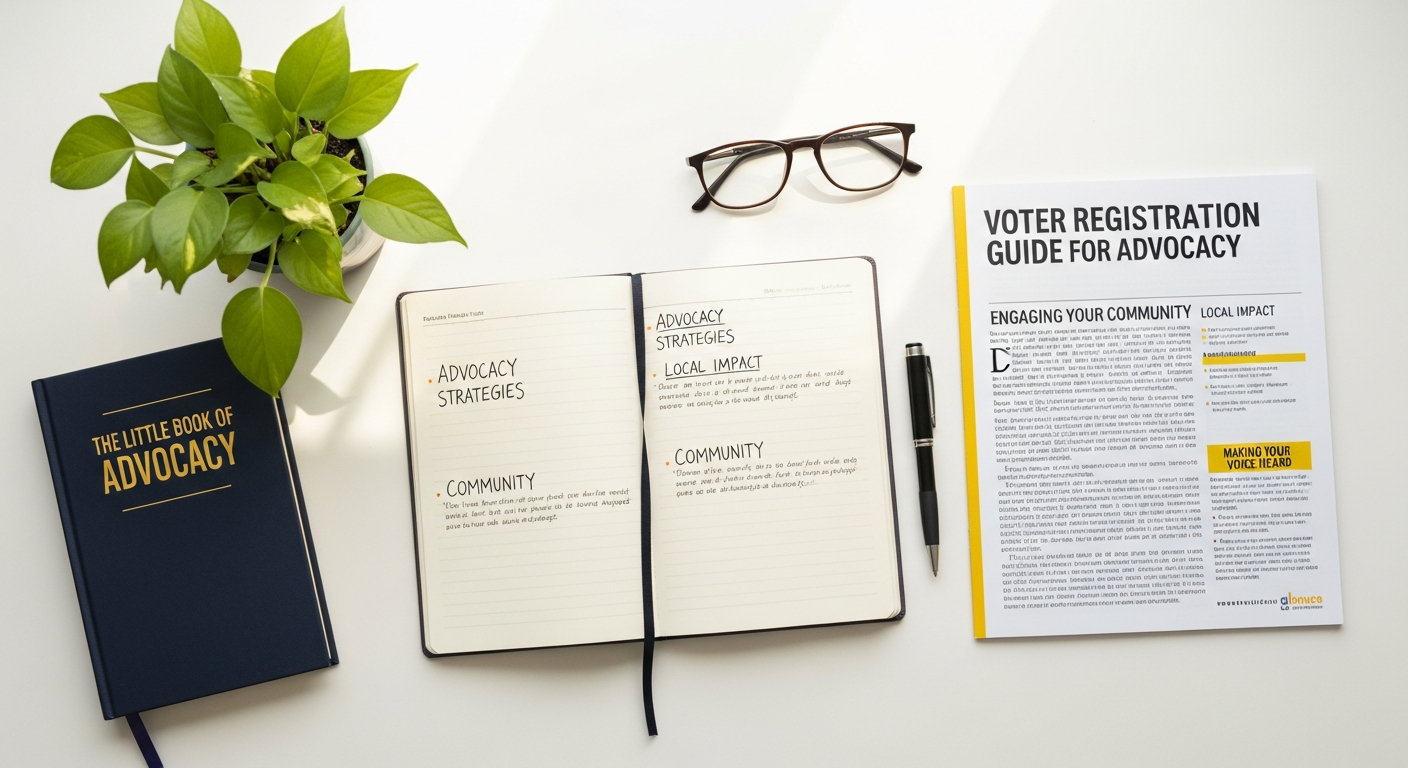
Registering to vote is a straightforward process, but understanding the steps and requirements is key to ensuring your eligibility and preventing last-minute complications. This guide will walk you through everything you need to know to become a registered voter and an active participant in family advocacy.
Step 1: Determine Your Eligibility
Before you begin, confirm you meet the basic eligibility criteria. While specific rules can vary slightly by state, generally you must be:
- A citizen of the United States.
- A resident of the state where you are registering.
- At least 18 years old by election day.
- Not currently serving a felony sentence (though some states restore voting rights after release or completion of parole).
- Not deemed mentally incapacitated by a court.
If you are 17 but will turn 18 by the date of the general election in 2026, many states allow you to pre-register. Check your state’s election website for specific age requirements.
Step 2: Choose Your Registration Method
States offer several convenient ways to register:
- Online Registration: Most states now offer online voter registration, which is often the quickest and easiest method. You’ll typically need your driver’s license or state ID number and the last four digits of your Social Security number.
- By Mail: You can download a National Mail Voter Registration Form from the U.S. Election Assistance Commission (EAC) website or obtain a state-specific form from your local election office. Fill it out completely and mail it to the appropriate county election official.
- In Person: Visit your local county election office, Department of Motor Vehicles (DMV), public assistance agencies, or armed forces recruitment offices. Many public libraries also offer registration forms.
- At the DMV: When applying for or renewing your driver’s license or state ID, you’ll typically be offered the opportunity to register to vote or update your existing registration. This is often referred to as “Motor Voter” registration.
Step 3: Gather Necessary Information and Documents
While you typically don’t need to show physical documents when registering online or by mail, you will need to provide certain information accurately. This usually includes:
- Your full legal name.
- Your residential address (P.O. boxes are generally not accepted for residency).
- Your mailing address (if different from residential).
- Your date of birth.
- Your driver’s license number or state ID number.
- The last four digits of your Social Security number.
- Your party affiliation preference (optional, but important for primary elections).
If you register in person, you might be asked to present a photo ID or proof of residency, though requirements vary significantly by state. It’s always best to check your state’s specific rules.
Step 4: Submit Your Registration and Confirm
Once you’ve completed your registration, submit it through your chosen method. Pay close attention to registration deadlines, which can be as early as 30 days before an election. Some states offer same-day voter registration, but this is not universal, so planning ahead is crucial for the 2026 elections.
After submitting, it’s crucial to confirm your registration status. Most states allow you to do this online via their election website using your name, date of birth, and/or address. You should also receive a voter registration card in the mail within a few weeks. If you don’t receive it or cannot confirm your status online, contact your local election office immediately to resolve any issues. Never assume your registration went through without verification.
Step 5: Keep Your Registration Updated
Life changes, and so might your voter registration. If you:
- Move: You must update your address with the election officials in your new jurisdiction. Even moving across town can require an update.
- Change Your Name: If you legally change your name (e.g., due to marriage or divorce), you’ll need to update your voter registration to reflect this.
- Wish to Change Party Affiliation: You can typically update this through the same channels you used to register.
Keeping your registration current ensures you receive accurate election information, including polling place details and sample ballots, and prevents unnecessary complications on election day. By following these steps, you solidify your ability to participate in the democratic process and lend your vital voice to the ongoing work of Protect Families Protect Choices.
Understanding Key Issues: Aligning Your Vote with Family Values and Health
What Is Reproductive Health?
The term “reproductive health” is often narrowly defined, but its scope is broad and foundational to individual autonomy and family stability. It encompasses a state of complete physical, mental, and social well-being in all matters relating to the reproductive system, not merely the absence of disease or infirmity. For individuals and families, this means having access to the information, resources, and services needed to make informed decisions about their reproductive lives. This includes:
- Contraception and Family Planning: Access to a full range of birth control methods and counseling allows individuals to plan if and when they have children, contributing to economic stability and personal empowerment.
- Maternal and Paternal Care: High-quality prenatal, delivery, and postpartum care are crucial for the health of both parent and child. This also extends to supporting fathers in their roles.
- Fertility Services: For many, building a family requires assistance with fertility, making access to these often-expensive services a critical component of reproductive health equity.
- Prevention and Treatment of Sexually Transmitted Infections (STIs): Education, screening, and treatment are essential for public health and individual well-being.
- Comprehensive Sex Education: Age-appropriate, medically accurate education empowers young people to make healthy decisions, understand consent, and protect themselves.
- Abortion Access: For some, the ability to make decisions about ending a pregnancy is a fundamental aspect of reproductive freedom and health, impacting their entire life trajectory.
When you vote, consider how candidates’ stances on healthcare funding, insurance mandates, and specific reproductive rights policies will affect access to these vital services. Policies that expand or restrict access to any of these components directly impact the health, financial stability, and autonomy of families.
Prioritizing Breast Health: The Importance of Mammograms
Preventative care is a cornerstone of family health, and among the most critical screenings for women is the mammogram. Breast cancer remains a significant health concern, and early detection through regular mammograms is proven to save lives. As advocates for family well-being, we understand that protecting the health of every family member is paramount.
A mammogram guide often emphasizes:
- Regular Screening: Most medical guidelines recommend women begin regular mammograms in their 40s, with frequency depending on individual risk factors and physician recommendations.
- Understanding Risk Factors: Awareness of personal and family history, lifestyle choices, and genetic predispositions is important for personalized screening schedules.
- Access and Affordability: For many, the cost of mammograms and follow-up care can be a barrier. Policies that ensure insurance coverage, expand Medicaid, or fund community health clinics are vital in ensuring equitable access to this life-saving screening.
When evaluating candidates, inquire about their commitment to healthcare funding, particularly for preventative screenings. Do they support policies that make mammograms accessible and affordable for all women, regardless of income or insurance status? Are they champions of public health initiatives that raise awareness and provide resources for breast cancer detection and treatment? Your vote can directly influence the availability and quality of these essential health services, protecting mothers, daughters, sisters, and all who contribute to the strength of our families.
Investing in Future Generations: Teen Pregnancy Prevention Programs
Empowering young people to make healthy choices about their bodies and futures is a core tenet of protecting families. Teen pregnancy prevention programs are critical investments in the next generation, offering far-reaching benefits for individuals, families, and communities. These programs are not just about preventing pregnancies; they are about fostering well-being, promoting educational attainment, and breaking cycles of poverty.
Effective teen pregnancy prevention programs typically include:
- Comprehensive Sex Education: Providing accurate, age-appropriate information about sexual health, contraception, STI prevention, and healthy relationships.
- Access to Contraception: Ensuring young people have confidential access to a full range of contraceptive methods.
- Life Skills Development: Equipping adolescents with decision-making skills, communication strategies, and future planning abilities.
- Parental and Community Involvement: Engaging families and communities in supporting healthy adolescent development.
The impact of successful programs is profound: reduced rates of teen pregnancy and birth, improved educational outcomes for young parents and their children, and greater economic opportunity. When considering candidates for the 2026 elections, investigate their stance on funding for public health initiatives, comprehensive education, and social services that support youth. Do they advocate for evidence-based programs that demonstrably improve outcomes for young people? Do they understand the long-term societal benefits of investing in adolescents? Your vote directly contributes to shaping a future where every young person has the opportunity to thrive, free to pursue their potential and contribute positively to their community.
By delving into these interconnected issues—reproductive health, breast health, and teen pregnancy prevention—you gain a deeper understanding of how policy decisions translate into real-world impacts on families. Armed with this knowledge, you can cast a truly informed vote, aligning your choices with the values of protection, empowerment, and well-being that Protect Families Protect Choices champions.
Beyond the Ballot Box: Sustaining Your Advocacy Efforts
While voter registration and casting an informed ballot are critical foundational steps, true family advocacy extends far beyond Election Day. The work of protecting families and choices is an ongoing commitment that requires sustained engagement and a multi-faceted approach. Your vote in 2026 is a powerful statement, but it is just one component of a broader strategy for change.
One of the most impactful ways to sustain your advocacy is by staying informed and educating others. The political landscape is constantly shifting, and new challenges and opportunities for family well-being emerge regularly. Subscribe to reputable news sources, follow organizations like Protect Families Protect Choices, and engage with community forums to keep abreast of legislative developments, proposed policies, and the positions of your elected officials. Share this knowledge with your networks, sparking conversations and encouraging others to get involved. An informed citizenry is a powerful force for accountability.
Another crucial element of ongoing advocacy is direct communication with your elected representatives. Your senators, congresspersons, state legislators, and local council members are there to represent you. Don’t hesitate to contact them by phone, email, or letter to express your views on issues like reproductive health, access to mammograms, or funding for teen pregnancy prevention programs. Personal stories can be particularly compelling, illustrating the real-world impact of policies. Attending town halls or community meetings where your representatives are present offers an opportunity for direct dialogue and demonstrates your active engagement as a constituent.
Consider volunteering with or supporting advocacy organizations. Groups dedicated to family advocacy, reproductive rights, healthcare access, or youth empowerment are often on the front lines, doing the critical work of lobbying, organizing, and providing direct services. Whether it’s through donating your time, skills, or financial resources, your support amplifies their collective voice and capacity to drive change. This could involve helping with voter registration drives, assisting with campaign outreach, or participating in organized advocacy days at state capitols.
Furthermore, community organizing and grassroots activism play a vital role. Join local groups or start your own initiative to address specific concerns in your area. This could involve organizing local awareness campaigns, petition drives, or peaceful demonstrations to draw attention to issues that matter. When communities come together, their collective power to influence local and state policy becomes undeniable. Remember that significant change often begins at the local level and ripples upward.
Finally, continue to encourage voter registration and participation among your friends, family, and colleagues. Be a resource for those who have questions about the process or need assistance. The more people who are registered and cast their ballots, the stronger the mandate for policies that truly reflect the will of the people and uphold the values of protecting families and choices. Your commitment to advocacy is a marathon, not a sprint, and by integrating these practices into your civic life, you ensure that your voice and values continue to shape a better future beyond any single election cycle.
Common Hurdles and How to Overcome Them
While the goal of widespread voter participation for advocacy is clear, several common hurdles can deter individuals from registering or casting their ballot. Understanding these obstacles and equipping yourself with strategies to overcome them is crucial for maximizing your impact in the 2026 elections and beyond. Protect Families Protect Choices recognizes these challenges and offers practical solutions to empower every potential advocate.
Hurdle 1: Misinformation and Disinformation
In the digital age, it’s easy to encounter false or misleading information about election procedures, candidates, or political issues. This can lead to confusion, apathy, or even intentional voter suppression.
- Solution: Seek out authoritative sources. Rely on official state and federal election websites (e.g., your state’s Secretary of State or Election Commission), non-partisan election protection organizations, and reputable news outlets. Be skeptical of information shared on social media without verification. Encourage critical thinking in your discussions about political topics.
Hurdle 2: Apathy and Feeling Overwhelmed
Many individuals feel that their single vote doesn’t make a difference, or they become overwhelmed by the complexity of political issues and the sheer volume of information. This can lead to disengagement.
- Solution: Connect the dots between policy and personal impact. Remind yourself and others how specific issues like reproductive health, access to mammograms, or funding for teen pregnancy prevention programs directly affect families and communities. Break down the electoral process into manageable steps. Emphasize that collective action, starting with individual votes, is how significant change occurs.
Hurdle 3: Lack of Time or Perceived Difficulty of Registration
Busy schedules and the perception that voter registration is a complicated, time-consuming process can be deterrents.
- Solution: Highlight convenience and simplicity. Point to online registration options, which typically take only a few minutes. Offer to help friends or family members navigate the process or direct them to resources. Emphasize that the small investment of time now prevents potential disenfranchisement later.
Hurdle 4: Forgetting Deadlines or Registration Status
Election deadlines can vary, and it’s easy to forget when to register or to update your information, especially if you move or change your name.
- Solution: Proactive tracking and reminders. Encourage setting calendar reminders for key deadlines for the 2026 elections. Recommend regularly checking registration status online, especially after moving or changing personal information. Many states offer email or text alerts for election reminders.
Hurdle 5: Voter ID Laws and Other State-Specific Requirements
Some states have strict voter ID laws or other unique requirements that can confuse or deter voters, particularly those who are marginalized or lack standard identification.
- Solution: Be informed about your state’s specific laws. Visit your state’s election website or contact your local election office well in advance to understand ID requirements, acceptable forms of identification, and any other unique rules. Share this vital information with your community. Advocacy groups often provide assistance in obtaining necessary IDs.
Hurdle 6: Difficulty Understanding Candidates and Ballot Initiatives
The sheer number of candidates, the complexity of their platforms, and the wording of ballot initiatives can make it challenging for voters to make informed decisions.
- Solution: Utilize non-partisan voter guides and candidate forums. Research candidates’ stances on issues important to family advocacy. Websites like Ballotpedia or the League of Women Voters often provide objective information. Attend local candidate forums or watch recorded debates to hear directly from candidates. Focus on issues that resonate most with Protect Families Protect Choices’ mission, such as reproductive health, healthcare access, and youth programs.
By proactively addressing these common hurdles, you not only empower yourself but also become a valuable resource for others in your community. Overcoming these challenges is a critical part of strengthening our collective advocacy and ensuring that more voices contribute to the democratic process in 2026.
Important Dates and Deadlines for 2026: Plan Your Participation
Successfully participating in the 2026 elections, whether it’s for primary contests or the general election, requires careful planning and an awareness of critical deadlines. These dates are not merely administrative formalities; they are hard cut-offs that dictate your ability to register, vote by mail, or cast your ballot in person. Missing a deadline means missing your chance to advocate through the most fundamental democratic process.
It is crucial to understand that voter registration deadlines, absentee ballot request deadlines, and early voting periods vary significantly by state and even by county. There is no single national deadline that applies to everyone. Therefore, the first and most important step is to identify your specific state and local election authority and consult their official calendar.
General Categories of Deadlines to Track:
- Voter Registration Deadlines: This is the most critical date. Most states require you to register to vote (or update your registration if you’ve moved or changed your name) at least 15 to 30 days before an election. Some states offer same-day registration, allowing you to register and vote on Election Day, but this is not universal. Confirm this well in advance for both primary and general elections in 2026.
- Primary Election Dates: These elections typically occur in the spring or summer of an election year, allowing voters to select which candidates will represent their party in the general election. Registration deadlines for primaries are often distinct from general election deadlines.
- Absentee Ballot Request Deadlines: If you plan to vote by mail, you must request an absentee ballot by a specific date, which is usually several weeks before the election. Pay close attention to whether your state requires an excuse to vote absentee or offers no-excuse absentee voting.
- Absentee Ballot Return Deadlines: Once you receive your absentee ballot, it must be returned by a specific date and time, often by the close of polls on Election Day itself, but sometimes earlier. Some states require ballots to be postmarked by Election Day, while others require them to be received by Election Day.
- Early Voting Periods: Many states offer in-person early voting at designated locations for a period of days or weeks leading up to Election Day. This provides a convenient alternative for those unable to vote on the official Election Day. Be sure to check the specific dates and locations for your area.
- General Election Day: The big day for federal, state, and local offices. For 2026, the general election will typically fall on the first Tuesday after the first Monday in November. Mark this date on your calendar now.
How to Find Your Specific 2026 Deadlines:
- Your State’s Official Election Website: This is the most reliable source. Search for “[Your State] Secretary of State Elections” or “[Your State] Election Commission.” These sites will have calendars, voter information portals, and contact details for local election officials.
- Local County Election Office: For county-specific information, especially regarding polling places or local ballot measures, contact your county’s election board or registrar’s office.
- Non-Partisan Voter Resources: Organizations like the League of Women Voters or Vote.org often compile state-by-state deadline information, though it’s always wise to cross-reference with official state sources.
Proactive Planning for Advocacy in 2026:
To ensure your advocacy through voting is seamless and effective for the 2026 election cycle:
- Register Early: Do not wait until the last minute. Register or update your registration as soon as possible.
- Set Reminders: Use digital calendars, smartphone apps, or physical planners to mark all relevant deadlines. Consider setting multiple reminders.
- Verify Often: Regularly check your voter registration status online, especially if you move or haven’t voted in a while.
- Inform Others: Share this vital information with your family, friends, and community. Encourage them to check their own registration and deadlines.
By taking these proactive steps, you safeguard your right to vote and empower your voice in advocating for the protection of families and choices in 2026. Your informed participation is the cornerstone of a responsive democracy.
Frequently Asked Questions
1. Who is eligible to register to vote in the United States?▾
2. How can I check if I am already registered to vote, or confirm my registration status?▾
3. What if I have recently moved or changed my name? Do I need to re-register?▾
4. What happens if I miss the voter registration deadline for an upcoming election?▾
5. How can I learn about candidates’ stances on issues important to family advocacy, such as reproductive health or breast health?▾
Candidate Websites: Most candidates have official websites detailing their positions on various issues.
Non-Partisan Voter Guides: Organizations like the League of Women Voters often publish comprehensive, non-partisan voter guides.
Candidate Forums and Debates: Attend or watch recordings of local candidate forums or debates.
News and Media: Follow reputable news sources that cover local and state politics.
Advocacy Group Resources: Organizations like Protect Families Protect Choices often provide analysis or summaries of candidates’ positions on key advocacy issues.
Focus on specific policy proposals, voting records (if applicable), and public statements rather than just broad promises.
6. Is my vote truly secret, and how is my privacy protected?▾
Recommended Resources
Related reading: How To Build Wealth In Your 30S (Diaal News).
You might also enjoy Just In Time Manufacturing Explained from Mitsubishi Manufacturing.