


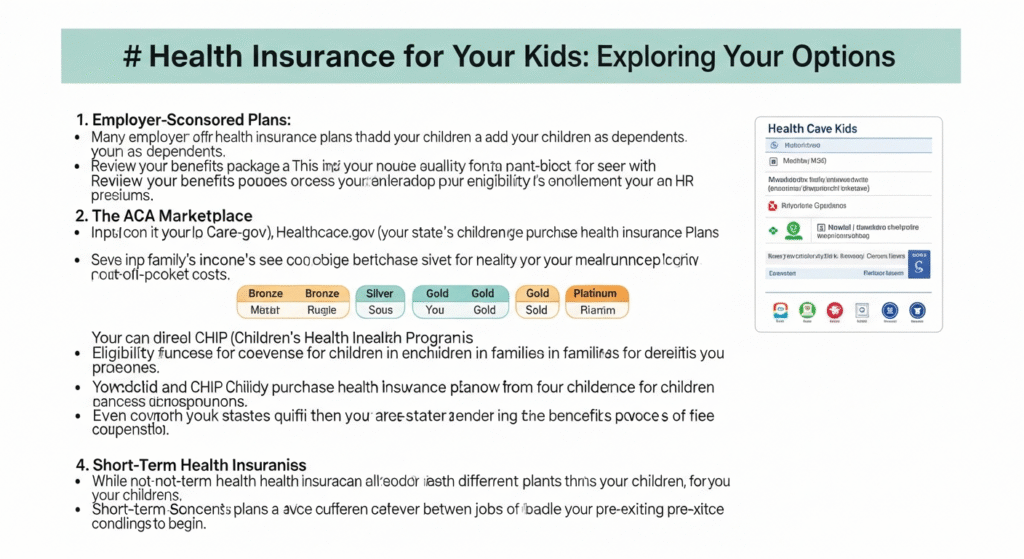
Finding reliable, affordable health insurance for your children is one of the most profound acts of love and responsibility a parent can undertake. It’s about more than just covering medical bills; it’s about ensuring your child has access to preventative care, life-saving treatments, and the peace of mind that comes from knowing they are protected. At Protect Families Protect Choices, we understand that navigating the healthcare landscape can feel overwhelming, especially when you’re advocating for the smallest members of your family. This comprehensive guide is designed to empower you with the knowledge and resources you need to secure the best possible health insurance for your kids, ensuring they thrive from infancy through adolescence and beyond.
The Critical Importance of Health Insurance for Children
The absence of adequate health insurance can cast a long shadow over a child’s life. Preventative care, the cornerstone of healthy development, often becomes inaccessible. Regular check-ups, crucial immunizations that protect against preventable diseases, and developmental screenings that catch issues early are all vital services typically covered by insurance. Without them, children are at a significantly higher risk for serious health complications that could have been avoided or managed with timely intervention. Imagine a scenario where a child develops a common childhood illness, like strep throat or an ear infection. Without insurance, the cost of a doctor’s visit, tests, and medication can quickly escalate, forcing parents to make difficult choices between their child’s immediate health needs and other essential family expenses. This is precisely the kind of burden Protect Families Protect Choices strives to alleviate through advocacy and information.
Beyond routine care, health insurance is an indispensable shield against the unexpected. Accidents happen, especially in active households, which is why advocating for comprehensive health coverage is as important as implementing robust home safety tips for every family. A playground fall resulting in a broken arm, an emergency appendectomy, or the sudden onset of a chronic condition like asthma or diabetes can carry exorbitant costs. For families without insurance, these events can lead to catastrophic medical debt, threatening their financial security and causing immense stress. With insurance, families gain peace of mind, knowing that the vast majority of these unforeseen expenses will be covered, allowing them to focus on their child’s recovery rather than the looming bills.
Furthermore, early access to care facilitated by health insurance has profound long-term implications for a child’s health outcomes. Children who receive regular medical attention are more likely to achieve their developmental milestones, maintain good physical and mental health, and perform better academically. Undiagnosed or untreated conditions in childhood can lead to more severe problems in adulthood, impacting quality of life and future opportunities. Health insurance ensures that children have access to specialists, therapies, and ongoing management for chronic conditions, fostering an environment where they can thrive and reach their full potential. It’s an investment in their future, an affirmation of their right to health, and a powerful tool for parents advocating for the best for their children.
Finally, securing health insurance for your children is a fundamental act of family advocacy. It’s about asserting your right to access quality healthcare for your loved ones and ensuring that economic barriers do not prevent your children from receiving the care they deserve. This commitment aligns perfectly with the mission of Protect Families Protect Choices, empowering families to navigate complex systems and make informed decisions that safeguard their children’s well-being. It is a powerful demonstration of care, protecting not just physical health, but also the emotional and financial resilience of the entire family unit.
Navigating the Health Insurance Marketplace (ACA)
For many families seeking health insurance for their children, the Health Insurance Marketplace, established under the Affordable Care Act (ACA), stands as a crucial and often highly beneficial resource. The ACA revolutionized access to healthcare, particularly for children, by ensuring that plans offered through the Marketplace cover Essential Health Benefits (EHBs) and prohibiting insurers from denying coverage or charging more based on pre-existing conditions. This means that if your child has a chronic illness, a developmental delay, or any other health concern, they cannot be discriminated against, a monumental victory for families and child advocates.
Understanding when and how to access the Marketplace is key. The primary window for enrollment is during the Open Enrollment Period, which typically runs for a few weeks each fall (for coverage starting the following January 1st). It’s essential to mark these dates on your calendar and proactively review your options. For 2026 coverage, you’ll want to pay close attention to the dates announced in late 2025. During Open Enrollment, you can compare a variety of plans, assess their pediatric benefits, and select the one that best fits your family’s needs and budget.
However, life doesn’t always align with fixed enrollment periods. This is where Special Enrollment Periods (SEPs) become incredibly important. An SEP allows you to enroll in or change a health plan outside of Open Enrollment if you experience a Qualifying Life Event. For families, these events are particularly relevant:
- Birth or Adoption: Bringing a new child into your family is a qualifying life event, giving you 60 days from the date of birth or adoption to enroll your child in a plan.
- Marriage or Divorce: Changes in marital status can trigger an SEP.
- Loss of Other Health Coverage: If you lose job-based coverage, Medicaid, or CHIP, you typically have an SEP to enroll in a Marketplace plan.
- Moving: Moving to a new service area where your current plan isn’t available can qualify you for an SEP.
- Changes in Income: Significant changes in household income that affect your eligibility for subsidies can also open an SEP.
Understanding these events ensures that your child can remain covered even when life takes unexpected turns. Checking your eligibility for an SEP immediately after such an event is a critical step in maintaining continuous coverage.
One of the most significant advantages of the Marketplace for families is the availability of financial assistance. Depending on your household income and family size, you may be eligible for:
- Advance Premium Tax Credits (APTCs): These subsidies lower your monthly premium payments, making plans more affordable. They can be paid directly to your insurance company, reducing your out-of-pocket costs each month.
- Cost-Sharing Reductions (CSRs): These subsidies reduce your deductibles, co-payments, and out-of-pocket maximums, making healthcare more accessible when you use it. CSRs are only available if you enroll in a “silver” level plan.
These subsidies are designed to make comprehensive, quality health insurance accessible to a wider range of families, aligning perfectly with the mission of Protect Families Protect Choices to ensure every child has the opportunity to thrive.
When selecting a plan on the Marketplace, it’s crucial to look beyond just the premium. Consider the different types of plans available:
- HMO (Health Maintenance Organization): Generally lower premiums, but require you to choose a primary care provider (PCP) within their network and get referrals for specialists.
- PPO (Preferred Provider Organization): More flexibility to see out-of-network providers (though at a higher cost) and typically don’t require referrals, but often come with higher premiums.
- EPO (Exclusive Provider Organization): A hybrid, typically requiring you to stay within the network but without needing referrals.
- POS (Point of Service): A blend of HMO and PPO, offering some out-of-network coverage with referrals.
For children, ensure the plan’s network includes pediatricians, pediatric specialists (if needed), and local hospitals you trust. Check the deductible, co-pays for doctor visits and prescriptions, and the out-of-pocket maximum, which is the most you’d pay for covered services in a year. Remember, all Marketplace plans must cover the 10 Essential Health Benefits, including ambulatory patient services, emergency services, hospitalization, maternity and newborn care, mental health and substance use disorder services, prescription drugs, rehabilitative and habilitative services and devices, laboratory services, preventive and wellness services (including chronic disease management), and pediatric services (including oral and vision care). This comprehensive coverage is a significant benefit for families. You can apply and compare plans by visiting Healthcare.gov or your state’s specific marketplace website.
State-Sponsored Programs: Medicaid and CHIP
Medicaid is a joint federal and state program that provides comprehensive health coverage to millions of Americans, including children from low-income families. Eligibility for Medicaid is primarily based on household income relative to the Federal Poverty Level (FPL), but it also considers factors like family size and specific circumstances (e.g., pregnancy, disability). For children, Medicaid generally offers a very robust benefits package, often including:
- Doctor visits (preventative and sick care)
- Hospital stays
- Prescription medications
- Dental and vision care
- Mental health services
- Immunizations
- Specialist referrals
- Medical equipment
The specific income thresholds for Medicaid eligibility vary by state, as do some of the benefits, but federal guidelines ensure a baseline level of comprehensive care for children. Many states have expanded their Medicaid programs, making even more families eligible. For families who qualify, Medicaid coverage for children is typically free or involves very minimal out-of-pocket costs, making it an invaluable resource for ensuring continuous access to care.
The Children’s Health Insurance Program (CHIP), often known by different names in various states (e.g., Healthy Families, PeachCare for Kids), is another vital program that fills a critical gap in coverage. CHIP is designed for families who earn too much to qualify for Medicaid but cannot afford to purchase private health insurance, including plans offered through the Marketplace. It provides affordable, comprehensive health coverage for children and, in some states, pregnant women. Like Medicaid, CHIP benefits are extensive and typically include:
- Routine check-ups and doctor visits
- Immunizations
- Prescription medications
- Dental and vision care
- Hospital care
- Emergency services
- Laboratory and X-ray services
CHIP plans usually involve modest monthly premiums, co-payments for certain services, or deductibles, but these costs are significantly lower than private insurance and are capped to ensure affordability for families. The specific income eligibility limits for CHIP also vary by state, often extending to families earning up to 200% or even 300% of the FPL. This broad reach is intentional, aiming to cover a substantial portion of working families who might otherwise struggle to insure their children.
Applying for Medicaid and CHIP is designed to be as straightforward as possible. You can apply in several ways:
- Through your state Medicaid agency: Each state has a dedicated department that manages these programs. A quick online search for “[Your State] Medicaid” or “[Your State] CHIP” will usually lead you to their official website and application portal.
- Via HealthCare.gov: When you apply for coverage through the Health Insurance Marketplace (Healthcare.gov), you’ll be screened for Medicaid and CHIP eligibility automatically. If it looks like your family qualifies, your application information will be securely sent to your state agency for further processing. This integrated approach simplifies the process, ensuring families don’t miss out on potential benefits.
- At local community health centers or hospitals: Many healthcare providers and community organizations have staff who can assist families with the application process, offering guidance and support.
There is no specific enrollment period for Medicaid or CHIP; eligible families can apply at any time of the year. This flexibility is crucial for ensuring that children can gain coverage as soon as they need it, reflecting a commitment to continuous care.
Both Medicaid and CHIP are incredibly valuable resources for protecting children’s health, embodying the principles that Protect Families Protect Choices stands for. They offer a powerful safety net, ensuring that every child has the opportunity to receive the medical care essential for their growth, development, and overall well-being, without placing an undue financial burden on their families. These programs are not just about healthcare; they are about fostering equitable opportunities and stronger, healthier communities.
Employer-Sponsored Plans: A Common Pathway
For a significant number of families across the United States, employer-sponsored health insurance plans serve as the primary and most familiar pathway to securing coverage for their children. These plans, offered through a parent’s workplace, are often a convenient and cost-effective option, providing a vital layer of protection for millions of kids. Understanding how to navigate these benefits is crucial for maximizing their potential and ensuring your children receive the care they need.
The vast majority of employers who offer health insurance extend the option to cover dependents, including children. This typically means you can enroll your child (or children) in the same plan that covers you, often at a family rate that is subsidized by your employer. The process usually begins during your company’s Open Enrollment period, which occurs annually. This is your designated time to review your benefits, make changes to your existing coverage, or enroll new dependents. It’s imperative to pay close attention to these dates and deadlines, as missing them could mean your child goes without coverage or you miss an opportunity to optimize your plan.
Beyond the annual Open Enrollment, Qualifying Life Events (QLEs) are equally important for employer-sponsored plans. Just like with the Health Insurance Marketplace, certain life changes allow you to add your child to your plan outside of the standard enrollment period. The most common QLEs for children include:
- Birth or Adoption: Welcoming a new child into your family is almost always a qualifying event, giving you a limited window (typically 30 or 60 days) to add them to your plan. It’s crucial to act quickly after the birth or finalization of adoption to ensure seamless coverage.
- Marriage: If you get married, you may be able to add your spouse’s children to your plan, or your own children if you’re gaining new coverage through your spouse’s employer.
- Loss of Other Coverage: If your child loses coverage from another source (e.g., turning 26 and coming off a parent’s plan, a parent losing their job, or a divorce resulting in loss of coverage), this can also trigger an SEP to add them to your employer plan.
Always check with your HR department immediately following any of these events to understand the specific deadlines and paperwork required.
When enrolling your children in an employer-sponsored plan, it’s essential to thoroughly understand the specifics of the coverage. Don’t just look at the monthly premium; delve into the details:
- Deductibles: The amount you must pay out-of-pocket before your insurance begins to cover costs. Family deductibles can be higher than individual ones.
- Co-pays: Fixed amounts you pay for specific services, like doctor’s visits or prescription drugs.
- Co-insurance: A percentage of the cost of a covered service you pay after you’ve met your deductible.
- Out-of-Pocket Maximum: The most you will pay for covered services in a plan year. Once you reach this limit, your plan pays 100% of the cost of covered benefits. This is a critical protection for families in case of serious illness or injury.
- Network: Confirm that your preferred pediatricians, specialists, and local children’s hospitals are within the plan’s network to avoid higher out-of-network costs.
- Prescription Drug Coverage: Understand the formulary (list of covered drugs) and the tiered co-pay structure for medications your child might need.
Your employer is legally required to provide a Summary of Benefits and Coverage (SBC) for each plan offered. This document is a standardized, easy-to-understand overview of the plan’s features and costs. Take the time to read it carefully and compare options, especially if your employer offers multiple plans (e.g., an HMO and a PPO). Sometimes, a plan with a slightly higher premium might offer better coverage for pediatric services, a lower deductible, or a more extensive network, ultimately saving your family money and stress in the long run.
For families with two working parents, comparing spousal coverage options is also a smart strategy. One parent’s employer plan might offer more robust pediatric benefits or a more affordable family premium than the other’s. It’s worth running the numbers and comparing the benefits side-by-side to determine which plan provides the best value and coverage for your children. Some employers also impose a “spousal surcharge” if your spouse has access to coverage elsewhere but chooses to enroll in your plan, so be aware of these potential additional costs.
Employer-sponsored plans are a cornerstone of health security for many children, offering a structured and often subsidized path to comprehensive care. By actively engaging with your HR department, understanding the plan details, and acting promptly during enrollment periods or after qualifying life events, you can ensure your children remain well-protected, allowing your family to thrive, a core principle of Protect Families Protect Choices.
Other Avenues: Private Insurance, COBRA, and Special Circumstances
While the Health Insurance Marketplace, state-sponsored programs, and employer-sponsored plans cover the vast majority of children, there are other important avenues and special circumstances that families might encounter when seeking health insurance. Understanding these alternative options can be crucial for maintaining continuous coverage and ensuring no child falls through the cracks, a commitment deeply shared by Protect Families Protect Choices.
Direct Private Purchase: For families who do not qualify for subsidies on the Marketplace and do not have access to employer-sponsored coverage, purchasing a private health insurance plan directly from an insurance company is an option. These plans are still generally ACA-compliant, meaning they must cover Essential Health Benefits and cannot discriminate based on pre-existing conditions. However, without the benefit of tax credits or employer contributions, premiums for privately purchased plans can be significantly higher. This route is often considered after exploring all other subsidy-eligible options, as it tends to be the most expensive. When considering a direct private plan, carefully compare benefits, networks, and costs from multiple insurers, just as you would on the Marketplace.
COBRA (Consolidated Omnibus Budget Reconciliation Act): COBRA is a federal law that allows employees and their dependents to continue their health insurance coverage for a limited time (typically 18 or 36 months) after certain qualifying events, such as job loss (for reasons other than gross misconduct), reduction in work hours, death of the covered employee, divorce, or a child ceasing to be a dependent under the plan rules. While COBRA provides a vital bridge of coverage, it can be quite expensive, as you are responsible for paying the entire premium, plus an administrative fee (up to 102% of the plan’s cost). For families, COBRA can be a crucial temporary solution to maintain continuity of care for children, especially if a parent is between jobs or waiting for new employer coverage to begin. However, it’s often wise to compare COBRA costs with Marketplace plans, as you might find a more affordable option with subsidies.
Short-Term, Limited-Duration Plans: It is critical for families to approach “short-term” health insurance plans with extreme caution, especially when seeking coverage for children. These plans are explicitly not ACA-compliant. This means they do not have to cover Essential Health Benefits, can deny coverage or charge more for pre-existing conditions (which could include a child’s chronic asthma or a history of ear infections), and often have annual and lifetime caps on benefits. While they may appear to have very low premiums, their limited coverage means families could face enormous out-of-pocket costs if a child experiences a serious illness or injury. For children, who require comprehensive care, including preventative services and potentially unexpected medical needs, short-term plans are generally not recommended as primary coverage. Protect Families Protect Choices advises families to always prioritize comprehensive, ACA-compliant plans to safeguard their children’s health.
TRICARE for Military Families: For active-duty service members, retired service members, National Guard/Reserve members, and their families, TRICARE provides comprehensive health coverage. TRICARE offers various plans (e.g., TRICARE Prime, TRICARE Select) tailored to different situations, ensuring that military children have access to high-quality healthcare, regardless of where their parents are stationed. This is a robust and essential benefit for our service families, providing extensive pediatric care, specialty services, and mental health support. Understanding the specific TRICARE option available to your family and how to enroll your children is vital for military parents.
Indian Health Service (IHS): American Indian and Alaska Native individuals may be eligible for healthcare services through the Indian Health Service (IHS). While IHS provides direct healthcare services and referrals, it is often recommended that eligible individuals and families also enroll in Medicaid, CHIP, or a Marketplace plan if available. This combination can provide more comprehensive coverage, broader access to services outside of IHS facilities, and financial protection against high costs. Families should explore all options to ensure their children have the most extensive care possible.
Foster Children: Children in foster care are automatically eligible for Medicaid or CHIP, ensuring they receive necessary medical, dental, and mental health services. The state assumes responsibility for their healthcare coverage, recognizing the unique vulnerabilities and needs of children in the foster system. Foster parents should work closely with their caseworkers and state agencies to ensure their foster children’s health needs are met and their coverage is properly administered.
Children with Special Healthcare Needs: For children living with disabilities or complex medical conditions, securing comprehensive health insurance is paramount. These children often require extensive specialist care, therapies, durable medical equipment, and prescription medications. The ACA’s protections against pre-existing condition exclusions are particularly impactful for these families. Additionally, state Medicaid programs often have specific waivers or programs (e.g.,Katie Beckett waivers) that can provide coverage for children with significant medical needs, even if their family’s income exceeds traditional Medicaid limits, by focusing on the child’s individual income and assets. Advocating for these children often involves navigating multiple systems and understanding the full spectrum of benefits available, underscoring the importance of resources like Protect Families Protect Choices.
Exploring these diverse avenues ensures that every family has a path to securing essential health insurance for their children, adapting to various life circumstances and financial situations. It’s a testament to the idea that advocating for children’s health means understanding all available options and fighting for the best possible care.
Maximizing Your Child’s Health Benefits and Advocacy
Securing health insurance for your children is a monumental achievement, but the journey doesn’t end with enrollment. To truly protect your family and ensure your children thrive, it’s essential to actively engage with their health benefits and become a proactive advocate for their care. At Protect Families Protect Choices, we believe that informed parents are empowered parents, capable of navigating the healthcare system and demanding the best for their children.
Proactive Engagement with Care: The most effective way to maximize your child’s health benefits begins with proactive engagement in their healthcare. This means scheduling and attending all recommended annual check-ups, well-child visits, and immunizations. Preventative care is often covered 100% by insurance plans, as mandated by the ACA, and it’s invaluable. These visits allow pediatricians to monitor your child’s growth and development, catch potential issues early, and provide vital vaccinations that protect against serious illnesses. Think of these visits as your first line of defense, just as home safety tips for every family are about preventing accidents before they happen. Regular check-ups can identify developmental delays, vision or hearing problems, or early signs of chronic conditions, leading to timely interventions that can significantly improve long-term outcomes.
Understanding Your Policy Inside and Out: Don’t just file away your insurance card and never look at the policy details again. Take the time to understand what’s covered, what requires prior authorization, and what isn’t covered.
- Covered Services: Know your co-pays for doctor visits, specialists, and emergency care. Understand your deductible and out-of-pocket maximum. This knowledge helps you budget for healthcare expenses and avoids surprises.
- Prior Authorizations: Many plans require “prior authorization” for certain services, such as specialized tests (MRIs, CT scans), specific medications, or non-emergency hospital procedures. Failing to get prior authorization can result in the insurer refusing to pay. Always check with your insurance company or your doctor’s office before undergoing significant procedures or starting new treatments.
- Network vs. Out-of-Network: Be aware of your plan’s network of providers. Using in-network doctors and facilities will typically result in lower costs. If your child needs a specialist who is out-of-network, understand the potential additional costs or if your plan offers any out-of-network benefits.
- Appealing Denials: If your insurance company denies coverage for a service or prescription your child needs, don’t give up! You have the right to appeal the decision. Start by contacting your insurance company to understand why the claim was denied. Gather all relevant medical documentation from your child’s doctor and submit a formal appeal. If your internal appeal is denied, you often have the right to an external review by an independent organization. This process can be challenging, but persistent advocacy can often lead to overturned decisions, especially when medically necessary care is at stake.
Keeping Meticulous Records: Develop a system for organizing all your child’s medical and insurance-related documents. This includes:
- Copies of insurance cards and policy summaries.
- Records of all doctor visits, diagnoses, treatments, and prescriptions.
- Correspondence with your insurance company, including dates, names of representatives you spoke with, and reference numbers for calls.
- All bills and explanation of benefits (EOBs) statements.
Having organized records is invaluable for tracking care, appealing denials, and ensuring accurate billing. It empowers you with the information you need to advocate effectively for your child.
Connecting Health to Broader Well-being: Remember that physical health is deeply intertwined with mental and emotional well-being. Advocating for your child’s health extends to creating a supportive home environment and teaching responsible habits. Just as we preach internet safety rules what not to do online to protect their digital lives, we must also foster habits that protect their physical and mental health. Ensure a balanced diet, regular physical activity, adequate sleep, and open communication about feelings. Many health insurance plans now offer robust mental health services for children, so don’t hesitate to seek support if your child is struggling with anxiety, depression, or other emotional challenges. Early intervention in mental health is just as critical as it is for physical ailments.
Looking Ahead to 2026 and Beyond: The healthcare landscape is constantly evolving. Staying informed about potential policy changes, new benefits, or shifts in eligibility criteria is part of ongoing advocacy. For 2026, and in every year to come, Protect Families Protect Choices will continue to monitor legislative developments and advocate for policies that strengthen access to affordable, comprehensive healthcare for children and families. Your active participation, whether through voting, contacting elected officials, or sharing your
Recommended Resources
Explore Automotive Quality Control Standards for additional insights.
Explore Benefits Of Meditation For Stress for additional insights.