


Understanding WIC: A Lifeline for Families
The Special Supplemental Nutrition Program for Women, Infants, and Children (WIC) stands as a beacon of support for millions of families across the United States. Established in 1974, WIC was born from a recognition that proper nutrition during critical stages of development – pregnancy, infancy, and early childhood – profoundly impacts long-term health, learning, and well-being. Its core mission is multifaceted: to provide nutritious foods to supplement inadequate diets, to offer nutrition education tailored to the specific needs of its participants, to promote and support breastfeeding, and to facilitate referrals to essential healthcare and social services.
WIC serves a specific demographic: pregnant women, breastfeeding women up to one year postpartum, non-breastfeeding postpartum women up to six months postpartum, infants up to their first birthday, and children up to their fifth birthday. These categories are chosen because they represent periods of rapid growth and development, where nutritional deficiencies can have the most profound and lasting negative impacts. By intervening early with targeted nutritional support, WIC aims to prevent health problems and improve the dietary habits and health status of its participants.
The program operates through state health departments and local agencies, providing a personalized approach to family support. Participants receive benefits electronically, typically via an EBT card, which allows them to purchase specific WIC-approved foods at authorized grocery stores. This not only ensures access to vital nutrients but also empowers families to make healthy food choices within their communities. Beyond the tangible food benefits, the educational and referral components of WIC are equally powerful, equipping parents and caregivers with the knowledge and connections needed to foster healthier environments for their children. WIC is a testament to the idea that investing in the health of our youngest and most vulnerable members yields immense returns for society as a whole, fostering stronger families and more resilient communities.
Who Qualifies? Detailed WIC Eligibility Requirements

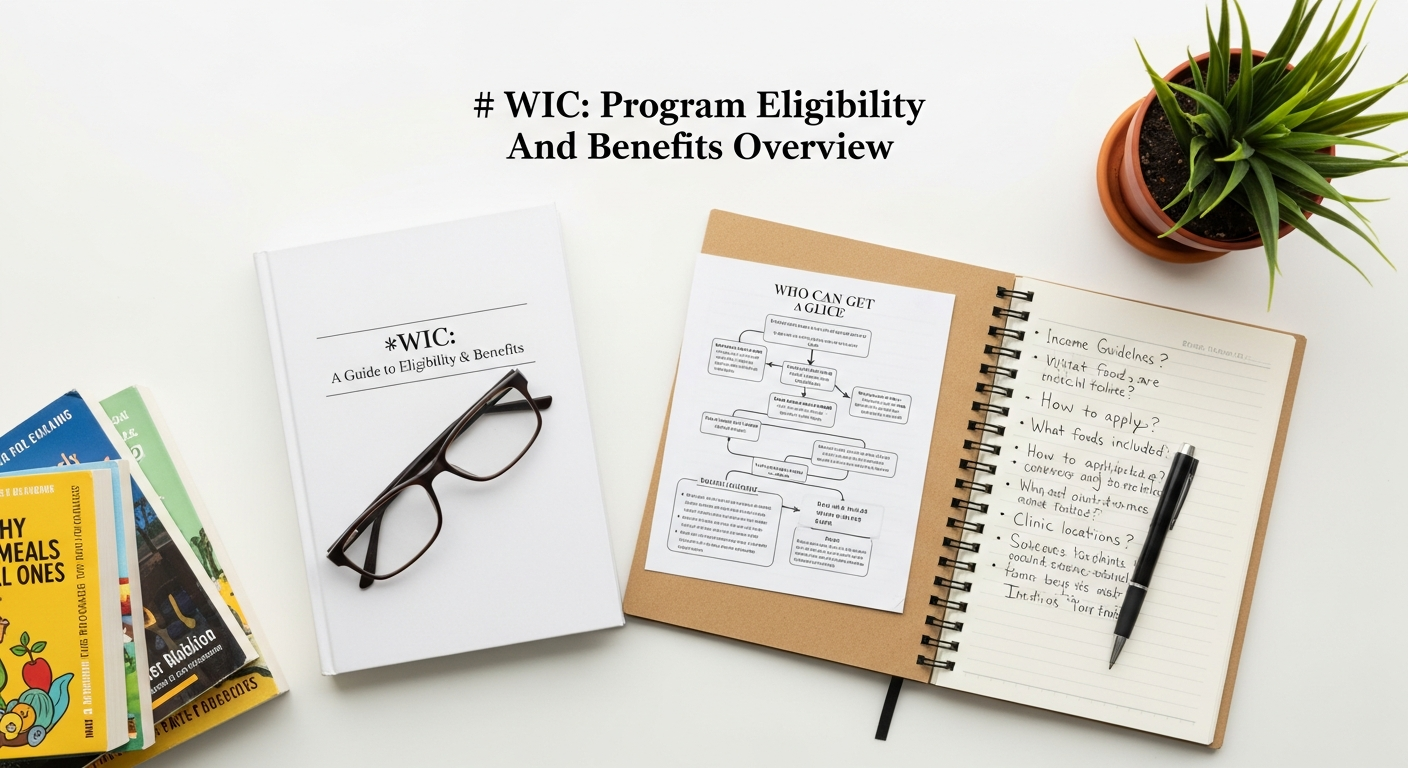
Navigating the eligibility criteria for any federal program can seem daunting, but understanding WIC’s requirements is straightforward once broken down. Eligibility for WIC is determined by four primary criteria: categorical eligibility, residency, income, and nutritional risk. All four must be met for an individual to qualify for the program.
Categorical Eligibility: Who WIC Serves
- Pregnant Women: From conception through the end of their pregnancy. WIC provides vital nutritional support during this crucial period, impacting both maternal and fetal health.
- Breastfeeding Women: Up to one year after childbirth. Breastfeeding is strongly encouraged and supported by WIC, recognizing its extensive benefits for both mother and infant.
- Non-Breastfeeding Postpartum Women: Up to six months after childbirth. Even if not breastfeeding, postpartum women have distinct nutritional needs that WIC helps address.
- Infants: From birth up to their first birthday. This is a period of rapid growth, and WIC ensures infants receive appropriate nutrition, including formula or solid foods as they develop.
- Children: From their first birthday up to their fifth birthday. WIC continues to support healthy development through toddler and preschool years.
Residency Requirements
To be eligible for WIC, an applicant must physically reside in the state where they are applying. While U.S. citizenship is not a requirement for WIC, applicants must be present in the state or local service area. For example, if you live in California, you must apply for WIC in California. Proof of residency, such as a utility bill or driver’s license, will be required during the application process.
Income Eligibility: Federal Poverty Guidelines
WIC is designed to assist low-income families. To meet the income requirement, an applicant’s gross household income (before taxes and deductions) must fall at or below 185% of the U.S. Poverty Income Guidelines, which are updated annually by the federal government. For example, if a family of three earns an annual income below the 185% threshold, they would likely qualify on income. It’s important to note that these guidelines vary by household size. Many states also offer automatic income eligibility if an individual or family already participates in other assistance programs, such as:
- Supplemental Nutrition Assistance Program (SNAP, formerly food stamps)
- Medicaid
- Temporary Assistance for Needy Families (TANF)
- Head Start (for children)
If you are enrolled in any of these programs, you are generally considered income-eligible for WIC. If not, you will need to provide proof of income, such as pay stubs, tax returns, or a letter from your employer, during your WIC appointment.
Nutritional Risk: A Crucial Assessment
Unlike income, nutritional risk is not a judgment but an assessment conducted by a health professional (such as a nutritionist, nurse, or dietitian) at the WIC clinic. This assessment determines if an individual has a medical-based or dietary-based risk that would benefit from WIC’s intervention. Examples of nutritional risk factors include:
- Medical-based risks: Anemia, underweight or overweight, history of pregnancy complications, chronic diseases, or other health conditions that require specific dietary support.
- Dietary-based risks: Inadequate or inappropriate dietary patterns, such as consuming too few fruits and vegetables, excessive intake of unhealthy fats, or lacking essential vitamins and minerals.
This assessment is a confidential part of the WIC certification process and is designed to identify specific needs that WIC’s food packages and nutrition education can address. It ensures that the program targets those who can benefit most from its services. Meeting these four comprehensive criteria ensures that WIC benefits reach the families who need them most, providing a crucial safety net for maternal and child health.
The Abundant Benefits of WIC: Nourishing Health and Futures
Nutritious Foods: Essential for Growth and Development
One of the most immediate and tangible benefits of WIC is access to a monthly food package comprising a variety of healthy, WIC-approved foods. These foods are scientifically selected to provide nutrients vital for growth and development, which are often lacking in the diets of the target population. The WIC food list typically includes:
- Fruits and Vegetables: A wide array of fresh, frozen, or canned options, promoting essential vitamins, minerals, and fiber.
- Whole Grains: Whole-wheat bread, tortillas, brown rice, or oatmeal, encouraging the intake of complex carbohydrates and fiber.
- Milk and Dairy Products: Low-fat or non-fat milk, cheese, and yogurt, crucial for calcium and vitamin D, supporting bone health.
- Eggs: A versatile source of protein and essential nutrients like choline.
- Cereal: Iron-fortified options to combat anemia, a common issue among pregnant women and young children.
- Peanut Butter or Legumes: Providing plant-based protein, healthy fats, and fiber.
- Juice: 100% fruit juice (in limited quantities, due to sugar content), providing Vitamin C.
- Infant Formula: For infants who are not breastfed, specific types and quantities are provided based on their needs.
- Baby Food: Pureed fruits, vegetables, and meats for infants transitioning to solids.
- Fish: Canned tuna or salmon, particularly for breastfeeding mothers, offering omega-3 fatty acids.
The specific items and quantities in a food package are tailored to the participant’s category (e.g., pregnant, breastfeeding, infant, child) and individual nutritional needs, ensuring appropriate dietary support.
Nutrition Education: Empowering Informed Choices
WIC’s nutrition education component is as critical as its food benefits. Participants receive personalized counseling and group classes on a variety of topics, including:
- Healthy eating habits for pregnancy and childhood.
- Meal planning and preparation on a budget.
- Understanding food labels and making nutritious choices.
- Addressing picky eating in children.
- Safe food handling practices.
- The importance of physical activity for the whole family.
This education empowers families with the knowledge to make sustainable healthy choices, extending the benefits of WIC far beyond the program’s duration. It teaches practical skills that contribute to a lifetime of better health.
Breastfeeding Support: A Foundation for Health
WIC is a national leader in promoting and supporting breastfeeding. The program offers comprehensive breastfeeding support services, including:
- Peer Counseling: Experienced mothers who have breastfed their own children provide encouragement, guidance, and practical tips.
- Lactation Consultants: Access to certified lactation specialists for professional advice on latching, milk supply, and overcoming common breastfeeding challenges.
- Breast Pump Provision: Providing manual or electric breast pumps to help mothers maintain milk supply, especially when returning to work or school.
The emphasis on breastfeeding stems from overwhelming scientific evidence demonstrating its benefits for both mother and child, including reduced risk of infant infections, allergies, chronic diseases, and improved maternal health outcomes.
Healthcare Referrals: Connecting Families to Essential Services
WIC acts as a crucial gateway to other vital healthcare and social services. During WIC appointments, participants are screened for other needs and referred to appropriate resources, such as:
- Prenatal and Postpartum Care: Ensuring pregnant women receive regular check-ups and follow-up care after childbirth. This is central to What Is Reproductive Health, emphasizing preventative care and positive outcomes for mothers and infants.
- Pediatric Care: Connecting infants and children to regular check-ups, immunizations, and developmental screenings.
- Dental Care: Promoting oral health for both mothers and children.
- Immunization Services: Ensuring children receive recommended vaccinations.
- SNAP (Supplemental Nutrition Assistance Program) and Medicaid: For ongoing food and healthcare assistance.
- Head Start and Early Head Start: Programs for early childhood education and development.
- Family Planning Services: Offering referrals to resources that support informed decisions about family size and spacing.
- Substance Abuse Counseling: Providing pathways to support for those struggling with addiction.
These referrals are critical in establishing a comprehensive network of support for families, addressing needs beyond just nutrition. WIC’s proactive approach in connecting families to these services is instrumental in fostering overall health and stability.
Long-term Benefits: Building Stronger Futures
The impact of WIC extends far beyond the immediate provision of food. Studies consistently show that WIC participation leads to:
- Improved birth outcomes, including fewer premature births and higher birth weights.
- Reduced rates of iron deficiency anemia in children.
- Better dietary intake and growth for infants and children.
- Improved cognitive development and school readiness for WIC children.
- Increased rates of breastfeeding initiation and duration.
- Reduced healthcare costs due to improved preventative health.
By investing in WIC, we are investing in the health, education, and economic stability of future generations. It’s a powerful program that truly nourishes health and builds stronger futures for families across the nation.
Applying for WIC: A Step-by-Step Guide
Accessing WIC benefits is a straightforward process designed to be as user-friendly as possible. Understanding the steps involved will help you prepare and ensure a smooth application experience. Protect Families Protect Choices encourages all eligible families to explore this invaluable resource.
Step 1: Locate Your Local WIC Clinic
The first step is to find the WIC clinic or agency closest to you. WIC is administered at the state level, so you can start by searching online for your state’s WIC program (e.g., “California WIC,” “Texas WIC”). Most state WIC websites have a clinic locator tool. Alternatively, you can contact your local health department, hospital, or community health center, as many of these host WIC clinics.
Once you find a clinic, you will need to schedule an appointment. Due to the comprehensive nature of the certification process, walk-ins are often not accommodated for initial applications, especially as we look towards 2026 and clinics continue to refine their scheduling systems.
Step 2: Gather Required Documents
To ensure a smooth and efficient certification process, it’s essential to bring specific documents to your WIC appointment. Having these ready will prevent delays:
- Proof of Identity: For each applicant (yourself, your infant, and children). Acceptable documents include a driver’s license, state ID, birth certificate, passport, or hospital identification band for newborns.
- Proof of Residency: A document showing you live in the state and local service area where you are applying. Examples include a utility bill (electric, gas, water), a rental agreement, or a driver’s license with your current address.
- Proof of Income: Documentation of your household’s gross income (before taxes and deductions). This could be recent pay stubs (for the past month or two), a letter from your employer, tax returns, or documentation of unemployment benefits. If you are automatically income-eligible through programs like SNAP, Medicaid, or TANF, bring proof of enrollment in those programs.
- Proof of Pregnancy (if applicable): A doctor’s note or medical record confirming pregnancy and estimated due date.
- Medical Information (if available): Any recent medical records for infants or children, such as immunization records, growth charts, or a doctor’s referral form if they have specific health concerns. While not always strictly required for the first visit, having it can help with the nutritional risk assessment.
Step 3: Attend Your WIC Appointment
Your WIC appointment will typically involve a few key components:
- Interview: A WIC staff member will review your documents and gather necessary information about your household and family structure.
- Health and Nutritional Assessment: A WIC nutritionist or health professional will conduct a brief health screening for each applicant. This may include taking height, weight, and a finger-prick blood test for iron levels (especially for women and children). This is also where the nutritional risk assessment takes place, identifying specific dietary needs or health concerns. This is a non-judgmental process designed to understand how WIC can best support you.
- Nutrition Education: You will receive personalized nutrition counseling, discussing healthy eating habits, food package benefits, and any specific concerns identified during your assessment.
- Receiving Your Benefits: Once certified, you will receive an EBT card or similar electronic benefit transfer method. The WIC staff will explain how to use your card to purchase approved foods at authorized grocery stores.
Step 4: Understanding Your WIC Benefits and Recertification
WIC benefits are typically provided for a specific certification period (e.g., 6 months to a year), after which you will need to recertify. The WIC clinic will inform you when your benefits are due to expire and how to schedule your recertification appointment. This process is similar to the initial application, involving an updated assessment of your categorical, residency, income, and nutritional risk eligibility.
It’s important to keep your WIC clinic updated on any changes to your address, income, or family status. By following these steps, families can successfully apply for and receive the vital support offered by the WIC program, enhancing their health and well-being.
WIC and Holistic Family Well-being: Beyond Nutrition
While WIC is fundamentally a nutrition program, its impact on families extends far beyond the food benefits. It serves as a critical entry point to a broader network of health and social support services, fostering holistic well-being for the entire family unit. At Protect Families Protect Choices, we recognize that true family advocacy means addressing diverse needs, and WIC exemplifies this comprehensive approach.
Supporting Reproductive Health and Maternal Wellness
WIC’s focus on pregnant women directly contributes to positive What Is Reproductive Health outcomes. By providing essential nutrients like iron, folic acid, and calcium, WIC helps prevent common pregnancy complications such as anemia and neural tube defects. The program’s nutrition education guides mothers on healthy weight gain and dietary practices crucial for fetal development and maternal health. Moreover, WIC’s referrals to prenatal care ensure that pregnant individuals receive regular medical supervision, which is fundamental to reproductive health. This early intervention sets the stage for healthier pregnancies, safer deliveries, and healthier infants, empowering women to have positive reproductive experiences.
Beyond pregnancy, WIC supports postpartum women, recognizing the continued importance of maternal health. This includes support for breastfeeding mothers, which has significant long-term reproductive health benefits, such as reduced risks of certain cancers and improved postpartum recovery. By encouraging mothers to prioritize their own nutrition and health, WIC strengthens the entire family’s foundation.
Encouraging Preventative Health: From Breast Health to Immunizations
WIC’s role in connecting families to healthcare services is pivotal for preventative health. While WIC does not directly provide services like mammograms, its consistent emphasis on referrals for regular check-ups and screenings indirectly supports comprehensive health. For instance, when WIC refers a postpartum woman to her primary care physician, that physician can then discuss the importance of preventative screenings, including those outlined in a Breast Health And Mammogram Guide.
WIC staff often remind participants about the importance of routine physicals and age-appropriate screenings, reinforcing the idea that women’s health is a continuous journey. By ensuring families have access to a healthcare provider, WIC implicitly promotes the uptake of vital preventative services that can detect health issues early, including breast cancer screenings, which are critical for women’s long-term health. Similarly, WIC clinics often check immunization records and refer families to clinics for necessary vaccinations, protecting children from preventable diseases.
Inclusivity and Support for Diverse Family Structures, Including LGBTQ+ Families
A cornerstone of effective family advocacy is inclusivity. WIC is committed to serving all eligible families, regardless of their family structure, marital status, race, ethnicity, or sexual orientation. This means that LGBTQ Family Planning Options and diverse family units are fully supported by WIC, provided they meet the categorical, residency, income, and nutritional risk criteria.
Whether a child is being raised by same-sex parents, through adoption, or other non-traditional family structures, WIC ensures that eligible infants and children receive the same vital nutritional support and healthcare referrals. The program’s focus is on the needs of the eligible individual (pregnant woman, infant, or child), not on the specific composition of their household, as long as the caregivers are legally responsible for the children. This inclusive approach aligns perfectly with Protect Families Protect Choices’ mission to support all families in building healthy, thriving lives, ensuring that every child has the best start possible, regardless of their family’s unique journey.
Furthermore, WIC often provides referrals to mental health services, recognizing that mental well-being is intrinsically linked to physical health and family stability. The program also fosters a sense of community among participants through group education sessions, creating a supportive environment where parents can share experiences and resources. By integrating nutrition, education, healthcare access, and inclusive support, WIC truly promotes a holistic approach to family well-being, building stronger, healthier, and more resilient families for today and for 2026.
Maximizing Your WIC Benefits: Tips and Resources
Once certified for WIC, understanding how to effectively utilize your benefits can significantly enhance your family’s health and budget. Protect Families Protect Choices believes in empowering families with the knowledge to make the most of every resource available to them. Here are key tips and resources to help you maximize your WIC benefits.
Understand Your Food Package and Shopping Guidelines
Your WIC food package is specifically designed to meet your family’s nutritional needs. Take the time to understand exactly what foods are included, the quantities, and any specific brand or type requirements. For example, some WIC programs might specify whole-wheat bread, certain types of milk (e.g., skim or 1%), or particular brands of cereal. Always refer to your WIC shopping list or app provided by your state agency.
- Keep Your WIC Shopping List Handy: This list details all approved foods and quantities. Many states now offer WIC apps that make checking your benefits and approved foods easy.
- Look for the WIC Label: Many grocery stores place a “WIC” label next to approved items on shelves, making shopping quicker and easier.
- Shop Smart: Plan your meals around your WIC foods. Incorporate WIC fruits, vegetables, whole grains, and proteins into your weekly meal planning to stretch your family’s grocery budget further.
- Know Your Balance: Keep track of your WIC EBT card balance, just like a debit card. Most states allow you to check your balance online, through a mobile app, or by calling a toll-free number.
Actively Engage with Nutrition Education
The nutrition education provided by WIC professionals is a valuable, often underutilized, resource. These sessions are tailored to your family’s needs and can offer practical solutions to common dietary challenges.
- Ask Questions: Don’t hesitate to ask your WIC nutritionist about specific concerns, such as managing a picky eater, introducing new foods, or adapting recipes to be healthier.
- Utilize Online Resources: Many state WIC programs offer online nutrition education modules that you can complete at your convenience, often counting towards your education requirement.
- Attend Group Sessions: These can be a great way to learn from other parents, share experiences, and build a supportive community.
Leverage WIC Referrals for Comprehensive Care
WIC staff are experts at connecting families to a wide array of health and social services. Don’t overlook the power of these referrals.
- Follow Through on Referrals: If WIC refers you to a pediatrician, dentist, or other social service, make the appointment. These connections are vital for addressing holistic family needs.
- Communicate Your Needs: Let your WIC counselor know if your family has new health concerns, housing instability, or other challenges. They can often provide referrals to appropriate resources like SNAP, Medicaid, housing assistance, or even legal aid services.
Stay Informed About Program Changes
WIC program details, including food lists and income guidelines, can change annually. For instance, as we move into 2026, there might be updates to approved food items or income thresholds. Staying informed ensures you continue to receive all eligible benefits.
- Regularly Check Your State WIC Website: This is the most reliable source for current guidelines and news.
- Maintain Contact with Your Clinic: Your local WIC clinic will notify you of any significant changes or upcoming recertification appointments.
Participate in Breastfeeding Support
If you are a breastfeeding mother, fully engage with WIC’s breastfeeding support services. These resources are designed to help you succeed and can be invaluable.
- Connect with Peer Counselors: They offer practical advice and emotional support from someone who has been there.
- Utilize Lactation Consultants: For more complex breastfeeding challenges, a certified lactation consultant can provide expert guidance.
- Access Breast Pumps: If needed, WIC can provide breast pumps to help maintain milk supply, especially for mothers returning to work or school.
By actively engaging with all aspects of the WIC program, families can not only address immediate nutritional needs but also build a strong foundation for long-term health, wellness, and stability. WIC is a powerful tool for family empowerment, and maximizing its benefits is a proactive step towards a healthier future.
Frequently Asked Questions
Can WIC benefits be used for non-food items?▾
What if my income changes after I qualify for WIC?▾
How long do WIC benefits last?▾
Can fathers apply for WIC for their children?▾
Is WIC only for low-income families?▾
Can I use WIC benefits at any grocery store?▾
Recommended Resources
Related reading: Welding Types And Applications (Mitsubishi Manufacturing).
Learn more about this topic in How To Budget Money On Low Income at Diaal News.