1. The Power of Proactive Planning and Open Communication: Your Family’s Blueprint for Success
Parenthood, at its core, is a series of ongoing decisions and adaptations. One of the most transformative parenting hacks you can embrace is the art of proactive planning combined with relentless, open communication. This isn’t just about scheduling doctor appointments or playdates; it’s about collaboratively sketching out your family’s blueprint for daily life, short-term goals, and long-term aspirations. Imagine a household where everyone generally knows what to expect, where responsibilities are clear, and where potential conflicts are often mitigated before they even arise. This is the promise of proactive planning.
Before children even enter the picture, a crucial step for any prospective parents is to engage in open, honest discussions about 4 things you should discuss before having children. These foundational conversations often include shared values, parenting philosophies, division of labor, financial planning, and career aspirations. By establishing these understandings early, you lay a robust groundwork for future family dynamics. This parenting hack extends that initial foresight into the everyday. It means regularly checking in with your partner and, as children grow, involving them in age-appropriate planning sessions.
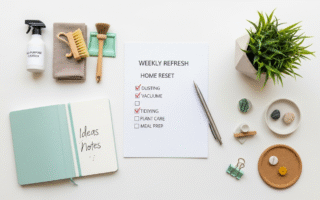
For example, a family “huddle” once a week can be incredibly effective. During this time, discuss the upcoming week’s schedule and assign roles to foster a sense of shared responsibility. This might involve creating a visual family calendar, a chore chart for older children, or even a simple whiteboard where everyone can see the week ahead. Key discussion points for your weekly family huddle might include:
- Who has school events, work deadlines, or appointments?
- What are the meal plans for the week, and who will help with grocery shopping or preparation?
- Are there any household chores that need special attention or new assignments?
- What family fun activities or downtime can we schedule together?
- Are there any upcoming challenges or celebrations we need to prepare for?
When children feel included in the planning process, they gain a stronger sense of autonomy and are more likely to cooperate. This isn’t just about task management; it’s about teaching valuable life skills like organization, time management, and the importance of collective effort. Furthermore, proactive planning gives you the space to anticipate and prepare for challenges, rather than being caught off guard. It allows you to protect your family’s peace and ensure that everyone feels heard, valued, and prepared for whatever life brings.
Open communication is the indispensable partner to proactive planning. It means actively listening to your children’s concerns, wishes, and ideas, and creating a safe space for them to express themselves without judgment. It means discussing expectations clearly, explaining the “why” behind rules, and being willing to adjust plans when necessary. This hack empowers parents by giving them a clear roadmap and empowers children by giving them a voice and a sense of belonging within the family structure, ensuring that choices are made with everyone’s well-being in mind.
2. Creating a “Yes” Environment: Nurturing Independence Through Thoughtful Home Safety
One of the most common words parents find themselves uttering is “No!” Whether it’s “No, don’t touch that!” or “No, don’t climb there!”, constant redirection can be exhausting for both parent and child. A revolutionary parenting hack is to proactively create what we call a “Yes” environment. This means meticulously designing your home space so that children, especially toddlers and preschoolers, have ample opportunities for independent exploration, play, and learning without constant parental intervention or safety concerns. It’s about shifting from reactive supervision to proactive environmental design.
This hack is inextricably linked to fundamental home safety tips for every family. Before you can say “yes” more often, you must ensure that your “no” zones are properly secured and that the accessible areas are genuinely safe. Start by getting down on your hands and knees to see your home from a child’s perspective. What looks appealing? What could be dangerous? Essential home safety measures include:
- Securing furniture (dressers, bookshelves, TVs) to walls to prevent tipping.
- Installing safety gates at the top and bottom of stairs.
- Covering all unused electrical outlets with safety caps.
Recommended Resources
For more on 6 top parenting, see Quality Control In Manufacturing on Mitsubishi Manufacturing.
You might also enjoy How To Drink More Water Daily from Diaal News.