The Ultimate Guide to Decluttering Your Home with Kids (and Keeping it That Way!) – 2026 Edition
Welcome to our comprehensive guide to decluttering your home with kids in 2026. At Protect Families Protect Choices, we believe in realistic strategies for real families. This isn’t about achieving a minimalist magazine cover; it’s about creating a functional, joyful, and calm environment that supports your family’s unique needs. We’ll share practical, judgment-free advice, age-appropriate tips, and a whole lot of encouragement to help you navigate the clutter, one thoughtful step at a time. Let’s create more space for what truly matters: connection, growth, and making beautiful family memories.
Why Decluttering Matters for Your Family (Beyond Just a Tidy House)
Before we dive into the “how,” let’s explore the powerful “why.” Decluttering isn’t just about aesthetics; it’s about fostering a healthier, happier environment for your entire family.
- Reduced Stress and Overwhelm: For parents, a cluttered home often translates to a cluttered mind. The constant visual noise and mental load of managing too many items can contribute to stress, anxiety, and a feeling of being perpetually behind. For children, excessive clutter can be overstimulating, making it harder to focus, play imaginatively, or relax. A calmer home environment benefits everyone’s mental well-being.
- Enhanced Creativity and Focus: When kids have fewer toys, they often engage more deeply with the ones they have. Research suggests that an abundance of choice can actually hinder creativity. With less clutter, children are encouraged to be more resourceful, invent new games, and focus on imaginative play rather than simply moving from one item to the next.
- Teaches Valuable Life Skills: Involving children in the decluttering process, even from a young age, teaches them critical life skills. They learn decision-making, problem-solving, responsibility, organization, and the value of generosity when donating items. These are lessons that extend far beyond their childhood bedrooms.
- More Quality Family Time: Imagine spending less time searching for lost items, tidying up overwhelming messes, or feeling frustrated by disorganization. Decluttering frees up precious time and mental energy, allowing you to engage more fully with your children, pursue family hobbies, or simply enjoy quiet moments together.
- Fosters Gratitude and Mindful Consumption: When children understand the process of choosing what to keep and what to let go of, they develop a greater appreciation for their belongings. It also encourages a more mindful approach to what comes into the home, fostering a sense of gratitude rather than an endless desire for more.
Shifting Your Mindset: The Foundation for Family Decluttering Success
Embarking on a decluttering journey with kids requires a different approach than decluttering solo. It’s less about perfection and more about progress, patience, and partnership.
- Progress, Not Perfection: This is perhaps the most crucial mindset shift. Your home doesn’t need to look like a showroom. The goal is a functional, comfortable space that supports your family. Celebrate small wins, acknowledge that some days will be messier than others, and understand that decluttering is an ongoing process, not a one-time event.
- It’s a Marathon, Not a Sprint: Don’t try to tackle your entire home in one weekend. That’s a recipe for burnout and frustration. Break down your decluttering efforts into small, manageable chunks – 15-30 minutes at a time, or one drawer/shelf per day. Consistent small efforts yield significant results over time.
- Involve the Kids (Age-Appropriately) from the Start: This isn’t just “your” project; it’s a family endeavor. When children feel like active participants rather than just recipients of your decisions, they are more likely to cooperate and adopt organized habits themselves. We’ll dive into age-specific tips shortly.
- Focus on “Enough” Not “All”: Instead of asking “What do I want to get rid of?”, try asking “What do we truly need and use to live comfortably and happily?” This subtle shift in perspective helps you define what “enough” means for your family.
- Lead by Example: Your children observe everything. If they see you regularly decluttering your own items, making thoughtful purchasing decisions, and putting things back in their designated spots, they are more likely to internalize these habits.
Age-by-Age Guide to Involving Your Kids in Decluttering
Successfully decluttering with kids means tailoring your approach to their developmental stage. Here’s how to make it a positive experience for everyone:
Toddlers (1-3 years): Laying the Groundwork for Organization
At this age, it’s about simple concepts and fun. They thrive on routine and clear expectations.
- Designated Homes: Ensure every toy has a clear, easy-to-reach “home” (e.g., a basket for blocks, a bin for cars). Label with pictures for non-readers.
- “Put Away” Games: Make tidying a game. “Let’s see how fast we can put the blocks in the blue bin!” or sing a clean-up song.
- Limited Choices: When decluttering their items, offer very limited choices. “Do you want to keep this car or this car?” rather than a whole bin. Gently remove broken or clearly unused items when they are not around.
- Toy Rotation: Keep only a selection of toys accessible at a time. Rotate them every few weeks. This keeps toys feeling “new” and reduces visual clutter.
Preschoolers (3-5 years): Building Independence and Understanding
Preschoolers are developing a stronger sense of self and can participate more actively.
- Keep, Donate, or Trash: Use three clearly labeled bins or piles. Explain what each means in simple terms. “This toy is broken, so it goes in the trash. This toy is too small for you now, so we can give it to another child who will love it.”
- One-on-One Sessions: Work with them on their items, one category at a time (e.g., all their stuffed animals). Let them make decisions with your guidance.
- Focus on Function: Ask questions like, “Do you still play with this?” or “Does this make you happy?”
- Celebrate Their Contributions: Praise their efforts and decisions. “Wow, you did such a great job deciding what to keep! Now you have more space to play.”
School-Aged Kids (6-12 years): Fostering Responsibility and Ownership
This is a prime age to teach organizational skills and the value of their belongings.
- Their Space, Their Rules (Within Reason): Give them more autonomy over their own room. Help them set up systems, but let them choose the specifics (e.g., where their books go).
- The “One In, One Out” Rule: Introduce this concept early. If they get a new toy or piece of clothing, an old one needs to go.
- Discuss Value and Purpose: Talk about why we donate items, the importance of taking care of what we have, and the joy of giving to others.
- Set Up a Donation Box: Have an ongoing box in a common area. When something is outgrown or no longer used, they can place it in the box themselves. When it’s full, take it to a donation center together.
- Digital Decluttering: Teach them to manage photos, apps, and games on their devices.
Teenagers (13+ years): Respecting Autonomy and Encouraging Self-Management
Teens need respect for their personal space but can still benefit from guidance.
- Collaborative Approach: Instead of dictating, collaborate. “Your room is feeling a bit overwhelming. How can we work together to make it a more comfortable space for you?”
- Focus on Benefits: Frame decluttering in terms of how it benefits them – less stress, easier to find things, a more relaxing environment for studying or hanging out.
- Lead by Example (Still!): Continue to manage your own clutter and model good habits.
- Problem-Solving: If their room is consistently messy, work together to identify the root causes and brainstorm solutions. Maybe they need more storage, or perhaps a different system for laundry.
- Digital Decluttering: This is huge for teens. Encourage regular purges of old files, photos, and unused apps on their phones and computers.
Practical Strategies for Tackling Common Clutter Hotspots
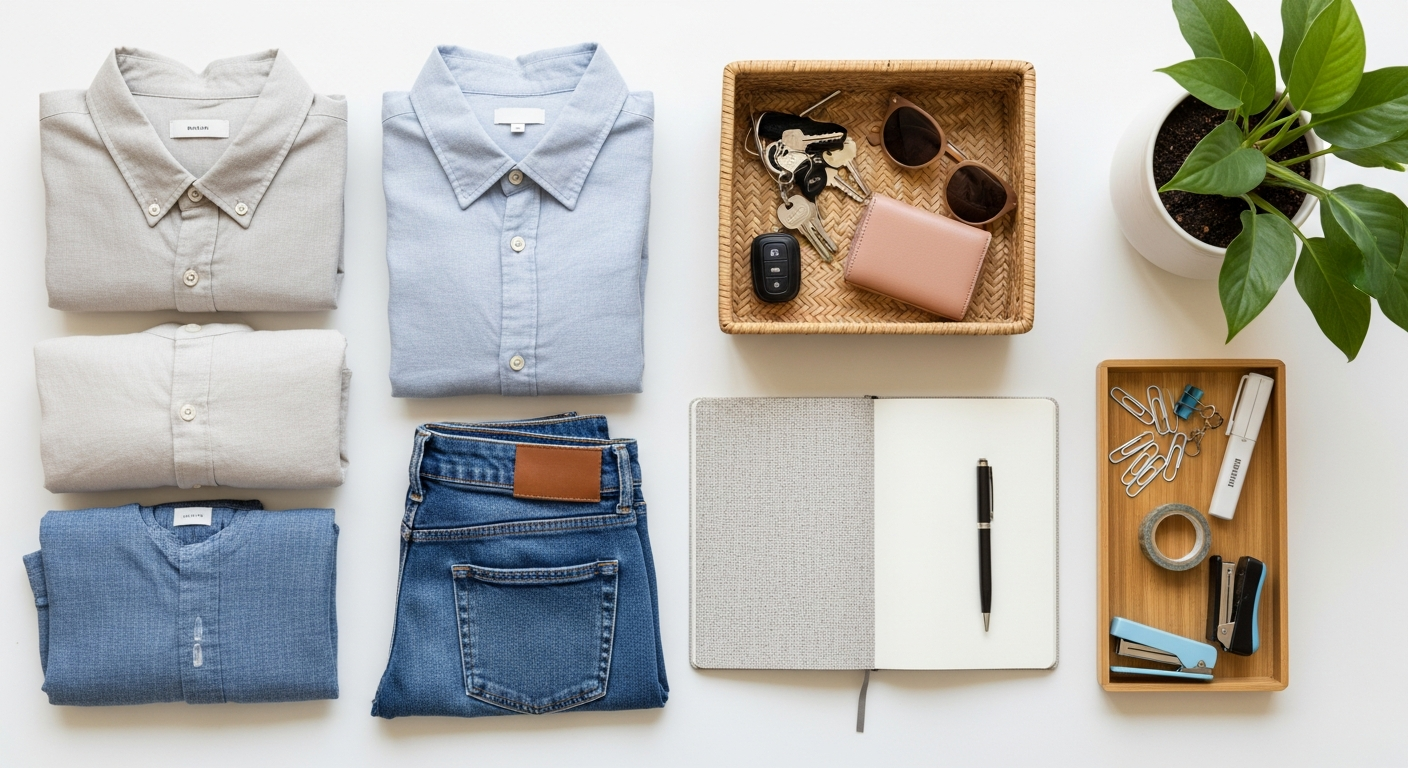
Now that we’ve covered the mindset and age-appropriate involvement, let’s get down to the nitty-gritty of tackling specific areas.
Toys: The Ever-Growing Mountain
- The “Keep, Donate, Store” Method: Have your child sort toys into these three categories. “Store” is for beloved items they don’t play with currently but aren’t ready to part with – these go into a “memory bin” or a designated storage area for a set period (e.g., 6 months).
- Toy Rotation System: As mentioned, this is a game-changer. Divide toys into groups and only keep one group accessible at a time. Rotate them every few weeks. This makes old toys feel new again.
- Evaluate Broken/Incomplete Items: Be ruthless with broken toys or sets with too many missing pieces. If it can’t be fixed or completed, it’s time for it to go.
- Designated Homes: Every toy category needs a specific bin, basket, or shelf. This makes tidying up much easier.
Clothes: Outgrown, Out of Style, or Simply Too Many
- Regular Purges: At least twice a year (seasonally), go through everyone’s wardrobes. For kids, pull out anything that’s too small, stained, damaged, or simply not worn.
- The “Too Small” Bin: Keep an ongoing bin for clothes that are outgrown but still in good condition. When it’s full, donate or pass them on.
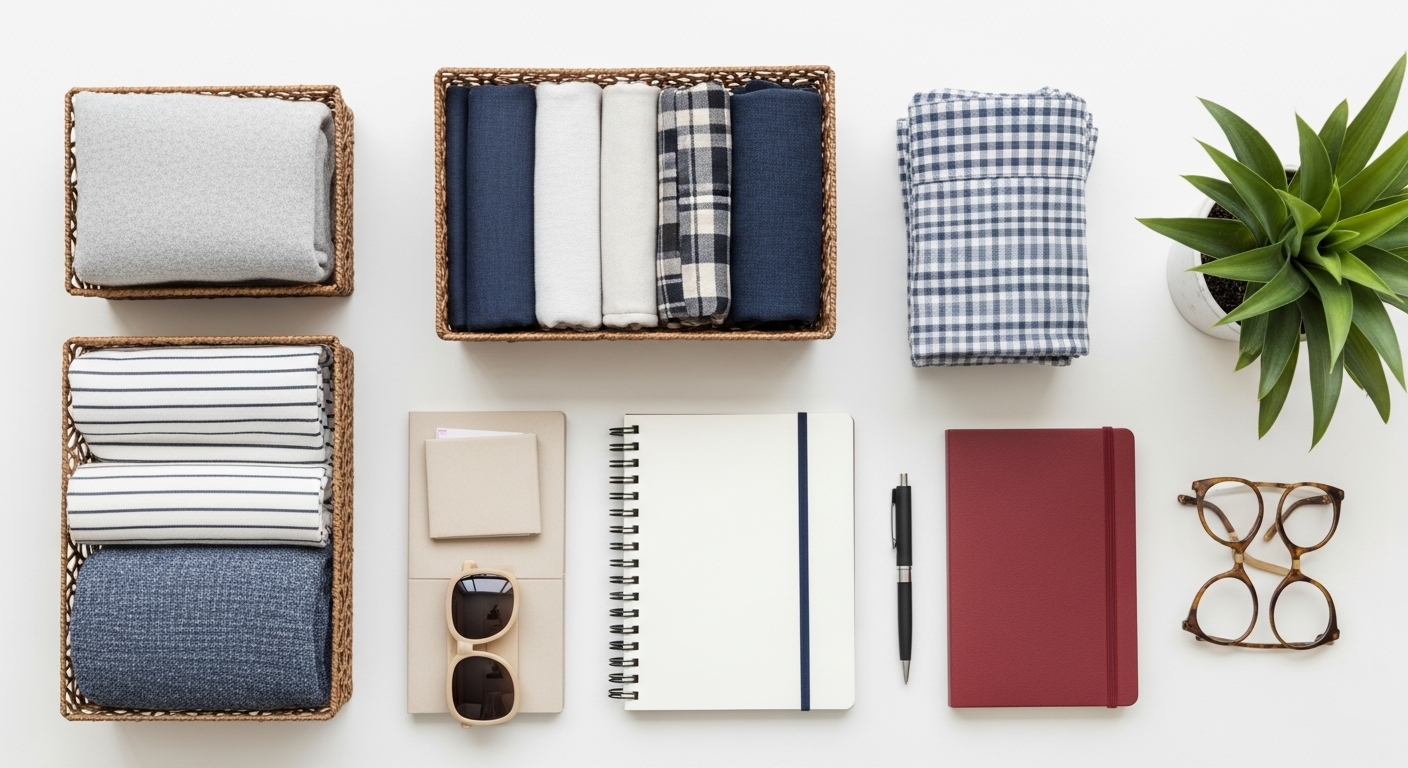
- Capsule Wardrobes for Kids: Consider creating a smaller, more versatile wardrobe for your children. Focus on quality basics that can be mixed and matched. This simplifies dressing and reduces laundry.
- “One In, One Out”: Reinforce this rule for clothes. If a new shirt comes in, an old one should go out.
Paperwork and Kids’ Art: Cherished Memories vs. Overwhelm
- The “Keepers” Box: Give each child a designated “keepers” box (a lidded plastic bin or decorative box). They can put their favorite artwork, special school papers, or small mementos inside. Once the box is full, they have to choose what to keep to make space for new items.
- Digital Archiving: Photograph artwork before discarding it. Create digital albums or even print a yearly photo book of their masterpieces. This preserves memories without physical clutter.
- Display Current Art: Use a magnetic fridge board, a clothesline with clips, or a rotating frame to display current favorites. Once new art comes in, rotate the old out.
- Actionable Paperwork: For school notices or important documents, have a clear “inbox” and a system for processing them immediately (e.g., add to calendar, respond, file, or discard).
Sentimental Items: The Heart of the Home
- Designated Memory Boxes: For your own sentimental items (wedding photos, baby clothes), create one or two clearly defined memory boxes. Everything must fit within these boxes.
- Tell the Story: Instead of keeping every physical item, consider the story it tells. Can you take a photo, write down the memory, and let go of the physical object?
- Family Heirlooms: Discuss with your family what truly constitutes an heirloom. Not every item from the past needs to be kept by the next generation.
Kitchen and Pantry: The Hub of Family Life
- Kid-Friendly Zones: Create zones in the kitchen that kids can access and manage themselves (e.g., a drawer with their plates/cups, a snack bin).
- Regular Purges: Go through the pantry and fridge weekly, discarding expired food and anything unused. Involve kids in putting away groceries and checking dates.
- “Home” for Everything: Ensure every kitchen item has a clear home. When kids help set the table or put away dishes, they learn these systems.
Maintaining the Calm: Strategies for Long-Term Decluttering Success
Decluttering isn’t a one-and-done event. It’s an ongoing practice. Here’s how to keep the clutter at bay in the long run:
- The “One In, One Out” Rule: This is your golden rule. When something new comes into your home (a toy, a shirt, a book), something similar needs to leave. This prevents accumulation.
- Regular Mini-Decluttering Sessions: Instead of waiting for overwhelm, schedule short (10-15 minute) decluttering sessions weekly or bi-weekly. Focus on one small area: a drawer, a shelf, the top of a dresser.
- Designated Homes for Everything: When every item has a “home,” putting things away becomes second nature for everyone. If something doesn’t have a home, it’s a sign you might have too much, or you need to create one.
- Mindful Consumption: Before bringing new items into your home, ask yourself: Do we truly need this? Do we have space for it? Will it add value to our lives? Encourage your children to think similarly.
- Family “Reset” Days: Once a month, dedicate an hour or two as a family “reset” time. Everyone tackles their own space, puts things away, and perhaps contributes to a donation box. Make it a fun, collaborative effort.