Why Healthy Eating Matters for Families: Fueling Your Choices and Advocacy
The adage “you are what you eat” holds profound truth, especially when considering the intricate ecosystem of a family. For parents, understanding the impact of nutrition on physical and mental health is a cornerstone of responsible care. Healthy eating isn’t merely about avoiding illness; it’s about optimizing every aspect of family life. It’s about ensuring that each member possesses the sustained energy to pursue their passions, the mental clarity to learn and grow, and the emotional stability to navigate the complexities of daily life. When families prioritize nutrient-dense foods, they’re investing in stronger immune systems, better sleep quality, and enhanced mood regulation – all essential components for a harmonious home and empowered individuals.
Consider the daily demands placed on parents and children alike. From school and work to extracurricular activities and community engagement, life requires significant stamina and focus. A diet rich in whole grains, lean proteins, fruits, and vegetables provides the consistent fuel needed for these activities, preventing the energy crashes and mood swings often associated with diets heavy in processed foods and refined sugars. This sustained vitality is crucial for children’s cognitive development and academic performance, helping them to concentrate in school and engage more fully with their learning. For adults, good nutrition supports sustained productivity, reduces stress, and enhances overall quality of life, allowing them to be more present and engaged with their families.
Moreover, the choices we make about food can empower us. Understanding what goes into our bodies gives us a sense of control and agency over our health outcomes. This empowerment echoes the very core of our advocacy at Protect Families Protect Choices – the right to make informed decisions about one’s body and future. Just as we advocate for reproductive rights and the freedom to choose one’s path, we also champion the right to choose healthful, nourishing foods that support a vibrant life. Healthy eating becomes a proactive choice, a daily affirmation of self-care and family well-being.
When families are well-nourished, they are better equipped to face challenges, whether it’s navigating a busy schedule or dealing with unexpected stressors. Their resilience is enhanced, and their ability to advocate for themselves and others is strengthened. Discussing health and nutrition is, in fact, one of the 4 things you should discuss before having children, as it lays a fundamental groundwork for the well-being of future generations. It’s not just about what to eat, but about building a lifestyle that supports physical and emotional strength, enabling families to live fully, make informed choices, and advocate effectively for their rights and values in the world.
Building a Solid Foundation: Meal Planning, Grocery Shopping, and Kitchen Prep
The journey to healthier family eating often begins long before a meal hits the table. It starts with intentional planning, smart shopping, and efficient kitchen preparation. These three pillars provide the structure necessary to consistently make nutritious choices, even amidst the chaos of busy family life.
The Power of Meal Planning
Weekly meal planning is perhaps the most impactful step you can take. It eliminates the dreaded “what’s for dinner?” scramble and reduces reliance on last-minute, often less healthy, takeout options. Begin by sitting down with your family once a week to plan meals. Involve everyone in the process; children are more likely to eat meals they’ve had a hand in choosing. Aim for variety, ensuring a balance of lean proteins, complex carbohydrates, and plenty of fruits and vegetables throughout the week. Consider themed nights (e.g., “Meatless Monday,” “Taco Tuesday”) to add fun and structure. Planning also helps you incorporate new ingredients and cooking methods, expanding your family’s palate and nutritional intake.
Smart Grocery Shopping Strategies
Once your meal plan is set, create a detailed grocery list based on your planned meals and snacks. Sticking to this list is crucial for saving money and avoiding impulse buys of less healthy items. Here are some tips for a successful grocery run:
- Shop the Perimeter: The outer aisles of most grocery stores contain fresh produce, dairy, and lean meats – the staples of a healthy diet. The inner aisles often house processed foods.
- Read Labels: Become an expert at deciphering food labels. Look for whole ingredients, low added sugar, healthy fats, and adequate fiber. Empowering yourself with this knowledge is a form of advocacy for your family’s health.
- Buy in Season: Seasonal fruits and vegetables are often more flavorful, nutritious, and cost-effective.
- Consider Bulk: Grains, nuts, seeds, and dried legumes can often be purchased in bulk, saving money and reducing packaging waste.
- Don’t Shop Hungry: Shopping on an empty stomach makes you more susceptible to unhealthy impulse purchases.
Efficient Kitchen Preparation and Home Safety
Meal prep doesn’t have to mean spending an entire Sunday cooking every meal for the week. It can be as simple as dedicating an hour or two to tasks that streamline dinner time. This might include:
- Washing and chopping vegetables for snacks or future meals.
- Cooking a large batch of grains (quinoa, brown rice) to use in various dishes.
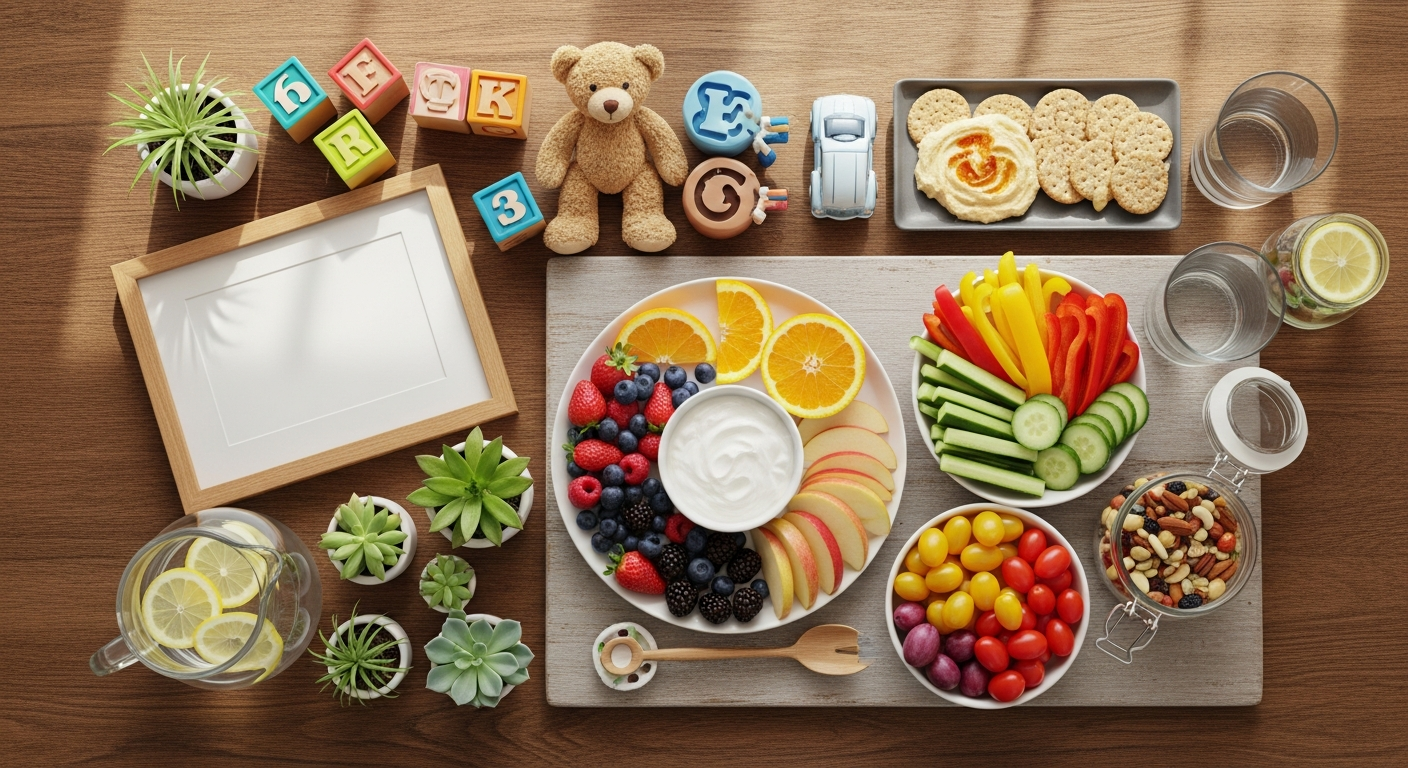
- Pre-portioned healthy snacks like fruit and nut mixes.
- Marinating proteins for quick cooking later in the week.
As you become more active in the kitchen, it’s also a vital opportunity to reinforce home safety tips for every family. Teach children about safe knife handling, the dangers of hot stoves and ovens, and the importance of keeping flammable items away from heat sources. Ensure proper food storage to prevent foodborne illnesses – refrigerate perishables promptly, understand expiration dates, and avoid cross-contamination by using separate cutting boards for raw meats and produce. A safe kitchen is a happy, healthy kitchen, enabling you to prepare nourishing meals with peace of mind.
Making Mealtimes Joyful, Inclusive, and Educational
The Importance of Family Meals
In our fast-paced world, sitting down together for a meal can feel like a luxury, but its benefits are immeasurable. Regular family meals have been linked to higher academic achievement, lower rates of substance abuse, and stronger emotional bonds among family members. These are the moments when stories are shared, lessons are learned, and children feel heard and valued. Make mealtimes a screen-free zone to encourage active conversation and presence. Even if it’s not every night, aiming for a few shared meals a week can make a profound difference.
Navigating Picky Eaters with Patience and Creativity
Almost every family encounters a “picky eater” phase, and it can be frustrating. Rather than turning mealtimes into battlegrounds, adopt strategies that foster a positive relationship with food:
- Involve Them: Let children help with grocery shopping, choosing produce, or simple kitchen tasks like washing vegetables or stirring. They are more likely to eat what they helped prepare.
- Repeated Exposure: It can take 10-15 exposures for a child to accept a new food. Keep offering small portions without pressure.
- Don’t Force It: Forcing a child to eat can create negative associations with food. Offer a healthy meal, but allow them to decide how much they eat.
- Creative Presentation: Cut vegetables into fun shapes, create colorful plates, or offer dips. Sometimes, a playful approach is all it takes.
- Lead by Example: Children mimic their parents. If they see you enjoying a variety of healthy foods, they are more likely to follow suit.
Remember that children’s appetites can vary daily. Focus on the overall quality of their diet over a week, rather than stressing about individual meals.
Mindful Eating and Empowering Choices
Teach your children, and practice yourself, the art of mindful eating. This means paying attention to hunger and fullness cues, savoring flavors, and eating without distractions. Encourage children to listen to their bodies, understanding that it’s okay to stop eating when they feel satisfied. This fosters a healthy relationship with food, preventing overeating and promoting self-regulation.
Empowerment also comes from giving children choices within healthy boundaries. Instead of asking “What do you want for dinner?” ask “Would you prefer broccoli or green beans tonight?” This gives them a sense of control while ensuring they still make a nutritious choice. Mealtimes are powerful opportunities to instill values of choice and respect, not just for food but for each other’s preferences and autonomy, much like the broader conversations we have about individual rights and choices, including those related to reproductive health.
Smart Snacking, Hydration, and Understanding Food Labels
Beyond structured meals, the choices we make for snacks and beverages play an equally critical role in a family’s overall health. Learning to make smart choices and deciphering food labels empowers families to make truly informed decisions about what they consume.
Purposeful Snacking for Sustained Energy
Snacks are not just treats; they are opportunities to bridge nutritional gaps between meals, maintain energy levels, and stabilize blood sugar. The key is to choose snacks that are nutrient-dense rather than calorie-dense with little nutritional value. Avoid ultra-processed snacks laden with sugar, unhealthy fats, and artificial ingredients. Instead, opt for:
- Fruits: Apples with peanut butter, berries, bananas, oranges.
- Vegetables: Carrot sticks, cucumber slices, bell pepper strips with hummus or a healthy dip.
- Dairy/Alternatives: Yogurt (plain, with fruit), cheese sticks, cottage cheese.
- Whole Grains: Whole-grain crackers with avocado, air-popped popcorn.
- Proteins/Healthy Fats: A handful of nuts or seeds, hard-boiled eggs.
Prepare snacks in advance to make healthy choices easy when hunger strikes. Portioned snacks can also help prevent overeating.
The Critical Role of Hydration
Water is essential for virtually every bodily function, from regulating body temperature to transporting nutrients and lubricating joints. Yet, many children and adults don’t drink enough. Dehydration can lead to fatigue, headaches, poor concentration, and irritability, impacting a family’s overall well-being. Make water the primary beverage choice for your family.
- Keep Water Accessible: Have pitchers of water on the table and encourage everyone to carry reusable water bottles.
- Flavor Naturally: If plain water is unappealing, infuse it with slices of fruit (lemon, cucumber, berries) or herbs (mint).
- Limit Sugary Drinks: Sodas, fruit juices (even 100% juice should be consumed in moderation due to high sugar content), and sweetened teas contribute significantly to added sugar intake and offer little nutritional value. These can lead to weight gain, dental issues, and an increased risk of chronic diseases.
Emphasize that water is the best choice for thirst, promoting healthy habits from an early age.
Empowering Choices Through Food Label Literacy
Understanding food labels is a vital skill that empowers families to make truly informed decisions. The nutrition facts panel and ingredient list provide a wealth of information that can guide your choices. Teach yourself and your children to look beyond marketing claims and focus on the facts:
- Serving Size: Pay attention to this; all other values are based on it. Many packages contain multiple servings.
- Added Sugars: This is a key indicator. The American Heart Association recommends no more than 25 grams (6 teaspoons) of added sugar per day for women and children, and 36 grams (9 teaspoons) for men. Sugars can hide under many names (high-fructose corn syrup, dextrose, maltose, etc.).
- Sodium: High sodium intake can contribute to high blood pressure.
- Fiber: Aim for foods rich in fiber, which aids digestion and promotes satiety.
- Ingredients List: Ingredients are listed in descending order by weight. Look for whole, recognizable foods at the top of the list. The fewer and more natural the ingredients, often the healthier the product.
- Fats: Distinguish between healthy fats (monounsaturated, polyunsaturated) and unhealthy fats (saturated, trans fats).
By becoming label-savvy, families can confidently navigate the grocery store, choosing products that genuinely support their health goals. This critical thinking about what we consume is akin to making informed decisions about our healthcare and reproductive rights – it’s about exercising our right to knowledge and choice for the well-being of our bodies and families.
Overcoming Common Challenges: Budget, Time, and External Influences
Even with the best intentions, maintaining healthy eating habits can be challenging. Real-world constraints like tight budgets, demanding schedules, and pervasive external influences often stand in the way. However, with strategic planning and a proactive mindset, these hurdles can be overcome, ensuring that healthy choices remain accessible and sustainable for every family.
Eating Healthy on a Budget
The misconception that healthy eating is expensive often deters families. However, with smart strategies, it’s entirely possible to nourish your family without breaking the bank:
- Cook from Scratch: Eating out and buying pre-packaged convenience foods are typically more expensive than preparing meals at home.
- Embrace Legumes and Grains: Dried beans, lentils, and whole grains (brown rice, oats) are incredibly nutritious, versatile, and very affordable protein and fiber sources.
- Buy in Bulk (Wisely): Purchase non-perishable staples like rice, pasta, and canned goods when they are on sale or in larger quantities.
- Shop Sales and Use Coupons: Plan your meals around what’s on sale at your local grocery store.
- Minimize Food Waste: Plan meals to use up ingredients, repurpose leftovers, and properly store food to extend its shelf life. Food waste is money wasted.
- Grow Your Own: Even a small herb garden or a few vegetable plants can provide fresh produce and involve children in the food process.
Navigating Time Constraints with Healthy Solutions
Modern family life is undeniably busy, but a lack of time doesn’t have to mean sacrificing healthy eating. It requires a shift in approach and leaning into efficiency:
- Batch Cooking: Dedicate a few hours on a less busy day to cook larger quantities of versatile ingredients (e.g., roasted chicken, cooked grains, hard-boiled eggs). These can be used in various meals throughout the week.
- Quick & Easy Meal Ideas: Master a repertoire of 30-minute meals that rely on simple ingredients. Think stir-fries, omelets, quick pasta dishes with plenty of vegetables, or sheet pan dinners.
- Healthy Convenience Foods: Not all convenience foods are unhealthy. Look for pre-cut vegetables, canned beans (rinse well), frozen fruits and vegetables (often just as nutritious as fresh), and rotisserie chicken (check sodium content).
- One-Pot/One-Pan Meals: Minimize cleanup by choosing recipes that require fewer dishes, making healthy cooking less daunting on busy nights.
Battling External Influences: Marketing, Peer Pressure, and Online Misinformation
Families are constantly bombarded by external pressures that can derail healthy eating efforts. Aggressive marketing of unhealthy foods, peer pressure from friends, and a deluge of often conflicting or misleading information online can make navigating food choices feel overwhelming.
- Critical Thinking About Marketing: Teach children to question food advertisements. Discuss how companies use appealing colors, cartoon characters, and enticing claims to sell products that may not be healthy.
- Addressing Peer Pressure: Talk to your children about making their own healthy choices, even if their friends are eating differently. Empower them with the knowledge that choosing nutritious food is a sign of strength and self-respect.
- Navigating Online Information: This is where Internet safety rules what not to do online become incredibly relevant for health. Teach your family to be discerning consumers of online health and nutrition information. Not every diet trend or health claim found on social media is credible. Encourage critical evaluation of sources, looking for evidence-based advice from qualified professionals (registered dietitians, doctors) rather than influencers promoting fads. Discuss the dangers of misinformation and how to identify reliable sources versus clickbait or sponsored content that might not have your family’s best interests at heart.
By equipping your family with the tools to critically assess information and manage external pressures, you empower them to make choices that truly align with their well-being, reinforcing the values of informed decision-making that are central to Protect Families Protect Choices.
Cultivating a Lifelong Love for Healthy Choices: A Family Legacy
Establishing healthy eating habits is not a short-term project; it’s an ongoing journey, an investment in your family’s future, and a legacy you pass down through generations. By nurturing a positive relationship with food and making healthy choices a natural part of family life, you empower your children with the knowledge and habits that will serve them well throughout their lives, into 2026 and far beyond.
Parents as Primary Role Models
Children are keen observers, and parents are their most influential teachers. Your actions speak louder than any lecture about nutrition. When children see you making healthy choices, enjoying a variety of foods, and approaching meals with a positive attitude, they are more likely to adopt similar behaviors. This includes:
- Eating a Balanced Diet: Demonstrate enjoyment of fruits, vegetables, whole grains, and lean proteins.
- Mindful Eating: Show them what it means to eat slowly, savor flavors, and listen to your body’s hunger and fullness cues.
- Positive Body Image: Foster a home environment where food is seen as nourishment and fuel, not as a source of guilt or shame. Avoid negative self-talk about your own body or food choices.
Your consistent example creates a powerful foundation for your children’s lifelong eating habits.
Involving Children in the Food Journey
Beyond simply eating what’s served, actively involving children in various aspects of the food journey fosters a deeper appreciation and understanding of healthy choices:
- Cooking Together: Even young children can help with simple tasks like washing produce, stirring ingredients, or setting the table. Older children can learn to follow recipes and prepare entire meals. This builds practical life skills and a sense of ownership over their food.
- Gardening: If possible, start a small family garden. Growing even a few vegetables or herbs teaches children about where food comes from, the effort involved, and the joy of eating fresh produce they’ve cultivated themselves.
- Grocery Shopping: Turn grocery trips into learning opportunities. Let children pick out a new fruit or vegetable to try, discuss food labels, and compare prices.
- Visiting Farmers’ Markets: These markets offer a chance to connect with local farmers, learn about seasonal produce, and experience a vibrant food culture.
Education and Understanding
Arm your children with knowledge about nutrition in an age-appropriate way. Explain why certain foods are good for their bodies – how calcium helps bones grow strong, how protein builds muscles, or how vitamins help them fight off colds. Frame it positively, focusing on the benefits of healthy food rather than the “badness” of unhealthy options. Teach them about the journey of food from farm to table, fostering respect for food and the environment.
Embracing Flexibility and Balance
While consistency is important, remember that perfection is not the goal. Life happens, and there will be times when schedules are disrupted, or less-than-ideal food choices are made. The key is to maintain overall balance and to get back on track without guilt or excessive rigidity. Teach your children that healthy eating is about making good choices most of the time, and that occasional treats or deviations are part of a normal, balanced life.
Cultivating a lifelong love for healthy choices is about empowering your family with the tools, knowledge, and positive mindset to make informed decisions about their well-being. It’s about building resilience, fostering self-respect, and ensuring that every member of your family has the vitality to live fully, pursue their dreams, and advocate for their rights and choices in a constantly evolving world. This enduring legacy of health and empowerment is perhaps the most profound gift you can give your family.
Frequently Asked Questions
Recommended Resources
Learn more about this topic in How To Handle A Toxic Workplace at Diaal News.
For more on healthy eating habits, see Finite Element Analysis Explained on Mitsubishi Manufacturing.