Why a Family Budget is Your Foundation for Freedom
For many families, the idea of a budget can conjure images of deprivation or endless spreadsheets. However, at its heart, a family budget is one of the most powerful tools you possess for advocacy and empowerment within your own home. It’s not just about numbers; it’s about aligning your financial resources with your family’s values, dreams, and priorities, ensuring you have the means to protect your choices and secure your future.
The Power of Choice and Security
Imagine a life where unexpected expenses don’t send you into a spiral of anxiety, where you can confidently plan for your children’s education, save for a family vacation, or simply enjoy a spontaneous outing without guilt. This is the power a well-crafted family budget bestows. It provides a crystal-clear picture of your financial landscape, illuminating where your money comes from and, crucially, where it goes. This transparency is the first step towards making informed decisions that safeguard your family’s well-being.
When you know your financial standing, you are better equipped to advocate for your family’s needs, whether it’s choosing the best healthcare options, ensuring access to quality education, or providing enriching experiences. Financial security translates directly into a broader spectrum of choices, allowing you to proactively shape your family’s environment rather than react to external pressures. It’s about building a resilience that allows you to face economic shifts, personal challenges, or even joyful expansions (like welcoming a new child) with confidence and preparedness.
Setting Your Family’s Financial Compass
Before you even begin to track dollars and cents, it’s vital to have a conversation about your family’s shared financial goals and values. This crucial step echoes the importance of the “4 things you should discuss before having children,” which often include financial preparedness, shared parenting philosophies, values, and future aspirations. Just as you’d discuss these foundational elements for raising a family, establishing a financial compass together ensures everyone is rowing in the same direction.
Consider what truly matters to your family. Is it debt freedom? Saving for a down payment on a home? Traveling the world? Providing educational opportunities? Having a robust emergency fund for peace of mind? When you identify these collective aspirations, your budget transforms from a restrictive ledger into a dynamic tool designed to help you achieve these goals. It becomes a living document that reflects your family’s journey, helping you to prioritize spending that aligns with your deepest desires and to reduce expenditures that don’t serve your ultimate vision. This shared understanding fosters unity and accountability, making the budgeting process a collaborative effort rather than a solitary burden.
Getting Started: The Nitty-Gritty of Tracking Your Money
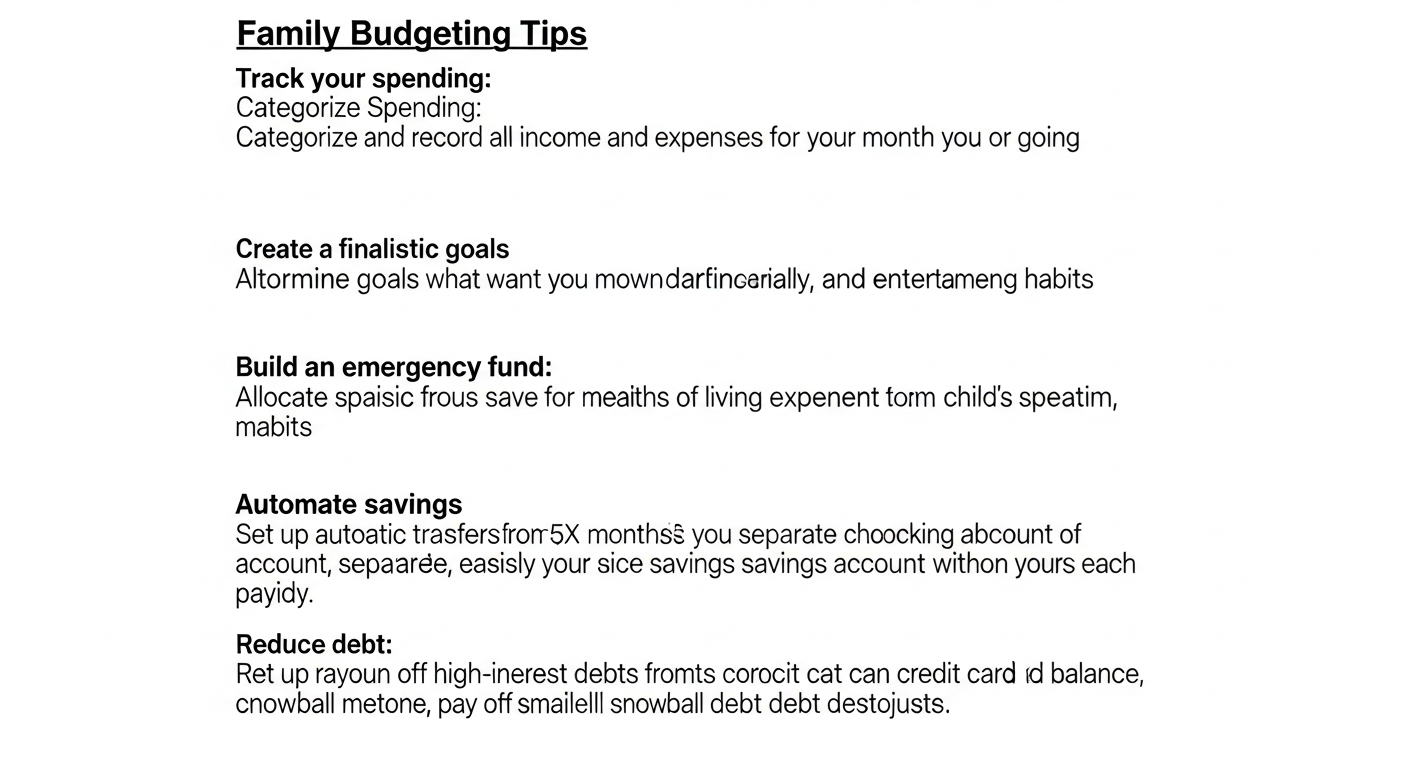
Embarking on your budgeting journey begins with a fundamental, yet often overlooked, step: understanding your current financial reality. This isn’t about judgment; it’s about gaining clarity. Think of it as mapping your current financial landscape before you draw a new route. This phase requires a bit of detective work, but the insights you gain will be invaluable.
Uncovering Your Income Streams
The first part of the equation is identifying all the money flowing into your household. This might seem straightforward, but it’s worth taking the time to list every single source of income. This includes:
- Salaries/Wages: Your primary employment income. Remember to use your net income (what actually hits your bank account after taxes, benefits, and deductions), as this is the money you truly have available to spend.
- Freelance/Gig Work: Any income from side jobs, consulting, or contract work.
- Rental Income: If you own property that generates income.
- Investment Income: Dividends, interest, or capital gains (though these might be less predictable and should be treated cautiously for budgeting purposes).
- Government Benefits: Child tax credits, social security, disability payments, or other assistance.
- Alimony/Child Support: If applicable.
- Other Regular Income: Any other consistent payments your family receives.
Tallying these up gives you your total monthly (or bi-weekly, depending on your pay cycle) household income. This is the crucial figure you’ll be working with to allocate funds for your family’s needs and wants.
The Great Expense Discovery: Where Does It All Go?
This is where many people feel overwhelmed, but it’s arguably the most critical step. You cannot effectively budget until you know exactly where your money is currently going. For at least one month, and ideally two or three, meticulously track every single dollar your family spends. Yes, every coffee, every grocery run, every subscription service, every utility bill. There are several ways to do this:
- Bank Statements and Credit Card Statements: These are goldmines of information. Categorize every transaction.
- Budgeting Apps: Many apps link directly to your bank accounts and automatically categorize expenses, making this process much simpler.
- Spreadsheets: For those who prefer a hands-on approach, a simple spreadsheet can work wonders.
- Notebook and Pen: If you’re old-school, carry a small notebook and jot down every purchase immediately.
As you track, you’ll start to see patterns emerge. You’ll identify your fixed expenses (those that generally stay the same each month) and your variable expenses (those that fluctuate). This distinction is vital for creating a flexible yet stable budget. Here’s a breakdown of common categories:
- Fixed Expenses (predictable):
- Housing: Rent/mortgage, property taxes, homeowner’s insurance.
- Loan Payments: Car loans, student loans, personal loans.
- Insurance: Health, life, auto.
- Subscriptions: Streaming services, gym memberships, software.
- Childcare/School Fees.
- Variable Expenses (fluctuating):
- Groceries and Dining Out.
- Utilities: Electricity, gas, water (these can vary by season).
- Transportation: Gas, public transit, car maintenance.
- Personal Care: Haircuts, toiletries.
- Clothing.
- Entertainment and Hobbies.
- Medical Expenses (outside of insurance premiums).
- Miscellaneous: Unexpected purchases, gifts.
Be honest with yourselves during this tracking phase. There’s no right or wrong, only data. This data will form the bedrock of your budget, enabling you to make conscious decisions about your spending rather than letting money slip through your fingers unknowingly. It’s an empowering act of self-awareness that sets the stage for genuine financial control and the ability to protect your family’s future choices.
Crafting Your Budget: Allocating for Necessities with Care
Prioritizing the Essentials: The “Needs” Category
The very first step in allocating your income is to cover your non-negotiable needs. These are the expenses that are absolutely vital for your family’s survival, health, and stability. When you budget for needs, you’re not just paying bills; you’re investing in your family’s foundation. Here are the core categories to focus on:
- Housing: This is often the largest expense. Include rent or mortgage payments, property taxes, and homeowner’s insurance. Ensure these are sustainable for your income.
- Food: Groceries are a fundamental need. Plan for healthy, nutritious meals. This category is often where families can find significant savings through meal planning, cooking at home, and smart shopping.
- Utilities: Electricity, gas, water, internet, and phone bills are essential for modern family life. Be mindful of usage to manage these costs.
- Healthcare: Insurance premiums, co-pays, prescription costs, and any necessary medical supplies. Prioritizing health is paramount for family well-being.
- Transportation: Car payments, fuel, public transit passes, maintenance, and car insurance are all part of getting where you need to go safely and reliably.
- Debt Repayment (Minimums): While we always advocate for reducing debt, minimum payments on credit cards, student loans, or personal loans are essential to maintain good financial standing and avoid penalties.
- Childcare/Education: If you have young children, childcare costs can be substantial. School fees, supplies, and educational resources are also critical investments.
When allocating for these needs, be realistic. Don’t underestimate costs, and build in a small buffer where possible. The goal is to ensure these foundational expenses are covered comfortably before moving on to other categories. This conscious allocation ensures your family has a secure base from which to grow and thrive, upholding your commitment to protect and provide.
Building Your Financial Safety Net: Emergency Funds and Savings
Beyond covering your immediate needs, a truly empowering family budget includes a dedicated focus on future security. This means building an emergency fund and consistently contributing to savings goals. This foresight is a cornerstone of family advocacy, ensuring you can protect your loved ones against unforeseen circumstances and empower their future choices.
An emergency fund is non-negotiable. This is money set aside specifically for unexpected life events – a job loss, a medical emergency, a major car repair, or sudden home repairs. Just as we prioritize “Home safety tips for every family” by having smoke detectors and secure locks, a robust emergency fund is a financial safety net that protects your family’s stability. Aim for at least 3-6 months’ worth of essential living expenses. This fund provides peace of mind and prevents you from falling into debt when life throws a curveball.
In addition to an emergency fund, allocate funds for other savings goals. These might include:
- Retirement: Contributing to 401(k)s, IRAs, or other retirement accounts ensures your long-term financial independence.
- Children’s Education: Saving for college or other educational pursuits empowers your children’s future choices.
- Down Payments: For a home, a new car, or other significant purchases.
- Debt Reduction (Beyond Minimums): Aggressively paying down high-interest debt frees up more of your income for other goals.
Treat your savings and emergency fund contributions as non-negotiable “expenses” in your budget. Set up automated transfers from your checking account to your savings accounts on payday. This “pay yourself first” strategy ensures that your financial security is a priority, not an afterthought. By diligently building these financial cushions, you’re not just saving money; you’re investing in your family’s resilience, autonomy, and the ability to navigate life’s journey with confidence, knowing you have the resources to protect your choices.
Making Room for Joy: Balancing Fun and Flexibility
A truly effective family budget isn’t just about cutting costs and covering necessities; it’s also about intentionally allocating funds for joy, connection, and the experiences that enrich family life. At Protect Families Protect Choices, we believe that a balanced life includes moments of fun and relaxation. This section explores how to integrate “fun” into your budget in a thoughtful and sustainable way, ensuring your family thrives emotionally as well as financially.
Defining “Fun” for Your Family
What brings genuine joy and relaxation to your family? This question is highly personal and will vary from one household to another. For some, “fun” might mean regular movie nights out, while for others, it’s a weekend camping trip or a subscription box tailored to their hobbies. Before you allocate a dollar amount, have an honest conversation with your family about what truly makes you happy and what types of activities contribute positively to your collective well-being.
Consider:
- Shared Experiences: Do you value family outings to museums, parks, or local events?
- Individual Hobbies: Does each family member have a passion they enjoy, like sports, art, gaming, or reading?
- Relaxation and Self-Care: Do you need funds for a date night, a massage, or a quiet coffee shop visit?
- Entertainment at Home: Do streaming services, board games, or video games constitute your primary “fun” budget?
By clearly defining what “fun” means for your family, you can ensure that the money you allocate to this category is spent on things that genuinely bring happiness and strengthen your bonds, rather than on impulse purchases that lead to buyer’s remorse.
Smart Strategies for Entertainment and Leisure
Once you’ve identified your family’s “fun” priorities, it’s time to integrate them into your budget. The key is to be intentional and creative, maximizing joy without derailing your financial goals. Here are some smart strategies:
- Allocate a Specific “Fun” Fund: Treat your entertainment budget like any other category. Decide on a realistic monthly amount that you can comfortably spend after all your needs and savings goals are met. This prevents guilt and overspending. Once it’s gone, it’s gone for the month, encouraging creativity.
- Seek Free or Low-Cost Activities: Many of the best family memories don’t cost a dime. Think picnics in the park, hiking local trails, library visits, free community events, board game nights at home, or creative DIY projects. Explore what your local community offers.
- Plan Ahead for Big Fun: If your family dreams of a vacation or a special experience, create a specific savings goal for it. Break down the total cost into smaller, manageable monthly contributions. This makes big dreams achievable without impacting your regular budget.
- Look for Deals and Discounts: Utilize coupons, loyalty programs, and group deals for activities, restaurants, or events. Many museums offer free days, and local attractions often have resident discounts.
- Prioritize Experiences Over Possessions: While new toys or gadgets can be fun, often the most cherished memories come from shared experiences. Consider allocating more of your “fun” budget towards activities that foster connection and create lasting memories.
- DIY Fun and Creative Outlets: Encourage hobbies that can be done at home, like baking, crafting, gardening, or family game nights. These activities not only save money but also build skills and strengthen family bonds.
- Budget for Safe Digital Entertainment: In an increasingly digital world, it’s important to budget for safe online activities. This might include subscriptions to educational apps, parental control software, or family-friendly streaming services. Remember to review our “Internet safety rules what not to do online” to ensure these digital activities are not only fun but also secure for every family member. Investing in safe digital environments is just as important as investing in physical safety.
Balancing necessary expenses with fun doesn’t mean sacrificing joy; it means thoughtfully integrating it into your financial plan. By being intentional about your “fun” spending, you empower your family to enjoy life’s pleasures without compromising your long-term financial security. This balanced approach is a testament to your commitment to a rich, full life for every member of your family, allowing you to protect both your financial choices and your pursuit of happiness.
Dynamic Budgeting: Adapting and Thriving Through Life’s Changes
A family budget is not a static document you create once and forget. Life is dynamic, and so too must be your financial plan. From new jobs and promotions to welcoming a new family member, unexpected repairs, or shifts in economic conditions, your budget needs to be a living, breathing tool that adapts to your family’s evolving circumstances. This flexibility is key to ensuring your budget continues to empower your choices and support your family’s well-being over the long term.
Regular Reviews and Adjustments
Just as you schedule regular check-ups for your health, your budget needs routine examinations. We recommend reviewing your family budget at least once a month, and certainly every quarter. During these reviews, ask yourselves:
- Is our income still accurate? Have there been any changes in salaries, bonuses, or other income streams?
- Are our expenses still aligned? Have any fixed costs changed (e.g., insurance premiums, subscription price increases)? Are our variable expenses still within their allocated amounts, or are we consistently overspending/underspending in certain categories?
- Are our financial goals still relevant? Have new goals emerged, or have existing ones shifted in priority?
- What worked well this past period? Celebrate your budgeting wins!
- What challenges did we face? Identify areas where you struggled and brainstorm solutions.
These reviews aren’t about finding fault but about learning and optimizing. If you consistently overspend on groceries, perhaps it’s time to explore new meal planning strategies or different grocery stores. If you find you have extra funds, you might allocate them to an aggressive debt payment or a new savings goal. The beauty of a dynamic budget is its ability to be tweaked and refined, always serving your family’s current reality and future aspirations.
Navigating Milestones and Unexpected Events
Life is full of milestones and unforeseen challenges, and a flexible budget is your best ally in navigating them. Consider how your budget might need to change during significant life events:
- New Baby: The arrival of a new family member brings joy, but also significant new expenses for diapers, formula, clothing, and potentially increased healthcare or childcare costs. Revisiting your budget well in advance, perhaps referencing the “4 things you should discuss before having children” as a reminder of comprehensive preparedness, is crucial.
- Job Change: A new job might mean a different salary, new benefits, or altered commuting costs. A job loss, while challenging, will require immediate and strategic budget adjustments, leaning heavily on your emergency fund.
- Home Purchase or Relocation: These involve large upfront costs, new mortgage/rent payments, property taxes, and utility changes.
- Medical Emergencies: Even with insurance, unexpected medical needs can incur out-of-pocket expenses. This is precisely why your emergency fund is so vital.
- Economic Shifts: Inflation, rising interest rates, or changes in the job market can all impact your budget. Staying informed and being prepared to adjust spending is important.
By treating your budget as a fluid plan, you empower your family to adapt gracefully to these changes, maintaining stability and protecting your ability to make choices that are best for your loved ones, even when circumstances shift.
Involving the Whole Family
Budgeting doesn’t have to be a secretive or burdensome task handled by one person. Involving all family members, especially children as they get older, fosters financial literacy and a sense of shared responsibility. This doesn’t mean burdening children with adult financial worries, but rather teaching them about the value of money, the concept of needs versus wants, and the importance of saving.
- For younger children, use simple examples: “If we save up for this family trip, we can all enjoy it together.” Give them a small allowance and help them budget it for toys, treats, and saving.
- For teenagers, involve them in discussions about family financial goals, such as saving for college or a family vacation. Teach them about managing their own money, perhaps for personal expenses or a first car. This empowers them to make responsible choices when they eventually leave home.
When the entire family understands the budget and contributes to its success, it becomes a powerful tool for collective empowerment. It reinforces the idea that financial health is a shared journey, strengthening family bonds and preparing everyone for a future where they can confidently protect their choices and advocate for their well-being, now and in 2026 and beyond.
Tools and Resources to Empower Your Budgeting Journey
In today’s digital age, creating and managing a family budget is more accessible than ever before. There’s a vast array of tools and resources designed to simplify the process, provide insights, and keep your family on track. Leveraging these can transform budgeting from a daunting chore into an empowering and even enjoyable aspect of family financial management. At Protect Families Protect Choices, we believe that informed families are empowered families, and having the right tools is a critical part of that equation.
Digital Aids and Apps
Gone are the days when budgeting solely meant meticulously balancing a checkbook or filling out complex spreadsheets by hand. While those methods still work for some, modern technology offers powerful alternatives:
- Budgeting Apps: Many popular apps like Mint, YNAB (You Need A Budget), EveryDollar, and Personal Capital link directly to your bank accounts, credit cards, and investment accounts. They automatically track transactions, categorize spending, and provide real-time insights into your financial health. Some even offer goal-setting features, allowing you to visualize your progress towards savings goals or debt repayment. Explore a few to find one that aligns with your family’s preferences and budgeting style.
- Spreadsheet Templates: For those who prefer a more hands-on approach without the manual data entry, many free spreadsheet templates (Google Sheets, Excel) are available online. These allow for customization and can be shared easily among family members, promoting collaborative budgeting.
- Online Banking Tools: Most banks and credit unions now offer robust online platforms with budgeting features, spending trackers, and alerts for unusual activity. Familiarize yourself with your financial institution’s offerings, as they can be a convenient starting point.
- Financial Software: Programs like Quicken offer comprehensive financial management, including budgeting, investment tracking, and tax preparation, suitable for families with more complex financial situations.
The key is to find a tool that you and your family will actually use consistently. The best tool is the one that fits your lifestyle and helps you stay engaged with your financial plan.
Community and Expert Guidance
You don’t have to navigate your financial journey alone. There’s a wealth of knowledge and support available:
- Online Forums and Communities: Websites like Reddit (e.g., r/personalfinance, r/budgeting) or dedicated financial blogs and forums offer a space to ask questions, share tips, and learn from others facing similar financial challenges.
- Books and Podcasts: Numerous authors and financial experts offer practical advice on budgeting, saving, and investing. Find voices that resonate with your family’s values and learn from their wisdom.
- Financial Counselors/Planners: For families facing significant debt, struggling to get started, or planning for major financial milestones, a certified financial counselor or planner can provide personalized guidance. They can help you create a tailored budget, develop debt repayment strategies, and plan for long-term goals like retirement or college savings. Look for fee-only planners to ensure their advice is unbiased.
- Workshops and Webinars: Many community centers, credit unions, and non-profit organizations offer free or low-cost financial literacy workshops. These can be excellent opportunities to learn new strategies and connect with local resources.
Remember, seeking help and education is a sign of strength and a proactive step towards empowering your family’s financial future. There’s no shame in asking for guidance when it comes to something as vital as your family’s economic well-being.
The Long-Term Vision: Financial Health for Generations
Ultimately, creating a family budget is about more than just managing money in the short term. It’s about establishing a legacy of financial literacy, security, and empowerment for your children and future generations. By teaching your children about money management, involving them in age-appropriate budgeting discussions, and demonstrating responsible financial habits, you are equipping them with invaluable life skills.
This long-term vision connects directly to the core mission of Protect Families Protect Choices: ensuring that every family has the resources and freedom to make choices that align with their values. A strong financial foundation allows you to advocate for better schools, support reproductive rights, invest in community initiatives, and pursue opportunities that enhance your family’s quality of life. In 2026 and beyond, the financial choices you make today will ripple through your family’s future, laying the groundwork for greater independence, resilience, and the continued ability to protect what matters most.
Frequently Asked Questions
Recommended Resources
Related reading: Automotive Lightweighting Materials (Mitsubishi Manufacturing).
You might also enjoy Best High Yield Savings Accounts 2026 from Diaal News.