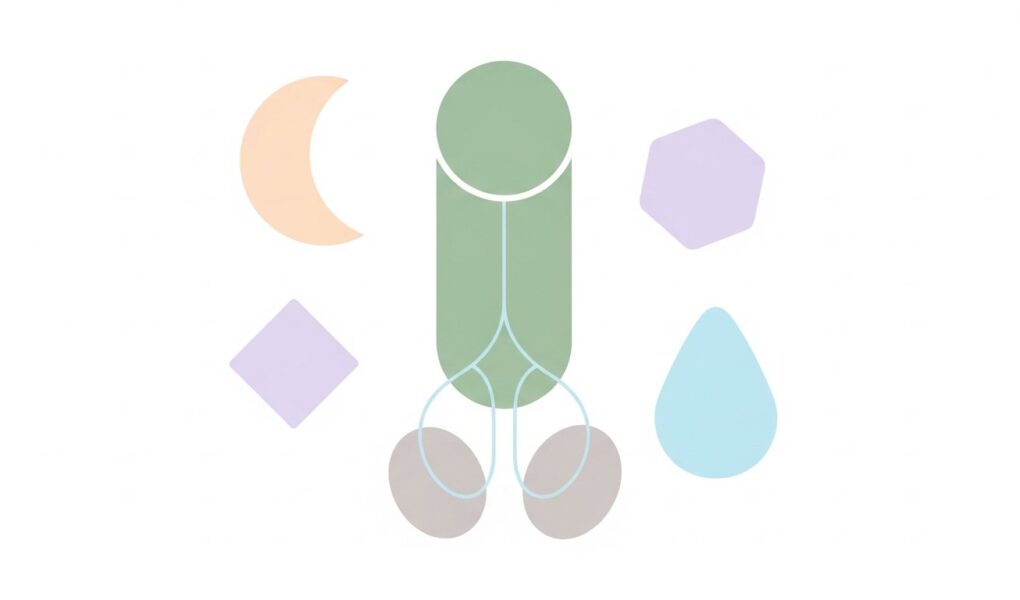
Updated April 2024. Navigating the complexities of physical, hormonal, and societal well-being requires a reliable men’s reproductive health guide. Historically, medical discourse has heavily favored female fertility and maternal health, leaving a critical gap in resources dedicated to male wellness. Family Advocacy and Reproductive Rights (FARRA) champions equitable access to education and clinical services, ensuring that individuals and couples have the comprehensive knowledge needed to make informed healthcare decisions.
A holistic approach to male fertility and sexual health extends far beyond basic anatomy. It encompasses the daily lifestyle choices that influence gamete production, the intricate hormonal cascades governing energy and libido, and the broader socioeconomic barriers that prevent timely medical interventions. Whether you are actively planning to grow your family, managing a chronic urological condition, or simply aiming to optimize your long-term vitality, understanding the interconnected nature of these systems is paramount. By empowering patients with evidence-based insights, FARRA seeks to dismantle the stigmas surrounding male care and promote proactive, preventative health strategies.
The Anatomy and Physiology of Male Reproduction
The foundation of any medical literacy journey begins with a clear understanding of physiological structures and their daily functions. The male reproductive system relies on an intricate network of organs that must remain tightly regulated by the body’s internal environment. The scrotum actively maintains a localized temperature roughly 2 to 3 degrees Celsius lower than the body’s core temperature, because cooler conditions prevent the thermal degradation of fragile cellular structures during spermatogenesis.
Understanding how these components interact is vital for identifying potential issues early. For instance, a patient undergoing a complex reconstructive procedure like a vasectomy reversal relies entirely on the delicate microscopic reconnection of the vas deferens to successfully restore the pathway for seminal fluid. When this pathway is obstructed, whether by surgical intervention, trauma, or infection, the resulting blockages can drastically alter fertility outcomes. Proper education on these biological mechanisms forms the basis of foundational concepts of reproductive wellness.
The Lifecycle of Sperm Production
Gamete generation is a continuous, resource-intensive process. The full maturation cycle of a single sperm cell takes approximately 64 to 72 days from initial division to ejaculation capability. During this prolonged window, the developing cells are highly susceptible to oxidative stress, nutritional deficiencies, and environmental toxins. The epididymis acts as a crucial staging area where these newly formed cells gain motility and the structural integrity required to penetrate an ovum.
What success looks like: a semen analysis revealing a healthy fluid volume between 1.5 to 5.0 milliliters per ejaculation, a slightly alkaline pH of 7.2 to 8.0, and progressive motility exceeding 32%. Achieving these benchmarks indicates that the anatomical pathways are clear and the foundational physiological environment is functioning optimally.
See our detailed guide on Male Reproductive Anatomy & Physiology.
What Are the Most Common Urological and Fertility Issues?

Men frequently encounter a spectrum of urological conditions that impact their overall quality of life, yet social stigma often delays prompt clinical intervention. Benign prostatic hyperplasia (BPH), for example, affects up to 50% of males by the time they reach age 60, causing significant urinary retention and discomfort. Recognizing these issues early prevents chronic complications and preserves vital physiological functions.
Consider a 45-year-old who begins noticing a gradual weakening of his urinary stream and increased nighttime waking. Rather than dismissing these symptoms as normal aging, a prompt visit to a urologist where a digital rectal exam and ultrasound are performed allows for an early BPH diagnosis, leading to effective medication management before invasive surgery becomes necessary. Early intervention dramatically shifts the clinical outcome. Erectile dysfunction (ED) serves as another prime example. ED frequently acts as an early warning sign of underlying cardiovascular disease, because the penile arteries are significantly narrower than coronary arteries and will naturally restrict blood flow first if systemic endothelial dysfunction or atherosclerosis is developing.
Key Pathologies and Clinical Focus Areas
| Issue | Common Symptoms | Clinical Approach | FARRA Advocacy Focus |
|---|---|---|---|
| Male Infertility | Low sperm count, abnormal morphology, absent ejaculate | Semen analysis, lifestyle modifications, assisted reproductive technology (ART) | Insurance mandate coverage for fertility diagnostics and IVF |
| Erectile Dysfunction (ED) | Difficulty achieving or maintaining an erection | PDE5 inhibitors, cardiovascular screening, targeted therapy | Destigmatizing sexual health and promoting holistic cardiovascular care |
| Prostate Conditions (BPH/Cancer) | Frequent urination, weak stream, pelvic discomfort | PSA testing, targeted biopsies, alpha-blockers | Promoting early screening access in underserved demographic areas |
| Sexually Transmitted Infections | Urethral discharge, lesions, painful urination | Bacterial cultures, specific antibiotic regimens | Expanding free testing clinics and community education |
Addressing infectious diseases remains a cornerstone of preventative care. Untreated chlamydia or gonorrhea can migrate through the urological tract, causing epididymitis and permanent scarring that physically blocks sperm transport. Implementing comprehensive strategies for STI testing and prevention is essential for protecting long-term fertility prospects.
See our detailed guide on Common Male Reproductive Health Issues.
[INLINE IMAGE 2: Anatomical diagram contrasting a healthy prostate gland with one experiencing benign prostatic hyperplasia, illustrating common urological issues.]
Core Hormonal Influences on Physical and Sexual Well-being
The endocrine system acts as the master conductor of male vitality, coordinating everything from muscle protein synthesis to libido and mood regulation. A patient presenting to an endocrinology clinic with severe, unexplained fatigue, brain fog, and a sharp decline in sexual desire often undergoes morning blood panels. If his total testosterone reading returns at 190 ng/dL, a clinical diagnosis of hypogonadism is established, initiating a cascade of further pituitary testing and potential hormone replacement therapy.
Diagnostic timing plays a critical role in evaluating endocrine health. Clinicians require blood draws to be completed before 10:00 AM to establish the most accurate baseline, because natural testosterone production follows a distinct circadian rhythm that peaks within the first few hours of waking before steadily declining throughout the afternoon and evening. Total serum testosterone naturally drops by approximately 1% to 2% per year after the age of 30, meaning baseline assessments must be contextually adjusted for the patient’s age bracket.
The Hypothalamic-Pituitary-Gonadal Axis
- Luteinizing Hormone (LH): Secreted by the pituitary gland, this hormone directly signals the Leydig cells in the testes to manufacture and release testosterone into the bloodstream.
- Follicle-Stimulating Hormone (FSH): Working in tandem with testosterone, FSH stimulates the Sertoli cells to initiate and sustain the complex process of cellular division required for gamete maturation.
- Estradiol: Often mischaracterized as exclusively a female hormone, trace amounts of estrogen are necessary in males for maintaining bone mineral density, regulating libido, and supporting erectile function.
What failure looks like: chronically elevated FSH paired with very low testosterone, signaling primary testicular failure where the testes are no longer responding to the brain’s chemical signals, often resulting in severe lethargy, loss of lean body mass, and irreversible infertility. Addressing these imbalances rapidly prevents the systemic degradation of metabolic health.
See our detailed guide on Hormonal Health and Andropause.
How Do Lifestyle and Environment Impact Gamete Production?

Environmental exposures and daily behavioral habits exert profound epigenetic and physiological effects on the male reproductive system. Chronic psychological stress heavily suppresses the body’s natural reproductive drive, because persistently elevated cortisol levels directly inhibit the hypothalamus from releasing gonadotropin-releasing hormone (GnRH), thereby halting the downstream production of both testosterone and sperm.
Restorative rest is equally vital to this equation. Clinical trials demonstrate that men who consistently sleep fewer than six hours per night experience a measurable 20% drop in overall sperm motility compared to their well-rested peers. Consider an agricultural worker who spends five years handling chemical pesticides without adequate personal protective equipment. Upon seeking advice for delayed conception, a specialized fertility workup reveals extremely high levels of DNA fragmentation within his sperm cells, directly linking his chronic occupational exposure to toxic endocrine disruptors with his current biological roadblocks.
Nutrition and Activity Variables
Optimizing nutrition and physical activity remains one of the most accessible avenues for clinical improvement. Men adhering to a nutrient-dense Mediterranean diet—rich in omega-3 fatty acids, antioxidants, and zinc—consistently show improved cellular morphology and lower rates of oxidative damage. Integrating proactive lifestyle habits and age-appropriate preventive protocols directly buffers the reproductive system against the natural cellular decay associated with aging.
Routine moderate exercise improves pelvic blood flow and helps maintain insulin sensitivity, which indirectly supports optimal endocrine function. However, extreme endurance training without adequate caloric recovery can paradoxically induce a hypogonadal state, emphasizing the need for balanced lifestyle modifications rather than punishing extremes.
See our detailed guide on Lifestyle & Environmental Factors.
[INLINE IMAGE 4: Side-by-side comparison chart showing positive impact of Mediterranean diets versus negative impact of endocrine disruptors on sperm morphology, highlighting lifestyle factors.]
Types of Proactive Screenings and Preventative Care Protocols
Preventative medicine represents the most effective defense against advanced urological disease and irreversible fertility loss. A healthy 50-year-old man who schedules a baseline Prostate-Specific Antigen (PSA) blood draw establishes a critical benchmark, such as 1.2 ng/mL. In subsequent annual exams, any rapid deviation from this specific baseline alerts his physician to potential inflammatory or malignant changes long before physical symptoms manifest.
Routine self-examinations are equally indispensable, particularly for younger demographics. Performing a monthly testicular self-exam while in a warm shower facilitates the early detection of abnormal masses or hardened nodules, because the warm water physically relaxes the smooth muscle tissue of the scrotal sac, making the internal anatomical structures significantly easier to palpate and assess. When anomalies are caught in their earliest stages, the five-year survival rate for testicular malignancies exceeds 95%.
How to Follow Standard Screening Timelines
- Ages 18-39: Schedule annual physical exams focusing on blood pressure, BMI, and STI panels (if sexually active). Perform routine testicular self-exams monthly to monitor for localized changes.
- Ages 40-49: Introduce baseline metabolic panels and cardiovascular risk assessments. Initiate early PSA discussions with your doctor if you have a family history of urological cancers.
- Ages 50+: Commit to routine PSA testing and digital rectal exams (DRE) for prostate gland evaluation. Request comprehensive hormone panels to monitor for age-related androgen decline.
Beyond clinical tests, understanding the legal protections surrounding parental health ensures that patients can take the necessary time off work for these life-saving screenings without fear of workplace retaliation or lost wages. Advocacy ensures that preventative care is treated as a fundamental right rather than a privilege.
See our detailed guide on Preventative Care & Screenings.
Navigating Reproductive Rights and Advocacy With FARRA
The intersection of medicine and legal advocacy determines how effectively care is delivered and whether marginalized populations can access life-altering treatments. Systemic barriers to male reproductive wellness persist largely due to outdated policy frameworks, because historical legislation and funding disproportionately funneled family planning resources exclusively toward female demographics, leaving a stark deficit in male-focused initiatives.
FARRA operates on the front lines to correct this historical imbalance. When a newly diagnosed cancer patient faces prohibitive out-of-pocket costs of $1,500 or more for emergency sperm cryopreservation, FARRA’s legal clinic steps in to secure an expedited insurance appeal, guaranteeing the patient can preserve his gametes before gonadotoxic chemotherapy begins. This aggressive intervention safeguards the patient’s future family-building options during a period of immense psychological crisis. Securing informed consent and ensuring patients fully understand the long-term biological consequences of systemic treatments are central tenets of FARRA’s legal mission.
Legislative Impact and Support Networks
Advocacy campaigns prioritizing these precise legal changes resulted in expanded insurance mandates covering fertility diagnostics and preservation in 14 individual states. By navigating the complex bureaucracy of modern medicine and fighting for securing equitable healthcare access, FARRA ensures that no patient is forced to choose between life-saving oncology treatments and their future reproductive autonomy.
See our detailed guide on Reproductive Rights, Advocacy, and Legal Support.
Categories of Common Mistakes in Managing Male Reproductive Health

Even well-intentioned individuals frequently sabotage their long-term vitality through common, preventable errors in judgment regarding their clinical care. Ignoring persistent low-grade pelvic discomfort often leads to the development of chronic prostatitis, because localized, untreated bacterial or non-bacterial inflammation steadily degrades surrounding nerve bundles and vascular tissues over a period of months or years.
Similarly, the modern landscape of easily accessible online hormone clinics has introduced significant risks. A 35-year-old actively trying to conceive who self-prescribes high-dose exogenous testosterone injections from a telehealth platform will unintentionally suppress his natural LH and FSH production, effectively plummeting his native sperm count to absolute zero. Understanding these pitfalls requires prioritizing evidence-based medical oversight above convenience.
How to Avoid Key Errors in Care
- Do Not Delay Symptom Reporting: Nearly 40% of men wait over six months before speaking to a physician about changes in urinary habits, erectile function, or testicular pain, severely limiting early intervention windows.
- Do Not Ignore Structural Abnormalities: Dismissing a dull ache or heaviness in the scrotum can allow a varicocele (enlarged veins within the scrotum) to progressively heat the testes and permanently damage gamete production over time.
- Avoid Overusing Heat Therapies: Frequent, prolonged use of hot tubs, saunas, or resting a hot laptop directly on the lap elevates scrotal temperatures beyond the safe threshold, causing immediate but reversible declines in semen parameters.
- Address Mental Health Connections: Viewing sexual dysfunction purely as a mechanical failure while ignoring severe anxiety or depressive disorders prevents the holistic resolution of psychogenic erectile dysfunction.
- Never Self-Medicate Hormones: Utilizing over-the-counter testosterone boosters or unregulated performance-enhancing substances without endocrinological supervision risks profound liver toxicity and permanent shutdown of the hypothalamic-pituitary axis.
See our detailed guide on Navigating Healthcare & Support Systems.
When and Where Should You Seek Professional Medical Support?
Acknowledging when independent lifestyle changes are insufficient is the hallmark of proactive medical management. Seeking out specialized care from board-certified urologists, reproductive endocrinologists, and trained psychological counselors provides the targeted expertise necessary to overcome complex biological and emotional hurdles. Integrating mental health counseling alongside standard clinical urological treatments improves long-term sexual function recovery rates by an impressive 45%.
Multidisciplinary clinics routinely yield superior patient outcomes, because they address the intricate interplay between physical obstructions and the heavy psychological distress that inevitably accompanies intimacy and fertility struggles. Consider a couple facing the emotional strain of secondary infertility: consulting a specialized endocrinologist allows for precise clinical interventions like hormonal adjustments or varicocele repair, while simultaneously working with a relationship counselor ensures they can navigate the profound emotional fatigue of repeated clinical testing without damaging their marital foundation.
Defining Treatment Success
What success looks like: a patient undergoing integrated hormone and psychological therapy reports sustained morning energy, normalized nocturnal erections, and a quantifiable reduction in depressive symptoms within eight weeks of treatment initiation. This holistic stabilization highlights the immense value of addressing the whole person rather than isolating a single symptom.
Ultimately, safeguarding your vitality and ensuring equitable access to necessary clinical treatments is a multifaceted endeavor. By utilizing the comprehensive insights and advocacy resources detailed throughout this guide, individuals are thoroughly equipped to demand the highest standard of care, protect their physiological autonomy, and build the families they envision.
See our detailed guide on Mental Health & Sexual Well-being.
Sources & References
- World Health Organization. (2024). Global Reference Data for Human Semen Characteristics. WHO Press.
- Endocrine Society. (2024). Clinical Practice Guidelines for Testosterone Therapy in Adult Men. Journal of Clinical Endocrinology.
- American Urological Association. (2023). Management of Benign Prostatic Hyperplasia (BPH). AUA Guidelines.
- Sleep Foundation. (2024). The Impact of Sleep Architecture on Male Endocrine Function. National Sleep Foundation Publications.
- Journal of Sexual Medicine. (2024). Psychological Integration in Urological Recovery Pathways. International Society for Sexual Medicine.