
Understanding the Foundation of Spousal Support (Alimony)
Spousal support, commonly known as alimony, is a court-ordered payment from one spouse to the other after a divorce or legal separation. Its fundamental purpose is to mitigate the financial hardship that one spouse might face due to the dissolution of the marriage, especially if that spouse has a lower earning capacity or took on primary caregiving roles, sacrificing career advancement during the marriage. This isn’t about equalizing incomes forever, but rather about providing a bridge to financial independence or ensuring a reasonable standard of living reflective of the marital lifestyle, particularly for long-term marriages.
The concept behind spousal support is rooted in fairness and the recognition of contributions made by both partners to the marriage, both financial and non-financial. For instance, one spouse might have dedicated years to raising children and managing the household, allowing the other spouse to focus on career development. This often results in a significant disparity in earning potential when the marriage ends. Spousal support aims to address this imbalance, preventing one spouse from experiencing a drastic decline in their living standards while the other continues to thrive financially.
There are several types of spousal support, each serving a distinct purpose:
- Temporary Alimony: Provided during the divorce proceedings to help the lower-earning spouse cover living expenses until the final divorce decree is issued.
- Rehabilitative Alimony: Designed to allow the supported spouse to acquire the education, training, or work experience necessary to become self-supporting. This often has a defined end date, contingent on the spouse’s progress toward financial independence.
- Permanent Alimony: Typically awarded in long-term marriages where one spouse is unlikely to become self-sufficient due to age, health, or a significant disparity in earning capacity. This type of alimony usually continues until the death of either spouse or the remarriage of the recipient.
- Reimbursement Alimony: Less common, this type of support aims to reimburse one spouse for contributions made to the other spouse’s education or career advancement during the marriage.
- Lump-Sum Alimony: A single payment or a series of fixed payments over a set period, often used to equalize assets or provide immediate financial relief.
The specific factors courts consider when determining spousal support vary by jurisdiction but generally include the length of the marriage, the age and health of each spouse, their respective earning capacities, the standard of living established during the marriage, the contributions of each spouse to the marriage (including childcare and homemaking), and the financial needs and resources of each party. It’s a complex calculation, often requiring detailed financial disclosures and careful legal consideration. Our goal at Protect Families Protect Choices is to empower you with the knowledge to understand these foundations and advocate for fair outcomes that protect the future stability of all family members.
Essential Living Expenses: Keeping a Roof Over Your Head and Food on the Table
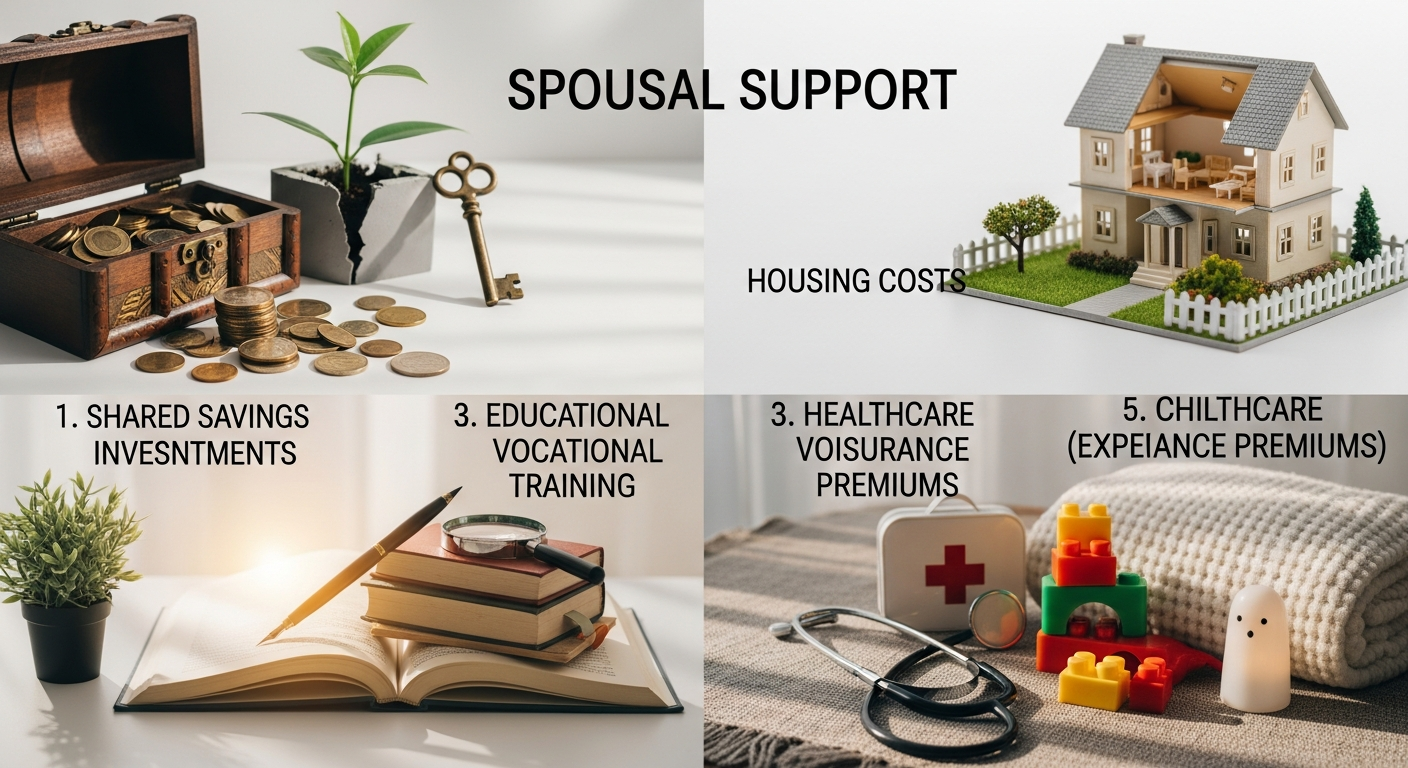
When we talk about what spousal support might cover, the most immediate and critical aspect is often the ability to meet essential living expenses. For many families undergoing a divorce, the immediate concern is maintaining a stable home environment, especially for children. Spousal support frequently addresses these fundamental needs, ensuring that the recipient spouse can continue to provide a safe and consistent living situation for themselves and any dependents.
Primary among these expenses is housing. This can include rent or mortgage payments, property taxes, and homeowner’s insurance. The aim is often to allow the supported spouse and children to remain in the marital home, if feasible and desirable, or to secure comparable housing. Maintaining stability in housing is crucial for children, minimizing disruption during an already challenging period. As we often discuss in our articles on Home safety tips for every family, a secure and familiar environment is foundational to a child’s well-being. Spousal support can be a critical factor in maintaining that security.
Beyond the roof over their heads, spousal support typically covers utilities. This encompasses electricity, gas, water, internet, and sometimes even phone services. These are not luxuries but necessities for modern living and for ensuring that children can complete homework, access educational resources, and stay connected with friends and family. A warm, well-lit home with functioning utilities is part of basic human dignity and a safe environment.
Food and groceries are another significant category. Spousal support helps ensure that the supported spouse can maintain a healthy and nutritious diet for themselves and their children. This covers daily meals, snacks, and other household staples. The ability to provide for these basic needs directly impacts the health and development of children, making it a cornerstone of family protection.
Transportation costs are also frequently covered. This can include car payments, insurance, fuel, maintenance, and public transit fares. For many parents, reliable transportation is essential for getting to work, taking children to school, doctor’s appointments, and extracurricular activities. Without adequate transportation, the ability to earn income or manage a household effectively is severely hampered.
Other essential living expenses that spousal support might cover include:
- Basic personal care items (toiletries, hygiene products)
- Clothing for the supported spouse and potentially for children, if not fully covered by child support
- Household supplies and maintenance (cleaning products, minor repairs)
- Basic communication expenses (cell phone plans, internet access for essential functions)
In essence, spousal support aims to prevent a precipitous drop in the supported spouse’s ability to meet their fundamental needs, thereby safeguarding their stability and, by extension, the stability of their children. It acknowledges that the economic realities post-divorce can be harsh and seeks to provide a necessary buffer.
Maintaining Quality of Life and Standard of Living
While covering essential living expenses is paramount, spousal support often extends beyond mere survival, aiming to help the supported spouse maintain a quality of life and standard of living reasonably comparable to what was enjoyed during the marriage. This isn’t about replicating every luxury, but about preventing a drastic and unfair decline that could significantly impact well-being and stability, particularly for children. Courts recognize that a long-term marriage establishes a certain lifestyle, and dismantling that without adequate support can be incredibly destabilizing.
The “marital standard of living” is a key consideration in many jurisdictions. This refers to the financial lifestyle established by the couple during their marriage, including discretionary spending, savings habits, and the types of activities and amenities they enjoyed. Spousal support often seeks to allow the dependent spouse to approximate this standard, within reason, given the financial realities of supporting two separate households.
This can include contributions towards:
- Discretionary Spending: While not lavish, spousal support might cover reasonable amounts for personal grooming, entertainment, dining out occasionally, or hobbies that were part of the couple’s lifestyle. These aren’t just “extras”; they contribute to mental well-being and social engagement.
- Children’s Activities and Enrichment: Even when child support is in place, spousal support can indirectly contribute to the overall financial health that allows children to continue participating in sports, music lessons, tutoring, or other extracurricular activities that were part of their lives before the divorce. Maintaining these activities is vital for a child’s development, sense of normalcy, and social connections. This aligns with our discussions about ensuring children have enriching experiences as part of a healthy family environment.
- Savings and Investments: In some cases, particularly in longer marriages, spousal support might be structured to allow the dependent spouse to continue building a modest savings fund or contribute to retirement, reflecting the couple’s previous financial planning habits. This is a crucial aspect of long-term financial security and empowerment.
- Vacations and Leisure: While not typically covering extravagant trips, spousal support might account for the ability to take modest vacations, especially those that include children, to maintain family traditions and provide much-needed respite.
The goal is to ensure that the supported spouse isn’t left in a state of financial deprivation compared to their former spouse, especially if they made significant non-financial contributions to the marriage, such as raising children or supporting a partner’s career. By addressing the quality of life, spousal support helps the recipient spouse maintain their dignity, reduces stress, and allows them to focus on rebuilding their life rather than solely struggling for basic survival. This approach supports the entire family unit by fostering greater stability for the supported parent, which in turn positively impacts the children’s environment and emotional well-being. It’s about more than just numbers; it’s about providing the means for a dignified and fulfilling life post-divorce.
Education, Training, and Career Advancement
One of the most empowering aspects of spousal support, particularly rehabilitative alimony, is its potential to cover expenses related to education, training, and career advancement. This type of support is designed not just to sustain a spouse in the short term, but to equip them with the tools and resources needed to become self-sufficient in the long term. It’s an investment in a brighter future, recognizing that many spouses, often women, may have put their own career aspirations on hold to support their partner’s career or to raise children.
For individuals who have been out of the workforce for an extended period, or whose skills have become outdated, re-entering the job market can be daunting. Spousal support can provide the necessary financial bridge to:
- Tuition and Fees: Covering the costs of college courses, vocational training programs, or certification programs. This allows the supported spouse to acquire new skills or update existing ones, making them more competitive in today’s job market.
- Books and Supplies: Essential for any educational pursuit, these costs can add up quickly. Spousal support can alleviate this financial burden.
- Childcare Expenses: A significant barrier for many parents returning to school or work is the cost of childcare. Rehabilitative alimony can help cover these expenses, enabling the parent to focus on their studies or training without worrying about who will care for their children.
- Transportation to and from School/Training: Just as with daily living, reliable transportation is critical for attending classes or training sessions.
- Career Counseling and Job Placement Services: Professional guidance can be invaluable in identifying career paths, preparing resumes, and navigating the job search process.
This focus on rehabilitation aligns perfectly with our mission at Protect Families Protect Choices. We believe in empowering individuals to achieve their full potential, and sometimes, a divorce provides an unexpected opportunity for personal and professional growth. By investing in education and training, spousal support helps create a pathway to financial independence, reducing long-term reliance on the former spouse and fostering a sense of accomplishment and self-worth.
For example, a parent who put their nursing career on hold to raise children might receive rehabilitative support to complete a refresher course and obtain their licensing again, or even pursue a higher degree. Or, someone who dedicated years to homemaking might use the support to learn a trade, develop a small business, or acquire administrative skills to re-enter the corporate world. This forward-looking approach ensures that the supported spouse can build a sustainable future, benefiting not just themselves but also their children who see a parent actively pursuing their goals.
This aspect of spousal support emphasizes foresight and planning, echoing the importance of discussions like the 4 things you should discuss before having children. Just as couples proactively plan for their future together, spousal support can facilitate proactive planning for individual futures post-divorce, ensuring stability and opportunity for all family members in 2026 and beyond.
Healthcare, Insurance, and Medical Needs
One of the most pressing concerns for anyone navigating a divorce, especially if they are the dependent spouse, is the continuity of healthcare coverage. The loss of health insurance, or the inability to afford it, can be a source of immense anxiety and a significant financial burden. Spousal support frequently addresses these vital healthcare needs, ensuring that the recipient spouse and, indirectly, their children, have access to necessary medical care.
Spousal support can specifically cover:
- Health Insurance Premiums: For many, health insurance is provided through an employer. If the dependent spouse was covered under their partner’s employer-sponsored plan, they would typically lose that coverage upon divorce. Spousal support can provide the funds to purchase a new policy, whether through COBRA (Consolidated Omnibus Budget Reconciliation Act), a state exchange, or a private insurer. Maintaining health insurance is paramount for preventing catastrophic medical debt and ensuring access to preventative care.
- Medical, Dental, and Vision Expenses: Beyond premiums, spousal support can contribute to out-of-pocket medical costs such as deductibles, co-pays, and co-insurance. This includes expenses for doctor’s visits, specialist consultations, dental work, eye exams, and prescription medications. Chronic conditions or unexpected illnesses can quickly deplete savings without adequate coverage and support.
- Therapy and Mental Health Services: Divorce is a profoundly stressful experience, and access to mental health support, such as therapy or counseling, can be critical for both adults and children. Spousal support can help cover the costs of these services, recognizing their importance for emotional well-being and resilience during such a challenging transition.
- Prescription Medications: Ongoing prescriptions for chronic conditions or temporary illnesses can be a substantial recurring expense. Spousal support can ensure these vital medications remain affordable and accessible.
- Specialized Medical Equipment or Treatments: In cases where a spouse has specific health needs requiring specialized equipment, therapies, or adaptive devices, spousal support can be allocated to cover these costs, ensuring their continued health and quality of life.
The ability to afford healthcare is not just a financial issue; it’s a fundamental human right and a cornerstone of family well-being. Without it, even minor health issues can escalate into major crises, impacting one’s ability to work, care for children, and maintain overall stability. At Protect Families Protect Choices, we advocate for comprehensive support that recognizes the interconnectedness of physical, mental, and financial health.
Ensuring continuous and adequate healthcare coverage through spousal support contributes significantly to the overall stability of the post-divorce family unit. A healthy parent is better equipped to care for their children, pursue educational or career goals, and actively participate in their community. It’s a proactive measure to protect against future vulnerabilities, embodying the care and foresight we champion for all families.
Legal Fees and Other Related Costs
Divorce proceedings, while necessary, can be financially taxing. The costs associated with legal representation, court filings, and other administrative fees can quickly accumulate, creating an additional layer of stress during an already difficult time. In certain circumstances, spousal support might extend to cover some of these legal and related costs, particularly when there is a significant disparity in the financial resources of the spouses.
The principle behind this is often to ensure that both parties have a fair opportunity to present their case and protect their interests. If one spouse has significantly more financial leverage, they might be able to afford top-tier legal representation, potentially disadvantaging the other spouse who may struggle to pay even basic attorney fees. To level the playing field and ensure equitable access to justice, courts may order one spouse to contribute to the other’s legal expenses.
Specifically, spousal support could cover:
- Attorney Fees: The most significant legal expense in a divorce is typically the cost of legal counsel. This can include retainers, hourly rates, and fees for court appearances, negotiations, and drafting documents. Contributions to attorney fees can be crucial for a lower-earning spouse to secure competent representation.
- Court Filing Fees: Every legal action involves various filing fees for petitions, motions, and other court documents. These seemingly small costs can add up over the course of a complex divorce.
- Expert Witness Fees: In cases involving complex financial matters, business valuations, or child custody evaluations, expert witnesses (e.g., forensic accountants, appraisers, psychologists) may be required. Their fees can be substantial, and spousal support can help cover these costs.
- Mediation or Arbitration Costs: If the couple opts for alternative dispute resolution methods like mediation or arbitration, there are fees associated with the mediator or arbitrator. Spousal support can help ensure these avenues remain accessible to both parties.
- Deposition Costs: Taking depositions of witnesses can incur costs for court reporters and transcription services.
- Investigation Fees: In some situations, private investigators might be hired to gather information pertinent to the divorce, such as hidden assets or marital misconduct.
It’s important to note that the coverage of legal fees as part of spousal support is often determined on a case-by-case basis and is usually discretionary. Courts will consider the financial needs of the requesting spouse, the ability of the other spouse to pay, and the overall fairness of the situation. This provision aims to prevent one party from being unduly penalized or disadvantaged simply because they lack the immediate financial means to navigate the legal system effectively.
By helping to cover legal fees, spousal support reinforces the idea that justice should be accessible to all, regardless of their immediate post-separation financial standing. This support can empower the recipient spouse to advocate for a fair settlement regarding all aspects of the divorce, from property division to child custody, ultimately leading to a more equitable and stable outcome for the entire family. Protecting families means ensuring they have the resources to protect themselves legally.
Special Considerations: Children, Debts, and Future Planning
While spousal support directly addresses the financial needs of one spouse, its implications extend broadly to the entire family, particularly concerning children, the allocation of marital debts, and the crucial element of future planning. Understanding these interconnected areas is vital for any family advocating for their rights and stability post-divorce.
Children’s Well-being and Interplay with Child Support
It’s important to distinguish spousal support from child support, though they often work in tandem. Child support is specifically for the direct care and upbringing of children – covering their food, clothing, education, medical needs, and extracurricular activities. Spousal support, on the other hand, is for the needs of the former spouse. However, a higher spousal support payment can indirectly benefit children by providing the custodial parent with greater financial stability. This stability means a better home environment, reduced stress, and more resources available for the children, even if not directly allocated from the child support payment.
For example, if spousal support ensures the custodial parent can afford adequate housing and reliable transportation, these benefits directly impact the children’s ability to attend school safely and participate in activities. A parent who isn’t constantly struggling to make ends meet is better equipped emotionally and financially to provide a nurturing environment. This echoes the importance of comprehensive family planning we discuss when considering 4 things you should discuss before having children – financial preparedness is key to family resilience, whether forming a family or restructuring one.
Managing Marital Debts
Divorce doesn’t just divide assets; it also divides liabilities. Marital debts, such as credit card balances, car loans, personal loans, and mortgages, must be allocated between the spouses. While spousal support is typically not intended to directly pay off the other spouse’s share of marital debt, the existence of spousal support can significantly influence a spouse’s ability to manage the debts assigned to them.
If a spouse receives spousal support, they are in a much better position to make timely payments on their portion of the marital debt, preventing negative impacts on their credit score and reducing the risk of default. In some cases, a court might even factor in debt obligations when determining the amount or duration of spousal support, recognizing that a spouse’s ability to become self-sufficient is hampered by significant debt. It’s about ensuring a fresh start, not just for assets, but also for financial obligations.
Future Planning and Financial Independence
Perhaps one of the most forward-looking aspects of spousal support is its role in facilitating future planning and ultimately, financial independence. Especially with rehabilitative alimony, the very purpose is to equip the recipient spouse with the means to stand on their own two feet. This involves not just covering immediate needs but also enabling them to save for retirement, build an emergency fund, or invest in their future career.
Effective future planning includes:
- Retirement Savings: Many spouses, particularly those who took a career break, may have significantly less in retirement savings. Spousal support can help bridge this gap, allowing them to start or continue contributing to retirement accounts.
- Emergency Funds: Life is unpredictable. Having an emergency fund is crucial for managing unexpected expenses without falling into debt. Spousal support can provide the necessary income to build this financial safety net.
- Career Development and Entrepreneurship: Beyond formal education, spousal support can empower a spouse to invest in professional development, networking, or even start their own business, fostering long-term economic stability.
For families advocating for their rights, understanding that spousal support is a mechanism for long-term stability and empowerment is crucial. It allows parents to plan for a secure future, not just for themselves but for their children too. This proactive approach to financial well-being is a core principle we champion at Protect Families Protect Choices. Just as we emphasize Internet safety rules what not to do online to protect digital futures, we equally stress the importance of robust financial planning to protect tangible futures in 2026 and beyond. It’s about building a foundation for resilience and prosperity, no matter what life brings.
FAQ: Common Questions About Spousal Support
What is the primary purpose of spousal support?
The primary purpose of spousal support is to help a lower-earning or dependent spouse maintain a reasonable standard of living after a divorce, often comparable to the marital standard, and to provide financial stability during a period of transition. It recognizes contributions made during the marriage and aims to prevent undue financial hardship for the supported spouse, especially when there’s a significant disparity in income or earning capacity.
How is the amount and duration of spousal support determined?
The amount and duration of spousal support are determined by various factors, which can vary by state or jurisdiction. Common factors include the length of the marriage, the age and health of each spouse, their respective earning capacities, the marital standard of living, the contributions of each spouse to the marriage (including childcare and homemaking), the financial needs of the recipient spouse, and the ability of the paying spouse to pay. Some states use formulas, while others rely on judicial discretion.
Can spousal support be modified after a divorce?
Yes, spousal support orders can often be modified if there’s a significant change in circumstances for either the paying or receiving spouse. This could include a substantial change in income (loss of a job, significant raise), serious illness, or the remarriage of the recipient spouse. However, permanent alimony or lump-sum alimony may have different modification rules, and some agreements may explicitly state that support is non-modifiable. It’s always best to consult with legal counsel regarding specific situations.
Does spousal support always mean ongoing monthly payments?
Not necessarily. While ongoing monthly payments are the most common form, spousal support can also be awarded as a lump sum payment, a series of fixed payments over a set period, or even through the transfer of property. The specific structure depends on the court’s decision, state laws, and often, the agreement reached between the divorcing parties, tailored to their financial circumstances and needs.
Is spousal support taxable?
For divorce agreements executed in 2019 or later, spousal support payments are generally no longer taxable to the recipient or deductible by the payer for federal tax purposes. This is a significant change from prior tax laws. However, state tax laws can differ, and it’s crucial to consult with a tax professional or legal counsel to understand the specific tax implications for your situation in 2026.
What happens to spousal support if the recipient remarries or cohabits?
In most jurisdictions, spousal support automatically terminates upon the remarriage of the recipient spouse. In some cases, cohabitation with a new partner, especially if it resembles a marriage-like relationship and provides financial benefits, can also be grounds for modifying or terminating spousal support, though the legal standards for proving cohabitation vary and can be complex. It’s essential to understand the specific laws in your state regarding these circumstances.
Recommended Resources
Related reading: Morning Habits Of Successful People (Diaal News).
Learn more about this topic in Just In Time Manufacturing Explained at Mitsubishi Manufacturing.